Styling Manipuri Phanek and Innaphi
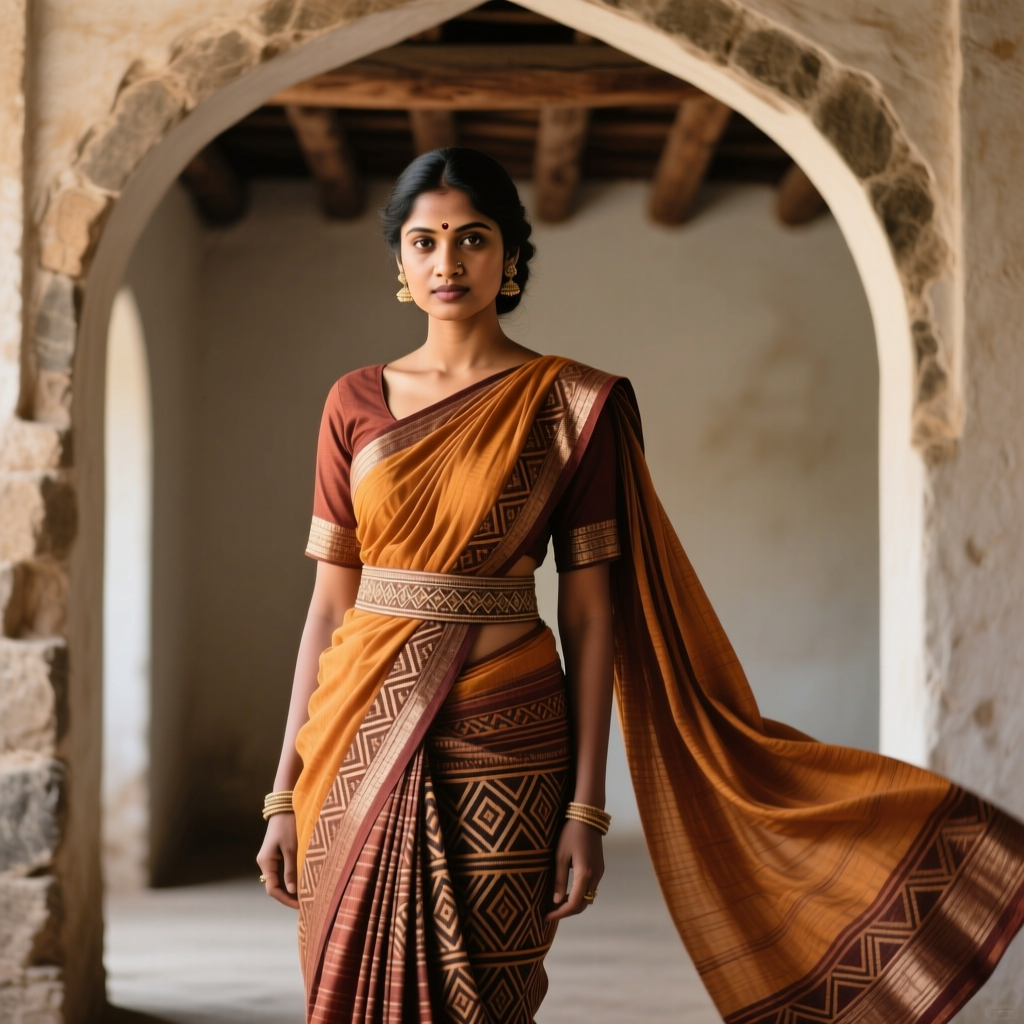
Nestled in the lush, verdant valleys of Northeast India, Manipur boasts a rich cultural tapestry that is vividly reflected in its traditional handloom textiles. The Manipuri traditional dress is a masterclass in understated elegance, characterized by its intricate weaves, vibrant colors, and deeply rooted cultural significance. Unlike the heavily embroidered garments found in other parts of the subcontinent, Manipuri ethnic wear relies on the structural beauty of the weave and the graceful drape of the fabric. For fashion enthusiasts and cultural explorers alike, learning how to wear these garments is a journey into the heart of Northeast Indian textiles.
Whether you are attending a cultural festival, a traditional wedding, or simply looking to infuse your wardrobe with global, artisanal fashion, mastering the art of draping the Manipuri Phanek and Innaphi is essential. This comprehensive styling guide will walk you through the history, the draping techniques, and the modern adaptations of this exquisite attire, ensuring you wear it with the respect and elegance it deserves.
Understanding the Core Garments: The Anatomy of Manipuri Attire
Before diving into the draping techniques, it is crucial to understand the foundational pieces of the Manipuri traditional dress. The attire is primarily composed of two main garments, often accompanied by a specific blouse or velvet jacket depending on the season and occasion.
The Phanek
The Phanek is a traditional wrap-around skirt that serves as the lower garment. It is typically woven from cotton or silk and features distinct patterns. There are two primary types of Phanek you will encounter:
- Mapan Naibi: This is a solid-colored Phanek featuring a thick, intricately woven border at the hem. It is generally considered everyday wear or semi-formal attire.
- Mayek Naibi: This variety features horizontal stripes or distinct geometric patterns woven into the fabric, culminating in a heavily decorated hem. The Mayek Naibi is reserved for formal occasions, festivals, and weddings.
The Innaphi and Wangkhei Phi
The upper garment or shawl is known as the Innaphi. It is a sheer, delicately woven wrap that drapes over the upper body. The most prized variety is the Wangkhei Phi, a white cotton shawl woven with subtle, elegant geometric motifs. The Innaphi provides modesty while adding a layer of ethereal grace to the overall silhouette. To understand how these wraps compare to other regional drapes, explore our guide on traditional wrap skirts and shawls.
Step-by-Step Guide: How to Wear the Manipuri Phanek
Wearing the Phanek requires a bit of practice, as it relies on tension and tucking rather than pins or stitches to stay in place. The goal is to achieve a sleek, column-like silhouette that falls gracefully to the ankles.
Step 1: Preparation and Positioning
Stand straight and hold the Phanek open behind you. Ensure the decorative hem (the Naibi) is facing downwards and touching the floor evenly. The fabric should be wrapped around your waist, just above the navel, similar to how you would begin draping saree draping styles or a sarong.
Step 2: The Initial Wrap
Pull the right side of the fabric tightly across your front to the left hip. Then, take the left side of the fabric and pull it across your front to the right hip, overlapping the first layer. The tension here is vital; the skirt must be snug enough to support its own weight without slipping.
Step 3: Tucking and Securing
Take the top edge of the overlapping left layer and tuck it securely into the waistband on your right side. Do the same with the right layer on your left side. Traditional weavers design the top edge of the Phanek to be slightly thicker to withstand the friction of tucking. Ensure the hem remains perfectly parallel to the ground.
Step 4: Creating the Front Pleat (Optional but Traditional)
While many women wear the Phanek completely flat against the body for a streamlined look, some prefer a slight gather or pleat at the front center for ease of walking. If you choose to pleat, gather about two inches of fabric at the center front and tuck it neatly into the waistband. Adjust the hem one last time to ensure the intricate border is fully visible and even.
Draping the Innaphi: Elegance in Every Fold
The Innaphi is the crowning glory of the Manipuri traditional dress. Because it is often made of sheer cotton or fine silk, it requires a gentle touch to drape correctly without tearing the delicate fibers.
The Classic Shoulder Drape
The most common way to wear the Innaphi is similar to a stole or a dupatta. Drape the center of the Innaphi across your chest, bringing both ends over your shoulders to hang down your back. This style is practical for everyday wear and allows the intricate borders of the Phanek to remain visible.
The Traditional Wrap
For formal events and traditional ceremonies, the Innaphi is wrapped around the torso. Hold one end of the Innaphi at your left waist, wrap it across your chest, and bring it over your right shoulder. The remaining fabric is then pleated and tucked into the waistband of the Phanek on the right side, or pinned securely to the blouse underneath. This creates a structured, saree-like pallu effect that exudes regal elegance.
Securing the Drape
Because the Innaphi is lightweight and slippery, use small, discreet safety pins to anchor it to your blouse at the shoulder. Avoid pulling the fabric too tightly, as the sheer weave can easily snag or distort. Let the fabric fall in soft, natural folds to highlight the transparency and the delicate motifs woven into the cloth.
Accessorizing Your Manipuri Attire
The right accessories elevate the Manipuri traditional dress from beautiful to breathtaking. Traditional Manipuri jewelry is heavily inspired by nature, featuring floral and geometric motifs crafted in gold and silver.
- Khwang Khet: A traditional waistband or girdle, often made of gold or silver, worn over the Phanek to secure the drape and add a touch of metallic brilliance to the waistline.
- Marei Parek: A stunning necklace featuring multiple tiers of gold beads, often interspersed with precious stones or traditional Manipuri pearls. It sits beautifully against the collarbone, complementing the neckline of the blouse.
- Khuji and Khujakpa: Delicate bangles and armbands that add a subtle jingle to your movements. Gold is the preferred metal for weddings, while oxidized silver or lac bangles are perfect for casual styling.
- Hair and Florals: Hair is traditionally swept up into a neat bun at the nape of the neck or the crown of the head. Adorning the bun with fresh flowers, such as jasmine or local orchids, is a quintessential part of the Manipuri aesthetic. For more inspiration, browse our collection of Indian ethnic jewelry styling tips.
Modern Adaptations for Contemporary Wardrobes
While the traditional drape remains timeless, modern fashion lovers are finding innovative ways to integrate the Phanek and Innaphi into their contemporary wardrobes. Fusion styling allows you to honor the craftsmanship while adapting the silhouette for modern lifestyles.
The Belted Phanek
One of the most popular modern adaptations is pairing the Mapan Naibi Phanek with a sleek leather or metallic belt. By tucking the Phanek securely and cinching it with a statement belt, you eliminate the need for constant readjustment while adding a chic, bohemian edge to the outfit. Pair this with a crisp, white button-down shirt or a structured blazer for a sophisticated office-appropriate look.
Innaphi as a Scarf or Cape
The sheer Wangkhei Phi can be repurposed as an oversized scarf or a lightweight summer cape. Drape it loosely over a solid-colored maxi dress or a simple camisole and wide-leg trousers. The intricate Manipuri weaves will act as a statement piece, bringing a touch of global heritage to a minimalist outfit.
Mixing Textures
Don't be afraid to mix the traditional silk Phanek with unexpected fabrics like denim or knitwear. A heavy, handwoven silk Phanek paired with a fitted turtleneck and ankle boots creates a striking winter ensemble that bridges the gap between traditional craftsmanship and modern street style.
Buying Guide: Sourcing Authentic Manipuri Handlooms
Investing in a genuine Manipuri traditional dress means supporting centuries-old weaving communities. The backstrap loin loom, traditionally operated by women, is the heart of Manipuri textile production. Here is how to ensure you are purchasing authentic, high-quality garments.
- Look for the GI Tag: Authentic Moirang Phee, Wangkhei Phi, and Shaphee Lanphee (a royal textile) are protected under the Geographical Indication (GI) registry. Look for certifications or tags that verify the origin of the handloom.
- Examine the Weave: True handloom fabrics will have slight, beautiful irregularities in the warp & weft. The extra-weft embroidery (the raised motifs on the Innaphi) should be visible on the reverse side, though it will look slightly messier than the front. Machine-made imitations will have perfectly uniform, flat patterns.
- Support Cooperatives: Whenever possible, purchase directly from weaver cooperatives in Imphal or verified fair-trade organizations that work directly with Manipuri artisans. This ensures the weavers receive fair compensation for their meticulous labor.
- Fabric Care: Handloom cotton and silk require gentle care. Always dry clean heavily embroidered silk Phaneks, and hand wash cotton Innaphis in cold water with a mild, pH-neutral detergent. For a complete guide on maintaining your artisanal textiles, read our handloom care guide.
Frequently Asked Questions
Can I wear a Phanek like a saree?
While the Phanek is a wrap-around garment, it is fundamentally different from a saree. A saree is a single, continuous piece of fabric (usually 5 to 9 yards long) that drapes over the lower body and the shoulder. The Phanek is strictly a lower garment, pre-measured to wrap around the waist and ankles. However, the Innaphi is draped over the upper body in a manner that can sometimes mimic the pallu of a saree, creating a similar visual effect.
What is the difference between Mayek Naibi and Mapan Naibi?
The primary difference lies in the pattern and the occasion. The Mapan Naibi is typically a solid color with a thick, decorative border at the bottom hem, making it suitable for daily wear and casual events. The Mayek Naibi features horizontal stripes or intricate geometric patterns woven throughout the body of the fabric, along with a highly ornate hem. The Mayek Naibi is considered formal wear and is predominantly worn during weddings, religious ceremonies, and major cultural festivals.
How do I care for my Innaphi and silk Phanek?
Manipuri handlooms are delicate and require specific care to maintain their luster and structural integrity. For silk Phaneks and heavily embroidered Innaphis, professional dry cleaning is highly recommended to prevent the colors from bleeding and the extra-weft threads from snagging. For everyday cotton Wangkhei Phis, gentle hand washing in cold water using a mild shampoo or specialized handloom detergent is best. Never wring the fabric; instead, roll it in a clean towel to absorb excess water and dry it in the shade to prevent sun fading.
Is it appropriate for non-Manipuris to wear this traditional dress?
Yes, wearing the Manipuri traditional dress is generally viewed as a beautiful form of cultural appreciation, provided it is done with respect and an understanding of the garment's significance. When attending a Manipuri wedding, cultural event, or visiting the state, wearing a Phanek and Innaphi is often welcomed and celebrated by locals. The key is to wear it correctly, modestly, and to purchase authentic handlooms that support the local artisan community rather than buying cheap, mass-produced knock-offs.
What kind of blouse should I wear under the Innaphi?
Traditionally, women wear a fitted, short-sleeved velvet jacket or a simple cotton blouse with a high neckline under the Innaphi. Because the Innaphi is often sheer, the blouse acts as a necessary layer of modesty. In modern styling, you can experiment with silk camisoles, structured crop tops, or even lightweight turtlenecks, depending on the weather and the formality of the occasion. Ensure the color of the blouse either complements or provides a striking contrast to the dominant colors of your Phanek.