Traditional Dress & Accessories: A Complete Styling Guide
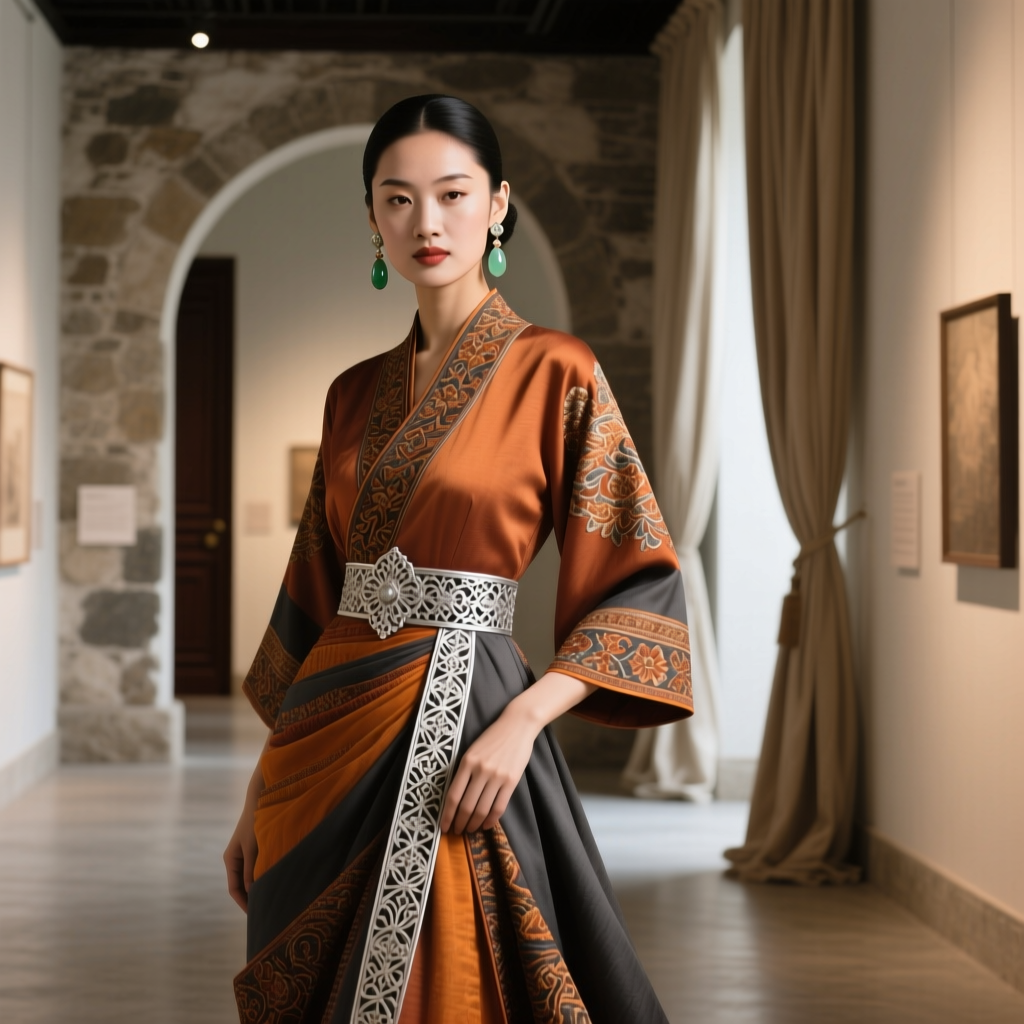
Traditional Dress & Accessories: A Complete Styling Guide
There is a quiet power in wearing garments that carry centuries of meaning. Traditional dress — whether it is a hand-embroidered huipil from Oaxaca, a flowing dashiki from West Africa, a meticulously tailored kimono from Kyoto, or a vibrantly woven sari from the Indian subcontinent — connects us to something far greater than fleeting fashion trends. These pieces are living archives of culture, identity, and craftsmanship that deserve a rightful place in the modern wardrobe.
Yet many people who own or wish to incorporate traditional garments into their everyday lives find themselves uncertain about how to style them with confidence. How do you honor the heritage of a piece while making it feel fresh and relevant? How do you pair ancestral accessories with contemporary outfits without diluting their significance? This guide exists to answer those questions and more, offering practical, respectful styling advice that celebrates the artistry of traditional dress from around the world.
At The Garment Atlas, we believe that understanding the cultural roots of clothing enriches the way we wear it. Before diving into styling, we always encourage readers to explore our cultural heritage resources to deepen their appreciation for the traditions behind each garment.
Styling Traditional Dress for Everyday & Formal Occasions
One of the most common misconceptions about traditional dress is that it belongs only in ceremonial settings or cultural celebrations. While these garments are indeed central to festivals, weddings, and rites of passage, many traditional pieces are remarkably versatile and can be integrated into daily wear with thoughtful styling.
Mixing Heritage Pieces with Contemporary Basics
The easiest entry point into styling traditional dress is to anchor one heritage piece with modern basics. A beautifully embroidered Mexican blouse, for example, pairs effortlessly with tailored trousers or dark-wash denim. The contrast between the intricate handwork of the blouse and the clean lines of contemporary bottoms creates a balanced look that feels intentional rather than costumey.
Similarly, a West African ankara print skirt can be styled with a simple white linen shirt and leather sandals for a polished daytime outfit. The key principle is to let one traditional piece serve as the focal point of your ensemble while everything else plays a supporting role.
Formal & Ceremonial Styling
For formal occasions — galas, cultural ceremonies, weddings, and diplomatic events — traditional dress often speaks loudest when worn in its complete or near-complete form. A full sari ensemble with its accompanying blouse and petticoat carries a gravitas that no Western evening gown can replicate. Likewise, a Scottish kilt worn with its proper accessories — the sporran, kilt pin, hose, and ghillie brogues — commands respect and admiration at any formal gathering.
When attending events where traditional dress is expected, take the time to research the correct way to drape, tie, or fasten each garment. Our garment guides provide detailed instructions on proper wearing techniques for a variety of cultural garments, ensuring you present yourself with both style and respect.
Seasonal Considerations
Traditional garments were designed for specific climates, and this practical wisdom can guide your seasonal styling. Lightweight cotton kurtas and loose-fitting dashikis are ideal for warm weather, while heavy wool ponchos, thick woven shawls, and fur-lined parkas from Arctic indigenous traditions offer genuine cold-weather protection. Working with the seasonal logic of traditional garments not only looks authentic but keeps you comfortable throughout the year.
Essential Traditional Accessories & How to Wear Them
Accessories are often where traditional dress becomes truly transformative. A single piece of heritage jewelry or a hand-woven belt can elevate an otherwise ordinary outfit into something extraordinary. Here are the major categories of traditional accessories and how to incorporate them into your wardrobe.
Headwear & Hair Accessories
From the elaborate turbans of South Asia and the Middle East to the beaded hair ornaments of the Maasai people, traditional headwear carries profound cultural significance. In modern styling, headwraps and scarves inspired by these traditions can add color, texture, and personality to any outfit. A silk headscarf tied in the style of a West African gele transforms a simple sheath dress into a statement ensemble. For those exploring these styles, understanding the cultural context is essential — our cultural heritage pages offer background on the significance of headwear across different traditions.
Jewelry & Body Adornment
Traditional jewelry is among the most accessible entry points into heritage styling. Berber silver pendants from North Africa, jade carvings from Mesoamerican traditions, intricate gold temple jewelry from South India, and turquoise squash blossom necklaces from the Navajo Nation are all stunning examples of adornment that transcend trends.
When styling traditional jewelry, consider scale and proportion. A bold, statement necklace pairs best with a simple neckline — think a plain black dress or an unadorned kurta. Conversely, delicate traditional earrings can complement a more elaborate outfit without competing for attention. Layering is also an option: mixing thin traditional bangles or stacking rings from a single cultural tradition can create a rich, textured look that tells a story.
Belts, Sashes & Waist Accessories
Many traditional garments are defined by their waist accessories. The Japanese obi belt, the Korean daenggi ribbon, the Mexican faja sash, and the Indian kamarbandh waist chain all serve both functional and decorative purposes. In contemporary styling, these pieces can be used to cinch and define the silhouette of modern garments. A woven faja, for instance, looks stunning over a flowy maxi dress or even a tailored blazer, adding a pop of color and artisanal texture.
Footwear
Traditional footwear deserves far more attention than it typically receives. Moroccan babouche slippers, Indian jutti shoes, Turkish yemeni sandals, and Native American beaded moccasins are all exquisitely crafted options that pair beautifully with both traditional and contemporary outfits. Leather juttis with subtle embroidery, for example, work just as well with cropped trousers and a blouse as they do with a salwar kameez.
Invest in well-made traditional footwear from artisans or reputable dealers. Mass-produced imitations often lack the comfort, durability, and authenticity of genuine handcrafted pieces. For more on identifying quality craftsmanship, visit our garment and accessory guides.
Modern Adaptations: Blending Tradition with Contemporary Fashion
The fashion world has increasingly embraced traditional dress as a source of inspiration, and many designers — particularly those from the cultures they represent — are creating modern adaptations that honor heritage while appealing to contemporary tastes. This movement offers exciting possibilities for anyone looking to incorporate traditional elements into their wardrobe.
Reimagined Silhouettes
One of the most exciting trends in modern traditional dress is the reimagining of classic silhouettes. Designers are creating cropped versions of the qipao, streamlined kaftans that work as office-appropriate dresses, and deconstructed hanbok jackets that pair with jeans. These adaptations make traditional garments accessible to people who might not wear a full ceremonial outfit but want to celebrate cultural aesthetics in their daily lives.
When choosing modern adaptations, look for designers who have a genuine connection to the culture they are drawing from. Supporting heritage-rooted designers ensures that the economic benefits of these adaptations flow back to the communities that originated these traditions.
Fabric & Print Integration
If wearing a full traditional garment feels too bold for your personal style, consider incorporating traditional fabrics and prints into contemporary pieces. A blazer made from Ghanaian kente cloth, a tie crafted from Japanese shibori-dyed silk, or a tote bag featuring Guatemalan ikat weaving can all serve as conversation-starting accessories that bridge the gap between heritage and modernity.
This approach also allows you to support traditional textile artisans without committing to a full ensemble. Many cooperatives and social enterprises around the world sell fabric by the yard, giving you the freedom to commission custom pieces from your preferred tailor or seamstress.
Layering as a Styling Strategy
Layering is perhaps the most powerful technique for blending traditional and contemporary elements. A long, embroidered Central Asian chapan coat worn over a turtleneck and slim trousers creates a striking, cosmopolitan look. A sheer organza dupatta draped over a Western-style evening gown adds an ethereal, cross-cultural dimension. The key to successful layering is to maintain a cohesive color palette and to ensure that each layer is visible and contributes to the overall composition of the outfit.
Buying Guide: Where & How to Source Traditional Dress & Accessories
Purchasing traditional dress and accessories requires more care than a typical shopping trip. Because these items carry cultural weight and are often handcrafted using specialized techniques, it is important to buy thoughtfully and ethically.
Prioritize Authentic Sources
The best place to purchase traditional garments is directly from artisans, cooperatives, or established dealers who specialize in a particular cultural tradition. Buying directly supports the livelihoods of craftspeople and helps sustain endangered textile traditions. When traveling to regions known for specific garments — such as purchasing a sari in Varanasi or a woven blanket in Oaxaca — seek out workshops and family-run studios rather than tourist-oriented souvenir shops.
For those who cannot travel, many reputable online platforms connect buyers directly with artisan communities. Look for sellers who provide detailed information about the maker, the materials, and the techniques used. Transparency is a strong indicator of ethical sourcing.
Evaluating Quality & Craftsmanship
When examining a traditional garment or accessory, pay attention to the following quality indicators:
- Material integrity: Natural fibers such as silk, cotton, wool, and linen are hallmarks of authentic traditional dress. Synthetic alternatives often indicate mass production.
- Handwork details: Genuine hand embroidery, hand weaving, and hand dyeing will have slight irregularities that machine-made items lack. These imperfections are signs of authenticity, not defects.
- Construction quality: Examine seams, linings, and finishing. Well-made traditional garments are constructed to last generations.
- Dye fastness: Ask about the dyeing process. Natural dyes may require special care but offer richer, more nuanced colors than synthetic alternatives.
Our garment guides include detailed quality checklists for specific traditional garments to help you make informed purchasing decisions.
Budget Considerations
Authentic traditional dress and accessories span a wide price range. Simple, everyday pieces such as cotton kurtas, basic headwraps, or woven bracelets can be quite affordable, while elaborate ceremonial garments with extensive handwork represent significant investments. Set a budget that reflects your intended use: everyday pieces can be more modest in price, while investment pieces for special occasions justify higher spending. Remember that a well-made traditional garment, cared for properly, can last a lifetime and even become an heirloom.
Cultural Sensitivity in Purchasing
Before purchasing a traditional garment from a culture that is not your own, take time to learn about its significance. Some items carry sacred or restricted meanings and may not be appropriate for outsiders to wear. Others are widely shared and celebrated when worn respectfully. When in doubt, reach out to cultural organizations, read our cultural heritage resources, or simply ask members of the community. Approaching traditional dress with humility and curiosity is always the right starting point.
Frequently Asked Questions
Is it appropriate to wear traditional dress from a culture that is not my own?
This is one of the most common and important questions in heritage fashion. The answer depends on context, intent, and the specific garment in question. In general, wearing traditional dress is most appropriate when you have been invited to do so — such as attending a cultural celebration, wedding, or ceremony — and when you make a genuine effort to wear the garment correctly and respectfully. Avoid treating sacred or ceremonial garments as costumes or fashion statements. Educating yourself about the history and significance of the garment, which you can begin through our cultural heritage pages, is an essential first step.
How do I care for handcrafted traditional garments?
Most handcrafted traditional garments require gentle care to preserve their materials and artistry. Hand washing in cold water with mild detergent is generally safer than machine washing, especially for items with embroidery, beading, or natural dyes. Always air dry rather than using a tumble dryer. For delicate pieces such as silk saris or woven shawls, professional dry cleaning with a specialist who understands traditional textiles is recommended. Store garments flat or on padded hangers to prevent distortion, and use acid-free tissue paper to protect embellishments.
Can I mix traditional accessories from different cultures in one outfit?
While there are no hard rules, mixing traditional accessories from multiple cultures in a single outfit can sometimes dilute the impact of each piece and may come across as unfocused or superficial. A more effective approach is to choose one cultural tradition as the anchor for your accessories and build the rest of your outfit around it. This allows each piece to be appreciated on its own merits and demonstrates a deeper level of engagement with the tradition it represents.
Where can I learn more about the history behind specific traditional garments?
Understanding the history of traditional dress enriches the experience of wearing it immeasurably. Start with our comprehensive garment guides, which cover the origins, construction, and cultural context of traditional clothing from around the world. Additionally, museums with textile and costume collections, academic publications on material culture, and documentaries about artisan communities are all excellent resources. Many cultural organizations also offer workshops and lectures on traditional dress and its significance.
What are the best traditional accessories for someone just starting to explore heritage fashion?
If you are new to incorporating traditional elements into your wardrobe, start with versatile accessories that integrate easily with your existing clothes. A hand-woven scarf or shawl, a pair of artisan-made leather sandals or slippers, a simple piece of traditional jewelry such as a pendant necklace or a set of bangles, and a woven belt or sash are all excellent starting points. These items are relatively affordable, easy to style, and allow you to experiment with different cultural aesthetics before investing in full garments. As your knowledge and confidence grow, you can gradually expand into complete traditional outfits and more elaborate accessories.
Traditional dress and accessories are more than clothing — they are expressions of identity, history, and human creativity. By approaching them with respect, curiosity, and thoughtful styling, you can build a wardrobe that is not only beautiful but deeply meaningful. Explore more about the world's sartorial heritage through our cultural heritage collection and continue your journey with our detailed garment guides.