Natural Dye Revival in Modern Fashion
Back to Roots
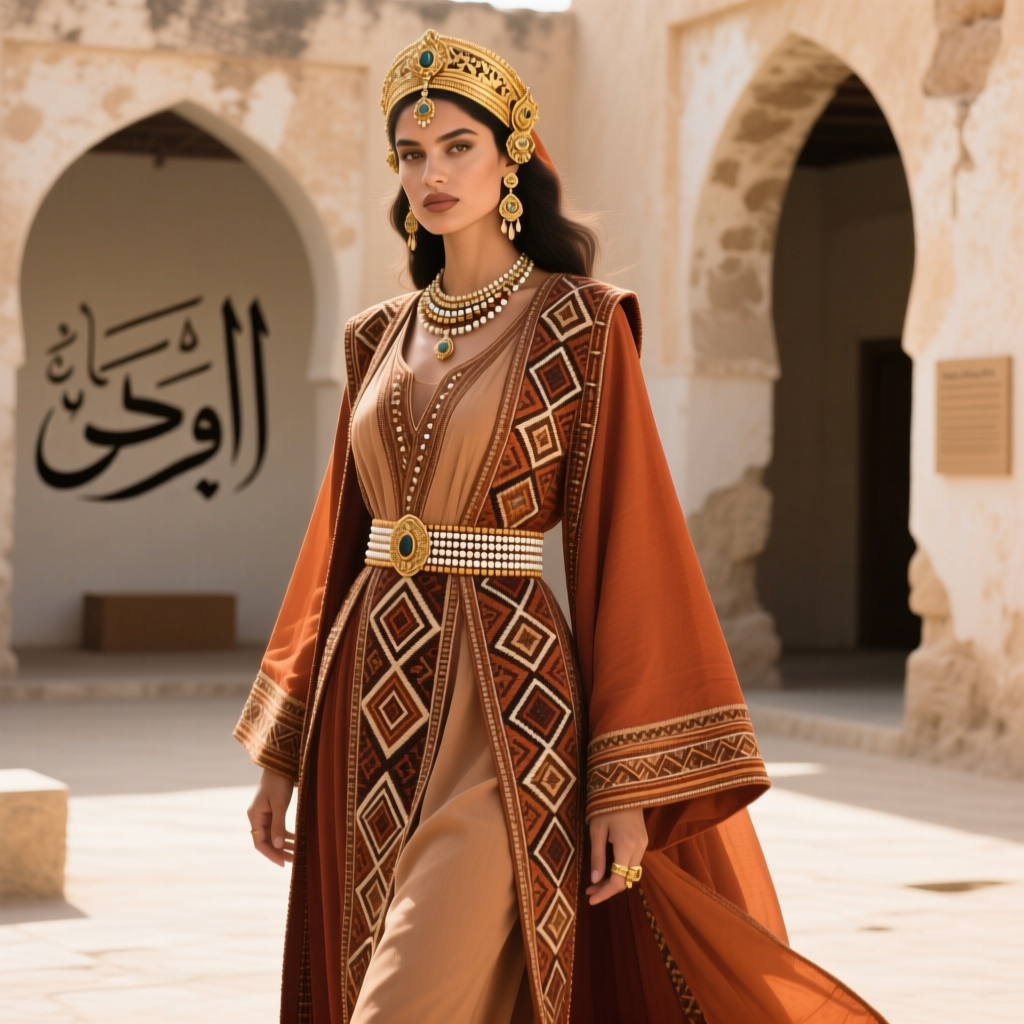
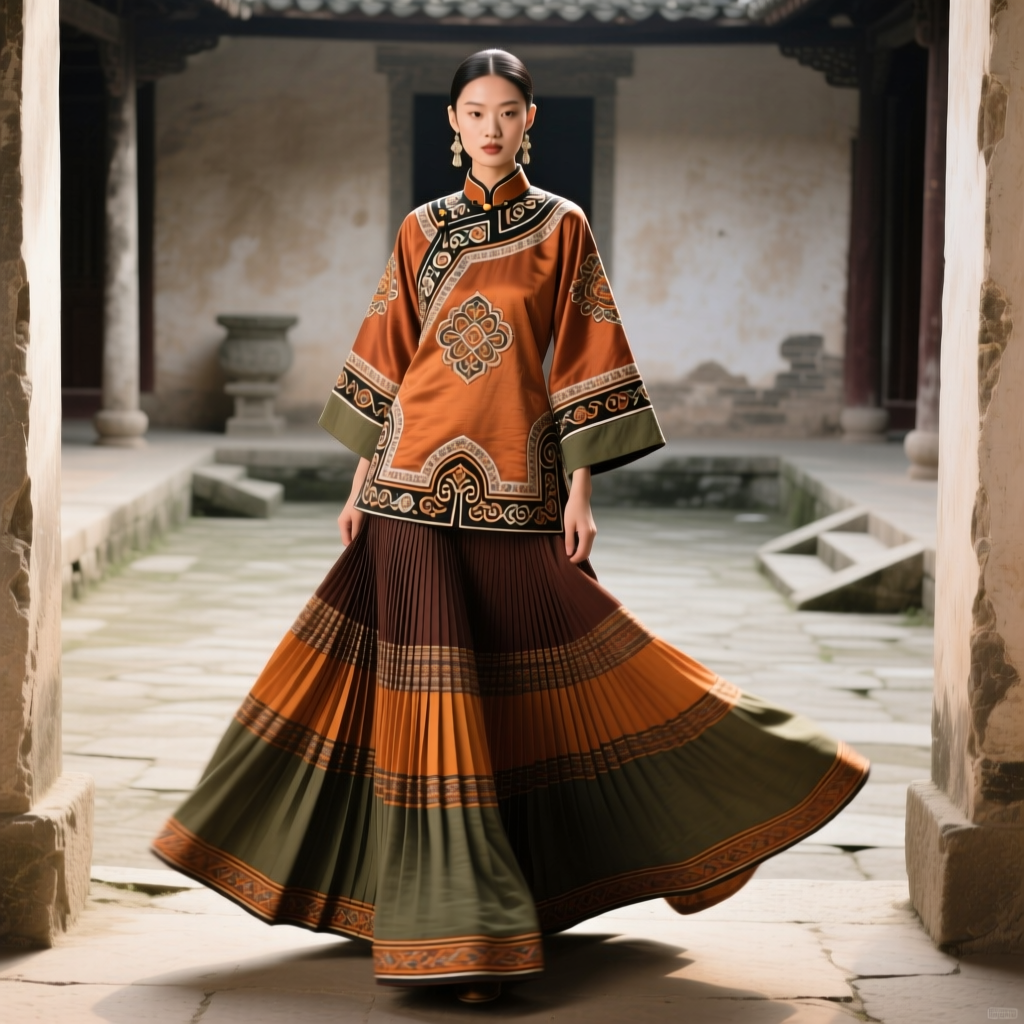
Before 1856 — when William Perkin accidentally created the first synthetic dye (mauveine) — all textiles were colored with natural dyes from plants, insects, minerals, and fungi. The synthetic revolution nearly killed these traditions, but a growing movement of artisans, designers, and sustainability advocates is bringing natural dyes back into fashion.
Key Natural Dye Sources
Indigo (from Persicaria tinctoria, Indigofera tinctoria) produces deep blues through a complex fermentation and oxidation process. Madder root (Rubia tinctorum) yields rich reds and oranges — it was the primary red dye for centuries. Cochineal insects (Dactylopius coccus) produce brilliant crimson and scarlet. Turmeric gives golden yellow. Walnut hulls create deep browns.
The Revival Movement
Designers like Stella McCartney, Eileen Fisher, and Indian label Pero use natural dyes in their collections. Japan's traditional shibori artists have found new audiences among Western fashion houses. In Mexico, Zapotec weavers of Oaxaca continue cochineal traditions dating to pre-Columbian times. The revival is driven by concerns about water pollution from synthetic dyeing.
- Indigo: fermentation vat process, blue
- Madder root: red, orange, pink range
- Cochineal: crimson from dried insects
- Turmeric: golden yellow, less lightfast
- Mordants: alum, iron, copper fix dyes to fiber