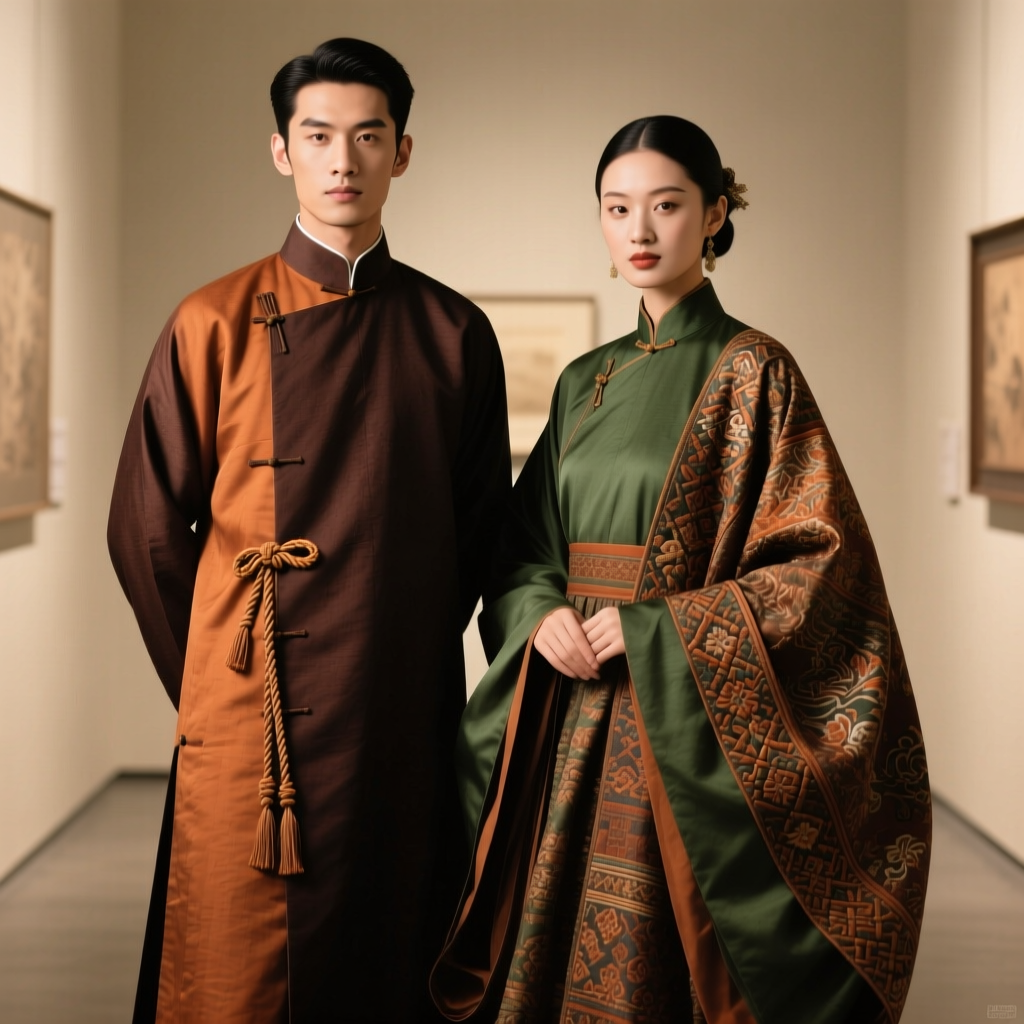
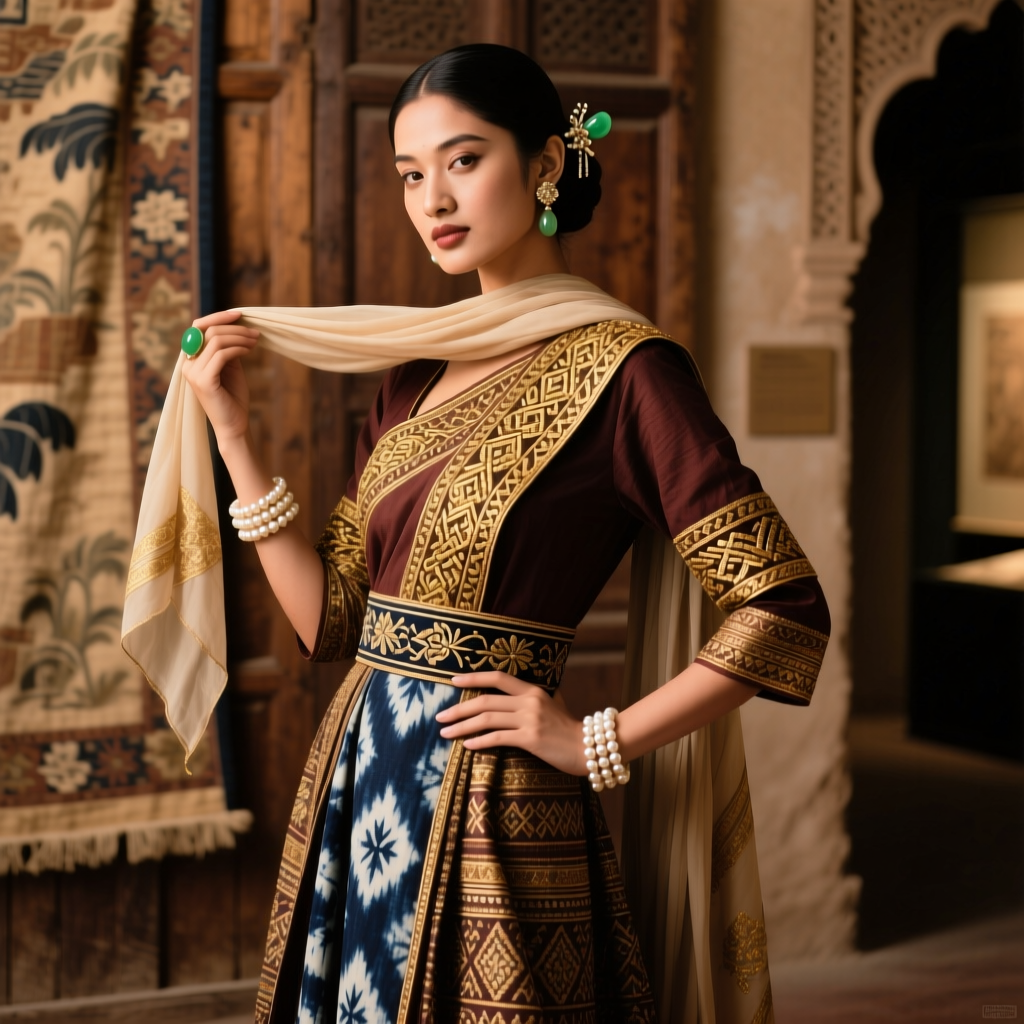
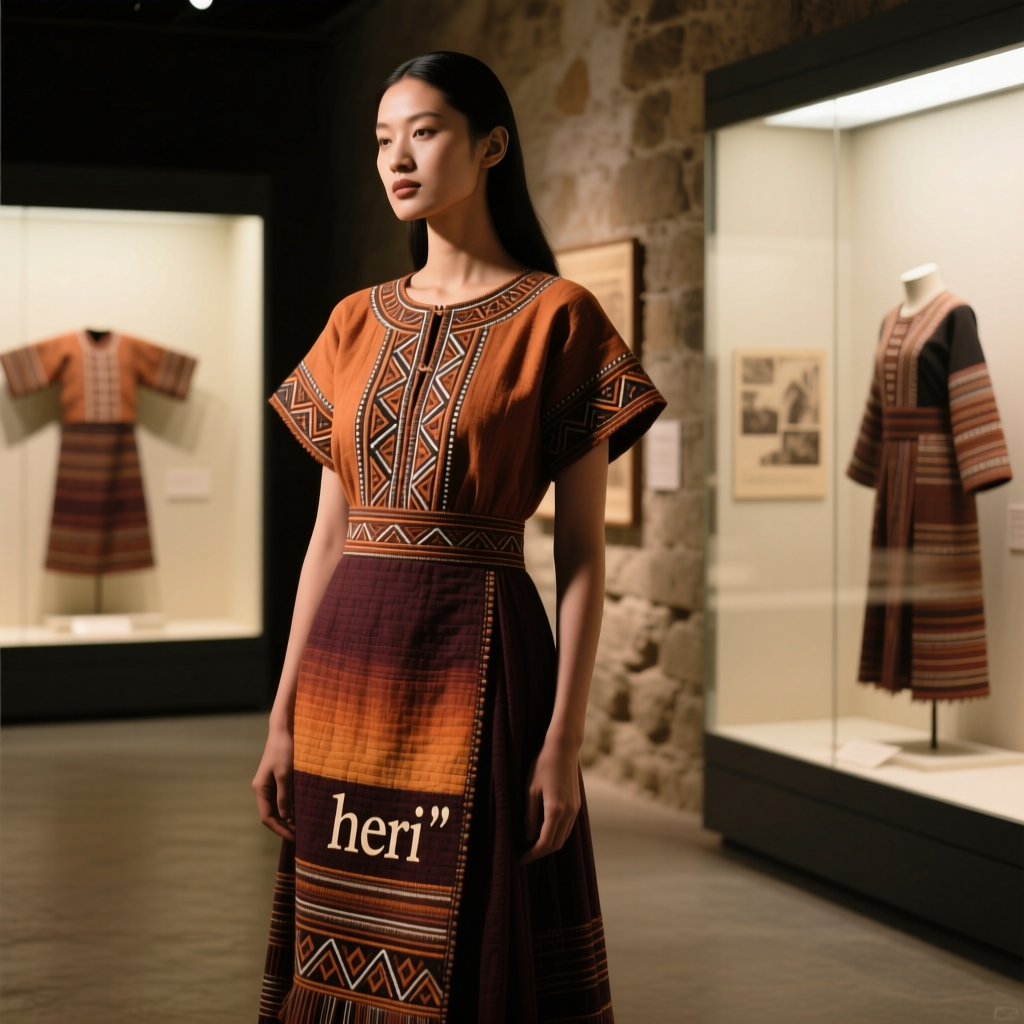
The Traditional Dress: A Complete Style Guide to Timeless Heritage Garments
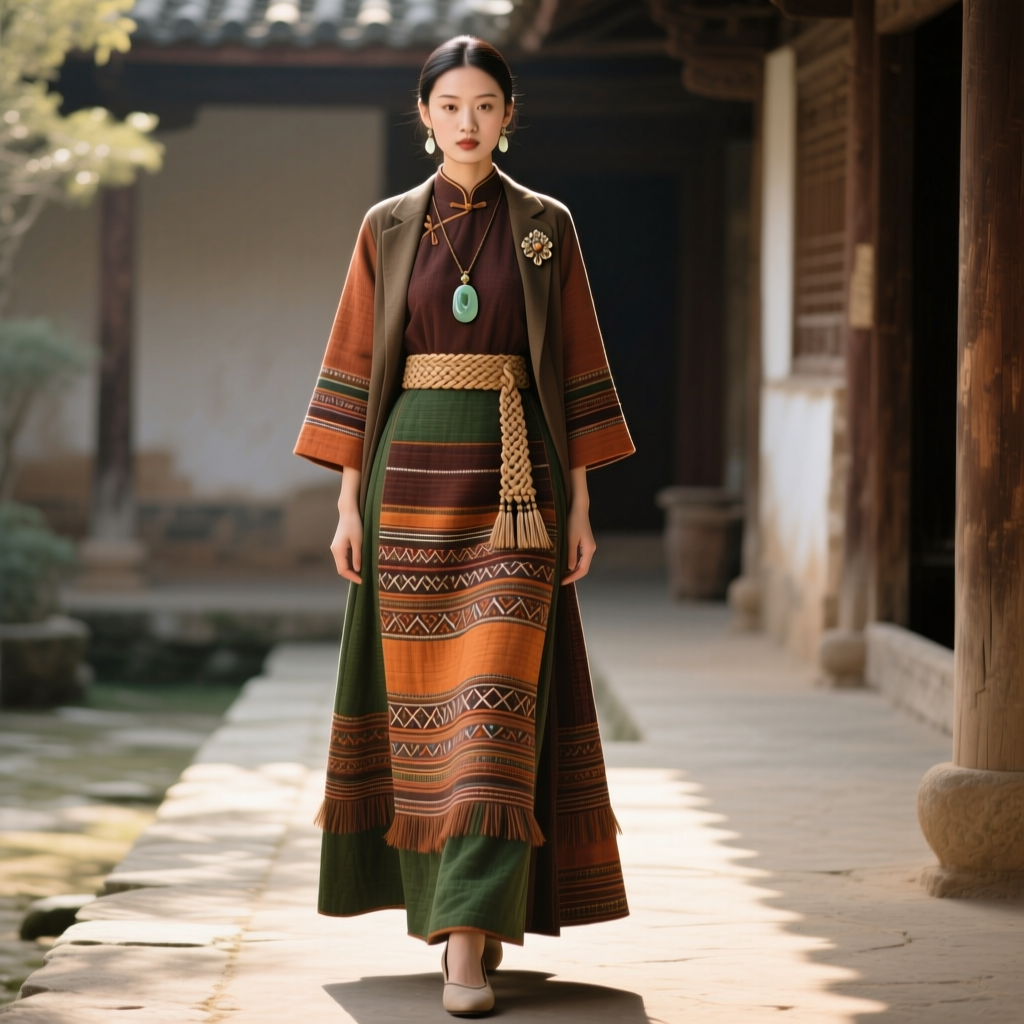
The Traditional Dress: A Complete Style Guide to Timeless Heritage Garments
There is a quiet power in clothing that carries centuries of history within its folds. The traditional dress — a garment rooted in cultural identity, artisanal craftsmanship, and generational storytelling — has never truly left the global fashion conversation. From runways in Paris to street style in Seoul, heritage garments continue to inspire designers, stylists, and everyday dressers who crave meaning in what they wear.
Yet styling a traditional dress for modern life requires more than simply slipping it on. It demands an understanding of proportion, fabric behavior, cultural context, and the delicate art of balancing old-world elegance with contemporary sensibility. Whether you are drawn to the flowing silhouettes of embroidered tunics, the structured grace of wrapped garments, or the vivid textiles of handwoven skirts, this guide will equip you with everything you need to wear traditional dress with confidence, respect, and undeniable style.
At The Garment Atlas, we believe that understanding a garment's roots is the first step toward wearing it beautifully. Let us explore how to make these timeless pieces a vibrant part of your wardrobe.
Understanding the Traditional Dress: Silhouettes, Fabrics & Heritage
Before reaching for accessories or planning an outfit, it is essential to understand what makes a traditional dress distinctive. Across cultures, these garments share common threads: they are typically designed to suit local climates, reflect social or spiritual values, and utilize materials native to their regions of origin.
Common Silhouette Families
Traditional dresses generally fall into several silhouette categories:
- Wrapped & Draped: Garments that rely on folding, tucking, and layering fabric around the body. These offer incredible versatility in fit and styling, as the wearer can adjust coverage and volume.
- Fitted Bodice with Full Skirt: A universally flattering shape found across European, Latin American, and South Asian traditions. The structured top contrasts with a flowing lower half, creating movement and drama.
- Straight or Column Silhouettes: Long, unbroken lines that elongate the figure. Often seen in East Asian and Southeast Asian traditional dress, these rely on exquisite fabric and surface detail rather than complex cutting.
- Layered & Tiered: Multiple garments worn together — an underskirt, a main dress, and an overcoat or shawl — creating depth, texture, and practical warmth.
Fabrics That Define Heritage
The soul of any traditional dress lives in its textile. Handloom cottons, raw silks, brocades, batik-printed fabrics, and embroidered linens are not merely materials — they are records of agricultural practice, trade routes, and artistic evolution. When you choose a traditional dress, pay attention to the fabric's weight, drape, and care requirements, as these will dictate how and when you can wear it.
For a deeper dive into how textiles shape cultural identity, explore our cultural heritage guides, where we trace the stories behind the world's most significant garment traditions.
Styling Tips: How to Wear a Traditional Dress in Everyday Life
The most common question we hear is: How do I wear a traditional dress without looking like I am wearing a costume? The answer lies in intentional styling that bridges the garment's heritage with your personal aesthetic.
Anchor With Neutral Basics
If your traditional dress features bold patterns, intricate embroidery, or vivid colors, let it be the centerpiece of your outfit. Pair it with neutral, modern basics — a simple cotton slip underneath, tailored trousers beneath a shorter tunic, or a plain tee layered under an open-front dress. This approach allows the heritage garment to shine without competing for attention.
Play With Proportions
Many traditional dresses were designed with modesty or climate in mind, resulting in generous cuts and full volumes. To modernize the silhouette:
- Belt it: A slim leather belt or a woven sash at the natural waist can transform a shapeless tunic into a figure-defining statement piece.
- Layer strategically: A fitted turtleneck beneath a sleeveless traditional dress adds warmth and contemporary edge during cooler months.
- Crop or tuck: If the dress has a long hem, consider a French tuck into high-waisted jeans or a midi skirt to create a more casual, approachable look.
Footwear Matters More Than You Think
The shoes you choose can either honor the garment's origins or completely recontextualize it. For a modern fusion look, pair a flowing traditional dress with minimalist leather sandals, clean white sneakers, or ankle boots. For formal occasions, embroidered heels or handcrafted loafers echo the artisanal spirit of the dress itself. Explore our style guides for more footwear pairing ideas across garment types.
Confidence Is Your Best Accessory
Traditional garments carry presence. They were designed for ceremonies, celebrations, and moments of significance. When you wear one, stand tall. Own the space the garment creates around you. Confidence transforms any outfit from interesting to unforgettable.
Accessories That Complement Traditional Dress
Accessories are where personal expression meets cultural homage. The right additions elevate a traditional dress from beautiful to breathtaking.
Jewelry: Honor the Craft
Handmade jewelry is the most natural companion to a handcrafted dress. Consider:
- Statement earrings in hammered metal, beads, or filigree work that echo the dress's cultural origins without mimicking them exactly.
- Stacked bangles or cuffs that add texture and movement to your wrists, particularly effective with sleeveless or short-sleeved traditional dresses.
- Layered necklaces of varying lengths that fill the neckline without overwhelming it — especially effective with collarless or V-neck silhouettes.
- A single bold ring or a set of delicate midi rings for a subtler approach that still adds intentionality to your look.
Scarves, Shawls & Wraps
Many traditional dress systems include a wrapping element — a stole, a shawl, a sash. Honor this layering tradition by adding a complementary wrap. A hand-block-printed scarf, a lightweight pashmina, or a silk square tied at the neck can add dimension while serving a practical purpose.
Bags & Carry Pieces
Choose bags that match the artisanal quality of your dress. Woven clutches, embroidered crossbody bags, leather totes with hand-tooled details, or beaded evening bags all work beautifully. Avoid overly branded or mass-produced-looking bags, as they can clash with the handcrafted nature of traditional garments.
Hair & Makeup Considerations
Your grooming choices should harmonize with the dress's energy. An ornate, heavily embellished traditional dress pairs well with a sleek updo and minimal makeup, letting the garment take center stage. A simpler, everyday traditional piece gives you room to experiment with braids, loose waves, or a bolder lip color.
Occasions: When & Where to Wear Traditional Dress
One of the greatest strengths of traditional dress is its versatility. With thoughtful styling, these garments can transition seamlessly across a wide range of settings.
Cultural Celebrations & Ceremonies
This is the traditional dress in its natural habitat. Weddings, religious festivals, national holidays, and community gatherings call for the most authentic, complete styling of heritage garments. Wear them as intended — with traditional accessories, appropriate underlayers, and styling that respects the garment's ceremonial roots. Our garment guides offer detailed breakdowns of how specific traditional pieces are worn during cultural events.
Professional & Workplace Settings
A well-tailored traditional dress can be a powerful professional statement, particularly in creative industries, academic settings, or international environments. Opt for:
- Muted color palettes or smaller-scale patterns
- Structured silhouettes that convey polish
- Minimal jewelry and clean-lined footwear
- Well-pressed fabrics that look intentional and maintained
Casual Outings & Weekend Wear
Simpler traditional dresses — cotton tunics, printed wrap dresses, embroidered shirts worn as dresses — make excellent everyday pieces. Pair them with denim, sneakers, and a crossbody bag for an effortlessly interesting weekend outfit that sparks conversations wherever you go.
Evening Events & Formal Gatherings
Silk, brocade, and heavily embroidered traditional dresses are natural choices for galas, dinners, and formal parties. Style them with elegant updos, metallic accessories, and heeled footwear. A structured clutch and a statement earring are often all you need to complete the look.
Travel & Exploration
Traditional dresses made from breathable, wrinkle-resistant fabrics are superb travel companions. They pack flat, photograph beautifully, and help you connect with the cultures you visit. Just be mindful of local customs regarding coverage and appropriateness when wearing traditional dress in its place of origin.
Modern Adaptations: Reinventing the Traditional Dress for Today
Fashion is a living dialogue between past and present, and the traditional dress is no exception. Designers and home sewers alike are finding inventive ways to reimagine heritage garments for contemporary wardrobes.
Fusion Silhouettes
One of the most exciting trends in global fashion is the fusion garment — a piece that combines the construction techniques or textile traditions of one culture with the silhouette preferences of another. Imagine a traditional embroidered bodice paired with a modern A-line midi skirt, or a heritage fabric cut into a contemporary shirt-dress shape. These hybrid pieces honor tradition while feeling entirely fresh.
Contemporary Fabric Choices
While purists may prefer traditional textiles, there is no rule that says a heritage silhouette cannot be rendered in modern fabrics. A classic wrapped dress in a technical jersey becomes a low-maintenance travel piece. A structured traditional bodice in sustainable linen feels current and breathable. Experimenting with fabric is one of the most accessible ways to make traditional dress your own.
Minimalist Interpretations
The minimalist fashion movement has embraced traditional dress elements with enthusiasm. Stripping away excess embellishment and focusing on clean lines, monochromatic palettes, and architectural silhouettes allows the fundamental design wisdom of traditional garments to speak for itself.
Gender-Fluid Styling
Many traditional garments were never strictly gendered in their original contexts. Tunics, wrapped skirts, robes, and draped garments have been worn across genders throughout history. Modern styling is increasingly returning to this fluidity, with traditional dress elements appearing in wardrobes of all gender expressions. This is not trend — it is a return to a more inclusive sartorial heritage.
Discover how different cultures approach garment construction in our comprehensive garment guide library, where each piece is explored in its full cultural and stylistic context.
Buying Guide: How to Choose & Purchase a Traditional Dress
Investing in a traditional dress is about more than acquiring a garment — it is about supporting craftsmanship, preserving heritage, and building a wardrobe with depth and story. Here is how to make a purchase you will treasure.
Prioritize Authentic Sources
Whenever possible, buy directly from artisans, cooperatives, or retailers who work transparently with maker communities. This ensures fair compensation for craftspeople and guarantees that you are receiving a garment made with genuine techniques and materials. Look for certifications like fair trade labels, artisan cooperative memberships, or direct-trade relationships.
Understand Fabric & Care Before You Buy
Traditional fabrics often require specialized care. Hand-loomed silks may need dry cleaning. Block-printed cottons may bleed color on the first few washes. Embroidered pieces may require hand washing and flat drying. Before purchasing, ask about care instructions and honestly assess whether you are willing to maintain the garment properly.
Check the Construction
Examine seams, linings, and finishing details. A quality traditional dress will have:
- Even, tight stitching with no loose threads
- Properly finished seams — French seams, bound edges, or serged finishes depending on the fabric
- Pattern matching at seam lines (especially important for printed and woven-pattern fabrics)
- Secure embellishments — beads, sequins, and mirrors should be firmly attached
- A lining where appropriate, especially for sheer or delicate outer fabrics
Consider Versatility
The best traditional dress purchases are those you can style in multiple ways. Before buying, mentally plan at least three different outfits with the piece. If you can envision it for a casual day, a professional setting, and a special occasion, you have found a versatile investment.
Size & Fit Considerations
Traditional dress sizing often differs from Western ready-to-wear standards. Many heritage garments are designed with adjustable elements — ties, wraps, elastic casings, or generous cuts that accommodate a range of body types. When buying online, always check the actual garment measurements rather than relying on labeled sizes. A good garment guide will help you understand how a particular style is meant to fit.
Budget Wisely
Authentic, handcrafted traditional dresses represent significant labor and skill. Prices reflect this reality, and a higher cost often correlates with better materials, fairer wages, and superior craftsmanship. That said, beautiful traditional pieces exist at every price point. Machine-embroidered versions, simpler constructions, and cotton alternatives can provide the aesthetic you love at a more accessible price — just be transparent with yourself about what you are getting.
Frequently Asked Questions
Is it culturally appropriate for me to wear a traditional dress from a culture that is not my own?
This is one of the most important questions in modern fashion. The short answer is: context and intention matter deeply. Wearing a traditional dress as a respectful participant in a cultural celebration, or purchasing directly from artisans of that culture and wearing the garment with understanding and appreciation, is generally welcomed. What is not appropriate is wearing sacred or ceremonial garments as costumes, wearing traditional dress in a mocking or sexualized manner, or buying mass-produced knockoffs that undercut the original artisans. When in doubt, research the garment's significance, buy from authentic sources, and approach the garment with humility and respect. Our cultural heritage pages provide context to help you make informed, respectful choices.
How do I care for a traditional dress made from delicate or handwoven fabrics?
Care depends on the specific fabric and embellishment. As general guidelines: hand wash in cold water with a mild detergent for most cottons and linens. Dry clean silk, brocade, and heavily embroidered pieces. Never wring or twist handwoven fabrics — instead, roll them in a clean towel to absorb excess moisture and lay flat to dry. Store traditional dresses folded with acid-free tissue paper to prevent creasing and fiber stress. Avoid direct sunlight for prolonged storage, as natural dyes can fade. Always follow any care instructions provided by the maker or seller, as they know the garment's materials best.
Can I alter a traditional dress to fit my body better?
Yes, but with care and respect for the garment's integrity. Simple alterations like taking in side seams, adjusting hem length, or adding darts for better fit are generally safe and will not compromise the garment's character. However, avoid altering fundamental structural elements — removing traditional closures, cutting away embroidered panels, or reshaping the garment in ways that destroy its cultural design logic. If you are unsure, consult a tailor who has experience with traditional or delicate garments. Some artisan sellers also offer custom sizing, which is the ideal way to ensure a perfect fit from the start.
What is the difference between a traditional dress and a modern garment inspired by traditional design?
A traditional dress is typically made using heritage techniques, patterns, and materials that have been passed down through generations within a specific cultural context. It carries cultural meaning and is often produced by artisans trained in those traditions. A modern garment inspired by traditional design borrows aesthetic elements — a silhouette, a print motif, an embroidery style — but is produced using contemporary manufacturing methods and may not carry the same cultural depth. Both have their place in a wardrobe. The key is understanding what you are buying, paying a fair price for authentic craftsmanship, and being transparent about the garment's origins when you wear it.
Where can I learn more about the cultural history behind specific traditional dresses?
The Garment Atlas is dedicated to documenting and celebrating the world's garment traditions. Our cultural heritage section offers in-depth articles exploring the history, symbolism, and evolution of traditional dress from around the globe. We also recommend visiting textile museums, reading academic publications on dress history, connecting with cultural organizations, and — most importantly — listening to the voices of artisans and community members who are the living custodians of these traditions. Knowledge deepens appreciation, and appreciation leads to more thoughtful, beautiful styling.
Whether you are a lifelong lover of traditional dress or just beginning to explore heritage garments, remember that every piece you choose to wear carries a story. Style it with knowledge, wear it with joy, and let it connect you to the extraordinary tapestry of human creativity that The Garment Atlas exists to celebrate.