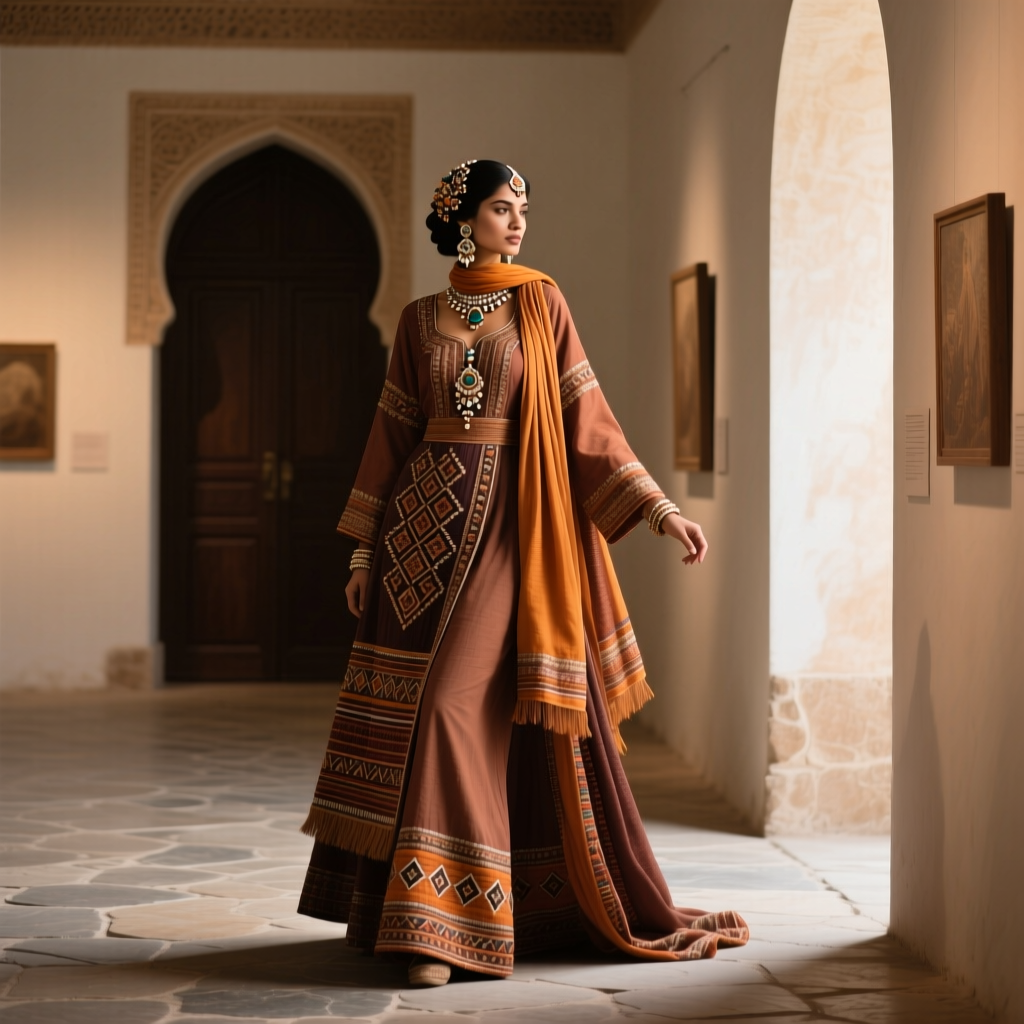
Discovering Traditional Dress Wear Near Me: A Guide to Heritage Fashion
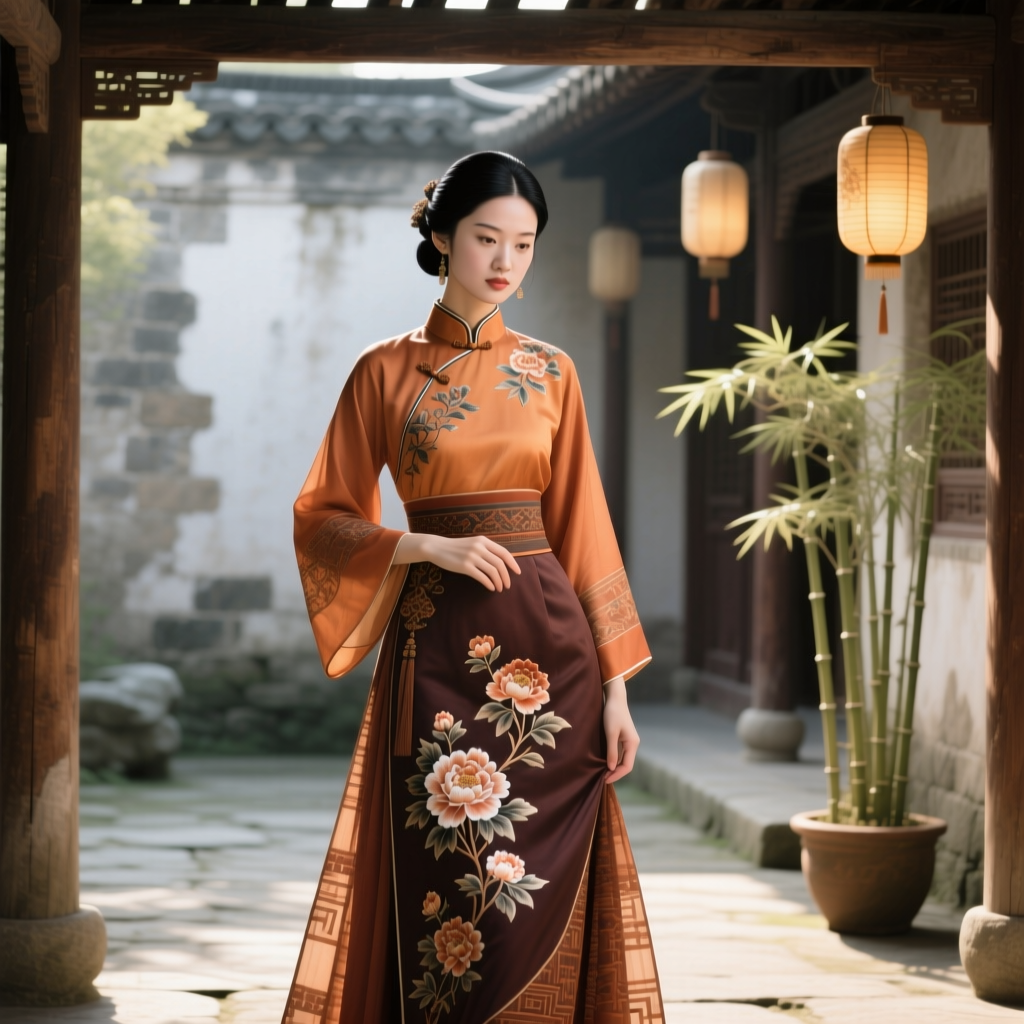
In an increasingly globalized world, the search for traditional dress wear near me represents much more than a simple shopping query; it is a profound journey toward cultural reconnection, personal identity, and sartorial storytelling. Heritage garments carry the weight of history, the mastery of ancestral craftsmanship, and the vibrant narratives of diverse communities. Whether you are seeking the intricate drape of a South Asian saree, the structured elegance of a Korean hanbok, the bold patterns of a Scottish tartan, or the rich embroidery of a Mexican huipil, finding authentic traditional wear in your local area allows you to support artisan communities while embracing a deeply personal style.
At The Garment Atlas, we believe that cultural attire should not be relegated to the back of the closet or reserved solely for annual festivals. Heritage fashion is dynamic, breathing, and entirely relevant to the contemporary wardrobe. This comprehensive guide will navigate you through the nuances of sourcing, styling, and modernizing traditional garments, ensuring that your cultural roots are woven seamlessly into your everyday elegance.
Embracing Heritage: Styling Traditional Garments for Everyday Elegance
Styling traditional dress for modern life requires a delicate balance of respecting the garment’s origins while adapting it to contemporary silhouettes. The key to mastering this aesthetic lies in understanding proportion, color theory, and the interplay of textures. When you begin integrating heritage pieces into your daily rotation, start by anchoring voluminous or heavily embellished items with minimalist, structured basics.
For instance, a heavily embroidered lehenga skirt or a flowing, pleated hakama can be paired with a crisp, tailored white button-down shirt or a fine-knit turtleneck. This technique, often explored in our fusion fashion style guides, creates a striking visual contrast that honors the traditional textile while grounding it in modern wearability. By balancing the ornate with the understated, you allow the craftsmanship of the heritage piece to take center stage without overwhelming your overall silhouette.
- Master the Drape: Many traditional garments rely on complex draping techniques rather than rigid tailoring. Taking a local workshop or consulting our draping techniques guide can help you achieve a secure, flattering fit that moves beautifully with your body.
- Play with Proportions: If your traditional top is voluminous and heavily layered, pair it with sleek, tailored trousers or a modern pencil skirt. Conversely, a fitted heritage bodice can be layered over a flowing, contemporary maxi skirt.
- Color Blocking: Traditional textiles often feature rich, saturated dyes. Use color blocking to your advantage by pairing a vibrant heritage piece with neutral tones like charcoal, camel, or ivory to let the intricate patterns shine.
The Art of Accessorizing: Elevating Cultural Attire
Accessories are the bridge between a traditional garment and a fully realized contemporary outfit. When styling cultural attire, the choice of jewelry, footwear, and bags can either push the look into the realm of costume or elevate it to high fashion. The goal is to curate accessories that complement the historical significance of the garment while reflecting your personal aesthetic.
Consider the metallurgy and gemstones native to the culture of your garment. Pairing a silk brocade jacket with handcrafted oxidized silver jewelry or uncut gemstone pieces adds an layer of authenticity and artisanal charm. For a deeper dive into the history of these adornments, our artisan jewelry heritage archive offers fascinating insights into how different cultures have historically utilized metals and stones. However, do not be afraid to mix eras; a vintage heritage necklace can look incredibly chic when paired with a sleek, modern leather handbag and minimalist footwear.
Footwear is another crucial element. Traditional embroidered slippers, such as the South Asian mojari or the Middle Eastern babouche, can be worn with tailored denim or wide-leg linen trousers for a relaxed, bohemian weekend look. Alternatively, pairing a traditional dress with modern architectural heels or sleek leather ankle boots creates a powerful, avant-garde statement that commands attention in any urban setting.
Dressing the Part: Traditional Wear for Modern Occasions
One of the most common challenges when incorporating heritage fashion into a modern wardrobe is determining occasion-appropriate styling. Traditional dress wear is incredibly versatile, provided you understand how to manipulate the styling to suit the environment. From boardroom meetings to evening galas, cultural attire can be adapted to meet the dress code while allowing you to stand out with sartorial grace.
Professional & Office Environments: In corporate settings, subtlety and structure are paramount. Opt for heritage garments that feature refined tailoring and muted color palettes. A mandarin-collar jacket woven from subtle ikat or a silk blouse with delicate, tonal embroidery can be paired with high-waisted trousers. This approach introduces cultural elements into your professional wardrobe in a manner that is sophisticated, respectful, and entirely appropriate for the workplace.
Festive & Evening Events: This is where traditional dress truly shines. Embrace the maximalism of your cultural heritage by opting for garments featuring rich zari work, intricate beadwork, or luxurious velvet. Layering is key for evening wear; consider draping a sheer, embroidered organza dupatta or a silk sash over a modern slip dress. The interplay of light on traditional metallic threads creates a mesmerizing effect under evening lighting.
Casual & Weekend Outings: For casual settings, focus on the breathability and comfort of traditional textiles. Handloom cottons, raw silks, and linens are perfect for weekend markets, brunches with friends & family, or travel. A simple, block-printed tunic paired with contemporary denim and leather sandals offers an effortless, globally-inspired look that is both comfortable and deeply stylish.
Bridging Eras: Modern Adaptations of Classic Silhouettes
The evolution of traditional dress is a testament to the resilience and adaptability of cultural heritage. Today’s designers and artisans are reimagining classic silhouettes, creating modern adaptations that cater to the fast-paced lifestyle of the contemporary wearer without sacrificing the soul of the garment. This movement, often referred to as contemporary ethnic or Indo-Western fashion, is revolutionizing how we interact with our roots.
Modern adaptations often involve altering the fundamental structure of a garment to improve ease of wear. For example, the traditional saree has been reimagined into pre-draped, ready-to-wear gowns that offer the elegance of the drape with the convenience of a zipper. Similarly, the Korean hanbok has seen a resurgence through modernized lines that shorten the skirt and simplify the bodice, making it a viable option for everyday street style. Exploring our contemporary ethnic style pages reveals how global designers are pushing these boundaries.
Furthermore, the modern adaptation of traditional dress frequently involves upcycling and sustainable fashion practices. Many style enthusiasts are taking vintage, heirloom textiles and having them re-tailored into modern silhouettes, such as corset tops, structured blazers, or wide-leg palazzo pants. This not only preserves the warp & weft of historical fabrics but also champions a sustainable approach to fashion, ensuring that the stories woven into these textiles continue to be told for generations to come.
The Sourcing Guide: How to Find Authentic Traditional Dress Wear Near You
When you type “traditional dress wear near me” into a search engine, the results can often be overwhelming or, worse, filled with mass-produced, culturally appropriated imitations. Finding authentic, ethically sourced heritage garments requires a more curated approach. Supporting local artisans, diaspora-owned boutiques, and specialized cultural enclaves ensures that your purchase directly benefits the communities that keep these traditions alive.
Explore Cultural Enclaves & Diaspora Hubs: Most major cities have specific neighborhoods or districts that serve as hubs for diverse cultural communities. These areas are treasure troves for authentic traditional wear. Walk through these neighborhoods, visit the local fabric markets, and engage with the shop owners. Building a relationship with local merchants often leads to bespoke tailoring opportunities and access to exclusive, hand-woven textiles that are not available online.
Attend Cultural Festivals & Pop-Up Markets: Cultural festivals, heritage months, and artisan pop-up markets are excellent venues for discovering independent designers and traditional weavers. These events often feature artisans who have traveled from their home countries or local craftspeople who are dedicated to preserving ancestral techniques. It is an opportunity to see the garments up close, feel the weight of the textiles, and ask questions about the provenance of the materials.
- Verify Textile Authenticity: Learn to identify the hallmarks of genuine handloom and hand-embroidered textiles. Our guide to identifying authentic textiles provides essential tips on recognizing natural dyes, hand-spun yarns, and traditional weaving markers.
- Seek Out Ethical Boutiques: Look for local boutiques that explicitly state their commitment to fair trade, artisan partnerships, and sustainable sourcing. These retailers act as vital bridges between rural artisan cooperatives and the global consumer.
- Consult Local Tailors: Sometimes, the best way to acquire traditional dress wear is to buy the raw, authentic fabric locally and work with a skilled tailor who specializes in heritage patterns and draping techniques to create a custom piece.
Frequently Asked Questions
How do I ensure the traditional garments I buy are authentic?
Authenticity in traditional dress wear is rooted in the materials, the construction methods, and the provenance of the piece. Look for hallmarks of handcraftsmanship, such as slight irregularities in weaving or embroidery, which indicate that the piece was made by human hands rather than a machine. Additionally, research the specific textile traditions of the culture you are exploring. Genuine artisans and reputable boutique owners will be able to provide detailed information about the region the textile comes from, the specific loom used, and the natural dyes involved in the coloring process.
Can I mix traditional dress with contemporary Western clothing?
Absolutely. In fact, mixing traditional garments with contemporary Western clothing is one of the most effective ways to integrate heritage fashion into a modern wardrobe. This styling technique, known as fusion or cross-cultural styling, allows you to highlight the beauty of a traditional piece by contrasting it with familiar silhouettes. For example, pairing a heavily embroidered ethnic jacket with a simple white t-shirt and tailored denim creates a balanced, stylish look that is appropriate for a variety of casual and semi-formal settings.
What is the best way to care for delicate heritage fabrics?
Heritage fabrics, such as raw silk, handloom cotton, brocade, and delicate muslins, require specialized care to maintain their structural integrity and vibrancy. Avoid harsh chemical detergents and machine washing, which can destroy natural fibers and cause metallic threads to tarnish. Instead, opt for professional dry cleaning with a specialist who understands delicate textiles, or gently hand wash using pH-neutral soap. For a comprehensive breakdown of fabric-specific care, refer to our expert fabric care guide. Always store your traditional garments in breathable cotton bags, away from direct sunlight, to prevent fading and moisture damage.
Where can I find tailors who specialize in altering traditional wear?
Finding a tailor skilled in traditional garment alteration can be challenging, as heritage wear often requires specialized knowledge of drape, seam placement, and delicate embellishments. Your best resource is to ask for recommendations within local cultural community centers, diaspora social media groups, or at the very boutiques where you purchase your garments. Many established traditional clothing stores have in-house master tailors or trusted local partners who understand the intricate architecture of cultural attire and can alter pieces without compromising their historical integrity.