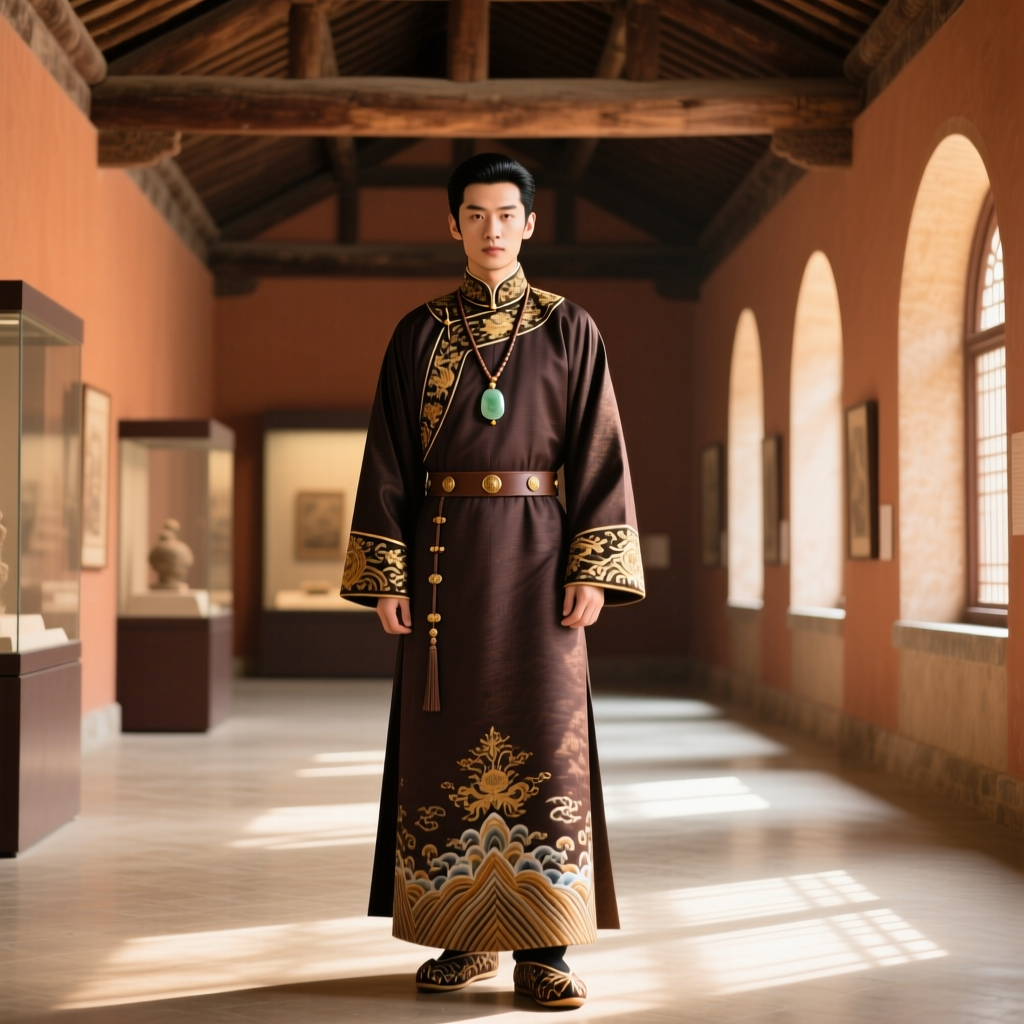
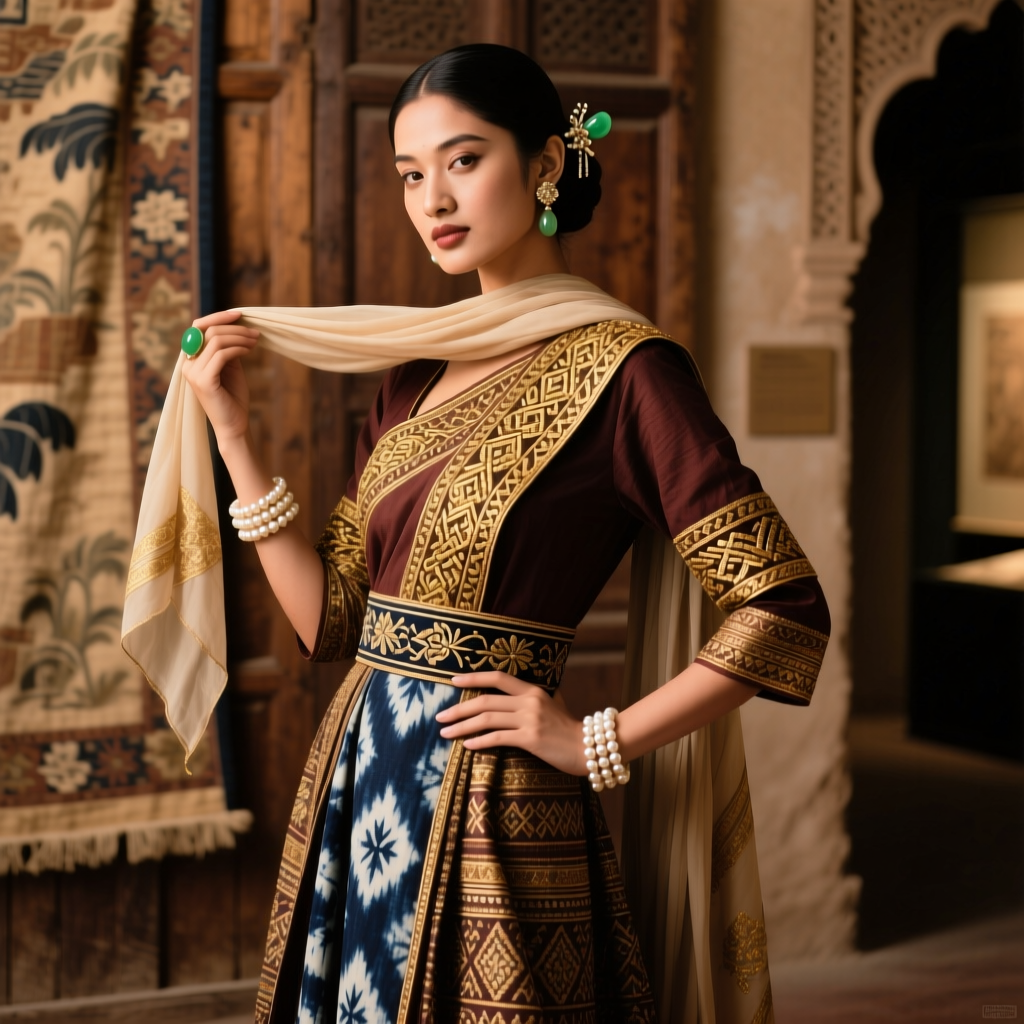
The Art of Fusion: Mixing Traditional Garments with Modern Style
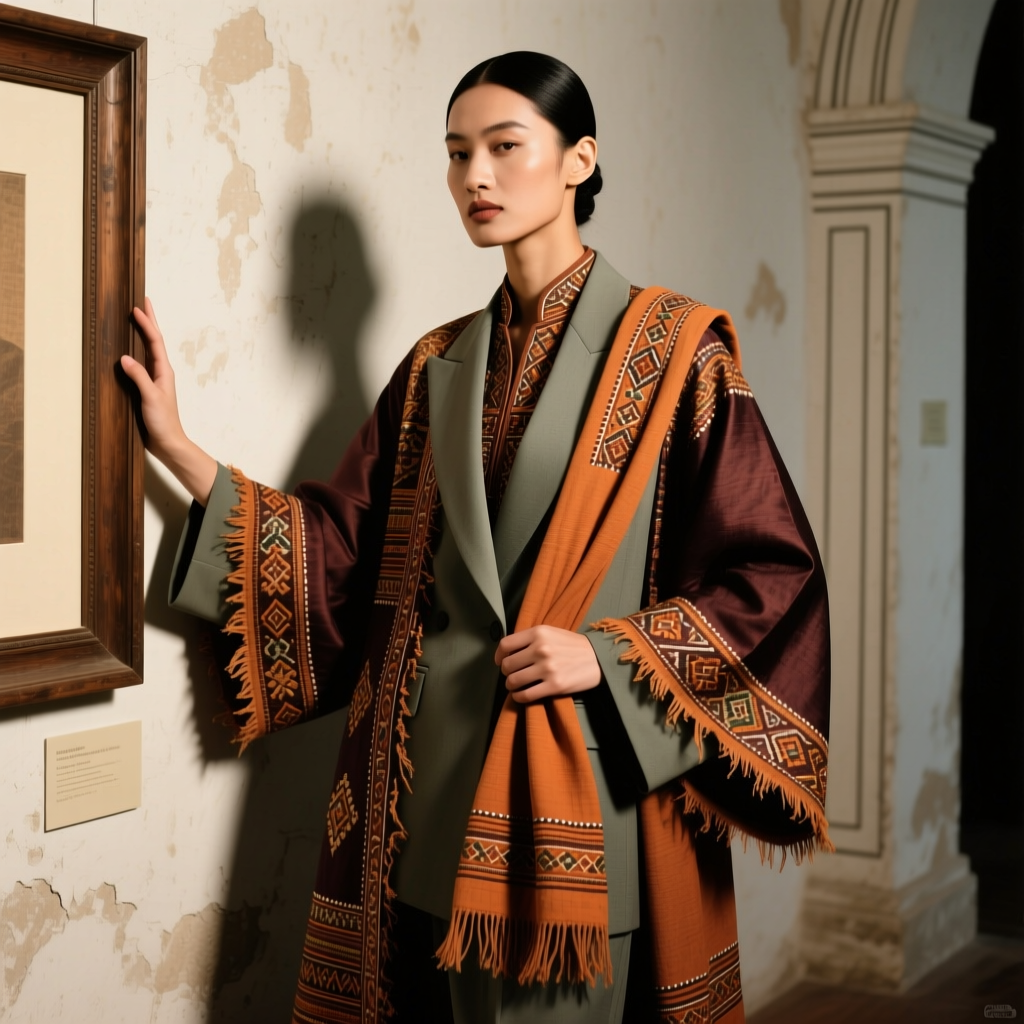
Fashion is inherently evolutionary, yet the most captivating wardrobes do not merely follow fleeting trends. Instead, they curate a deeply personal narrative that bridges generations and geographies. Mixing traditional garments with modern silhouettes is more than a styling technique—it is a profound celebration of cultural heritage, artisan craftsmanship, and contemporary self-expression. When you pair a centuries-old textile with a sharply tailored modern piece, you create a visual tension that is both respectful and revolutionary. This approach to dressing allows you to honor the intricate history of global garments while maintaining a fresh, relevant aesthetic. Whether you are integrating a vintage piece passed down through your family or a newly acquired artisan-crafted textile, this guide explores the art of sartorial fusion, offering practical advice on how to seamlessly integrate heritage pieces into your everyday rotation.
The Foundation: Anchoring Heritage Pieces in Contemporary Wardrobes
The key to successful fusion lies in contrast, proportion, and intentional styling. If you are working with a voluminous or heavily embellished traditional garment, the most effective strategy is to anchor it with sleek, modern basics. This prevents the outfit from looking like a costume and instead frames the heritage piece as a work of art. For instance, the traditional Japanese kimono features a striking, T-shaped silhouette that can easily overwhelm a modern frame if worn strictly by the book. However, when styled as a duster coat over a minimalist silk slip dress or a crisp white t-shirt and straight-leg denim, the kimono transforms into a breathtaking statement layer.
Proportion is your greatest ally when blending eras. If your traditional piece is flowy and unstructured, such as a hand-loomed tunic or a draped saree blouse, balance it with highly structured modern tailoring. Think wide-leg wool trousers, a sharp blazer, or a tailored midi skirt. Conversely, if your heritage item is rigid or heavily structured, soften it with fluid, contemporary fabrics like cashmere knits or relaxed linen. This push-and-pull between the structured and the fluid, the ancient and the new, creates a dynamic visual interest that defines modern eclectic style. By treating traditional garments as foundational elements of a capsule wardrobe, you ensure they are worn regularly and appreciated daily, rather than being relegated to the back of a closet.
Accessorizing the Eras: Blending Old-World Charm with Modern Minimalism
Accessories serve as the vital connective tissue between traditional garments and modern aesthetics. The footwear you choose can entirely dictate the vibe of your outfit. Pairing delicate, hand-embroidered heritage textiles with chunky, modern combat boots or sleek, minimalist white sneakers immediately grounds the look in the present day. This juxtaposition is particularly effective with intricate South Asian textiles, where the heavy embroidery of a vintage lehenga skirt is playfully offset by the casual, utilitarian nature of modern streetwear footwear.
When it comes to jewelry, avoid the trap of matching your accessories too perfectly to the era of your garment. If you are wearing a piece featuring traditional beadwork or antique silver, contrast it with modern, geometric gold jewelry or sculptural, contemporary resin pieces. Mixing metals and eras in jewelry adds a layer of curated eccentricity to your look. Furthermore, consider your bags and leather goods. A highly structured, modern leather tote or a sleek crossbody bag provides a clean, architectural counterpart to the organic, sometimes bohemian drape of traditional woven fabrics. This careful curation of accessories ensures that your homage to cultural heritage feels intentional, sophisticated, and thoroughly modern.
Occasion Dressing: Navigating Formal, Casual, and Professional Spaces
One of the most common hurdles in mixing traditional and modern clothing is determining where and when to wear these fusion ensembles. The truth is, with the right styling, heritage pieces can transition seamlessly across any dress code. For the corporate or professional environment, subtlety is paramount. Instead of wearing a full traditional garment, incorporate heritage textiles through tailored adaptations. A modern blazer lined with vibrant, hand-woven silk, or a crisp button-down shirt featuring subtle, traditional embroidery along the cuffs and collar, allows you to express your cultural identity while adhering to professional sartorial standards.
For evening wear and formal occasions, fusion styling truly shines. A floor-length skirt crafted from rich, traditional brocade or West African Kente cloth paired with a modern, architectural crop top or a simple silk camisole creates a show-stopping silhouette that respects the formality of the event while showcasing incredible craftsmanship. In casual, weekend settings, the rules are far more relaxed. Drape a traditional woven scarf over a classic denim jacket, or wear heritage-inspired linen trousers with a simple ribbed tank top. The goal is to let the traditional piece dictate the level of formality, using modern staples to either elevate or relax the overall ensemble depending on your destination.
Modern Adaptations: Reimagining Silhouettes and Textiles
Sometimes, the most effective way to blend traditional and modern fashion is to physically adapt the garment itself. Tailoring is a powerful tool for bridging the gap between historical silhouettes and contemporary bodies. If you possess a vintage garment that feels dated or ill-fitting, consult a skilled tailor to reimagine its shape. Taking a traditional, boxy tunic and adding a modern belt loop, or hemming a heavy, floor-length heritage skirt into a chic, knee-length A-line silhouette, can completely revitalize the piece. This practice not only honors the original textile but also ensures the garment aligns with your current lifestyle and personal style.
Textile mixing is another hallmark of modern adaptation. Designers and stylists frequently pair the rustic, tactile nature of heritage weaves with ultra-modern, high-tech fabrics. Imagine a jacket that combines traditional Andean weaving techniques with modern, water-resistant nylon panels. Even on a consumer level, you can achieve this by layering delicate, antique lace over modern neoprene, or pairing heavy, hand-loomed wool with sleek, modern vegan leather. These material contrasts highlight the unique properties of both the ancient and the contemporary, proving that traditional craftsmanship has a permanent, evolving place in the future of fashion.
The Conscious Buying Guide: Sourcing Authentic Traditional Garments
As the fusion of traditional and modern fashion grows in popularity, the market has become saturated with mass-produced, culturally appropriated knockoffs. To truly honor the art of fusion, it is vital to source authentic, ethically made garments. When shopping for traditional pieces, look for transparency regarding the garment's origin, the artisans who made it, and the materials used. Authentic heritage garments are often characterized by slight, beautiful imperfections that reveal the human hand behind the loom or the needle.
Seek out cooperatives, fair-trade organizations, and direct-to-artisan platforms that ensure the creators are fairly compensated for their time and cultural knowledge. When investing in pieces like hand-dyed indigo textiles, block-printed cottons, or hand-embroidered silks, ask questions about the techniques used. Understanding the difference between a machine-printed imitation and a hand-carved block print will not only deepen your appreciation for the garment but also guide you toward purchases that support the survival of ancient crafts. Building a relationship with ethical sellers ensures that your wardrobe fusion is rooted in respect, sustainability, and genuine cultural exchange.
Frequently Asked Questions
How do I avoid cultural appropriation when mixing traditional and modern clothing?
The line between appreciation and appropriation lies in respect, understanding, and sourcing. To avoid appropriation, take the time to learn about the cultural significance of the garment you are wearing. Avoid wearing items that hold specific religious, ceremonial, or closed-community significance unless you are explicitly invited to do so. Furthermore, always strive to purchase directly from artisans or brands owned by members of that culture, ensuring your financial support goes back to the community that originated the design, rather than to fast-fashion corporations that exploit it.
What are the best traditional garments for beginners to style?
For those new to fusion styling, start with versatile, unstructured pieces that can easily mimic modern silhouettes. Traditional silk scarves, hand-woven ponchos, and embroidered tunics are excellent entry points. A beautifully crafted kimono-style jacket or a lightweight, block-printed duster can be thrown over a basic t-shirt and jeans outfit with zero effort, instantly elevating a simple look with a layer of global heritage and artisan craftsmanship.
Can I wear traditional textiles in a corporate or professional setting?
Absolutely. The key to wearing traditional textiles in a corporate environment is through subtle integration and impeccable tailoring. Opt for heritage fabrics that have been cut into modern, professional silhouettes, such as a tailored blazer, a structured pencil skirt, or a crisp button-down shirt. Alternatively, use traditional accessories—like a hand-woven silk tie, a heritage-print pocket square, or an artisan-crafted leather belt—to introduce cultural elements into a standard business wardrobe without compromising professional decorum.
How should I care for delicate vintage or heritage fabrics?
Heritage textiles often utilize natural dyes and delicate, hand-spun fibers that require specialized care. Always avoid harsh chemical detergents and high-heat machine drying. For delicate silks, wools, and heavily embroidered pieces, dry cleaning by a specialist who understands vintage and artisan textiles is highly recommended. For sturdier hand-loomed cottons, hand washing in cold water with a mild, pH-neutral soap and laying the garment flat to dry in the shade will preserve the integrity of the fibers and prevent natural dyes from fading. Always refer to specialized fabric care guides before attempting to clean a valuable heritage piece.
Where can I find authentic, ethically sourced traditional garments?
Authentic garments can be found through dedicated fair-trade organizations, artisan cooperatives, and specialized boutique platforms that prioritize cultural preservation. Look for certifications like Fair Trade or the World Fair Trade Organization (WFTO) label. Additionally, traveling to regional markets, visiting museum gift shops that partner with indigenous artisans, or seeking out contemporary designers who explicitly collaborate with and credit traditional weaving communities are excellent ways to build an ethical, globally inspired wardrobe.