What Is Traditional Dress for Women? A Global Style & Heritage Guide
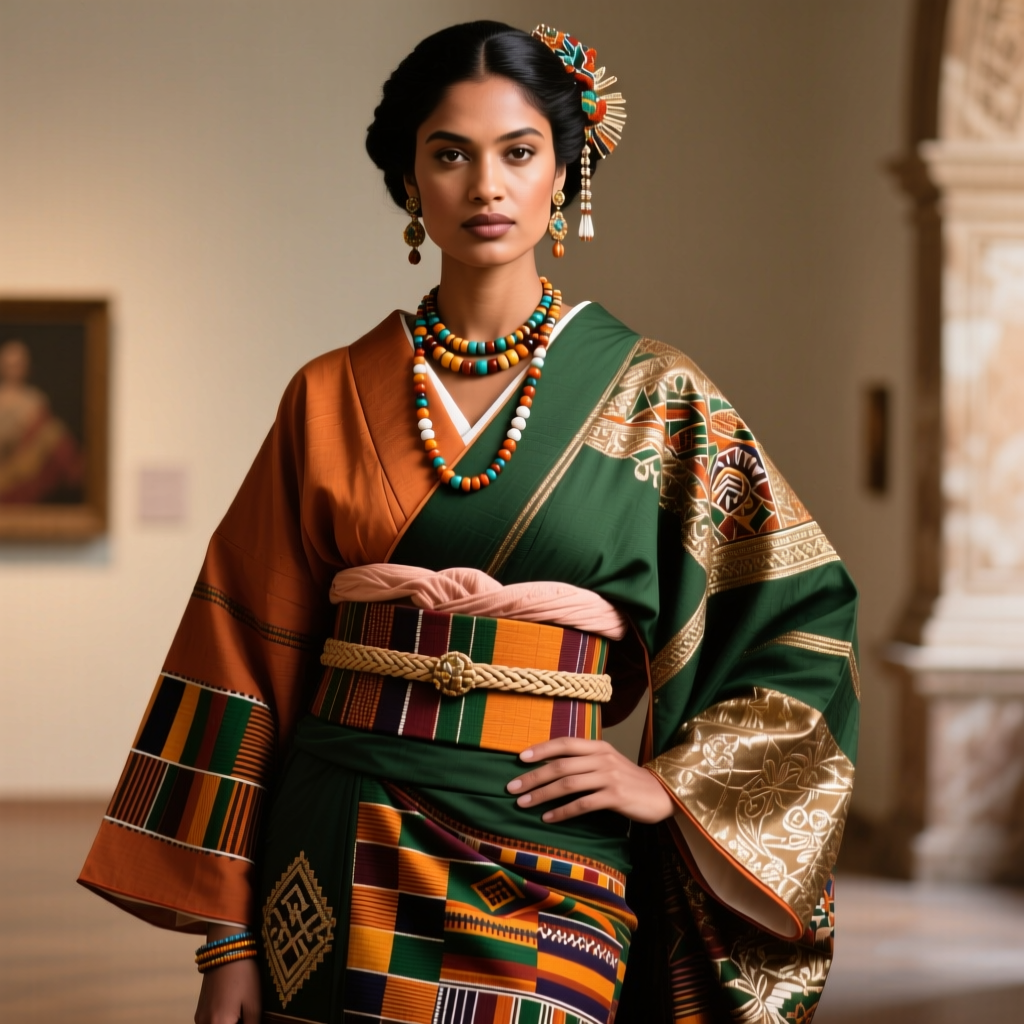
Clothing is the most intimate form of architecture we inhabit, and when it comes to heritage garments, every stitch tells a story. When we ask, "what is traditional dress for women," we are not merely inquiring about fabric and thread. We are unearthing centuries of matrilineal knowledge, regional geography, and spiritual symbolism. From the intricate brocade of a West African Kente cloth to the flowing, gravity-defying drapes of a South Asian sari, traditional womenswear serves as a visual language that communicates identity, status, and community belonging.
In our rapidly globalizing world, the appeal of traditional garments has only grown stronger. Women around the globe are reclaiming their sartorial heritage, finding ways to weave the craftsmanship of the past into the wardrobes of the present. Whether you are looking to connect with your own ancestry or simply wish to appreciate the breathtaking artistry of global textiles, understanding how to style, source, and respect traditional dress is a rewarding journey. In this comprehensive guide, we will explore the defining elements of heritage womenswear, practical styling tips for the modern era, and how to ethically source authentic pieces for your own collection.
Defining Traditional Dress: More Than Just Clothing
Traditional dress encompasses garments, accessories, and jewelry that are rooted in the history and culture of a specific region or ethnic group. Unlike fast fashion, which is driven by fleeting micro-trends, traditional clothing is defined by its continuity. The silhouettes, motifs, and textile techniques are passed down through generations, often serving as markers of significant life events, marital status, or regional pride.
For example, the Mesoamerican weaving techniques used to create the Huipil in Guatemala and Mexico are not just methods of garment construction; they are sacred practices where the warp and weft represent the cosmos and the passage of time. Similarly, the vibrant colors and specific folds of a sari can denote a woman's home state, her community, and the specific festival she is attending. To understand traditional dress is to understand the global textile traditions that have shaped human history, recognizing that these garments are living artifacts of cultural resilience.
Styling Traditional Garments for the Modern Wardrobe
One of the most common challenges fashion enthusiasts face is figuring out how to integrate highly ornate, historically significant pieces into a contemporary, everyday wardrobe. The secret to styling traditional dress for women in a modern context lies in the art of balancing proportions and mixing eras.
1. The Rule of Contrast: If you are wearing a heavily embroidered, voluminous traditional skirt—such as a Mexican Chiapas skirt or a European Dirndl skirt—pair it with a minimalist, modern top. A crisp white button-down shirt, a fitted cashmere turtleneck, or a simple silk camisole allows the intricate needlework of the heritage piece to take center stage without overwhelming the eye.
2. Reimagining Silhouettes: Many traditional garments were designed for specific historical contexts and climates. You can update these silhouettes through strategic layering. For instance, explore various sari draping styles that allow for greater mobility, or wear a traditional silk dupatta as a dramatic scarf over a tailored Western blazer. Similarly, studying hanbok silhouettes reveals how the high-waisted, A-line Chima skirt can be beautifully paired with a modern cropped sweater for a chic, fusion look.
3. Color Blocking with Heritage Textiles: Traditional garments often feature bold, naturally dyed color palettes. Use modern color-blocking techniques to ground these vibrant hues. Pair a brightly colored Andean woven manta with neutral tones like charcoal, camel, or navy to create a sophisticated, museum-worthy ensemble that feels entirely intentional.
Essential Accessories to Complement Heritage Pieces
Accessories are the punctuation marks of any outfit, and when styling traditional dress, the right accessories can bridge the gap between historical costume and contemporary high fashion. However, it is crucial to choose pieces that honor the garment rather than compete with it.
Artisan Metalwork & Jewelry: Many traditional outfits are designed to be worn with specific regional jewelry. Exploring artisan jewelry traditions can help you find the perfect accompaniment. Heavy Berber silver necklaces, intricate Indian Jadau earrings, or delicate Scandinavian filigree brooches can elevate a simple outfit or complete a full traditional ensemble. When wearing statement heritage jewelry, keep the rest of your accessories minimal.
Footwear: The wrong shoes can instantly relegate a beautiful traditional garment to the realm of costume. Avoid theatrical or overly literal footwear. Instead, opt for high-quality, modern leather goods. A sleek pair of leather ankle boots, minimalist loafers, or strappy block heels provide a grounded, modern foundation that contrasts beautifully with flowing, hand-loomed fabrics.
Headpieces & Scarves: In many cultures, head coverings are an integral part of traditional womenswear. Silk scarves, embroidered turbans, or woven headwraps can be adapted into modern hair accessories, tied around the handle of a structured leather handbag, or worn as neckerchiefs to add a subtle nod to heritage styling.
Occasions for Wearing Traditional Womenswear
Understanding the appropriate context for wearing traditional dress is vital for showing respect to the culture from which it originates. While some garments are strictly reserved for sacred ceremonies, others are highly versatile.
Ceremonial & Festive Wear: Garments featuring heavy metallic thread work, rare silks, or specific sacred motifs are usually reserved for weddings, religious festivals, and rites of passage. These pieces should be worn with reverence and saved for occasions that match their grandeur and formality.
Everyday & Casual Adaptations: Many traditional textiles are incredibly durable and designed for daily labor and life. Hand-block printed cotton kurtas, simple linen shifts, or woven wrap skirts are perfect for everyday wear, travel, and casual gatherings. These pieces offer breathability, comfort, and a unique artisanal touch that mass-produced clothing simply cannot replicate.
Professional Environments: Incorporating traditional dress into a corporate wardrobe requires a subtle approach. A tailored jacket made from traditional Ikat or Kente fabric, or a modest, elegantly draped tunic worn over wide-leg trousers, allows you to express your cultural pride while maintaining a polished, professional aesthetic.
Modern Adaptations: Fusion Fashion & Contemporary Silhouettes
The evolution of traditional dress is a testament to the dynamic nature of culture. Today, a new wave of designers and everyday style enthusiasts are pioneering fusion fashion, blending the ancestral techniques of the past with the functional demands of the present. If you are fascinated by this intersection, our fusion fashion guide offers a deep dive into this global movement.
Modern adaptations often involve altering the cut of a traditional garment to suit contemporary lifestyles. For example, the traditional Japanese kimono has been reimagined into wrap dresses, duster coats, and even tailored jumpsuits, preserving the iconic T-shape and obi belt while introducing modern mobility. Similarly, the South Asian Lehenga has been adapted into lehenga-sarees and pre-stitched skirts that allow women to navigate busy urban environments without sacrificing the opulence of traditional bridal wear.
Textile innovation also plays a massive role in modern adaptations. Artisans are now applying centuries-old embroidery and dyeing techniques to modern fabrics like organic denim, technical outerwear, and sustainable jersey knits. This ensures that the heritage techniques survive by remaining relevant to the modern consumer's daily needs.
Buying Guide: Sourcing Authentic Traditional Garments
As the appreciation for traditional dress grows, so does the market for cheap, mass-produced imitations. Sourcing authentic garments requires a discerning eye and a commitment to ethical consumption. To ensure your purchase supports the communities that created these art forms, consult our ethical sourcing guide and keep the following principles in mind:
- Material Integrity: Authentic traditional garments are almost exclusively made from natural fibers such as silk, cotton, wool, and linen. Feel the fabric; natural fibers breathe and possess a unique, slightly irregular texture that synthetic polyester cannot mimic.
- Dyeing Techniques: Look for garments dyed with natural, plant-based, or mineral dyes. These dyes age beautifully, developing a rich patina over time, whereas harsh chemical dyes will fade unevenly and pollute local waterways.
- Artisan Transparency: Reputable sellers will provide information about the artisans, the specific village or region where the garment was made, and the techniques used. Avoid vendors who cannot verify the origin of their textiles.
- Fair Compensation: Ensure you are buying from cooperatives, fair-trade organizations, or direct-from-artisan platforms. True heritage craftsmanship takes weeks, if not months, to complete. If a heavily embroidered, hand-loomed garment is priced suspiciously low, it is likely the result of exploitative labor practices or machine-made replication.
Frequently Asked Questions
What is the difference between traditional dress and national costume?
While the terms are often used interchangeably, there is a nuanced difference. "National costume" is usually a standardized, often romanticized version of clothing that represents an entire country, frequently popularized during the 19th-century nationalist movements. "Traditional dress," on the other hand, is much more localized and specific. It varies deeply from village to village, reflecting the micro-climates, local resources, and specific indigenous or regional identities of the people who wear it.
Can I wear traditional clothing if it is not from my culture?
This question sits at the heart of the ongoing dialogue regarding cultural appreciation and appropriation. Generally, wearing traditional garments is welcomed when done with respect, proper context, and an understanding of the garment's significance. It is highly encouraged to purchase directly from artisans of that culture, ensuring your money supports the community. However, you should avoid wearing sacred, ceremonial, or marital garments if you are not part of that community, and never wear traditional dress as a "costume" or a joke.
How do I care for delicate heritage textiles?
Traditional garments often feature delicate hand-embroidery, natural dyes, and fragile antique fabrics. Avoid machine washing and harsh chemical detergents, which can strip natural dyes and shrink hand-woven fibers. Instead, opt for gentle hand-washing in cold water with a pH-neutral soap, or seek out a dry cleaner who specializes in antique and heritage textiles. Always store heavy, embroidered garments flat or rolled in acid-free tissue paper to prevent the threads from pulling and tearing the base fabric under their own weight.
Where can I buy authentic traditional garments online?
The best places to buy authentic traditional garments online are platforms that partner directly with artisan cooperatives, fair-trade certification bodies, and specialized textile galleries. Look for online boutiques that provide detailed narratives about the makers, the history of the textile technique, and transparent pricing structures. Avoid massive fast-fashion marketplaces that frequently appropriate indigenous patterns without credit or compensation to the original creators.