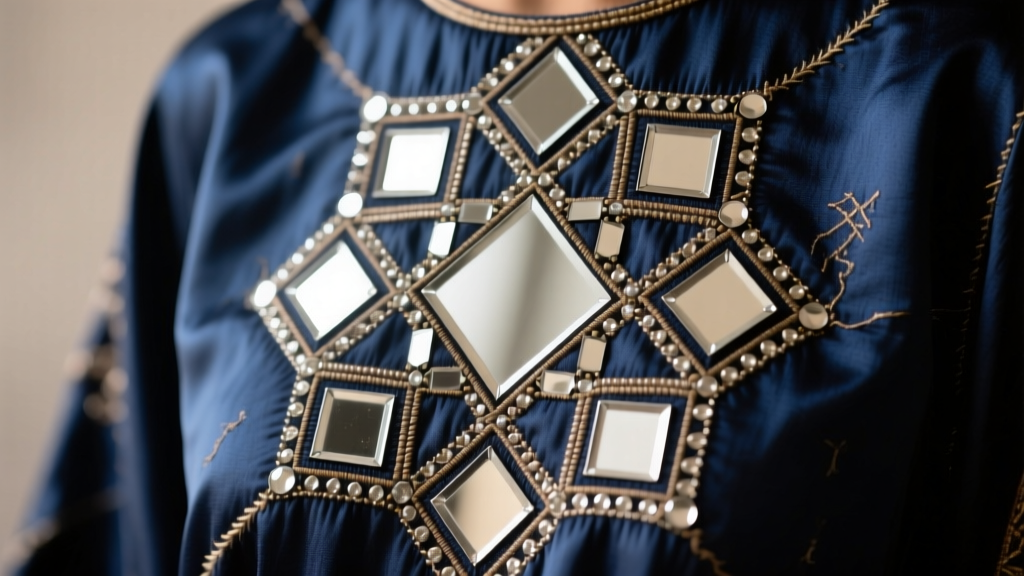
Tajik Chakan Embroidery Patterns
The Colors of Central Asia
Chakan is the traditional embroidery of Tajikistan — vivid silk thread stitched onto white or colored cotton to create elaborate designs rich with symbolism. The word "chakan" refers to the specific cotton fabric used as the base, but it has come to describe the entire embroidery tradition. Chakan work adorns clothing, wall hangings, tablecloths, and ceremonial textiles.
Regional Traditions
Tajik embroidery varies by region, with distinctive styles from:
- Dushanbe and central Tajikistan — dense floral patterns with red and green dominant
- Khujand (northern) — lighter, more open designs with gold thread accents
- Kulob and southern regions — bold geometric patterns with black backgrounds
- Badakhshan (eastern) — simpler designs incorporating Pamiri symbols
Motifs and Meaning
Chakan designs draw from the natural world and cosmological beliefs:
- Pomegranate — fertility and abundance
- Pepper — protection from evil eye
- Crescent moon and stars — cosmic harmony
- Tulip (lola) — spring renewal and beauty
- Tree of life — connection between earthly and spiritual realms
Contemporary Practice
Chakan embroidery remains central to Tajik celebrations. Brides receive embroidered suzani (large wall hangings) as part of their dowry. The Tajik government promotes chakan as a national symbol, and artisan cooperatives produce embroidered goods for both domestic use and export. In 2018, Tajik chakan was inscribed on UNESCO's Intangible Cultural Heritage list.