Iranian Termeh Weaving: Yazd Textile Heritage

Understanding Termeh
Termeh is a luxurious handwoven textile from Iran, particularly associated with the city of Yazd. This precious fabric has been produced for centuries using silk and wool, featuring intricate paisley (boteh) patterns that influenced textile design worldwide.
The City of Yazd: Center of Termeh Production
Yazd, a UNESCO World Heritage city in central Iran, has been the heart of termeh production since the Safavid era. The city's dry climate and skilled artisan community created ideal conditions for this delicate weaving tradition.
Weaving Techniques
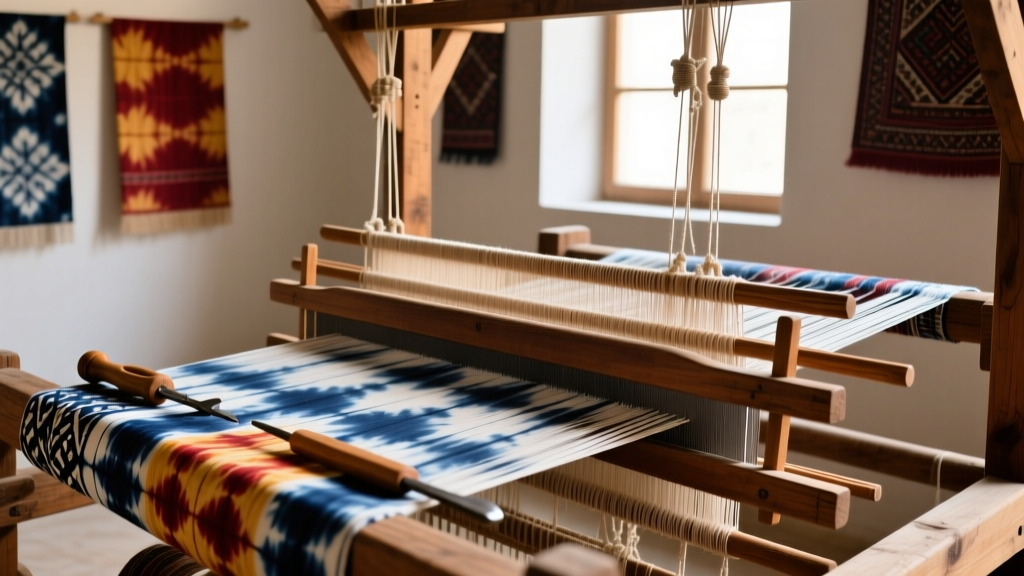
Termeh is woven on traditional drawlooms using a technique similar to European jacquard weaving. The weaver works with hundreds of warp threads, creating complex patterns through precise color sequencing. A single piece can take weeks to complete.
Traditional Patterns
- Boteh Jegheh: The iconic paisley motif, representing the cypress tree — a Zoroastrian symbol of eternal life.
- Shah Abbasi: Elaborate floral medallions named after the Safavid king who patronized the arts.
- Moharramat: Stripe patterns combining geometric and floral elements.
Modern Applications
Today, termeh is used in luxury fashion accessories, home décor, and ceremonial items. Contemporary designers blend traditional patterns with modern silhouettes, keeping the craft alive while expanding its market reach.