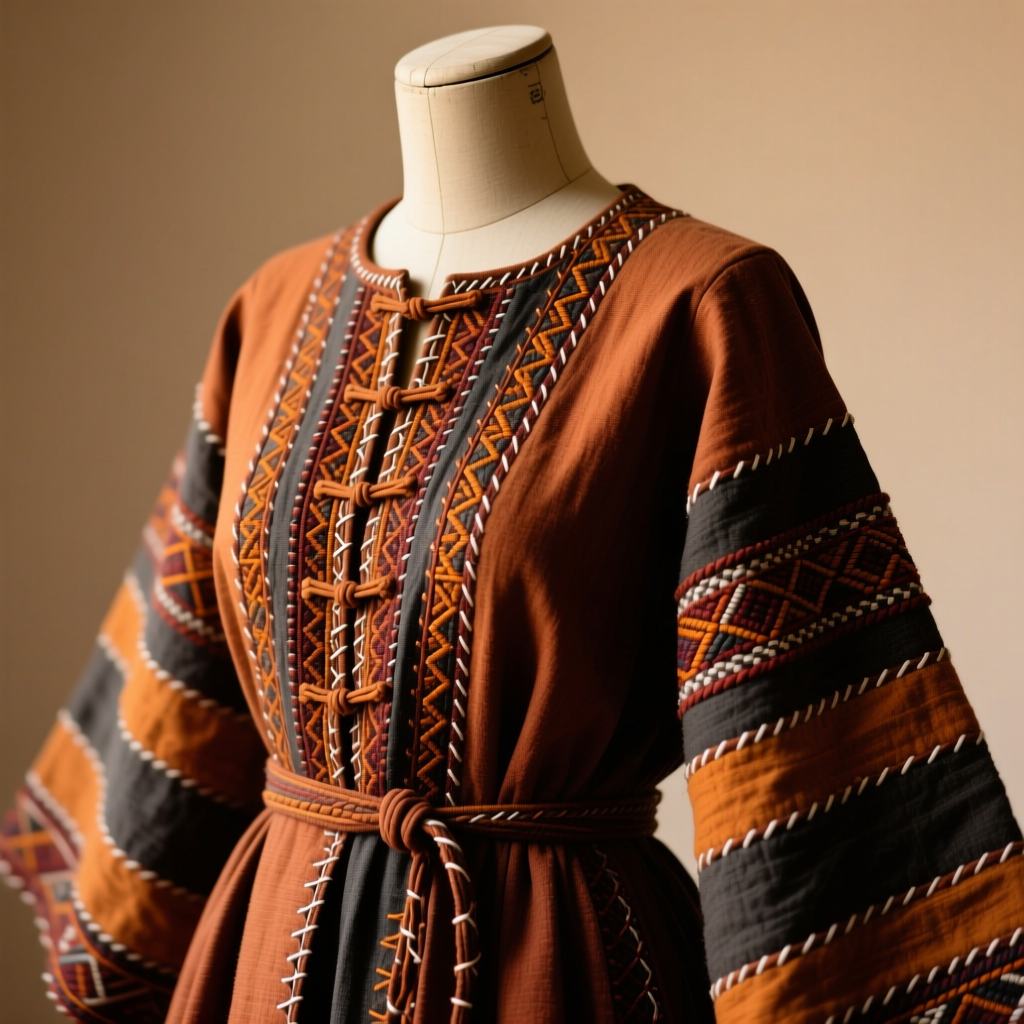
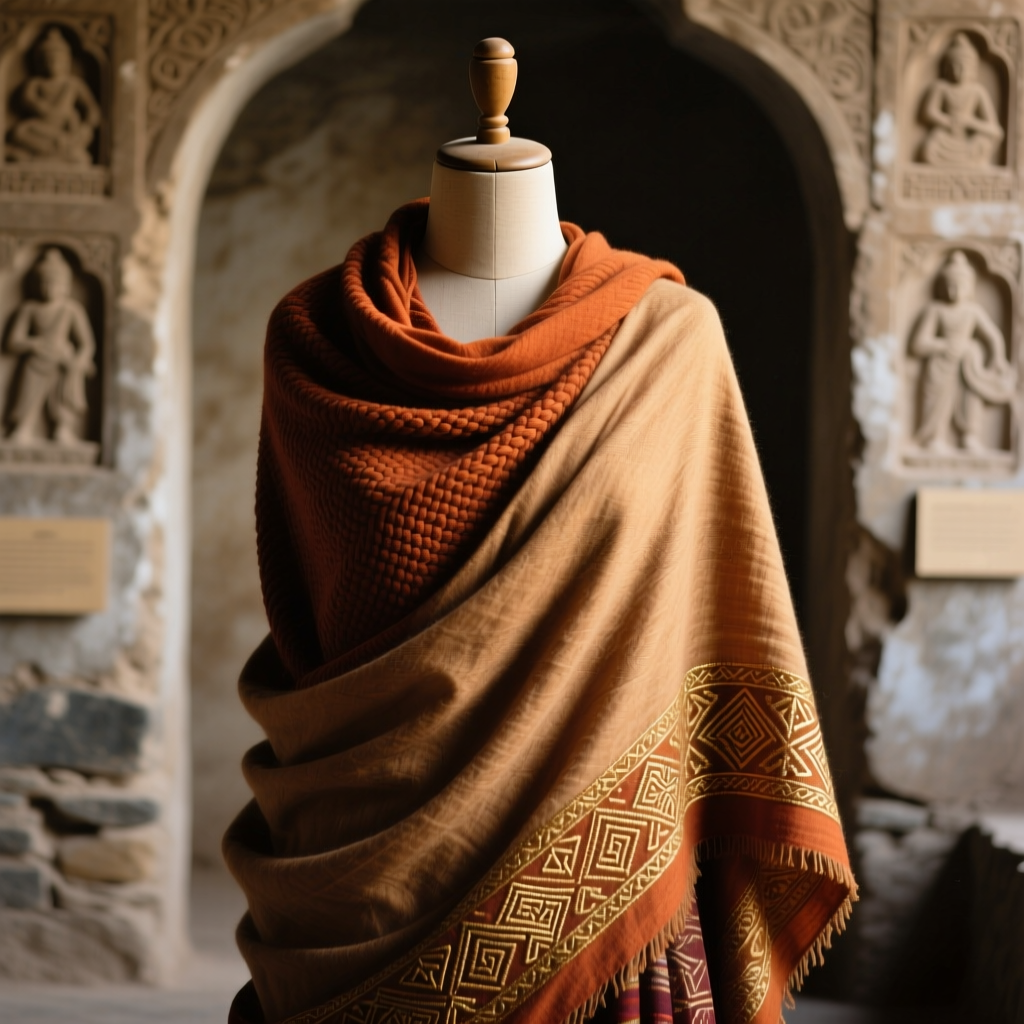
Scottish Highland Plaid Weaving & Clan Heritage: A Cultural Legacy
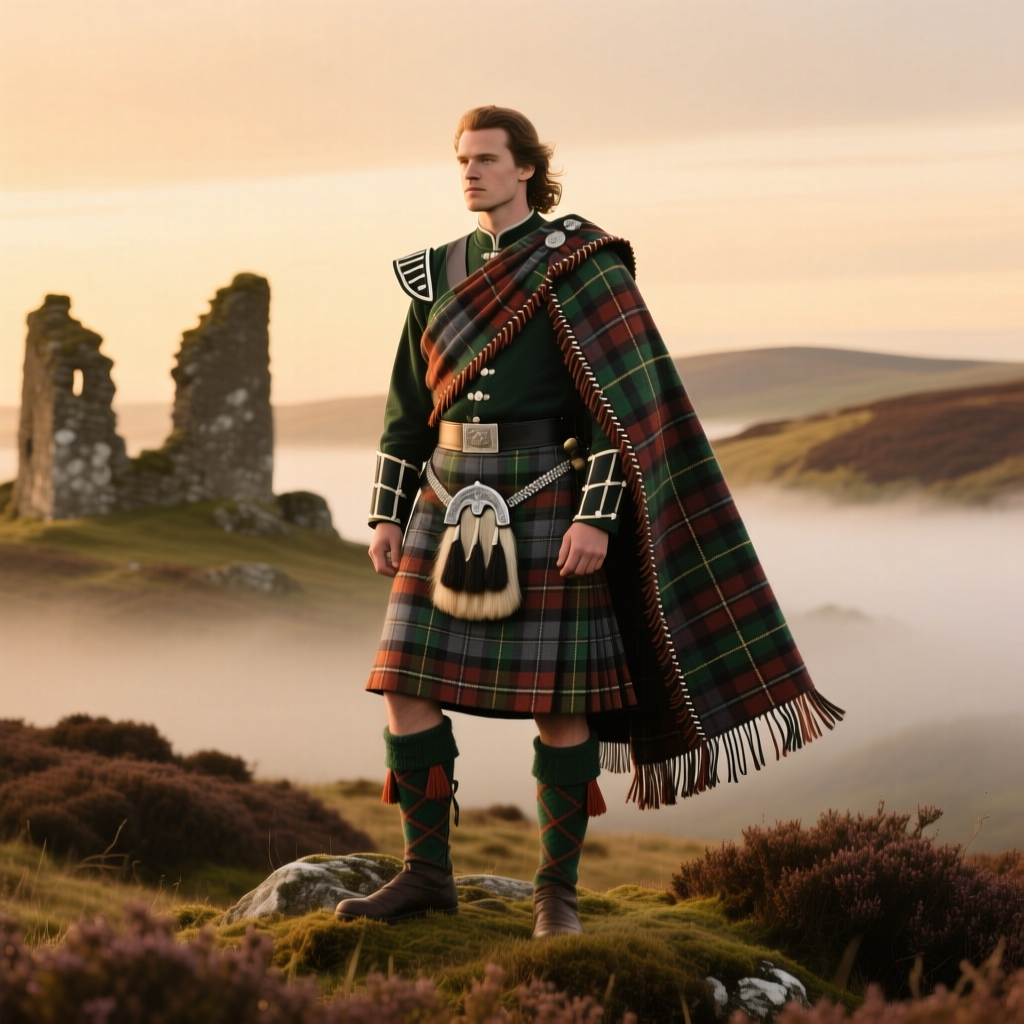
Scottish Highland Plaid Weaving & Clan Heritage: A Cultural Legacy Woven in Wool
The mist-laden glens of the Scottish Highlands have long been home to one of the most enduring textile traditions in human history. Highland plaid weaving is not merely a craft — it is a living language of identity, loyalty, and artistry that has survived centuries of political upheaval, cultural suppression, and industrial transformation. Each thread carries the weight of clan allegiance, and every pattern tells a story that stretches back through generations of weavers who transformed raw wool into garments of profound cultural significance.
To understand Scottish Highland plaid is to understand the soul of a people who wove their very identity into the fabric they wore. The interplay of color and pattern in tartan cloth served as a visual code — a way to declare kinship, territory, and social standing without uttering a single word. Today, this extraordinary heritage continues to captivate historians, fashion designers, textile artists, and cultural enthusiasts around the world.
In this comprehensive exploration of Scottish Highland plaid weaving and clan heritage, we trace the origins of this remarkable tradition, examine the craftsmanship behind authentic tartan production, survey the rich regional variations across Scotland, and consider how modern preservation efforts are keeping this ancient art alive for future generations. For those interested in the broader world of heritage textiles, our heritage textile collection offers additional insights into traditional garment-making practices around the globe.
The Historical Roots of Highland Plaid & Clan Identity
The story of Scottish Highland plaid begins long before the word "tartan" entered common usage. Archaeological evidence suggests that the Celtic peoples of northern Britain were weaving patterned woolen cloth as early as the third century CE. The Falkirk tartan, discovered stuffed into a pot of Roman coins and dating to approximately the third century, represents one of the earliest known examples of patterned weaving in Scotland. Its simple check pattern of light and dark wool reveals a textile tradition already well established by the time of Roman occupation.
The word "plaid" itself derives from the Scottish Gaelic plaide, meaning blanket or wrap. In its original Highland context, a plaid referred not to a pattern but to a garment — specifically, the great plaid or féileadh mòr, a massive length of tartan cloth that could be wrapped around the body in numerous configurations. This versatile garment served as clothing, bedding, shelter, and even a battlefield banner. The great plaid typically measured between twelve and eighteen feet in length and roughly five feet wide, requiring an extraordinary amount of handwoven cloth.
The association between specific tartan patterns and individual clans is, contrary to popular belief, a relatively complex historical development. In the early Highland period, tartan patterns were more likely determined by local availability of natural dyes and the personal preferences of regional weavers than by formal clan designation. A weaver in one glen might favor a particular combination of colors derived from locally available plants, lichens, and minerals, and the people of that area — often members of the same extended clan — would wear the resulting patterns.
This organic connection between geography, available materials, and textile patterns gradually evolved into the clan tartan system that most people recognize today. By the seventeenth and eighteenth centuries, certain patterns had become strongly associated with specific regions and, by extension, the dominant clans of those regions. The Campbell tartan, with its deep greens and blues, reflected the lush landscapes of Argyll. The MacKenzie tartan incorporated the dark blues and greens of the western Highlands. The Stewart tartan blazed with the reds and golds befitting royal association.
The pivotal moment in Highland tartan history came with the Jacobite rising and the subsequent passage of the Dress Act. This legislation, enacted in the mid-eightenth century, prohibited the wearing of Highland dress — including tartan — by common men and boys in the Highlands. The act was a deliberate attempt to dismantle Highland culture and break the power of the clan system. For nearly four decades, the weaving and wearing of tartan was driven underground, preserved in secret by defiant Highlanders who refused to surrender their cultural identity.
The repeal of the Dress Act sparked a remarkable revival, and the subsequent Romantic movement — fueled by literary works celebrating Highland culture — transformed tartan from a symbol of rebellion into a celebrated emblem of Scottish identity. The visit of King George IV to Edinburgh, orchestrated with elaborate tartan pageantry, cemented the association between clan and tartan in the public imagination. From this period forward, the clan tartan system became formalized, with specific patterns officially recognized and recorded as belonging to particular families and clans.
For readers interested in how cultural garments shape identity, our guide to traditional heritage garments explores similar traditions from textile cultures around the world, from Japanese indigo dyeing to West African kente cloth weaving.
The Craftsmanship of Traditional Highland Plaid Weaving
Creating authentic Highland plaid is an act of extraordinary technical skill and artistic vision. The traditional weaving process begins long before the loom is threaded, with the careful selection and preparation of wool. Highland sheep breeds — particularly the Scottish Blackface and the Cheviot — produce wool with characteristics ideally suited to tartan weaving: strong, resilient fibers with excellent dye absorption and natural weather resistance.
The fleece is first washed and carded to align the fibers, then spun into yarn. Traditional Highland spinners used drop spindles and, later, spinning wheels to create yarns of consistent thickness and twist. The quality of the spun yarn directly affects the quality of the finished cloth, and experienced spinners could produce yarns of remarkable fineness and uniformity. The spinning process was often a communal activity, with women gathering to spin together while sharing stories, songs, and the oral traditions of their clans.
Dyeing represents one of the most knowledge-intensive stages of tartan production. Before the introduction of synthetic dyes in the mid-nineteenth century, Highland dyers relied entirely on natural sources to achieve the vivid colors associated with clan tartans. The process of extracting color from the natural world required deep botanical knowledge passed down through generations.
Red dyes were among the most prized and difficult to obtain. Cochineal, imported from the Americas, produced brilliant crimson tones, while native plants like tormentil root and the lichens known as crotal yielded more subdued reds and russets. Blues came primarily from woad and, later, imported indigo. Yellow was achieved through a variety of sources including bog myrtle, heather tips, and weld. Green was typically produced by overdyeing yellow with blue, requiring careful control of both dye baths. Purple and black dyes were derived from certain lichens and from oak bark or alder bark combined with iron mordants.
The mordanting process — treating yarn with metallic salts to fix the dye — was equally critical. Alum was the most common mordant, but dyers also used iron, tin, and chrome to modify colors and improve lightfastness. The interaction between mordant, dye source, water chemistry, and fiber created an almost infinite range of possible colors, and master dyers guarded their recipes as closely held secrets.
The weaving itself takes place on a loom, traditionally a hand-operated frame loom or, in later periods, a treadle loom. Tartan is woven in a twill structure — typically a two-over-two-under twill that creates the characteristic diagonal ribbing visible in close examination of the cloth. This twill weave contributes significantly to the durability, drape, and weather resistance of Highland plaid.
The pattern, or sett, of a tartan is created through the precise arrangement of colored threads in both the warp (lengthwise threads) and the weft (crosswise threads). In a traditional tartan, the warp and weft sequences are identical, creating the characteristic symmetrical pattern where colors intersect and blend. The weaver must carefully count and arrange hundreds or even thousands of warp threads in the correct sequence before weaving can begin — a process known as warping that can take many hours or even days for a complex tartan.
A single sett — the repeating unit of the pattern — may contain dozens of individual thread counts, and the weaver must maintain perfect consistency throughout the entire length of cloth. A mistake in thread counting can throw the entire pattern out of alignment, requiring the weaver to undo and reweave significant sections. The concentration and precision required for this work is immense, and master weavers were highly respected members of Highland communities.
After weaving, the cloth undergoes several finishing processes. Fulling (or waulking) thickens and softens the fabric through controlled shrinkage. In Highland tradition, waulking was a communal activity performed by groups of women who rhythmically pounded the wet cloth against a board while singing waulking songs — òrain luaidh — that helped maintain the pace and rhythm of the work. These songs, many of which survive today, represent an important component of Gaelic musical heritage and are intrinsically linked to the textile tradition.
The finished cloth is then stretched, pressed, and inspected. High-quality Highland plaid is characterized by its dense, even weave, clear pattern definition, and the soft hand that comes from proper fulling. The best tartan cloth is both weather-resistant and comfortable against the skin — qualities that made it supremely practical for Highland life. If you are exploring how traditional weaving techniques translate to contemporary wardrobes, our guide to understanding fabric weaves provides a thorough overview of twill, plain, and satin weave structures.
Regional Variations: Tartan Across the Highlands & Islands
The Scottish Highlands encompass a remarkably diverse landscape, from the sea-battered islands of the Outer Hebrides to the mountainous interior of the Cairngorms, and this geographical diversity is reflected in the rich variety of regional tartan traditions. Each area developed distinctive approaches to color, pattern, and technique based on local materials, cultural influences, and the particular character of its dominant clans.
The Western Highlands & Islands
The Western Highlands and Islands, particularly the Outer Hebrides, represent one of the strongest surviving centers of traditional tartan weaving. The Isle of Harris and the Isle of Lewis have long been celebrated for their exceptional woolen textiles. The tartans associated with this region — including those of the MacLeods, MacNeils, and Morrisons — often feature bold, high-contrast patterns that reflect the dramatic landscape of sea cliffs, peat moors, and vast skies.
Island weavers had access to unique dye sources not available on the mainland. The crotal lichens that grow abundantly on coastal rocks produced rich browns, purples, and golds that became characteristic of Hebridean tartans. The mineral-rich waters of certain island streams were believed to produce superior results in the dyeing process, and some weavers would travel significant distances to access particular water sources.
The harsh Atlantic climate of the Western Isles also influenced the technical aspects of weaving. Cloth destined for use in this environment needed to be exceptionally dense and weather-resistant. Island weavers developed techniques for producing cloth with a tighter sett (more threads per inch) and a heavier fulling than was typical in more sheltered regions. This emphasis on weatherproofing produced a cloth of remarkable durability that could withstand years of daily wear in some of the most challenging conditions in Europe.
The Central & Eastern Highlands
In the Central and Eastern Highlands, tartan traditions were shaped by different factors. This region was home to powerful clans including the Stewarts, the Campbells, the MacGregors, and the Robertsons, each with distinctive tartan identities. The more fertile landscapes of the Central Highlands supported larger sheep flocks and, in some areas, access to a wider range of imported dye materials through trading networks centered on towns like Perth and Stirling.
The tartans of this region often display more complex patterns with finer thread counts and a greater variety of colors within a single sett. The relative prosperity of some Central Highland estates meant that lairds could commission particularly elaborate tartans for formal occasions, incorporating expensive imported dyes like cochineal red and indigo blue. These "dress" tartans, with their brighter colors and more intricate patterns, stood in contrast to the subdued "hunting" tartans designed for outdoor wear, which favored earth tones that blended with the Highland landscape.
The Northern Highlands & Caithness
The Northern Highlands, including Sutherland, Caithness, and the far north, developed tartan traditions influenced by both Gaelic and Norse cultural heritage. The clans of this region — the Gunns, the Mackays, the Sutherlands — occupied territory that had been under Norse control for centuries, and this Scandinavian influence is sometimes visible in the geometric boldness of their tartan patterns.
Northern tartans often feature strong, simple geometries with broad bands of color rather than the intricate, finely divided patterns found in some Central Highland tartans. The color palettes tend toward the deep blues, dark greens, and blacks that reflect the dramatic, often somber tones of the northern landscape. These are tartans of striking visual impact — patterns that read clearly from a distance and project a sense of authority and presence.
The Border Region & Lowland Connections
While the focus of this article is Highland tradition, it is worth noting that tartan weaving was not confined to the Highlands. Border families and Lowland communities also developed tartan traditions, though these were often less formalized than their Highland counterparts. The Border tartans tend to feature simpler patterns, often based on shepherd's check and other traditional weave structures common in the wool-producing regions of southern Scotland.
For those drawn to the aesthetics of regional textile traditions and seeking to incorporate heritage patterns into modern dress, our styling guide for plaid & tartan garments offers practical advice on wearing these timeless patterns with confidence.
Modern Preservation: Keeping the Weaving Tradition Alive
The survival of traditional Highland plaid weaving into the modern era is a testament to the dedication of weavers, cultural organizations, clan societies, and communities who have refused to let this extraordinary heritage fade into history. Today, a complex ecosystem of preservation efforts works to maintain both the technical knowledge and the cultural context of traditional tartan production.
The Role of Institutional Archives & Registration
The Scottish Register of Tartans serves as the official repository for tartan designs, maintaining a comprehensive database of thousands of registered patterns. This institution plays a crucial role in preserving the historical record of clan tartans while also accommodating new designs. Every registered tartan is documented with its precise thread count, color specifications, and historical background, creating a permanent record that ensures these patterns will survive even if the physical cloth does not.
Museums throughout Scotland and beyond hold significant collections of historical tartan cloth, ranging from fragments recovered from archaeological contexts to complete garments worn by notable historical figures. These collections provide invaluable reference material for weavers seeking to reproduce historical patterns accurately. The study of surviving antique tartans — analyzing their thread counts, dye materials, and weaving techniques — has revealed enormous amounts of information about historical Highland textile production.
Commercial Mills & Artisan WeaversScotland is home to several commercial mills that continue to produce tartan cloth using traditional methods alongside modern technology. These mills, many located in the historic textile regions of the Borders and Highlands, represent a vital link between historical practice and contemporary production. Some mills still operate antique looms alongside modern equipment, maintaining the capability to produce cloth using historically accurate techniques when required.
Alongside the commercial mills, a growing community of artisan weavers practices traditional handloom weaving as both a livelihood and a cultural mission. These independent weavers often specialize in historically accurate reproductions, using hand-spun yarns, natural dyes, and traditional finishing techniques to create cloth that is as close as possible to historical Highland plaid. Their work is essential for maintaining the embodied knowledge of traditional weaving — the physical skills, the intuitive understanding of materials, and the creative judgment that cannot be fully captured in written records.
Education & Knowledge Transfer
Several organizations in Scotland offer formal and informal education in traditional weaving techniques. Workshops, apprenticeships, and residential courses provide opportunities for new generations of weavers to learn from experienced practitioners. The Scottish Diaspora has also played a role in preservation, with clan societies and cultural organizations in North America, Australia, and elsewhere sponsoring weaving demonstrations, tartan exhibitions, and educational programs.
Universities and art schools in Scotland have incorporated traditional textile techniques into their curricula, ensuring that young designers and textile artists are exposed to the heritage of Highland weaving. Some programs combine historical study with practical workshop experience, producing graduates who understand both the cultural significance and the technical demands of traditional tartan production.
Cultural Revival & Contemporary Relevance
Perhaps the most powerful force for preservation is the continued cultural relevance of tartan in Scottish life and in the global imagination. Highland games, clan gatherings, ceilidhs, and formal events continue to create demand for authentic tartan garments. The kilt — the most iconic garment made from Highland plaid — remains a vibrant element of Scottish dress, worn with pride at weddings, military ceremonies, sporting events, and cultural celebrations.
The fashion industry has also played a significant role in sustaining interest in tartan. Designers from Alexander McQueen to Vivienne Westwood have drawn deeply on Highland tartan traditions, bringing these patterns to global audiences and demonstrating their extraordinary aesthetic power. While fashion interpretations sometimes depart from strict historical accuracy, they generate awareness and appreciation that supports the broader preservation effort.
Sustainability-minded consumers are increasingly drawn to heritage textiles like Highland plaid, recognizing that traditionally made woolen cloth represents a sustainable alternative to fast fashion. The durability of well-made tartan — garments that can last decades and be passed down through generations — aligns with growing interest in conscious consumption. Our guide to building a heritage wardrobe explores how investing in traditionally crafted garments can create a more sustainable and meaningful approach to dress.
The intersection of cultural heritage and sustainable fashion is further explored in our article on heritage textile traditions, which examines how ancient craft practices offer solutions to modern environmental challenges in the fashion industry.
Frequently Asked Questions About Scottish Highland Plaid Weaving
What is the difference between plaid and tartan?
In strict Scottish usage, "tartan" refers to the patterned cloth itself — the specific arrangement of colored stripes woven in a twill structure that creates the characteristic checkered design. "Plaid," derived from the Gaelic plaide, originally referred to a garment made from tartan cloth — specifically, the great plaid or belted plaid that was the traditional Highland garment. In North American usage, "plaid" is often used interchangeably with "tartan" to describe the pattern itself, though this usage is technically incorrect in the Scottish context. A tartan is always a pattern; a plaid was originally always a garment. Understanding this distinction is important for anyone studying Highland dress or seeking to purchase authentic Scottish textiles. The vocabulary reflects the deep integration of textile production and garment-making in Highland culture, where the same word could encompass both the cloth and its primary use.
How can I find my clan tartan?
Finding your clan tartan begins with identifying your Scottish family name or ancestral connection. Many Scottish surnames are associated with specific clans, and most clans have one or more officially recognized tartans. The Scottish Register of Tartans maintains a searchable online database where you can look up tartans by name, clan, or color. It is important to note that not every Scottish surname has a direct clan association, and some names are connected to multiple clans through historical alliances and septs (associated families). In cases where no specific clan tartan exists, district tartans associated with particular geographic regions may be appropriate, or individuals may choose to wear a universal tartan such as the Royal Stewart or the Black Watch. Clan societies and professional genealogists can provide guidance for those researching complex family histories. The tradition of wearing tartan is ultimately one of personal connection and cultural celebration, and the modern tartan community is generally welcoming of anyone who wishes to participate respectfully in this tradition.
Is traditional handwoven Highland plaid still produced today?
Yes, traditional handwoven Highland plaid continues to be produced, though in much smaller quantities than in historical periods. A dedicated community of artisan weavers throughout Scotland — and in some cases, within the Scottish diaspora — maintains the skills and equipment necessary for handloom tartan weaving. Several specialist mills and independent weavers offer handwoven tartan cloth, often using techniques that closely follow historical practices, including natural dyeing and hand-finishing. The Isle of Harris, in particular, remains a center of traditional handweaving, though the famous Harris Tweed is a distinct product from tartan cloth. Handwoven tartan is significantly more expensive than commercially produced cloth, reflecting the time, skill, and labor involved, but it offers a level of quality, character, and authenticity that machine-woven cloth cannot replicate. For collectors, cultural enthusiasts, and those seeking a deeply meaningful garment, handwoven tartan represents the gold standard of Highland textile heritage.
What made natural-dyed Highland tartans different from modern synthetic-dyed versions?
Natural-dyed Highland tartans possess a distinctive visual character that sets them apart from their modern synthetic-dyed counterparts. Colors achieved with natural dyes tend to be softer, more complex, and more nuanced than those produced with synthetic dyes. A red achieved with cochineal, for example, has a depth and warmth that differs markedly from the bright, flat red produced by synthetic acid dyes. Natural dye colors also tend to harmonize more easily with one another, because they share an underlying complexity that creates visual cohesion across the entire pattern. Additionally, natural dyes age gracefully, fading to softer, more muted tones that many people find beautiful, whereas synthetic dyes may fade in less predictable and sometimes less attractive ways. The specific character of natural-dyed tartans is influenced by countless variables — the exact source and preparation of the dye material, the mineral content of the water, the mordant used, and the skill of the dyer — meaning that each batch of naturally dyed yarn is subtly unique. This variability, far from being a flaw, is part of the beauty and authenticity of traditional Highland plaid.
Why was the wearing of tartan banned in Scottish history?
The wearing of tartan and Highland dress was prohibited by the Dress Act, which was enacted as part of the broader Act of Proscription following the Jacobite rising. The British government viewed Highland dress as a powerful symbol of clan identity and military solidarity that contributed to the effectiveness of Highland resistance. By banning the wearing of tartan cloth, Highland dress, and the carrying of weapons, the government aimed to dismantle the cultural foundations of the clan system and prevent future uprisings. The prohibition applied to common men and boys in the Highlands but notably exempted women and those serving in Highland regiments of the British Army — a provision that ironically helped preserve tartan traditions through military use. The ban remained in effect for approximately three decades before being repealed. Its enforcement varied considerably across different regions and periods, and many Highlanders defied the law at significant personal risk, hiding their tartans and continuing to weave in secret. The eventual repeal of the Dress Act, combined with the Romantic revival of interest in Highland culture, led to a powerful resurgence of tartan wearing that ultimately transformed it from a symbol of resistance into a celebrated national emblem of Scotland.
The story of Scottish Highland plaid weaving is one of remarkable resilience — a tradition that has weathered political suppression, economic transformation, and cultural change to emerge as one of the most recognized and beloved textile traditions in the world. From the ancient patterned cloths buried in Highland peat to the vibrant tartans worn at modern Highland gatherings, this heritage represents an unbroken thread connecting past and present. Whether you are drawn to Highland plaid for its aesthetic beauty, its cultural significance, or its extraordinary craftsmanship, you are participating in a tradition that stretches back centuries — a tradition woven, quite literally, into the fabric of Scottish identity.
Explore more of our heritage textile articles and discover the stories woven into garments from cultures around the world. From the intricate garment guides on our site, you can learn how to identify, appreciate, and incorporate heritage textiles into your own wardrobe with knowledge and respect for the traditions behind them.