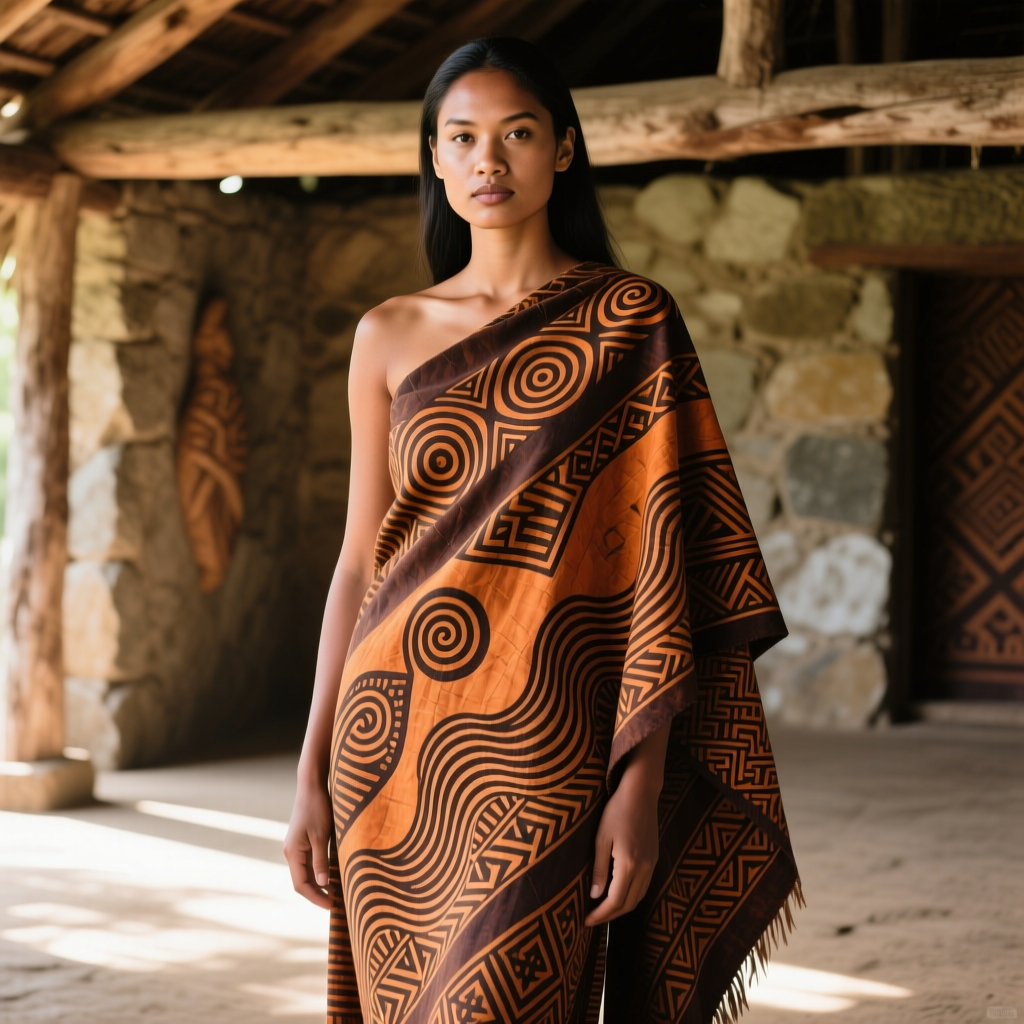
Navajo Weaving: Spider Woman Legacy

Sacred Origins of Navajo Weaving
In Dine (Navajo) tradition, weaving was taught by Spider Woman as a gift of beauty and sustenance. She instructed the loom be made of sky and earth cords, with tools of sun rays and crystal. This frames weaving as sacred practice connecting the weaver to cosmic order. Today, Navajo weavers continue this tradition, creating textiles that are functional objects, artistic expressions, and spiritual practice.
Regional Rug Styles
Navajo weaving developed distinct regional styles named after trading posts. Ganado features deep red backgrounds with geometric designs. Two Grey Hills uses natural sheep colors in fine-lined patterns. Wide Ruins uses horizontal bands in earth tones. Teec Nos Pos is the most complex, with intricate patterns and multiple borders.
- Ganado: red background, geometric
- Two Grey Hills: natural wool colors
- Wide Ruins: horizontal bands, earth tones
- Teec Nos Pos: complex borders, vibrant colors
The Weaving Process
Traditional weaving uses Navajo-Churro sheep wool, hand-carded, spun, and dyed with natural pigments. The upright loom follows traditional protocols, weaving bottom to top. Many weavers include a spirit line: a deliberate path from center to edge preventing the weaver's creative spirit from being trapped.
Preservation and Economy
Navajo weaving remains vital on the Navajo Nation. Trading posts and galleries provide outlets. Organizations support sheep-breeding programs and weaving education, ensuring Spider Woman's teachings flow through new generations.