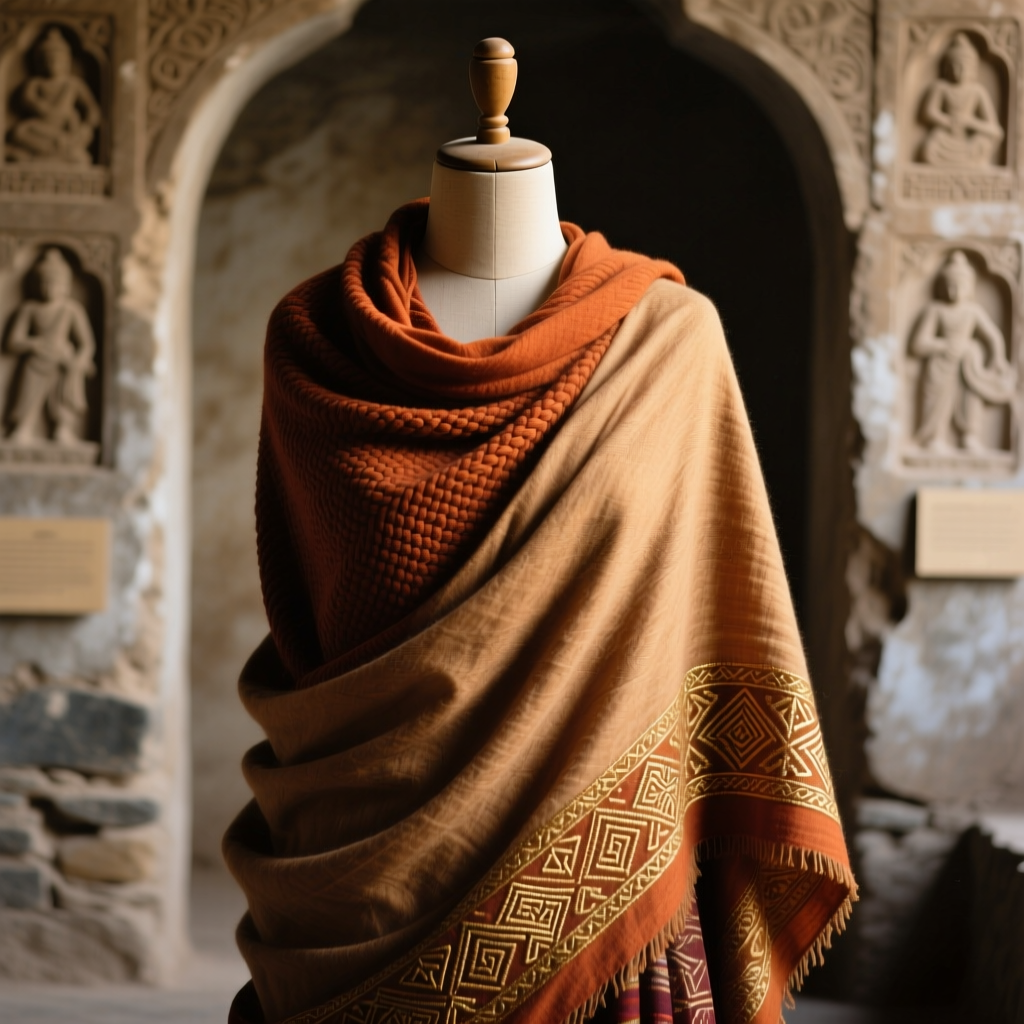
The Berber Handira Wedding Blanket: A Living Atlas Heritage

In the high valleys of Morocco's Atlas Mountains, where cedar forests meet terraced hillsides and the air carries the scent of wild thyme, a textile tradition has endured for centuries. The Handira — a sumptuous, sequin-studded wedding blanket woven by Berber women — is far more than a decorative object. It is a garment of blessing, a canvas of cultural identity, and a masterwork of indigenous artisanship that continues to captivate collectors, designers, and cultural historians around the world. To understand the Handira is to understand the soul of Amazigh (Berber) heritage, where every knot, every color, and every shimmering sequin tells a story of love, protection, and community.
Unlike mass-produced textiles that flood global markets, each authentic Handira is a singular creation, born from weeks or even months of patient labor. Passed down through generations of women in the Middle Atlas region, the art of Handira weaving represents one of the most visually striking and symbolically rich textile traditions in North Africa. This article explores the deep roots of this extraordinary craft — its history, its meanings, its makers, and its journey from mountain village to global appreciation.
Ancient Threads: The Historical Origins of the Handira
The Handira (sometimes spelled handera or hanbel in various transliterations) traces its origins to the Amazigh communities of the Middle Atlas Mountains, particularly among the Beni Ouarain, Beni M'Tir, and Zemmour confederacies. The Amazigh people — whose name translates to "free people" — are the indigenous inhabitants of North Africa, with a cultural history stretching back millennia, long before Arab, Roman, or Phoenician influences reshaped the region.
The precise origins of the Handira are difficult to pin to a single era, as Amazigh textile traditions were transmitted orally and through practice rather than written documentation. However, scholars of North African material culture believe that the core weaving techniques used in Handira production date back at least several centuries, with roots in the pastoral nomadic traditions of the Atlas highlands. Wool from local sheep — prized for its warmth, durability, and softness — has always been the primary material, reflecting the deep relationship between Berber communities and their flocks.
Historically, the Handira was not a commercial product but a deeply personal creation. It was woven exclusively by women — typically female relatives of the bride — as part of the wedding trousseau. The blanket served as both a practical garment against the harsh mountain winters and a ceremonial object imbued with spiritual significance. In many communities, the Handira was draped over the bride's shoulders during the wedding ceremony, symbolizing the warmth of family, the protection of ancestral spirits, and the hope for fertility and prosperity in the marriage.
The tradition was so central to Amazigh cultural identity that a woman's skill in weaving — particularly her ability to create intricate Handira blankets — was considered one of her most important attributes. Young girls learned the craft from their mothers and grandmothers, absorbing not only the technical skills of weaving and embellishment but also the symbolic language encoded in every pattern. This matrilineal transmission of knowledge ensured that the Handira remained a living tradition, evolving subtly with each generation while preserving its essential character.
Trade routes that crossed the Atlas Mountains also played a role in the evolution of the Handira. Caravans traveling between sub-Saharan Africa and Mediterranean ports brought new materials — including metallic threads, glass beads, and sequins — which Berber artisans incorporated into their designs. These embellishments transformed the Handira from a purely functional textile into a dazzling ceremonial object, one that caught the light of oil lamps and firelight during wedding celebrations and created an almost magical visual effect.
Woven with Meaning: Cultural Significance and Symbolism
To call the Handira a "wedding blanket" is to vastly understate its cultural importance. In Amazigh cosmology, textiles are not merely decorative — they are protective, communicative, and deeply spiritual. The Handira sits at the intersection of all these dimensions, functioning as a talisman, a status marker, a work of art, and a vessel of ancestral wisdom.
The most immediately striking feature of a traditional Handira is its lavish embellishment. Hundreds — sometimes thousands — of metal sequins, coins, and glass beads are hand-sewn onto the woven wool surface in elaborate patterns. These are not simply ornamental. In Amazigh belief, reflective surfaces are thought to deflect the "evil eye" (ayn al-hasoud), a malevolent gaze believed to cause misfortune. The shimmering surface of the Handira thus serves as a spiritual shield for the bride, protecting her during the vulnerable transition from her family home to her new life.
The geometric patterns woven into the base of the blanket carry their own symbolic vocabulary. Diamonds and lozenges, among the most common motifs, are widely interpreted as symbols of femininity and fertility — appropriate for a garment associated with marriage and the hope for children. Zigzag lines may represent water, a precious and life-giving force in the arid landscapes of the Atlas. Triangles can symbolize mountains, the eye, or the protective hand of Fatima, depending on the community and the weaver's intention.
Color, too, speaks a symbolic language in Handira design. While many traditional Handiras are predominantly white or cream — colors associated with purity, peace, and spiritual light — accents of red, green, yellow, and black carry specific meanings. Red is often linked to protection and strength, drawn from the use of madder root dye. Green may evoke paradise and fertility. Yellow can represent eternity and the sun. The specific palette chosen by the weaver reflects both regional traditions and personal intention, making each blanket a unique statement.
The Handira also plays a critical social role within Amazigh communities. The collective labor of weaving — often undertaken by groups of women working together — reinforces social bonds and provides a space for the transmission of songs, stories, and cultural knowledge. The presentation of the Handira during the wedding ceremony is a public affirmation of the bride's family's love, skill, and social standing. A particularly fine Handira signals not only the weaver's artistry but also the family's commitment to the marriage alliance.
In some communities, the Handira continues to serve practical functions beyond the wedding day. It may be used as a bed covering, a wall hanging, or a ceremonial wrap for important life events such as births and religious celebrations. This multifunctionality reflects a broader principle in Amazigh material culture: objects of beauty are also objects of use, and the sacred is woven into the fabric of everyday life.
The Artisan's Hand: Craftsmanship, Materials, and Technique
Creating an authentic Handira is an act of extraordinary patience and skill. The process begins long before the first thread is placed on the loom — it begins with the sheep. Amazigh weavers have traditionally favored wool from local breeds, which produces a fiber that is both resilient and remarkably soft. The wool is sheared, washed in natural soap (often made from olive oil or argan), carded by hand, and spun into yarn using a drop spindle. This preparatory work alone can take days or weeks, depending on the size of the blanket and the fineness of the yarn desired.
The weaving itself is performed on a traditional vertical loom, a technology that has changed little over centuries. The loom is typically set up in the home, often in a communal space where women can work together and share the social aspects of the craft. The weaver works from bottom to top, creating a flat-weave base with a characteristic tight, dense texture. The foundation is usually natural undyed wool in shades of cream, white, or brown, providing a neutral canvas for the embellishments to come.
Many Handiras feature bands of patterned weaving — stripes, checks, or geometric motifs — integrated into the base cloth. These are created using supplementary weft techniques, in which colored yarns are woven into specific areas to form designs. The dyestuffs used historically were entirely natural: saffron and pomegranate rind for yellow, indigo for blue, madder root for red, and various local plants for greens and browns. While synthetic dyes have become more common in recent decades, many artisan cooperatives have made a deliberate effort to revive and preserve natural dyeing practices, recognizing their cultural and environmental value.
Once the base cloth is complete and removed from the loom, the most visually spectacular phase begins: embellishment. Metal sequins — traditionally made from silver or silver-colored alloys, though modern versions may use brass or aluminum — are individually hand-sewn onto the surface in elaborate patterns. This work is painstakingly slow; a single Handira may require the attachment of several hundred sequins, each positioned with precision to create the desired visual effect. Glass beads, shells, and occasionally small coins are added to enhance the texture and luminosity of the piece.
Fringe is another signature element of Handira design. Long, knotted wool fringe — often in contrasting colors — is added to the edges of the blanket, creating a dramatic, tactile finish. The knotting techniques used for the fringe can themselves be quite complex, incorporating braiding, looping, and macramé-like patterns that add yet another layer of artistry to the finished piece.
The entire process — from raw wool to finished blanket — can take anywhere from several weeks to several months, depending on the complexity of the design, the size of the blanket, and the number of artisans involved. This investment of time and labor is what gives the Handira its extraordinary value, both as a cultural artifact and as a work of handmade art. For those interested in understanding the broader landscape of traditional textile craftsmanship, our guide to global heritage textiles explores how indigenous weaving traditions around the world share similar values of patience, precision, and cultural storytelling.
From Valley to Valley: Regional Variations Across the Atlas
The Atlas Mountains stretch across much of Morocco, and the Amazigh communities that inhabit them are far from monolithic. Different confederacies, valleys, and villages have developed their own distinctive approaches to Handira design, creating a rich tapestry of regional variations that reward close study.
The Beni Ouarain Tradition: Perhaps the most widely recognized Handira style comes from the Beni Ouarain confederacy in the northeastern Middle Atlas. These blankets are celebrated for their generous proportions, plush wool quality, and bold geometric patterns. Beni Ouarain Handiras often feature large diamond or lozenge motifs arranged in horizontal bands, with a preference for natural cream and brown tones. The sequin work tends to be dense and concentrated in specific zones, creating dramatic contrast between embellished and unembellished areas. The wool used by Beni Ouarain weavers is particularly prized for its softness, a result of the high-altitude grazing conditions that produce fine, lanolin-rich fleece.
The Zemmour and Zaer Styles: Further west, in the region around Khemisset and the Zaer plateau, Handira design takes on a more colorful character. Zemmour weavers are known for their sophisticated use of polychrome patterns, incorporating reds, greens, oranges, and blues alongside the traditional neutrals. The geometric vocabulary is also more varied, with intricate arrangements of triangles, crosses, and chevron patterns. Zemmour Handiras often feature a higher proportion of woven pattern relative to sequin embellishment, reflecting a regional aesthetic that values the complexity of the weave itself.
The Beni M'Tir Approach: The Beni M'Tir, neighbors of the Beni Ouarain in the central Middle Atlas, produce Handiras that occupy a middle ground between the bold minimalism of the east and the colorful complexity of the west. Their blankets often feature a balanced combination of woven geometric bands and sequin work, with a distinctive use of fine, tightly twisted fringe. The wool tends to be slightly coarser than that of the Beni Ouarain but is exceptionally durable, reflecting the harsher climatic conditions of the higher elevations where many Beni M'Tir communities are located.
High Atlas Variations: While the Handira is primarily associated with the Middle Atlas, communities in the High Atlas have developed their own interpretations of the form. These blankets are often heavier and more densely woven, designed to withstand the extreme cold of high-altitude winters. The embellishment may be less lavish than in Middle Atlas examples, with a greater emphasis on the quality of the weave and the natural beauty of the undyed wool. Some High Atlas communities incorporate techniques borrowed from carpet weaving, resulting in Handiras with a more structured, almost architectural quality.
These regional distinctions are not rigid — migration, intermarriage, and trade have always facilitated the exchange of ideas and techniques between communities. However, they provide a useful framework for understanding the diversity within the Handira tradition and for appreciating the specific cultural context from which each blanket emerges. Exploring how these regional aesthetics connect to broader traditional textile pattern guides can deepen one's appreciation for the sophisticated design intelligence embedded in each piece.
Preserving the Thread: Modern Challenges and Cultural Revival
Like many indigenous craft traditions around the world, the Handira faces a complex set of challenges in the modern era. Urbanization, changing social customs, the availability of cheap factory-made alternatives, and the migration of young women away from rural communities have all contributed to a decline in the practice of traditional Handira weaving. The knowledge required to create these blankets — the spinning, the dyeing, the weaving, the embellishment — is vast and demanding, and fewer young women are choosing to invest the years of apprenticeship necessary to master it.
At the same time, global interest in the Handira has surged. Interior designers, fashion houses, and collectors in Europe, North America, and beyond have discovered the beauty and uniqueness of these textiles, creating a growing international market. This demand is a double-edged sword. On one hand, it provides economic incentives for artisans to continue practicing their craft and can elevate the status of Handira weaving within communities. On the other hand, it has led to the proliferation of mass-produced imitations — factory-made blankets with machine-sewn sequins and synthetic fibers that bear little resemblance to authentic Handiras and undercut the prices that genuine artisans can command.
The challenge of authenticity is particularly acute. Distinguishing a true, hand-woven, hand-embellished Handira from a factory-made copy requires knowledge and discernment. Authentic pieces have irregularities that are the hallmark of handwork — slight variations in weave density, asymmetries in pattern, the use of natural fibers and dyes, and sequins that are individually attached rather than machine-applied. The weight, texture, and smell of the wool can also be telling; genuine Handiras have a substantial, organic quality that synthetic imitations cannot replicate.
Encouragingly, a growing movement of artisan cooperatives, cultural organizations, and ethical traders is working to preserve and revitalize the Handira tradition. Women's cooperatives in the Middle Atlas have organized to ensure fair compensation for weavers, provide training for younger artisans, and maintain quality standards. Some cooperatives have also begun documenting traditional patterns, dye recipes, and weaving techniques, creating archives that can serve future generations. Organizations focused on ethical textile sourcing have helped connect these cooperatives with conscientious international buyers who value authenticity and fair trade.
Museums and cultural institutions have also played a role in preservation efforts. Exhibitions of Amazigh textiles in major cities have raised awareness of the Handira's cultural significance and helped position it within the broader history of world textile arts. Academic research into Amazigh material culture has provided valuable documentation of regional variations and symbolic systems, contributing to a deeper understanding of the tradition.
For consumers and collectors, supporting the preservation of the Handira tradition means making informed choices. Purchasing from reputable sources — cooperatives, certified fair-trade organizations, or trusted dealers who can verify provenance — ensures that artisans are fairly compensated and that the tradition is sustained rather than exploited. Understanding the cultural context of the Handira — its symbolism, its craftsmanship, its significance — transforms the act of acquisition from mere consumption into an act of cultural appreciation and stewardship.
The future of the Handira will depend on the collective efforts of the communities that create them, the organizations that support them, and the global audience that values them. When a Handira is purchased with awareness and respect, it becomes more than a beautiful object in a home — it becomes a thread connecting the past to the present, the Atlas Mountains to the wider world, and the hands of the weaver to the heart of the beholder. Those interested in incorporating heritage textiles into their personal style or home décor may find inspiration in our bohemian heritage style guide, which explores ways to honor traditional craftsmanship in contemporary living.
Frequently Asked Questions
What is the difference between a Handira and a Moroccan wedding blanket?
The terms "Handira" and "Moroccan wedding blanket" are often used interchangeably in international markets, but they are not precisely the same thing. A Handira is a specific type of textile produced by Amazigh (Berber) communities in the Middle Atlas Mountains of Morocco, characterized by its hand-woven wool base, geometric patterning, and elaborate sequin and bead embellishment. The term "Moroccan wedding blanket" is a broader, more commercial label that may be applied to a wide range of Moroccan textiles — some authentic, some not. When seeking a genuine Handira, it is important to look beyond the generic label and verify the textile's provenance, materials, and method of production. True Handiras are always hand-woven and hand-embellished by Amazigh women, using techniques passed down through generations.
How can I tell if a Handira is authentic?
Several indicators can help distinguish an authentic Handira from a mass-produced imitation. First, examine the weave: genuine Handiras are hand-woven on vertical looms, which produces slight irregularities in tension and alignment that are absent in machine-woven fabrics. Second, check the fibers: authentic pieces use natural wool, which has a distinctive warmth, weight, and slightly lanolin scent; synthetic imitations feel lighter, slicker, and may have a chemical odor. Third, inspect the sequins: on a true Handira, each sequin is individually hand-sewn, often with slight variations in placement and stitching; machine-applied sequins are uniformly spaced and attached with identical stitches. Fourth, look at the fringe: hand-knotted fringe shows the same organic irregularity as the weave, while factory-made fringe is perfectly uniform. Finally, consider the source: purchasing from established cooperatives, reputable dealers, or certified fair-trade organizations greatly increases the likelihood of acquiring an authentic piece.
How should I care for and maintain a Handira blanket?
Proper care ensures that a Handira can be enjoyed for generations. Because these blankets are made from natural wool and feature delicate embellishments, they require gentle handling. Avoid machine washing entirely — the agitation and moisture can damage both the weave and the sequin work. For routine maintenance, shake the blanket outdoors to remove dust and allow it to air in indirect sunlight, which helps freshen the wool naturally. If deeper cleaning is needed, professional dry cleaning with a specialist familiar with handmade textiles is recommended. Store the Handira in a cool, dry place, ideally folded with acid-free tissue paper to prevent creasing and to protect the sequins from snagging. Avoid prolonged exposure to direct sunlight, which can fade natural dyes and weaken wool fibers over time. With proper care, a Handira will retain its beauty and structural integrity for decades.
Are Handira blankets used only for weddings, or do they have other purposes?
While the Handira's primary traditional function is as a wedding garment — draped over the bride during the ceremony and used in the marital home — these versatile textiles have always served multiple purposes within Amazigh communities. They may be used as bed coverings, wall hangings, ceremonial wraps for births and religious celebrations, or simply as warm blankets during the cold Atlas winters. In contemporary contexts, Handiras have found new life as statement pieces in interior design — used as throws, bedspreads, or wall tapestries in homes around the world. Their rich texture, luminous embellishment, and deep cultural resonance make them remarkably adaptable to a variety of aesthetic settings, from minimalist modern interiors to eclectic bohemian spaces. The key is to treat the Handira with the respect its cultural significance deserves, regardless of how it is displayed or used.
Where can I ethically purchase an authentic Handira?
Ethical purchasing begins with research and intentionality. The most direct route is to buy from women's cooperatives in the Middle Atlas region, either in person during a visit to Morocco or through their online platforms. These cooperatives ensure that the weavers receive fair compensation and that traditional techniques are preserved. In international markets, look for dealers who specialize in Amazigh or North African textiles and who can provide information about the provenance of each piece — including the community of origin, the materials used, and the approximate age of the textile. Fair-trade certifications, transparent supply chains, and a willingness to answer detailed questions are all positive indicators. Be cautious of prices that seem too low; an authentic, hand-woven, hand-embellished Handira represents weeks or months of skilled labor, and its price should reflect that investment. For more guidance on making culturally respectful textile purchases, explore our resources on heritage garment and textile guides for in-depth information on ethical sourcing and cultural appreciation.