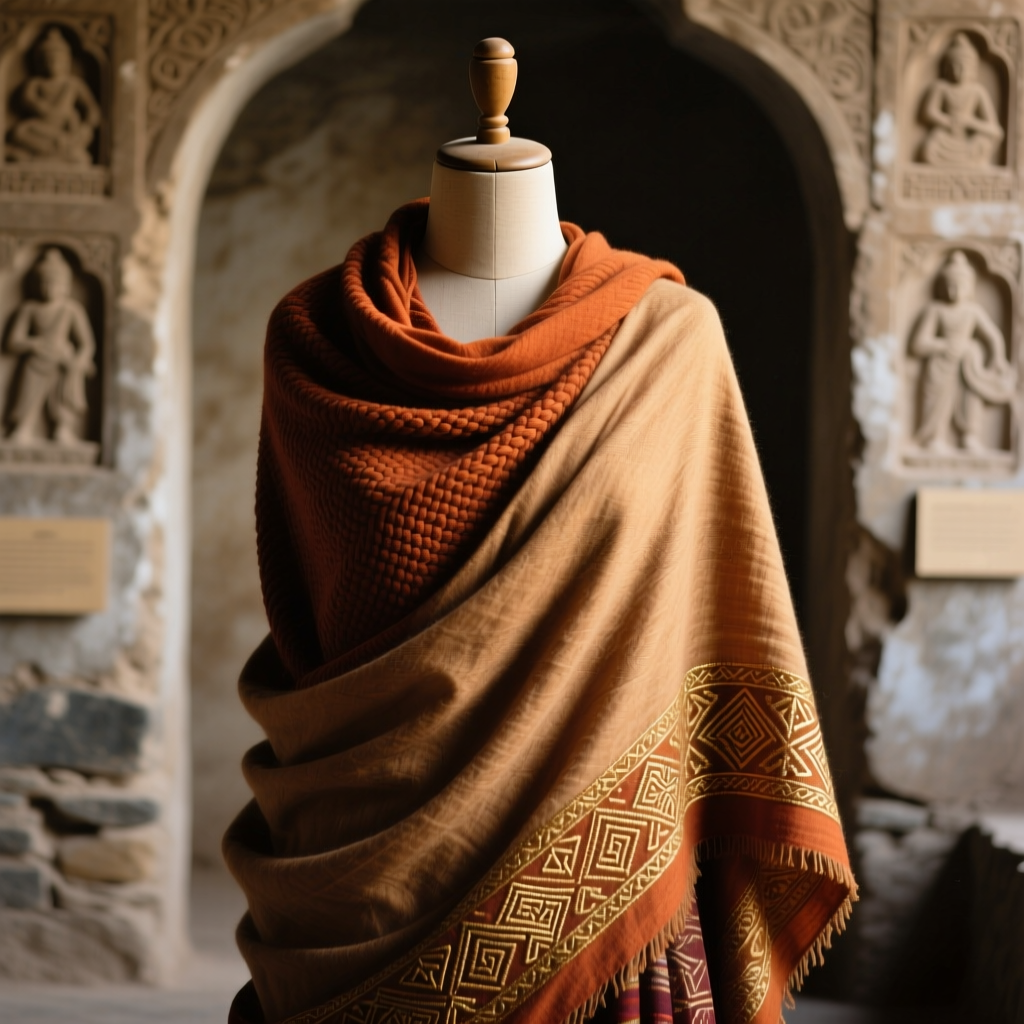
Georgian Chokha: Caucasian Warrior Coat

The Georgian Chokha: A Living Heritage of Caucasian Warrior Dress
Few garments in the world carry the weight of history, identity, and artistry quite like the Georgian Chokha. This distinctive wool coat, with its ornamental cartridge holders across the chest and its flowing, tailored silhouette, has served as the defining garment of the Caucasus for centuries. More than a mere piece of clothing, the Chokha is a symbol of honor, martial tradition, and national pride — a garment that has dressed warriors, poets, kings, and common folk alike across the rugged landscapes of Georgia and the broader Caucasian region.
To understand the Chokha is to understand the soul of the Caucasus itself. Born from the practical demands of mountain life and refined through generations of master tailors, this wool coat represents one of the most sophisticated examples of functional heritage dress in the world. In this comprehensive guide, The Garment Atlas explores the deep roots, intricate craftsmanship, and enduring legacy of the Georgian Chokha — a garment that continues to command respect and admiration in the modern era.
Historical Origins and the Warrior Tradition of the Chokha
The origins of the Chokha stretch deep into the medieval history of the Caucasus, a region that has long served as a crossroads of empires, trade routes, and martial cultures. The garment emerged as practical riding and combat wear for the horsemen and warriors of the Georgian highlands, where harsh mountain climates demanded clothing that was simultaneously warm, durable, and allowing freedom of movement. Over centuries, the Chokha evolved from a simple woolen riding coat into an elaborate garment that communicated the wearer's social standing, regional origin, and martial achievements.
The word "Chokha" itself is believed to derive from Persian or Turkic linguistic roots, reflecting the complex cultural exchanges that shaped the Caucasus. In Georgian, the garment is also known as "Talavari" in certain regional contexts, though "Chokha" has become the universally recognized term. The coat's design was fundamentally shaped by the equestrian culture of the region — its flared skirt allowed for comfortable horseback riding, while the fitted upper body provided protection without restricting the movement needed for swordplay and archery.
The most iconic feature of the Chokha — the ornamental cartridge holders known as "Gaziri" (or "Masrebi" in Georgian) — speaks directly to its martial heritage. These decorative tubes, arranged in rows across the chest on either side of the central opening, originally held gunpowder charges for the muskets and rifles carried by Caucasian warriors. As firearms technology evolved and the practical need for these cartridge holders diminished, they persisted as powerful decorative and symbolic elements, transforming from functional military hardware into emblems of courage and tradition.
During the centuries of conflict that defined the Caucasus — from the wars between Georgian kingdoms and invading empires to the prolonged resistance against Russian imperial expansion — the Chokha became inseparable from the image of the Caucasian warrior. Legendary figures such as the resistance leaders of the nineteenth century were immortalized in their Chokhas, and the garment became synonymous with the fierce independence and martial honor that defined the peoples of the region. For a deeper understanding of how warrior garments shaped cultural identity across different traditions, explore our guide to heritage garments of the world.
Craftsmanship and Construction: The Art of Making a Chokha
The creation of a traditional Chokha is a masterwork of textile craftsmanship that demands exceptional skill in tailoring, weaving, and decorative arts. At its foundation, the garment is constructed from high-quality wool — typically sourced from the sheep that graze the highland pastures of the Caucasus mountains. The finest Chokhas are made from densely woven, felted wool that provides remarkable insulation against the bitter cold of mountain winters while remaining breathable enough for wear during physical exertion.
The traditional color palette of the Chokha reflects both practical considerations and cultural symbolism. Black and dark brown are the most common colors, chosen for their versatility and their association with dignity and martial seriousness. However, white, grey, and deep burgundy Chokhas also hold important places in the tradition, with white Chokhas in particular carrying associations of celebration, purity, and high social standing. In some regions, a white Chokha was reserved for special occasions or worn by individuals of particular prominence within the community.
The construction of a Chokha follows precise tailoring principles that have been passed down through generations of master craftsmen. The coat is typically cut to fit closely through the shoulders and chest, creating a sharp, commanding silhouette, before flaring dramatically from the waist downward. This flared skirt, which can extend to the knees or below, is constructed from multiple panels of wool that are carefully shaped and seamed to create an elegant drape. The waist is often cinched by a belt — traditionally a leather belt with ornamental metalwork, or a fabric sash — which further emphasizes the dramatic contrast between the fitted upper body and the flowing lower portion.
The Gaziri cartridge holders are among the most labor-intensive elements of Chokha construction. Each tube is individually crafted, traditionally from metal or carved wood, and then covered in fabric that matches or complements the coat. They are meticulously arranged in symmetrical rows on either side of the chest opening, with the number and arrangement of Gaziri varying according to regional tradition and the preferences of the wearer. Some formal Chokhas feature elaborate silver or gilt ornamental caps on each Gaziri, transforming the chest of the garment into a dazzling display of metalwork.
The collar, cuffs, and hem of the Chokha often feature additional decorative elements, including embroidered patterns, braided trim, or appliquéd designs that reflect regional artistic traditions. The inner lining, while hidden from view, is frequently crafted from fine cotton or silk in higher-quality examples, providing additional comfort and extending the garment's lifespan. For those interested in the broader tradition of wool garment craftsmanship, our wool outerwear guide explores how different cultures have mastered the art of working with this remarkable fiber.
Regional Variations Across the Caucasus
While the Chokha is universally associated with Georgia, it is important to recognize that variations of this garment are found throughout the Caucasus region, with each area developing its own distinctive interpretation. These regional variations reflect the extraordinary cultural diversity of the Caucasus — a mountain range that has been described as a "mountain of languages" due to the remarkable density of distinct ethnic groups and linguistic communities within a relatively compact geographical area.
The Georgian Chokha
Within Georgia itself, several distinct regional styles of Chokha have developed. The Kartli-Kakhetian style, associated with the eastern Georgian heartland, tends to feature a longer, more dramatic silhouette with a pronounced flare at the skirt. These Chokhas are typically made from black or dark wool and are considered the most "classic" interpretation of the garment. The Imeretian style from western Georgia often features slightly different proportions, with some examples incorporating lighter fabrics and colors suited to the more temperate climate of the western lowlands.
The mountainous regions of Georgia — including Khevsureti, Tusheti, and Svaneti — developed their own robust interpretations of the Chokha, adapted to the extreme conditions of highland life. Highland Chokhas tend to be heavier and more utilitarian, with thicker wool and simpler decorative elements that reflect the practical priorities of mountain communities. However, even these rugged versions maintain the essential silhouette and structural elements that define the Chokha as a distinct garment type. The highland communities of Khevsureti, in particular, are renowned for their extraordinary embroidery traditions, and some Khevsurian Chokhas feature intricate cross-stitch patterns in vivid colors that transform the garment into a wearable work of art.
Beyond Georgian Borders
The Chokha — or its close relatives — appears in the traditional dress of numerous other Caucasian peoples. Among the Circassians (Adyghe), a closely related garment known as the "Cherkesska" shares the fundamental structure of the Chokha, including the distinctive Gaziri cartridge holders. The Circassian version often features a slightly different cut and may incorporate distinctive elements such as a deeper V-neckline or different sleeve construction. Similar garments are found among the Chechens, Ingush, Ossetians, Dagestani peoples, and Azerbaijanis, each reflecting the unique cultural aesthetics and practical requirements of their respective communities.
These regional variations are not merely academic curiosities — they represent the living diversity of Caucasian cultural heritage. Each variation carries within it the accumulated knowledge, values, and artistic sensibilities of the community that created it, making the broader Chokha tradition one of the richest and most varied garment heritages in the world. To explore how other cultures have developed distinctive regional variations within a single garment tradition, visit our collection of traditional outerwear heritage articles.
Cultural Significance: The Chokha as Identity and Honor
In Georgian culture, the Chokha transcends its function as clothing to become a profound symbol of national identity, personal honor, and cultural continuity. The garment is intimately connected to the Georgian concept of "Kadagi" — a code of honor, hospitality, and martial virtue that has shaped Georgian social life for centuries. To wear a Chokha is to invoke this code, to align oneself with the generations of warriors, poets, and leaders who have shaped the nation's history.
The Chokha plays a central role in many of Georgia's most important cultural celebrations and rituals. At traditional Georgian weddings, it is common for the groom and male members of the wedding party to wear Chokhas, transforming the ceremony into a vivid celebration of national heritage. The garment is also prominently featured in Georgian folk dance performances, where the swirling skirts of the Chokha create dramatic visual effects as dancers execute the athletic, acrobatic movements characteristic of Caucasian dance traditions. The famous Kartuli and Khorumi dances, in particular, are inseparable from the visual impact of the Chokha in motion.
During national holidays and commemorative events, the Chokha serves as a powerful visual statement of Georgian sovereignty and cultural pride. Political leaders, cultural figures, and ordinary citizens alike don the garment as a way of affirming their connection to the nation's heritage. The image of the Chokha-clad horseman remains one of the most enduring and emotionally resonant symbols in Georgian visual culture, appearing in paintings, sculptures, and popular art throughout the country.
The Chokha also carries deep associations with Georgian literary and artistic traditions. The great Georgian poet Shota Rustaveli, whose epic "The Knight in the Panther's Skin" is the cornerstone of Georgian literature, is frequently depicted in artistic representations wearing a Chokha, linking the garment to the nation's highest cultural achievements. Similarly, the nineteenth-century poet and national hero Ilia Chavchavadze was known for his preference for traditional Georgian dress, using the Chokha as a statement of cultural identity during a period of intense Russification pressure.
Perhaps most significantly, the Chokha serves as a bridge between generations. When a young Georgian man inherits or is gifted a Chokha — often one that has been in the family for decades — he is not merely receiving a garment. He is accepting a mantle of responsibility, a connection to his ancestors, and a commitment to carry forward the values and traditions that the Chokha represents. This intergenerational dimension gives the Chokha a emotional weight that few garments in any culture can match. For more on how garments carry cultural memory across generations, explore our articles on heritage style traditions.
Modern Preservation and the Chokha in Contemporary Life
The survival of the Chokha as a living garment tradition — rather than a mere museum artifact — is one of the most remarkable stories in the world of cultural heritage preservation. While many traditional garments around the world have faded into obscurity or survive only in folkloric performances, the Chokha continues to be worn, made, and cherished by Georgians in their daily lives and on their most important occasions.
Several factors have contributed to this remarkable resilience. First and foremost is the deep emotional and cultural attachment that Georgians feel toward the Chokha. The garment is not experienced as a relic of the past but as a vital, living expression of national identity. This emotional connection ensures a steady demand for new Chokhas, which in turn supports the community of tailors and craftspeople who maintain the skills necessary to produce them.
The Georgian government and various cultural organizations have also played important roles in supporting the Chokha tradition. Efforts to document regional variations, support master craftsmen through apprenticeship programs, and promote the Chokha as a symbol of national heritage have all contributed to the garment's continued vitality. The inclusion of Chokha-making traditions in cultural heritage inventories and the organization of festivals and exhibitions celebrating Caucasian dress have helped to raise awareness of the craft both within Georgia and internationally.
In the contemporary fashion landscape, the Chokha has attracted attention from designers and style enthusiasts who recognize its extraordinary aesthetic qualities. The garment's dramatic silhouette, its masterful combination of structure and flow, and its rich decorative elements have inspired modern interpretations that seek to honor the original while adapting it to contemporary contexts. Some Georgian designers have created modern collections that draw directly on Chokha construction techniques and decorative motifs, introducing these elements to international audiences and ensuring that the design vocabulary of the Chokha continues to evolve.
However, the preservation of the Chokha tradition is not without challenges. The specialized skills required to create a high-quality Chokha — from the weaving of the wool to the tailoring of the garment to the metalwork of the Gaziri — are held by a relatively small number of master craftsmen. As these artisans age, there is an ongoing need to recruit and train new generations of craftspeople to ensure that these skills are not lost. The rising cost of high-quality natural materials and the time-intensive nature of traditional construction methods also present economic challenges that must be addressed to keep the tradition viable.
Despite these challenges, the future of the Chokha appears promising. A growing global interest in heritage garments, sustainable fashion, and artisanal craftsmanship has created new audiences and new markets for traditional clothing. Platforms dedicated to cultural heritage and garment history — including The Garment Atlas — play an important role in documenting and celebrating traditions like the Chokha, ensuring that knowledge of these remarkable garments reaches new generations of admirers and advocates. Learn more about our mission to preserve garment heritage in our about page.
Frequently Asked Questions About the Georgian Chokha
What materials are traditionally used to make a Chokha?
The traditional Chokha is made primarily from high-quality wool, typically sourced from sheep raised in the Caucasian highlands. The wool is densely woven and often felted to create a fabric that is warm, durable, and weather-resistant. The Gaziri (cartridge holders) are traditionally made from metal or carved wood and covered in matching fabric. Higher-quality Chokhas may feature silver or gilt ornamental elements, silk or cotton linings, and decorative trim made from braided cord, leather, or embroidered fabric. The belt worn with the Chokha is traditionally crafted from leather with ornamental metalwork, though fabric sashes are also used in some regional styles.
How is the Chokha different from the Circassian Cherkesska?
While the Georgian Chokha and the Circassian Cherkesska share a common structural DNA — including the fitted upper body, flared skirt, and distinctive Gaziri cartridge holders — they differ in several important details. The Cherkesska typically features a deeper, more open neckline that reveals the garment worn beneath, while the Chokha tends to have a higher, more structured collar. The cut and proportions of the skirt may also differ, with regional preferences shaping the overall silhouette. Additionally, the decorative elements, color preferences, and accompanying accessories (such as the specific style of belt, headwear, and footwear) vary between Georgian and Circassian traditions, reflecting the distinct cultural aesthetics of each people.
Is the Chokha still worn in everyday life in Georgia?
While the Chokha is not typically worn as everyday casual clothing in modern Georgia, it remains very much a living garment rather than a historical costume. Georgians regularly wear Chokhas for weddings, national holidays, cultural performances, official ceremonies, and other significant occasions. In rural and highland communities, the Chokha may be worn more frequently, particularly during traditional celebrations. The garment is widely available for purchase in Georgia, with workshops and tailors continuing to produce both traditional and contemporary interpretations. Many Georgian families own at least one Chokha, often passed down through generations or commissioned for important life events.
What is the significance of the Gaziri cartridge holders on the Chokha?
The Gaziri are the most visually distinctive element of the Chokha and carry deep symbolic significance. Originally, these tubes served a practical military function, holding pre-measured gunpowder charges for muzzle-loading firearms. As firearms technology advanced and the practical need for these holders disappeared, the Gaziri evolved into purely decorative and symbolic elements. Today, they represent the martial heritage of the Caucasus, the courage and honor of the warrior tradition, and the wearer's connection to that heritage. The number, quality, and arrangement of Gaziri can communicate information about the formality of the garment and the status of the wearer. On formal Chokhas, the Gaziri may be capped with ornate silver or gilded metalwork that represents some of the finest examples of Caucasian metalcraft.
How should one properly wear and care for a Chokha?
Wearing a Chokha properly requires attention to several elements. The coat should fit closely through the shoulders and chest while allowing the skirt to flare naturally. It is traditionally worn over a shirt and paired with a belt or sash at the waist. The complete traditional ensemble often includes specific trousers, leather boots, a dagger (kindjali), and distinctive headwear such as the papakha (wool hat). For care, the wool fabric should be professionally dry-cleaned or carefully hand-cleaned using methods appropriate for dense, felted wool. The Chokha should be stored on a broad, padded hanger to maintain its shape, in a cool, dry environment protected from moths and excessive humidity. The metal elements of the Gaziri should be periodically polished to prevent tarnishing, and any leather components should be conditioned to prevent drying and cracking.
The Georgian Chokha stands as one of the most powerful and beautiful examples of heritage dress in the world. It is a garment that speaks of mountain winds and warrior honor, of master craftsmen and cultural resilience, of a people who have maintained their identity through centuries of challenge and change. To study the Chokha is to glimpse the soul of the Caucasus — proud, complex, and enduring. As we continue to document and celebrate garment traditions from around the world, the Chokha reminds us that clothing can be far more than fabric and thread. It can be memory, identity, and art, woven together into something that transcends time.