What Is Traditional Chinese Clothing for Women Called? A Comprehensive Guide
When exploring the rich tapestry of global fashion history, few sartorial traditions are as captivating, complex, and deeply symbolic as the traditional clothing of China. For those delving into the world of historical fashion, a common question arises: what is traditional Chinese clothing for women called? The answer is not a single term, but rather a fascinating lexicon of garments that have evolved over millennia. From the flowing, ethereal robes of ancient dynasties to the sleek, tailored silhouettes of the modern era, Chinese womenswear is a profound reflection of philosophy, social structure, and artistic mastery.
To understand traditional Chinese clothing is to embark on a journey through time. The garments are not merely fabric stitched together; they are canvases that display the intricate relationship between nature & humanity, the cosmos, and societal harmony. Whether you are a fashion historian, a cultural enthusiast, or someone looking to appreciate the artistry of global heritage, this comprehensive guide will unravel the threads of traditional Chinese womenswear, exploring its origins, defining characteristics, and enduring cultural significance.
The Roots of Elegance: Understanding Hanfu
The most encompassing term for the historical clothing of the Han Chinese people is Hanfu (汉服), which translates literally to 'Han clothing.' Hanfu is not a single dress, but an entire sartorial system that dates back over three thousand years. Its origins are deeply intertwined with the formation of Chinese civilization, with early iterations emerging during the Huangdi (Yellow Emperor) era and solidifying into a codified system during the Han Dynasty.
Hanfu is characterized by its fluid, unstructured silhouettes that prioritize the drape of the fabric over the contours of the body. This design philosophy is rooted in traditional Chinese aesthetics, which favor harmony, modesty, and a connection to the natural world. The creation of these garments relied heavily on advanced Silk Road textiles, utilizing luxurious silks, fine linens, and intricate brocades that showcased the wearer's social status and the region's immense wealth.
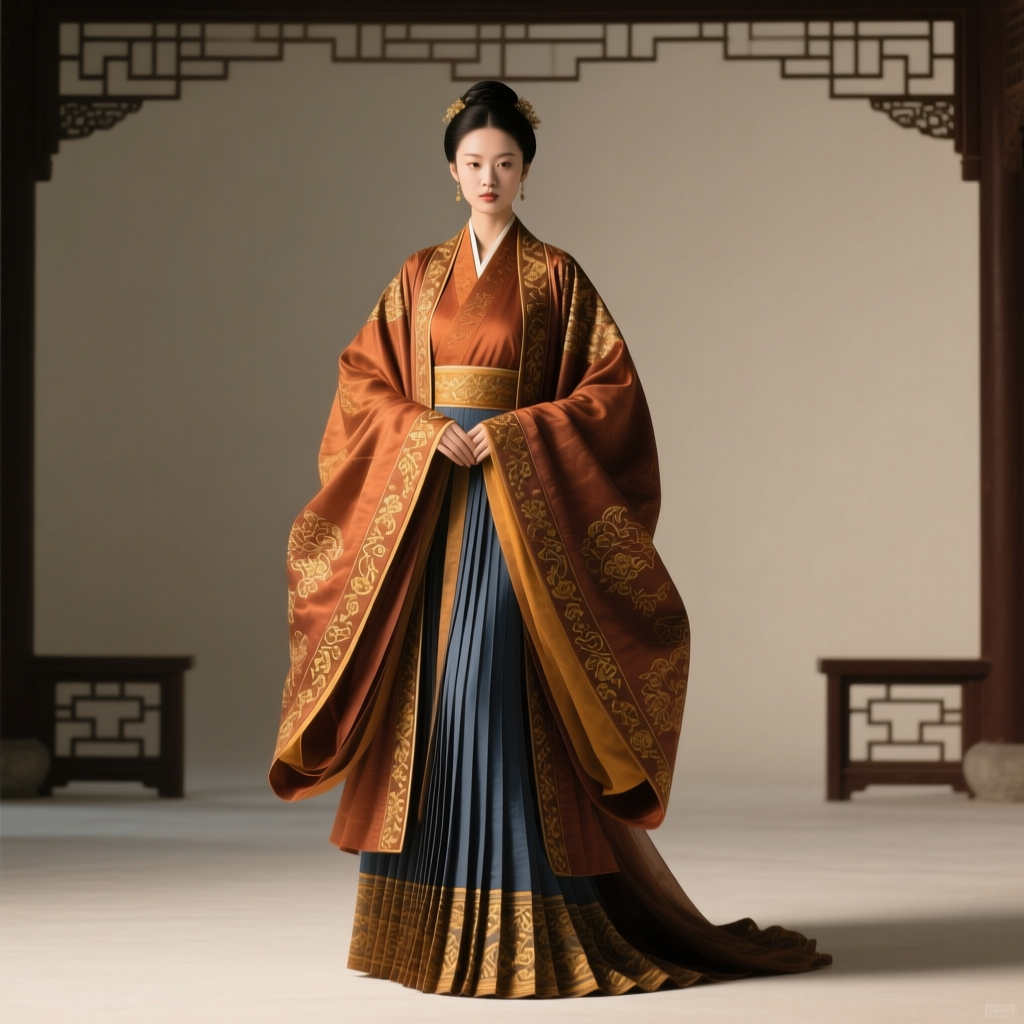
Throughout various dynasties, Hanfu adapted to the cultural zeitgeist. The Tang era introduced wider sleeves, higher waists, and bolder colors, reflecting a cosmopolitan and prosperous society open to foreign influences. In contrast, the Song era favored more subdued, elegant, and slender silhouettes, mirroring the rise of Neo-Confucianism and a preference for intellectual refinement. By the time the Ming Dynasty arrived, Hanfu had evolved to include structured jackets, standing collars, and elaborate pleated skirts, cementing a look that remains highly influential in historical recreations today.
Defining Characteristics of Traditional Chinese Womenswear
While the styles of Hanfu shifted across centuries, several core architectural elements remained remarkably consistent. These defining characteristics are what separate traditional Chinese garments from other global historical fashions. Understanding these elements is crucial for anyone studying understanding garment collars and traditional pattern-making.
- Jiaoling Youren (Cross Collar, Right Lapel): The most iconic feature of traditional Chinese clothing is the cross collar, where the left side of the garment crosses over the right side and ties at the waist. This 'right lapel' (Youren) is a profound cultural marker. In traditional Chinese philosophy, the left represents Yang (life, light, and the living), while the right represents Yin (death, darkness, and the spiritual realm). Therefore, wrapping the left over the right was a symbol of life and civilization, whereas the reverse was strictly reserved for the deceased.
- Baoxiu (Wide Sleeves): Traditional garments often feature expansive, flowing sleeves. These were not merely decorative; they served as pockets, status symbols, and expressions of grace. The movement of wide sleeves during a traditional dance or a formal tea ceremony creates a visual poetry that is central to Chinese aesthetic ideals.
- Sashes and Ties: Unlike Western historical garments that relied heavily on buttons, corsets, and rigid tailoring, traditional Chinese womenswear utilized fabric sashes, ribbons, and ties to secure the clothing. This allowed for a customizable fit and emphasized the fluidity of the silhouette.
- Flat Pattern Cutting: Traditional garments were cut from whole pieces of woven fabric with minimal waste. The fabric was folded and cut in straight lines, respecting the integrity of the silk weaving techniques and the precious nature of the textiles.
The Evolution of Silhouettes: From Ruqun to the Qipao
To answer the question of what traditional Chinese clothing is called, one must look at the specific silhouettes that dominated different eras. The evolution of these garments highlights the dynamic nature of Chinese fashion.
Ruqun: The Classic Top and Skirt
The Ruqun (襦裙) is one of the oldest and most enduring styles of Hanfu, consisting of a top garment (Ru) and a wrap-around skirt (Qun). During the Tang Dynasty, women popularized the chest-high Ruqun, where the skirt was tied high above the bust, secured with a wide sash, and paired with a sheer, flowing shawl called a Pibo. This silhouette exuded an air of regal elegance and allowed for vibrant, contrasting color combinations that are still celebrated in historical art and poetry.
Aoqun and the Mamianqun
As fashion transitioned into the Ming Dynasty, the Aoqun (袄裙) became the standard attire for women. This style featured a longer, lined jacket (Ao) worn over a skirt. The most famous skirt from this era is the mamianqun (horse-face skirt). The mamianqun is a masterpiece of structural design, featuring flat, unpleated panels at the front and back, with deep, intricate pleats on the sides. This design allowed for modesty while walking, yet provided the freedom of movement necessary for daily life. Today, the mamianqun is experiencing a massive resurgence in modern street fashion, blending historical craftsmanship with contemporary styling.
The Qipao (Cheongsam): A Modern Icon
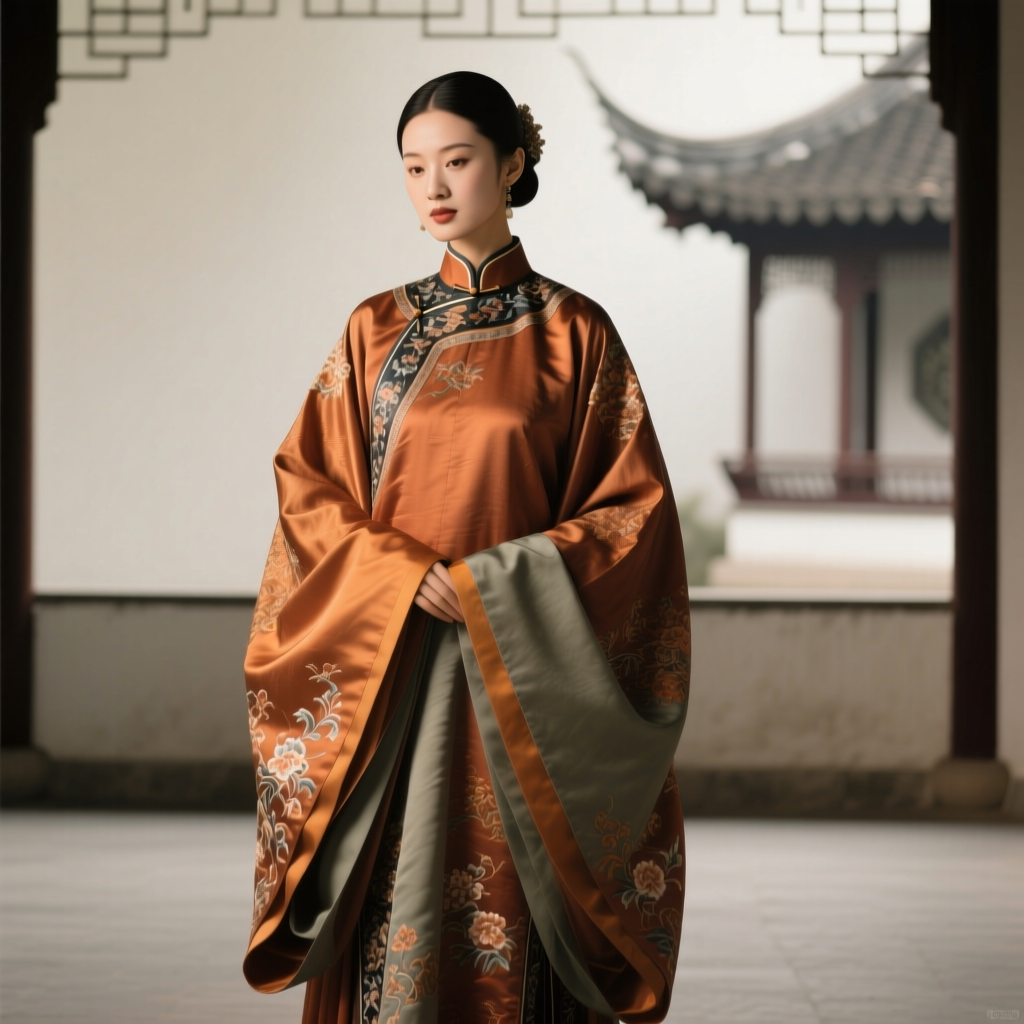
When most of the Western world envisions traditional Chinese clothing, they picture the Qipao (旗袍), also known as the Cheongsam. However, the Qipao is a relatively modern invention compared to Hanfu. Originating from the loose, straight-cut banner gowns worn by Manchu women during the Qing Dynasty, the Qipao was radically transformed in the early twentieth century in Shanghai.
Tailors began incorporating Western darting and set-in sleeves, transforming the boxy gown into a form-fitting, high-collared dress that celebrated the natural curves of the female body. Adorned with intricate pankou (frog buttons) and high side slits, the Qipao became a symbol of modern femininity, liberation, and cosmopolitan glamour. To dive deeper into this fascinating transition, explore our complete guide on the history of the Qipao.
Regional Variations and Ethnic Diversity
China is a vast nation comprising 56 officially recognized ethnic groups, and the traditional clothing of Chinese women extends far beyond the Han and Manchu traditions. The ethnic textiles of Asia offer a breathtaking array of colors, techniques, and silhouettes that are integral to the broader definition of Chinese traditional dress.
For example, the Miao (Hmong) women of southwestern China are renowned for their extraordinary pleated skirts, which can require up to twenty meters of indigo-dyed fabric, and their staggering silver headdresses and jewelry, which serve as both spiritual protection and a display of familial wealth. In the high-altitude regions of the west, Tibetan women wear the Chuba, a long, thick, sheepskin-lined robe worn off one shoulder to regulate body temperature, often paired with vibrantly striped woven aprons called pangden that denote marital status.
Meanwhile, in the northwestern Xinjiang region, Uyghur women traditionally wear garments made from Atlas silk, a brilliant, ikat-dyed fabric featuring bold, blurred geometric patterns in vivid yellows, greens, and reds. These regional variations prove that traditional Chinese clothing is not a monolith, but a vibrant mosaic of indigenous artistry and environmental adaptation.
Occasions and Etiquette: When to Wear Traditional Garments
Historically, the type of garment a woman wore was strictly dictated by her social rank, marital status, and the specific occasion. While modern dress codes are more relaxed, traditional garments still play a vital role in cultural ceremonies and festivals.
Weddings: Traditional Chinese traditional wedding attire is heavily steeped in symbolism. Brides often wear a vibrant red Qipao or a heavily embroidered Hanfu jacket and skirt (Qungua). Red is the ultimate color of joy, prosperity, and protection against evil spirits. The garments are typically adorned with gold embroidery of the dragon and phoenix, representing the harmonious balance of masculine and feminine energies.
Festivals and Lunar New Year: During the Lunar New Year and the Mid-Autumn Festival, it is common for women and girls to wear modern interpretations of Hanfu or elegant Qipaos. These garments are chosen in auspicious colors and feature motifs that invite good fortune for the coming year.
Coming of Age Ceremonies: The Ji Li (笄礼) is the traditional Han Chinese coming-of-age ceremony for women. During this rite of passage, a young woman's hair is pinned up using a decorative hairpin (Ji), and she changes into increasingly formal layers of Hanfu, symbolizing her transition into adulthood and her readiness to take on societal responsibilities.
Cultural Significance and the Modern Revival
The cultural significance of traditional Chinese clothing extends far beyond mere aesthetics. Every motif, color, and stitch carries profound meaning. The peony represents wealth and honor; the lotus signifies purity and spiritual enlightenment; the bat (whose name sounds like the word for 'good fortune') brings luck; and the crane symbolizes longevity. Wearing these motifs was believed to invite their associated blessings into the wearer's life.
In the contemporary era, there has been a massive cultural renaissance known as the Hanfu Movement. Driven by younger generations seeking to reconnect with their pre-Qing dynasty heritage, millions of women (and men) are incorporating Hanfu into their daily wardrobes. This is not merely a trend of historical cosplay; it is a profound reclamation of cultural identity. Young women are seen wearing mamianqun skirts with modern blouses to university, and donning full Tang-style Ruqun for travel and photography, effectively bridging the gap between ancient heritage and modern life.
This revival has also sparked global conversations about cultural appreciation, the preservation of intangible cultural heritage, and the importance of understanding the deep historical context behind the garments we admire. By learning what traditional Chinese clothing is called and understanding its roots, we honor the artisans, philosophers, and women who have worn these magnificent garments throughout history.
Frequently Asked Questions
What is the difference between Hanfu and Qipao?
The primary difference lies in their historical origins and silhouettes. Hanfu refers to the traditional clothing of the Han Chinese people, characterized by cross collars, wide sleeves, flowing silhouettes, and a history spanning over three millennia. The Qipao (or Cheongsam), on the other hand, evolved from the garments of the Manchu people during the Qing Dynasty and was later tailored in the early twentieth century to be a form-fitting, high-collared dress. Hanfu represents ancient, indigenous Han traditions, while the Qipao represents a more modern, cross-cultural fusion of Manchu and Western tailoring influences.
Is it culturally appropriate for non-Chinese people to wear Hanfu or Qipao?
Generally, yes. In Chinese culture, sharing and showcasing traditional clothing is widely viewed as a point of pride and an opportunity for cultural exchange. Many Chinese people are thrilled to see international visitors and enthusiasts wearing Hanfu or Qipao, provided it is done with respect and an understanding of the garment's cultural significance. The key is to avoid treating the clothing as a caricature or a joke, and instead approach it with an appreciation for its history, proper styling, and the artistry involved in its creation.
What do the colors of traditional Chinese dresses symbolize?
Colors in traditional Chinese clothing are deeply symbolic and historically tied to the Five Elements theory and social hierarchy. Red is the most auspicious color, symbolizing luck, joy, and vitality, making it the standard for weddings and festivals. Yellow was historically reserved for the imperial family, representing the earth and supreme power. White is traditionally associated with mourning, purity, and the metal element, though modern interpretations have softened this association. Green and Blue represent wood, spring, and growth, often worn by scholars or younger women to signify vitality and harmony.
How do you properly wrap and tie a traditional Hanfu?
Wrapping a Hanfu correctly is essential to respecting its cultural roots. The golden rule is Jiaoling Youren: the left side of the collar must always cross over the right side, resting on the wearer's right hip. The garment is then secured at the waist using a fabric sash or belt. Tying it on the right side over the left is strictly reserved for funerary rites and is considered highly inauspicious in daily life. The sleeves should be allowed to fall naturally, and the skirt should be wrapped smoothly to ensure the pleats or flat panels align correctly with the body's center.