The Traditional Clothing of Ireland: A Comprehensive Cultural Guide
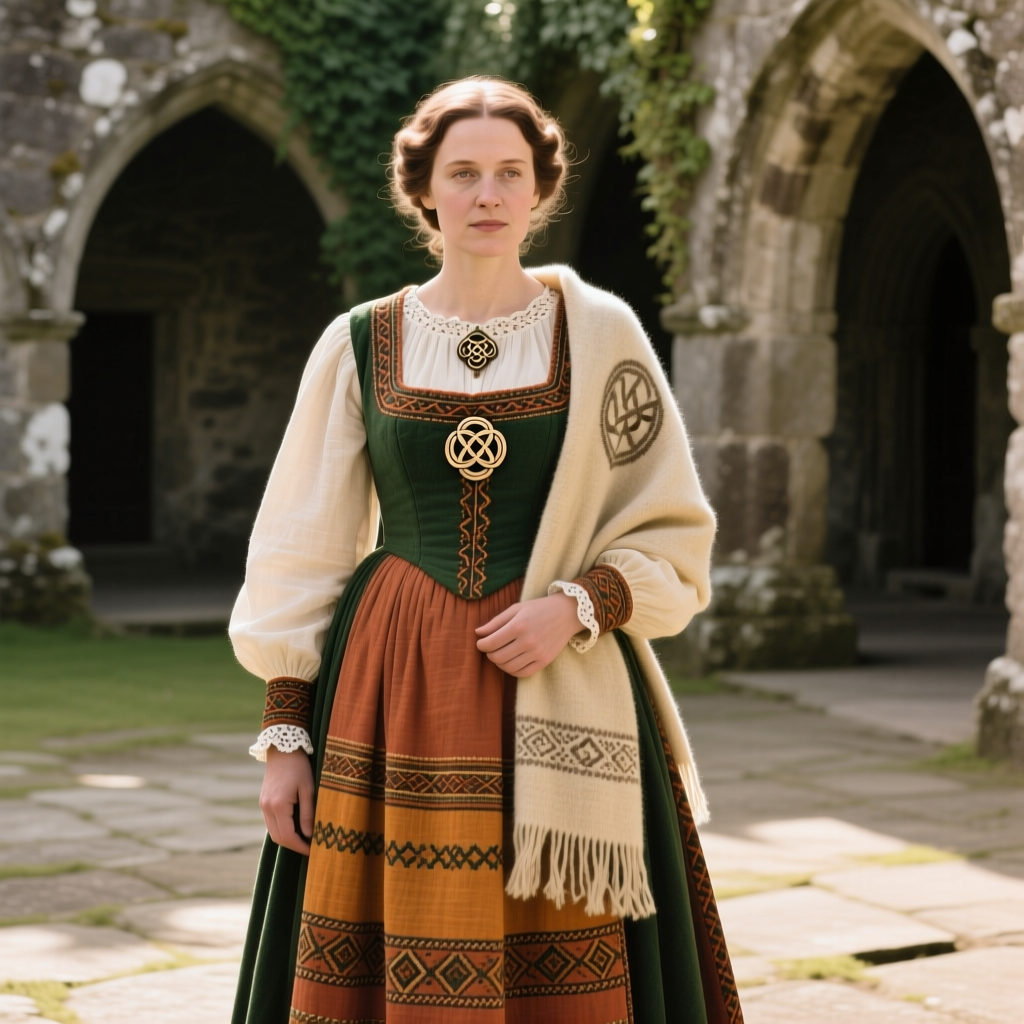
The traditional clothing of Ireland is a profound reflection of the island’s rugged landscape, its tempestuous climate, and its complex, often turbulent history. Far beyond the modern stereotypes of bright green fabrics and shamrock motifs, authentic Irish dress is a rich tapestry woven from themes of survival, social status, colonial resistance, and deep cultural pride. For centuries, the garments worn by the Irish people were dictated by the necessity of enduring the harsh Atlantic winds, the availability of local materials like flax and sheep’s wool, and the oppressive sumptuary laws imposed by English rulers. To understand the traditional clothing of Ireland is to understand the very soul of the Irish people—a narrative of resilience, artistry, and an unyielding connection to the land.
In this comprehensive guide, we will journey through the origins, defining characteristics, and regional variations of Irish historical dress. Whether you are a textile enthusiast, a historian, or simply someone captivated by Celtic textile heritage, this exploration will illuminate how the garments of the Emerald Isle have shaped and been shaped by the hands of those who wore them.
Origins and Evolution of Irish Dress
The earliest records of Irish clothing trace back to the ancient Celtic tribes that inhabited the island. Unlike the tailored garments of the Roman Empire, early Celtic dress was characterized by its simplicity, drape, and reliance on the natural properties of woven textiles. The foundation of the ancient Irish wardrobe was the léine (pronounced "lay-nuh"), a long, loose-fitting tunic made from linen, and the brat, a heavy woolen cloak. These two garments formed the core of Irish dress for both men and women for over a millennium.
The evolution of Irish clothing was heavily influenced by the island's interactions with invaders and settlers. The arrival of the Normans in the 12th century introduced new tailoring techniques and continental fashions to the urban centers and the ruling classes. However, the rural Irish populace largely retained their native dress, which became a powerful marker of cultural identity and division. This cultural divergence deeply unsettled the English crown, leading to the infamous Statutes of Kilkenny in 1366. These laws explicitly forbade the English colonists in Ireland from adopting Irish customs, language, and, most notably, Irish dress. The English recognized that the brat and the léine were not merely garments, but symbols of a distinct, unconquered Irish identity.
During the Tudor conquest and subsequent plantations, the suppression of native Irish dress intensified. English observers and administrators, such as Edmund Spenser, wrote scathingly about the Irish mantle, viewing it as a tool for rebels and outlaws who used its voluminous folds to hide weapons and survive in the wild bogs. Despite aggressive campaigns to Anglicize the Irish populace through sartorial mandates, the traditional woolen cloaks and linen tunics survived in the remote western and northern regions, evolving slowly into the peasant dress of the 18th and 19th centuries. This enduring legacy of defiance is a cornerstone of Celtic heritage, demonstrating how clothing can serve as a silent but potent form of rebellion.
Key Characteristics and Iconic Garments
Traditional Irish clothing is defined by its reliance on natural fibers, masterful craftsmanship, and practical adaptations to a damp, windy climate. Several iconic garments stand out in the historical and cultural lexicon of Ireland.
The Léine and the Saffron Dye
The léine was a masterclass in the utilization of flax. In ancient and medieval times, Ireland was renowned for its high-quality linen. The léine was typically dyed a vibrant yellow-orange hue using saffron, or more commonly, native plants like weld and bog oak. The garment was renowned for its excessive use of fabric; a wealthy chieftain’s léine could require up to thirty yards of linen, heavily pleated and gathered at the waist with a belt. The wide, flowing sleeves and the deep, rich colors were clear indicators of wealth and status, as the labor required to spin, weave, and dye such vast quantities of linen was immense.
The Brat: The Irish Mantle
If the léine was the canvas of Irish dress, the brat was its shield. The brat was a large, rectangular or semi-circular woolen cloak, often featuring a thick, shaggy fringe. It was draped over the shoulders and fastened with a brooch or pin. The natural lanolin in the unscoured wool made the brat highly water-resistant, serving as a coat, a blanket, and a shelter against the driving rain. The fringe, often left long and uncut, provided extra insulation and could be used to wrap around the neck and face during severe storms. The English obsession with outlawing the brat only cemented its status as the ultimate symbol of Gaelic endurance.
The Bawneen and the Aran Sweater
As the ancient léine and brat faded from everyday use under the weight of Anglicization and poverty, they were replaced by the bawneen (or bainín), an undyed, natural wool flannel shirt or jacket worn by rural laborers and fishermen. This reliance on raw, undyed wool eventually gave birth to Ireland’s most globally recognized garment: the Aran sweater. Originating in the harsh, isolated environment of the Aran Islands off the west coast, these heavily textured, cable-kitted sweaters were designed to provide maximum insulation and water resistance for fishermen facing the brutal Atlantic swells. To learn more about the intricate stitches and enduring myths of this iconic garment, explore our comprehensive Aran sweater guide.
Donegal Tweed and Flannel
In the northwest of Ireland, the weaving of wool became a vital cottage industry. Donegal tweed is characterized by its distinctive speckled pattern, achieved by weaving small flecks of brightly dyed wool into a muted, earthy base. The dyes were historically sourced from the local landscape: purple from lichen, yellow from bracken, and brown from peat soot. This deep connection to the environment makes Donegal tweed a literal embodiment of the Irish landscape, woven with warp and weft derived directly from the bogs and heather.
Traditional Clothing for Special Occasions
While everyday rural dress was defined by utility and frugality, special occasions called for garments that showcased community pride, religious devotion, and cultural artistry.
Irish Step Dancing Costumes
Perhaps the most visually striking evolution of traditional Irish clothing is seen in the costumes of Irish step dancing. In the 18th and 19th centuries, dancing masters traveled from village to village, teaching intricate footwork to peasants who danced in their everyday "Sunday best"—simple woolen skirts, petticoats, and shawls. However, as the Gaelic Revival took hold and dance competitions (feiseanna) became formalized, the costumes evolved dramatically. Today, the solo step dancing dress is a marvel of textile engineering, featuring stiffened skirts, intricate Celtic knotwork embroidery, and shimmering fabrics. These garments are designed to accentuate the rigid upper body and rapid foot movements that define the art form, transforming a rural pastime into a spectacular global phenomenon.
Weddings and the Celtic Revival
Historically, rural Irish weddings were modest affairs where brides wore their finest woolen or linen dresses, often dyed blue or green, rather than the white silk gowns popularized by Victorian England. However, the modern Celtic Revival has seen a resurgence of historical elements in matrimonial attire. Many contemporary couples incorporate the brat or a hand-woven tweed cloak into their wedding ceremonies, particularly in handfasting or outdoor rituals. The use of natural dyeing techniques and heritage lace, such as Irish crochet or Carrickmacross lace, bridges the gap between ancient traditions and modern celebrations.
Festivals and the Fleadh Cheoil
At cultural gatherings like the Fleadh Cheoil (a massive traditional Irish music festival), the sartorial focus shifts to comfort, heritage, and warmth. It is common to see musicians and attendees donning flat tweed caps, heavy wool cardigans, and waxed cotton jackets. The clothing worn at these events is less about historical reenactment and more about a living, breathing connection to the rural, agrarian roots of Irish traditional music. The fabrics are meant to be worn, weathered, and lived in, much like the music itself.
Regional Variations Across the Emerald Isle
Ireland’s diverse topography—from the rocky western seaboard to the fertile eastern plains—necessitated distinct regional adaptations in clothing. The isolation of certain areas allowed unique sartorial traditions to flourish well into the modern era.
The Aran Islands and the West Coast
The Aran Islands are globally synonymous with knitwear, but their traditional footwear is equally fascinating. The islanders historically wore pampooties, simple, moccasin-like shoes made from a single piece of raw, untanned cowhide. The hide was wrapped around the foot and laced with leather thongs. Because the rawhide was worn while still damp, it shrank and molded perfectly to the wearer's foot, providing essential grip on the slippery, jagged limestone pavements of the islands. Combined with the heavy, unwashed wool of the bainín and the iconic Aran sweaters, the dress of the Aran islanders was a masterclass in extreme-weather survival.
Connemara and the Red Petticoat
In the Connemara region of County Galway, women’s traditional dress was distinguished by the vibrant red flannel petticoat. Worn beneath the outer skirt, the red petticoat was often revealed when women hiked their skirts to navigate the boggy terrain or while working in the fields. The striking red color was traditionally achieved using madder root or local berry dyes. Women in this region also frequently wore the Galway shawl, a heavy, fringed, and intricately patterned woolen shawl draped over the head and shoulders, providing both warmth and a modest silhouette favored by the local clergy.
Donegal and the Northwest
The rugged county of Donegal fostered a deep reliance on sheep farming and hand-weaving. The clothing here was dominated by heavy tweeds and thick flannels. Men typically wore sturdy tweed trousers, waistcoats, and the ubiquitous flat cap, while women wore thick woolen skirts and shawls. The speckled tweed of Donegal was not just a fabric; it was a currency. In remote areas, woven lengths of tweed were often traded for groceries and supplies, making the loom the economic heart of the rural cottage. For a deeper dive into this remarkable textile, read our feature on Donegal tweed.
Munster and the Kerry Blanket
In the southern province of Munster, particularly in Kerry and Cork, the "Kerry blanket" or hooded cloak was a staple of women’s rural dress well into the 19th and early 20th centuries. Similar to the ancient brat, this was a heavy, dark woolen mantle with a hood that could be pulled up to shield the face from the wind and rain. It was a garment of profound utility, often passed down through generations, becoming softer and more weatherproof with age and use.
The Cultural Significance and Modern Legacy
The traditional clothing of Ireland is inextricably linked to the nation’s struggle for identity and independence. During the 19th and early 20th centuries, the Gaelic Revival movement sought to reclaim Irish culture, language, and sports from the shadow of British imperialism. Clothing became a vital battleground in this cultural renaissance. Nationalists and revivalists actively promoted the wearing of Irish-made tweeds, hand-knitted wools, and Celtic-inspired jewelry as a means of economic boycott and cultural assertion.
The romanticization of the "Irish peasant" also played a significant role in how traditional dress was perceived globally. The image of the rugged fisherman in his cable-knit sweater or the rural weaver at his loom became potent symbols of an uncorrupted, authentic Ireland. This romanticism, while sometimes reductive, helped preserve vital textile crafts that were on the brink of extinction due to the Industrial Revolution and mass-produced British imports.
Today, the legacy of traditional Irish clothing is visible on global fashion runways and in the wardrobes of heritage enthusiasts worldwide. Designers continually draw inspiration from the structural drape of the léine, the intricate geometry of Aran knits, and the earthy palettes of rural tweeds. The garments of Ireland remind us that clothing is never merely functional; it is a historical document, a declaration of identity, and a testament to the enduring human spirit. Whether comparing the Irish mantle to Scottish Highland dress or studying the ancient natural dyeing techniques of the Celts, the sartorial history of Ireland offers a profound lens through which to view the island's soul.
Frequently Asked Questions
Do Irish men traditionally wear kilts?
The idea that the kilt is a traditional, ancient Irish garment is a common misconception. Unlike the Scottish belted plaid, which has centuries of documented Highland history, the "saffron kilt" worn by some Irish men today is largely a 20th-century invention. It was adopted by Irish nationalists and pipe bands in the early 1900s as a way to visually align with the broader Celtic identity and mirror Scottish Highland dress. Historically, Irish men wore the léine (a long tunic) and the brat (a cloak), not a pleated kilt.
What is the difference between an Irish brat and a Scottish plaid?
The Irish brat and the Scottish plaid serve similar functions as outerwear but are structurally and culturally distinct. The brat was a large, shaped woolen cloak, often featuring a thick, shaggy fringe, and was fastened at the shoulder or chest with a brooch. It was not woven in a tartan pattern. The Scottish plaid, specifically the belted plaid or féileadh mòr, was a massive length of tartan-woven wool that was gathered, belted at the waist, and draped over the shoulder. While both provided warmth and protection, the brat was a symbol of Gaelic Irish defiance, whereas the tartan plaid became a marker of Scottish clan identity.
Are Aran sweaters really traditionally Irish?
Yes, the Aran sweater is authentically Irish, originating in the Aran Islands off the coast of County Galway. However, the popular myth that the specific cable patterns were designed to identify the bodies of drowned fishermen is a romanticized fiction popularized in the mid-20th century. In reality, the intricate stitches (like the honeycomb, diamond, and cable) were developed in the late 19th and early 20th centuries, heavily influenced by Guernsey sweaters brought by visiting fishermen. The patterns were created by local women to showcase their knitting prowess and to create a denser, warmer fabric for their husbands and sons.
What colors were most common in historical Irish clothing?
Before the advent of synthetic dyes, the colors of Irish clothing were dictated by the local flora and the wealth of the wearer. The most iconic color of the ancient léine was saffron (a deep yellow-orange), though true saffron was expensive, and native plants like weld were often used as substitutes. Undyed wools provided a spectrum of natural browns, grays, and whites (the bainín). Madder root and local berries produced deep reds, while woad and indigo yielded blues. Sumptuary laws occasionally restricted the use of certain bright colors to the nobility, but the rural populace utilized natural dyeing techniques to create a surprisingly vibrant, albeit earthy, palette.
How has traditional Irish clothing influenced modern fashion?
Traditional Irish textiles have had a massive impact on contemporary global fashion. The Aran sweater has been reinterpreted by countless haute couture houses and streetwear brands, celebrated for its sculptural, three-dimensional textures. Donegal tweed remains a staple in heritage menswear, prized for its durability and unique speckled aesthetic. Furthermore, the modern appreciation for slow fashion, sustainability, and artisanal craftsmanship has brought renewed attention to traditional Irish weaving, knitting, and natural dyeing, proving that these ancient techniques possess a timeless, modern relevance.