Traditional Mexican Clothing Near Me: A Complete Cultural Guide to Finding Authentic Garments
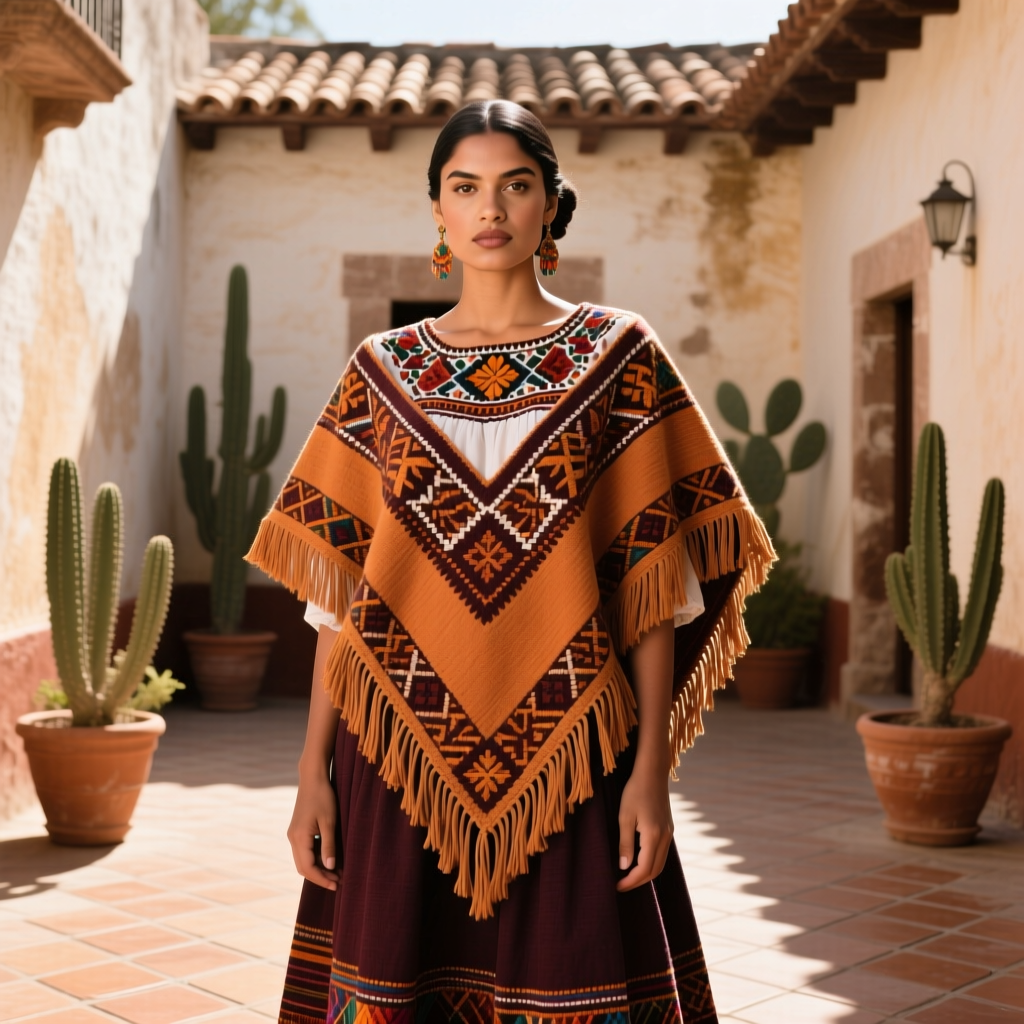
There is a moment that stays with you long after you have experienced it — the first time you see a huipil up close, its hand-embroidered flowers blooming across cotton woven on a backstrap loom, each stitch carrying the memory of a community, a family, a lineage of artisans stretching back centuries. Traditional Mexican clothing is not merely fabric and thread. It is a living archive of identity, resistance, and artistry that has survived conquest, colonization, and globalization. Whether you are searching for traditional Mexican clothing near you to wear at a cultural celebration, to add meaningful pieces to your wardrobe, or simply to understand the profound heritage behind these garments, this guide will illuminate the path forward.
Mexico's textile traditions are among the richest and most diverse on Earth. From the indigo-dyed rebozos of the central highlands to the vividly embroidered blouses of Oaxaca, every region tells its own sartorial story. Finding authentic traditional Mexican clothing in your local area — or knowing where to look online when local options are limited — requires both cultural knowledge and practical awareness. This comprehensive guide covers the origins, characteristics, regional variations, and cultural significance of these extraordinary garments, along with actionable advice on where to find them.
Origins and Historical Roots of Traditional Mexican Clothing
To truly appreciate traditional Mexican clothing, one must journey back thousands of years to the pre-Columbian civilizations that first cultivated cotton, harvested fibers from the maguey plant, and developed sophisticated dyeing techniques using cochineal insects, indigo, and native botanicals. The Aztecs, Maya, Zapotecs, and Mixtecs each maintained distinct textile traditions that communicated social status, community affiliation, and spiritual belief through pattern, color, and form.
When Spanish colonizers arrived in the early sixteenth century, they brought European tailoring techniques, wool, silk, and new decorative motifs. Rather than erasing indigenous traditions entirely, this collision of worlds produced something entirely new — a mestizo textile culture that wove together Old World and New World aesthetics. The rebozo, for instance, evolved from a fusion of indigenous shawl traditions and Spanish mantilla influences, becoming one of Mexico's most iconic garments. The charro suit, now synonymous with Mexican national identity, traces its lineage to the riding garments of Spanish hacienda culture, transformed by Mexican artisans into something spectacularly original.
Throughout the colonial period and into the modern era, traditional Mexican clothing served as a form of cultural preservation. Indigenous communities maintained their weaving and embroidery practices as acts of quiet defiance, passing techniques from mother to daughter across generations. The Mexican Revolution of the early twentieth century sparked a renewed national interest in indigenous heritage, with figures like Frida Kahlo famously adopting Tehuana dress as a political and artistic statement. Today, this legacy continues in the hands of thousands of artisans and in the growing global appreciation for authentic Mexican textiles.
If you are interested in how Mexican garments compare to other Latin American traditions, explore our guide to traditional Latin American textiles for a broader perspective on the region's sartorial heritage.
Key Garments and Their Defining Characteristics
Understanding the major categories of traditional Mexican clothing will help you recognize authentic pieces when shopping locally and appreciate the craftsmanship behind each garment. Here are the most significant types you are likely to encounter.
The Huipil
The huipil is perhaps the most iconic garment in Mexican textile tradition. This loose-fitting tunic, typically constructed from two or three rectangular panels of hand-woven fabric joined by intricate stitching, has been worn by indigenous women across Mesoamerica for over two thousand years. Each community's huipil features distinctive motifs — geometric patterns, stylized animals, floral designs — that function almost as a visual language, identifying the wearer's village, marital status, and ceremonial role. Authentic hand-woven huipiles can take several months to complete and represent an extraordinary investment of skill and time.
The Rebozo
The rebozo is a long, flat garment that functions as a shawl, scarf, carrying cloth, and ceremonial accessory all in one. Traditional rebozos are woven on backstrap or pedal looms and feature elaborate rapacejo — hand-knotted fringe that can take weeks to complete. The rebozos of Santa María del Río in San Luis Potosí are particularly prized for their fine silk construction and intricate ikat dyeing technique, known locally as amarre. A well-made rebozo is supple enough to pass through a wedding ring yet strong enough to carry a child.
The Quechquémitl
This distinctive garment, worn primarily by Nahua, Otomí, and Huastec women in central Mexico, is a type of poncho constructed from two rectangular pieces of fabric joined in a way that creates a diamond-shaped opening for the head. Quechquémitls are often decorated with brocade weaving or embroidery featuring diamond motifs, zigzag borders, and stylized representations of flora and fauna. They represent some of the most technically complex weaving traditions in Mexico.
The Guayabera
Originating in the tropical lowlands, the guayabera is a lightweight men's shirt characterized by its pleated fronts, embroidered details, and four front pockets. While its exact origins are debated — with claims from Cuba, the Philippines, and Mexico's Yucatán Peninsula — it has become a staple of formal and semi-formal wear throughout Mexico, particularly in warm coastal regions. High-quality guayaberas are crafted from linen or fine cotton and feature hand-embroidered alforzas (tucks) that demonstrate remarkable precision.
The Charro Suit
The charro suit, worn by Mexican horsemen and mariachi musicians alike, is a masterwork of tailoring and ornamentation. A full charro outfit includes a short, fitted jacket with elaborate silver or gold botonadura (buttons), tight-fitting trousers with decorative seams, a wide-brimmed sombrero, and a corbata (bow tie). The level of ornamentation indicates the formality of the occasion, with the most elaborate traje de gala featuring hand-tooled leather, intricate embroidery, and hundreds of silver buttons.
For a deeper look at how these garments are constructed, our article on traditional weaving techniques explores the looms, fibers, and methods that bring these textiles to life.
Regional Variations Across Mexico
Mexico's extraordinary geographic and cultural diversity means that traditional clothing varies dramatically from state to state and even from village to village. Understanding these regional distinctions will help you identify the origin of pieces you encounter and make informed purchasing decisions.
Oaxaca: The Textile Capital
Oaxaca is widely regarded as the heartland of Mexican textile arts. The state is home to sixteen distinct indigenous groups, each maintaining its own clothing traditions. The Zapotec weavers of Teotitlán del Valle produce magnificent wool rugs and serapes using natural dyes and pedal looms. In the Isthmus of Tehuantepec, the legendary Tehuana dress features stunning floral embroidery on velvet or satin, paired with elaborate lace headdresses called resplandores. The Mixtec communities of the coast maintain backstrap loom traditions, producing huipiles with complex brocade patterns that can take six months or more to complete.
Chiapas: Maya Heritage
The highland communities of Chiapas preserve some of the most elaborate textile traditions in the Americas. The huipiles of San Juan Chamula feature dense geometric brocade in deep reds, purples, and blues, while those of Zinacantán are renowned for their delicate floral embroidery. The tsutsil (ceremonial huipil) of Magdalenas incorporates symbolic motifs including the cosmos diamond, representing the Maya worldview of the four cardinal directions and the axis mundi connecting earth and sky.
Central Mexico: Puebla, Hidalgo, and Veracruz
The central states showcase a fascinating blend of indigenous and colonial influences. The china poblana outfit — featuring a sequined blouse, beaded skirt, and rebozo — emerged from the cultural crossroads of colonial Puebla and remains a beloved symbol of Mexican national identity. In the Sierra Norte of Puebla, Nahua and Totonac women create quechquémitls with extraordinarily fine brocade work. The Otomí communities of Hidalgo are known for their tenangos — large embroidered cloths featuring fantastical multi-colored animals and floral compositions that have gained international recognition.
Yucatán Peninsula: Tropical Elegance
The traditional clothing of the Yucatán reflects its tropical climate and unique cultural history. The terno, worn by Maya women for festive occasions, consists of a huipil, a fitted overdress called a jubón, and a long skirt, all adorned with cross-stitch embroidery in vivid floral patterns. The fine white cotton hipil worn daily features delicate embroidery around the neckline and hem, representing centuries of adaptation to the peninsula's heat and humidity.
Northern Mexico and the West Coast
The northern states and Pacific coast have their own distinctive traditions, from the cowboy-influenced leatherwork and wide-brimmed hats of Sonora and Chihuahua to the vibrant China-influenced silk embroidery traditions that arrived via the Manila galleon trade in Colima and Guerrero. The Huichol (Wixáritari) people of Jalisco and Nayarit create some of the most visually striking garments in Mexico, featuring intricate beadwork and yarn paintings that encode their cosmological beliefs.
Discover more about how geography shapes clothing in our regional textile guide, which maps the connections between landscape, climate, and garment traditions.
Where to Find Traditional Mexican Clothing Near You
Finding authentic traditional Mexican clothing depends on where you live, but options exist in most regions. Here is a practical guide to sourcing genuine pieces in your area.
Local Markets and Cultural Festivals
Cities with significant Mexican and Mexican-American populations typically host cultural festivals, mercados, and street fairs where artisans sell traditional clothing directly. Events surrounding Cinco de Mayo, Día de los Muertos, Mexican Independence Day (September 16), and Las Posadas often feature vendors offering huipiles, rebozos, guayaberas, and embroidered blouses. These events are excellent opportunities to examine garments up close, ask questions about their origins, and purchase directly from makers or their representatives.
Specialty Boutiques and Import Shops
Many cities have specialty boutiques that focus on Mexican folk art, fair-trade textiles, or Latin American imports. These shops often carry curated selections of traditional clothing sourced directly from artisan cooperatives. Look for stores that provide detailed information about the origin of each piece, the artisan community it came from, and the techniques used in its creation. Shops associated with museums of folk art or cultural centers tend to offer the highest quality and most ethically sourced selections.
Museum Gift Shops and Cultural Centers
Museums with Latin American or textile collections frequently operate gift shops that sell authentic traditional garments. These pieces are typically sourced through established relationships with artisan cooperatives and come with documentation of their provenance. Cultural centers, particularly those affiliated with Mexican consulates or universities with Latin American studies programs, may also host periodic sales or exhibitions featuring traditional clothing.
Online Artisan Marketplaces
When local options are limited, online platforms connecting buyers directly with Mexican artisans offer an excellent alternative. Look for sellers who identify the specific community and artisan behind each piece, provide detailed photographs of construction and embroidery details, and transparently discuss pricing in the context of fair compensation. Cooperatives and fair-trade organizations tend to offer the most reliable quality and ethical sourcing.
Ethical Considerations When Purchasing
As demand for traditional Mexican clothing grows globally, so does the proliferation of machine-made imitations and culturally appropriative mass-produced copies. When shopping for traditional Mexican clothing near you, prioritize vendors who can tell you where a garment was made, who made it, and what techniques were used. Authentic hand-embroidered huipiles should show slight irregularities that indicate handwork; perfectly uniform stitching often signals machine production. Prices that seem too good to be true usually indicate mass-produced goods that do not support artisan communities. For more on this topic, read our article on ethical textile shopping practices.
Cultural Significance and Wearing Traditional Mexican Clothing Respectfully
Traditional Mexican clothing carries deep cultural, spiritual, and social meaning. Understanding this significance is essential for anyone who wishes to wear, collect, or appreciate these garments with the respect they deserve.
For the communities that create them, traditional garments are far more than clothing. A huipil can serve as a marker of identity so specific that experienced observers can identify a wearer's home village from its patterns alone. Ceremonial garments are believed to carry spiritual power, with specific motifs serving as prayers, protections, or invocations woven directly into the fabric. The act of weaving itself is considered sacred in many Mesoamerican traditions, associated with the goddess Tlazoltéotl and the cosmic act of creation.
Wearing traditional Mexican clothing as someone outside the culture of origin requires thoughtful consideration. Purchasing from authentic artisan sources rather than fast-fashion retailers ensures that your appreciation translates into tangible support for the communities who created these traditions. Learning about the specific garment you are wearing — its name, its origin, its traditional context — transforms an act of consumption into an act of cultural engagement. Many Mexican artisans and cultural advocates welcome the respectful appreciation of their textile traditions, viewing it as a form of recognition and economic empowerment, provided it is accompanied by genuine understanding and fair compensation.
It is also important to recognize the distinction between everyday traditional garments and sacred or ceremonial pieces. Some huipiles are designed specifically for weddings, funerals, or religious ceremonies and may not be appropriate for casual wear by those outside the community. When in doubt, ask the artisan or vendor about the cultural context of a piece and whether it is intended for general use or carries specific ceremonial significance.
Our cultural heritage textiles guide explores these questions of respect, appropriation, and appreciation in greater depth, offering a framework for engaging thoughtfully with traditional garments from any culture.
Frequently Asked Questions
How can I tell if traditional Mexican clothing is authentic?
Authentic traditional Mexican clothing exhibits several telltale signs of handcraftsmanship. Look for slight irregularities in stitching and weaving that indicate handwork rather than machine production. Examine the fabric — genuine pieces typically use natural fibers like cotton, wool, or silk rather than synthetic blends. Check the reverse side of embroidered pieces; authentic hand embroidery will show thread carried between motifs, while machine embroidery often has a uniform, locked-stitch appearance. Reputable sellers should be able to tell you the specific community of origin, the artisan's name when possible, and the techniques used. Be wary of vendors selling large quantities of identical pieces, as genuine handmade garments are inherently unique.
What is the typical price range for authentic traditional Mexican garments?
Prices for authentic traditional Mexican clothing vary enormously depending on the type of garment, the complexity of the work, and the materials used. A simple hand-embroidered blouse from a market vendor might range from thirty to eighty dollars, while a finely woven silk rebozo from Santa María del Río can cost several hundred dollars. A ceremonial huipil requiring months of backstrap loom weaving and intricate brocade work may command prices of five hundred to several thousand dollars. These prices reflect the extraordinary labor involved — often hundreds of hours of skilled handwork — and purchasing at fair prices directly supports the continuation of these traditions. Mass-produced imitations are typically much cheaper but do not support artisan communities.
Are there traditional Mexican clothing options for men?
Absolutely. While much of the international attention on Mexican traditional clothing focuses on women's garments like the huipil and rebozo, men's traditional clothing is equally rich and varied. The guayabera shirt is widely worn across Mexico and throughout Latin America for both casual and formal occasions. The charro suit, associated with mariachi music and equestrian culture, remains one of Mexico's most recognizable garments. In many indigenous communities, men traditionally wear hand-woven calzones (loose trousers), embroidered shirts, and woven fajas (sashes). The serape or jorongo — a woven blanket-like shawl — is a traditional men's garment particularly associated with the northern and central highlands. Our men's traditional garments guide offers a deeper exploration of these pieces.
Can I wear traditional Mexican clothing if I am not Mexican?
This is a nuanced question with no single answer, as perspectives vary among Mexican communities, artisans, and cultural commentators. Many Mexican artisans and cultural organizations actively encourage respectful appreciation of their textile traditions and view international interest as a source of economic support and cultural validation. The key considerations are context, respect, and sourcing. Wearing a guayabera purchased from an artisan cooperative to a summer celebration is generally viewed very differently from wearing a sacred ceremonial huipil as a costume. Educate yourself about the garment you are wearing, purchase from ethical sources that fairly compensate artisans, avoid wearing items with specific ceremonial or religious significance unless invited to do so, and always be prepared to speak knowledgeably and respectfully about what you are wearing and where it comes from.
How should I care for traditional Mexican garments to preserve them?
Proper care depends on the specific garment and its materials, but some general principles apply. Hand-woven cotton huipiles and blouses should typically be hand-washed in cool water with mild detergent and laid flat to dry, as machine washing can damage delicate embroidery and cause shrinkage. Silk rebozos and ceremonial garments should be dry-cleaned by a professional familiar with delicate textiles. Wool serapes and jorongos benefit from occasional airing and should be stored with natural moth deterrents like cedar. Avoid prolonged direct sunlight, which can fade natural dyes. Store embroidered garments flat or loosely folded with acid-free tissue paper to prevent creasing and stress on the embroidered areas. For heavily beaded or metallic-threaded pieces, professional textile conservation advice may be warranted. Our textile care and preservation guide provides detailed instructions for maintaining traditional garments from around the world.