Choosing Fabrics for Cultural Celebrations

Choosing Fabrics for Cultural Celebrations
The fabric you choose for a cultural celebration garment speaks volumes — about respect for tradition, understanding of climate and comfort, and appreciation for textile heritage. This guide helps you select the right fabrics for some of the world's most significant cultural events.
Wedding Celebrations
South Asian Weddings
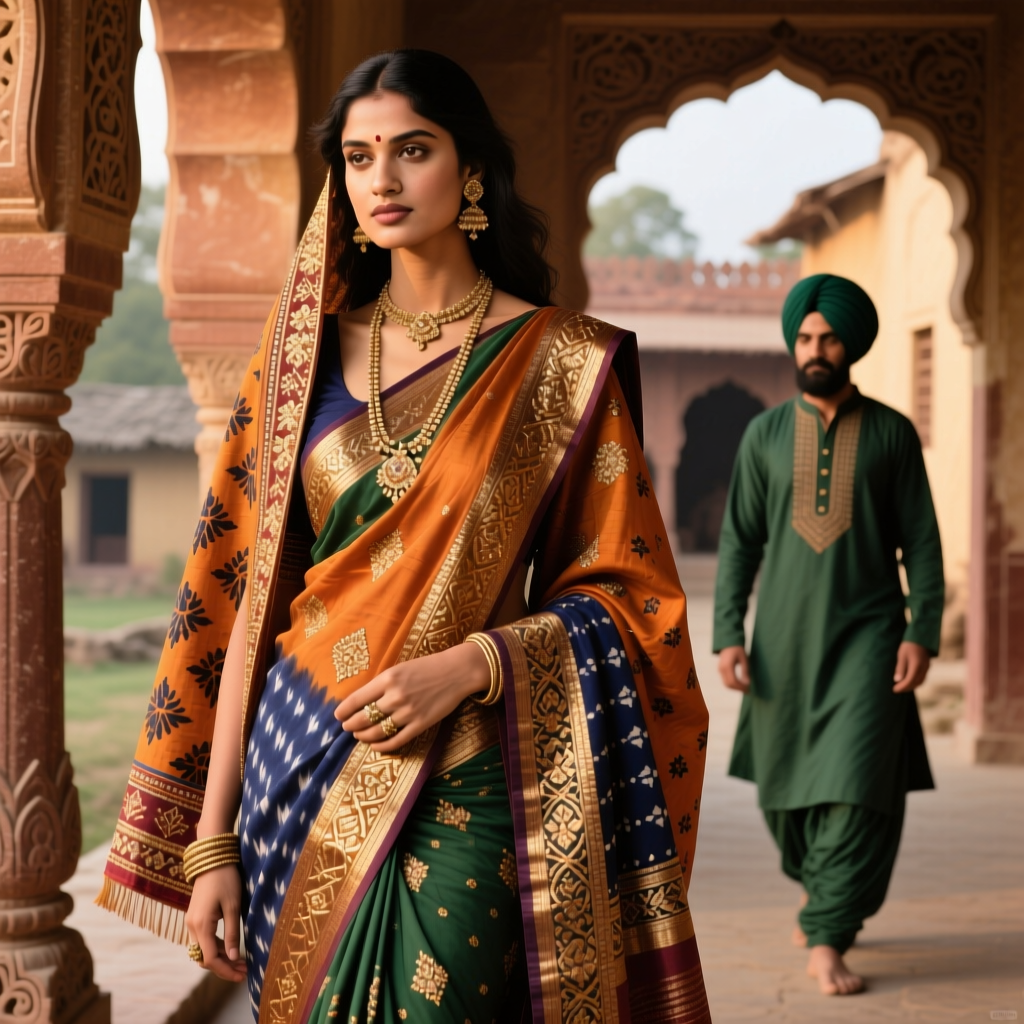
For Indian, Pakistani, and Bangladeshi weddings, pure silk (pure zari) is the gold standard. Banarasi silk, Kanjeevaram silk, and Patola silk are traditional choices for bridal sarees. For the groom, raw silk sherwanis in jewel tones convey formality. Avoid synthetic "art silk," which lacks the drape and sheen of genuine silk.
Japanese Weddings
Traditional Shinto weddings call for kinsha silk (fine crepe silk) for the bride's shiromuku (white wedding kimono). The fabric must have enough body to hold the structured obi knot while draping elegantly. For guests, subdued silk kimono in seasonal colors show respect.
Festival Fabrics
Lunar New Year
Red silk and brocade are customary for Chinese New Year celebrations. Songket (gold-threaded brocade) is traditional in Malaysian and Indonesian celebrations. The fabric should have a festive sheen without being overly formal.
African Celebrations
For events like Kwanzaa or naming ceremonies, handwoven kente cloth (Ghana), aso-oke (Nigeria), or mudcloth (bogolan) (Mali) carry deep cultural significance. These fabrics are substantial and hold their shape well in structured garments.
Climate Considerations
- Hot climates: Choose lightweight cotton, linen, or handwoven khadi for breathability
- Cold climates: Wool, heavy silk, and layered fabrics provide warmth
- Humid climates: Avoid heavy brocade; opt for lighter weaves and moisture-wicking natural fibers
Sustainability Note
When possible, choose handloom fabrics from artisan cooperatives. Hand-spun and hand-woven textiles not only support traditional livelihoods but often have a lower environmental impact than factory-produced alternatives. Look for certifications like Handloom Mark (India) or Silk Mark for verified authenticity.