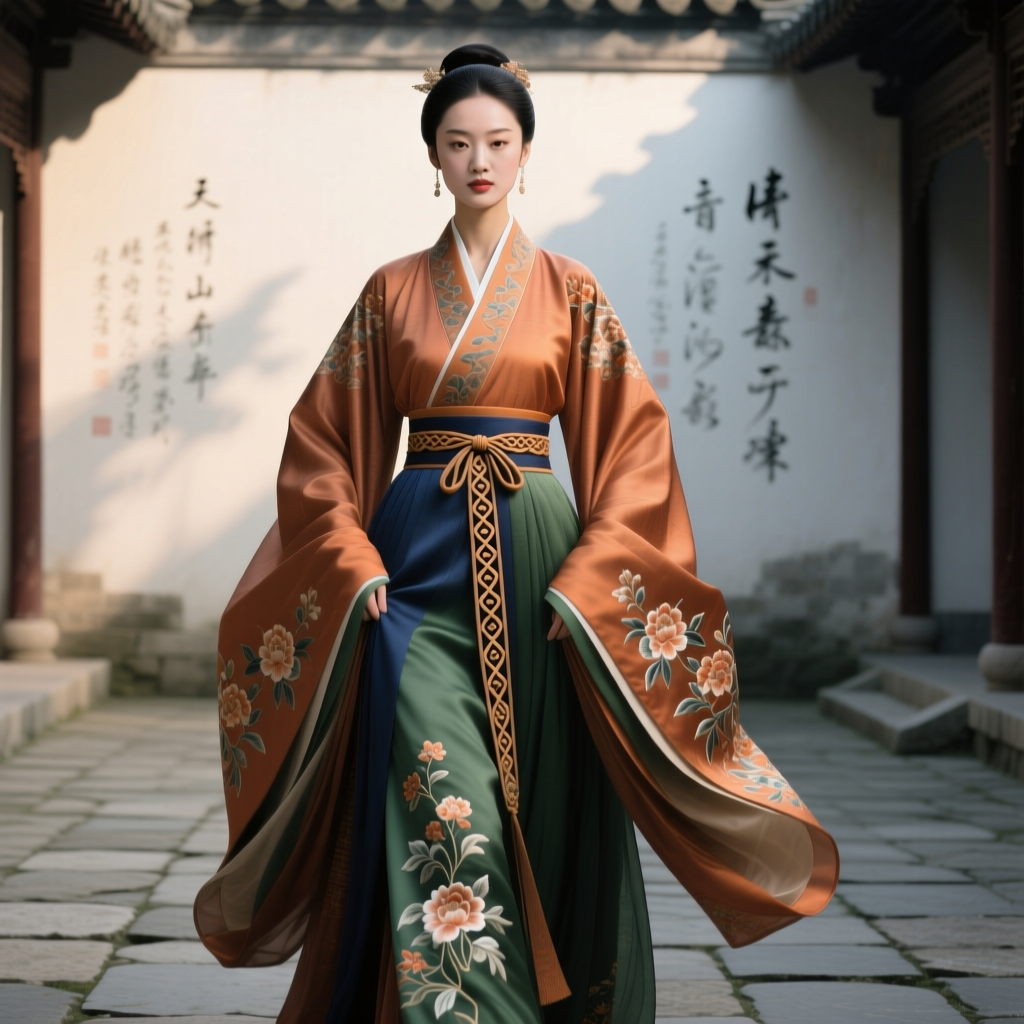
Traditional Japanese Clothing Types: A Comprehensive Cultural Guide
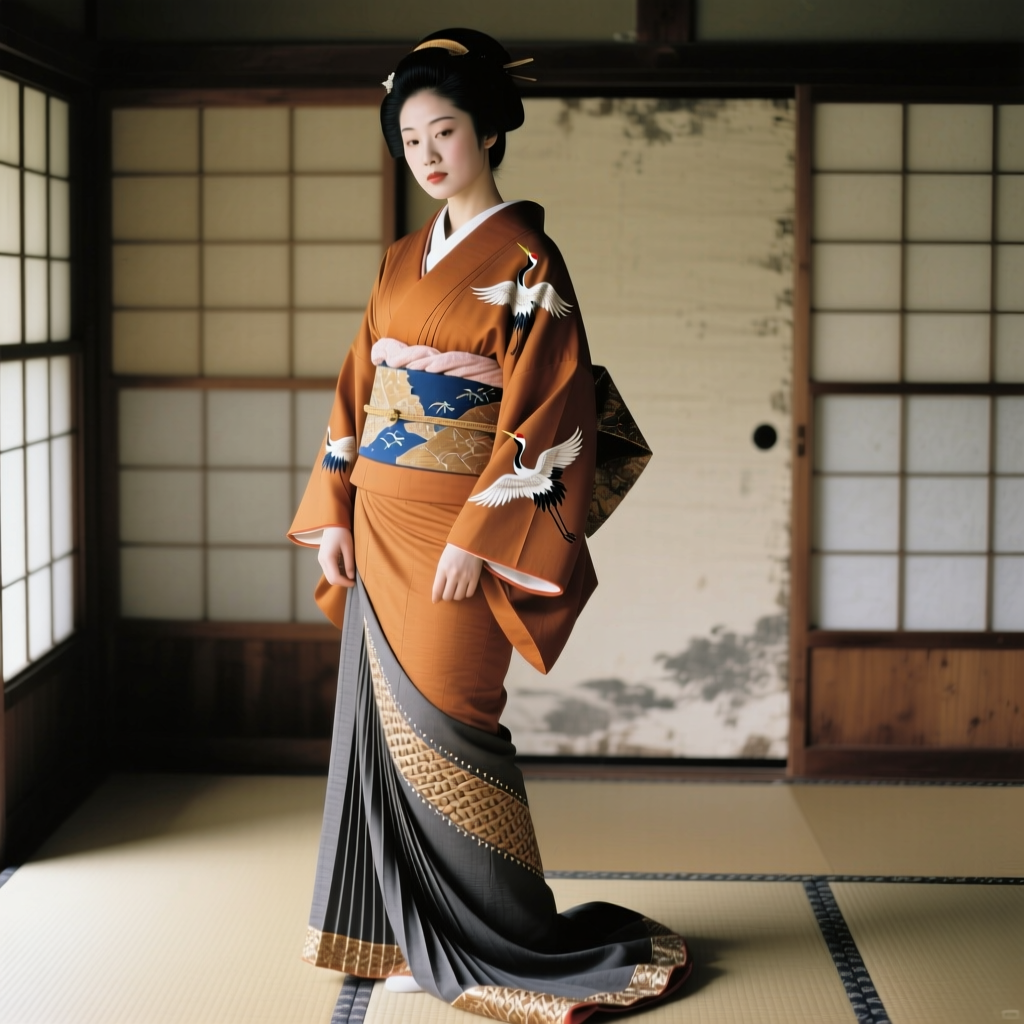
Traditional Japanese Clothing Types: A Comprehensive Cultural Guide
Japan's sartorial heritage stands as one of the most intricate and symbolically rich clothing traditions in the world. For centuries, the garments worn across the Japanese archipelago have served as far more than mere protection from the elements — they have communicated social status, seasonal awareness, marital eligibility, spiritual devotion, and artistic sensibility. From the flowing elegance of the kimono to the structured formality of the hakama, traditional Japanese clothing represents a living textile culture that continues to evolve while honoring its ancient roots.
Understanding traditional Japanese clothing types requires an appreciation of the philosophy that underpins them all: the belief that what one wears is an extension of the natural world, a reflection of inner character, and a bridge between the wearer and the cultural continuum of generations past. Whether you are a textile enthusiast, a cultural historian, or simply curious about the garments that have defined Japanese identity for over a millennium, this guide will walk you through the essential types, their origins, and their enduring significance in both historical and contemporary contexts.
For a broader perspective on global garment traditions, explore our complete garment guides collection, where we examine clothing heritage from cultures around the world.
The Kimono: Japan's Iconic National Garment
No discussion of traditional Japanese clothing can begin anywhere other than the kimono — a garment so deeply woven into Japanese identity that its very name translates simply to "thing to wear" (ki meaning "wear" and mono meaning "thing"). The kimono's origins trace back to the Heian period (794–1185), when Japanese court culture began developing distinctly native aesthetic sensibilities, moving away from Chinese-influenced clothing styles that had dominated earlier centuries.
Origins & Evolution
The earliest precursor to the modern kimono was the kosode, a narrow-sleeved undergarment worn beneath the elaborate multi-layered robes of Heian-era nobility. Over centuries, the kosode migrated from undergarment to outerwear, gradually evolving into the kimono as we recognize it today. During the Edo period (1603–1868), the kimono reached its artistic zenith, with sophisticated dyeing techniques such as yūzen (resist-dyeing) enabling artisans to paint elaborate pictorial designs directly onto silk. Sumptuary laws enacted by the Tokugawa shogunate paradoxically fueled creative innovation, as commoners devised subtle ways to display wealth and taste through hidden linings, understated patterns, and exquisite textile craftsmanship.
Characteristics & Construction
The kimono is constructed from straight-line cuts of fabric, typically silk, assembled in a T-shape with minimal waste. This geometric construction method means that a single kimono can be disassembled, cleaned, and reassembled — a practice rooted in both practicality and reverence for materials. Key structural elements include:
- Okumi — the front overlap panels that wrap left over right (right over left is reserved exclusively for dressing the deceased)
- Sode — sleeves whose length and depth communicate the wearer's age and marital status
- Eri — the collar, which frames the nape of the neck, considered one of the most elegant features in Japanese aesthetics
- Obi — the wide sash that secures the kimono, itself a major art form with countless tying styles
Types of Kimono & Occasions
The kimono family encompasses numerous subtypes, each designated for specific occasions, seasons, and social positions:
- Furisode — characterized by dramatically long, swinging sleeves, worn exclusively by unmarried women at coming-of-age ceremonies, weddings, and formal celebrations
- Tomesode — the most formal kimono for married women, featuring patterns below the waist and family crests (mon) on the upper body
- Hōmongi — "visiting wear" with patterns that flow across seams, appropriate for both married and unmarried women at semi-formal occasions
- Komon — casual kimono with repeating small patterns, suitable for everyday outings, tea gatherings, and informal events
- Yukata — a lightweight cotton kimono worn during summer festivals, at hot spring resorts, and as casual loungewear
- Shiromuku — an all-white wedding kimono symbolizing purity and the bride's willingness to be "dyed" in the colors of her new family
- Uchikake — a heavily padded, unbelted outer robe worn over a kimono, often seen in bridal contexts and theatrical performances
Regional Variations
Japan's diverse geography has given rise to distinctive regional kimono traditions. Kaga yūzen from Kanazawa is celebrated for its naturalistic, botanical motifs rendered in a distinctive five-color palette. Kyō yūzen from Kyoto tends toward more stylized, elegant designs reflecting the city's courtly heritage. In Okinawa, the bingata dyeing tradition produces vibrant, stencil-patterned textiles in tropical hues that reflect the Ryūkyū Islands' unique cultural identity. The Ōshima tsumugi of Amami Ōshima represents one of the most labor-intensive silk-weaving traditions in the world, with threads dyed using iron-rich mud to create subtle, earthy patterns that can take over a year to complete. Learn more about regional textile traditions in our cultural heritage guides.
Hakama, Haori & Complementary Garments
While the kimono commands the most attention, traditional Japanese wardrobes include a rich ecosystem of complementary garments that layer, accessorize, and complete an outfit. These pieces carry their own deep histories and cultural codes.
Hakama: The Pleated Trousers of Dignity
The hakama is a divided skirt or wide-legged trouser worn over a kimono, secured at the waist with long ties. Its origins lie in the clothing of Heian-period court nobles and samurai warriors, for whom the hakama served both practical and ceremonial purposes. The garment's distinctive seven pleats are traditionally said to represent the seven virtues of bushidō — the samurai code of conduct — including righteousness, courage, benevolence, respect, honesty, honor, and loyalty.
Two primary types exist: the umanori (divided-leg, resembling trousers) and the andon (undivided, resembling a skirt). Historically, hakama were predominantly male attire, but today they are worn by women on significant occasions such as university graduation ceremonies, by shrine maidens (miko) as part of their ceremonial dress, and by practitioners of martial arts including kendo, aikido, and kyūdō.
Haori: The Artful Jacket
The haori is a hip-length or thigh-length jacket worn open over a kimono, resembling a short coat. Originally a male garment associated with the samurai class and Edo-period firemen, the haori was adopted by women during the Meiji period and has since become a unisex staple of Japanese wardrobes. The haori's interior lining often features elaborate, hidden designs — a concept known as iki, or understated sophistication — where true beauty is revealed only in fleeting glimpses.
Formal haori bear family crests and are crafted from fine silk, while casual versions may feature bold graphic patterns, shibori tie-dye, or modern artistic prints. The haori's versatility has made it one of the most adaptable traditional garments, frequently incorporated into contemporary fashion both within Japan and internationally.
Happi, Jinbei & Working Garments
Not all traditional Japanese clothing was designed for ceremony. The happi coat — a short, loose-fitting jacket typically adorned with bold kanji characters or family/shop crests — originated as workwear for laborers, merchants, and firefighters. Today, happi coats are ubiquitous at festivals (matsuri), where neighborhood teams and shrine associations wear matching happi as expressions of communal identity and celebratory spirit.
The jinbei is a two-piece summer garment consisting of a short-sleeved jacket and matching shorts, typically made from cotton or hemp in indigo-dyed patterns. Originally worn by men and children as casual indoor wear, jinbei have become increasingly popular among women and are a common sight at summer fireworks festivals and hot spring towns.
The samue, a jacket-and-trouser set traditionally worn by Zen Buddhist monks for physical labor and temple maintenance, has similarly crossed into mainstream casual wear, appreciated for its comfort, simplicity, and meditative aesthetic.
Formal & Ceremonial Dress: Noh, Court & Sacred Garments
Japan's performing arts, imperial traditions, and religious practices have preserved some of the most extraordinary and historically continuous clothing traditions on Earth. These garments operate in a realm beyond fashion — they are ritual objects, artistic instruments, and repositories of cultural memory.
Noh & Kabuki Theater Costumes
Noh theater, which crystallized as an art form in the 14th century under the genius of Zeami Motokiyo, employs costumes of breathtaking opulence. The karaori, a richly brocaded outer robe worn by actors playing female roles, is woven with gold and silver threads in patterns that convey the character's nature, emotional state, and social position. Noh costumes are constructed to interact dynamically with the actor's movement — the stiff, heavy fabrics create a stately, almost supernatural quality of motion that is essential to the art form's aesthetic.
Kabuki theater, which emerged in the early Edo period as a more populist counterpart to Noh, features equally elaborate costumes but with bolder colors, more dramatic silhouettes, and innovative mechanical elements. The hikinuki technique allows an actor's costume to be transformed onstage in seconds — threads are pulled to release one layer, revealing an entirely different costume beneath, enabling instantaneous character transformations that thrill audiences.
Imperial Court Dress
The junihitoe, or "twelve-layer robe," represents the apex of Japanese textile culture. Worn by court ladies during the Heian period, this extraordinary ensemble could consist of up to twenty layers of silk robes, each carefully arranged so that the edges created cascading color combinations visible at the collar, sleeves, and hem. The specific color layering — known as kasane no irome — was governed by strict seasonal conventions, with hundreds of named combinations reflecting the subtle shifts of the natural world throughout the year.
While the full junihitoe is now worn only on rare imperial occasions, its aesthetic principles continue to influence Japanese color sensibility and textile design. The sokutai, the male equivalent of court formal dress, features a voluminous outer robe, stiffened hat (kanmuri), and ceremonial baton (shaku), and is still worn by the Emperor and high-ranking officials during enthronement ceremonies and state rituals.
Shinto & Buddhist Religious Vestments
Shinto shrine priests wear jōe, white or colored robes with distinctive pointed hats called eboshi, during purification rituals and festivals. Shrine maidens, or miko, wear the iconic ensemble of white kimono top (hakui) and red hakama, a combination that has become one of the most recognizable images in Japanese visual culture.
Buddhist monastic dress in Japan encompasses a wide range of garments depending on sect, rank, and occasion. The kesa, a rectangular robe draped over one shoulder, is the most sacred Buddhist vestment, traditionally made from donated fabrics sewn together in a patchwork pattern that symbolizes humility and non-attachment. The koromo, a flowing black or dark robe, is the everyday attire of ordained monks and nuns, while elaborate brocaded versions are reserved for high-ranking clergy during major ceremonies.
Footwear, Accessories & the Complete Ensemble
A traditional Japanese outfit is never complete without its accompanying accessories — items that are themselves masterworks of craft and carry significant cultural meaning.
Footwear Traditions
Zōri are flat, sandal-like footwear made from a variety of materials including straw, lacquered wood, leather, and modern synthetics. Formal zōri for women are often covered in brocade fabric matching the kimono, while men's zōri tend toward simpler, darker materials. The geta, elevated wooden clogs with one or two "teeth" on the underside, originated as practical footwear for navigating muddy streets and rainy conditions. Different geta styles — from the tall, single-toothed tengu geta to the low, comfortable ukon geta — suit different occasions and kimono types.
Tabi socks, distinguished by their split-toe design that accommodates the thong of zōri or geta, are an essential element of formal dress. White tabi are standard for formal occasions, while colored or patterned tabi add a playful accent to casual ensembles. The waraji, straw rope sandals once worn by commoners, travelers, and samurai on the march, are now primarily seen in historical reenactments and certain festival contexts.
Hair Ornaments & Small Accessories
The kanzashi family of hair ornaments encompasses an astonishing range of decorative objects — silk flowers, lacquered pins, tortoiseshell combs, dangling metal ornaments, and seasonal motifs. Geisha and maiko (apprentice geisha) follow strict seasonal calendars for kanzashi selection, with specific flowers, colors, and designs corresponding to each month. The kushi (comb) and kōgai (ornamental hair rod) are additional hair accessories that historically indicated a woman's social status and taste.
Small accessories such as the inrō (a nested box for carrying medicines or seals), netsuke (small carved toggles used to secure items to the obi), and kinchaku (drawstring pouches) were once practical necessities that evolved into highly collectible art forms. Today, these objects are treasured by collectors worldwide and offer fascinating windows into Edo-period daily life and aesthetic values.
For more on how accessories complete traditional outfits across cultures, visit our accessories and garment styling guides.
Cultural Significance & Modern Relevance
Traditional Japanese clothing is far more than a historical artifact — it is a living cultural practice that continues to shape Japanese identity, artistic expression, and social interaction in profound ways.
The Philosophy of Kitsuke
The art of wearing kimono, known as kitsuke, is itself a disciplined practice requiring years of study. Licensed kitsuke schools teach not only the mechanical skills of folding, wrapping, and tying, but also the cultural knowledge necessary to select appropriate garments, patterns, colors, and accessories for any given occasion, season, and time of day. This system of sartorial rules — complex but internally coherent — represents a form of cultural literacy that connects practitioners to centuries of accumulated aesthetic wisdom.
Kimono in Contemporary Life
While Western clothing dominates everyday Japanese life, traditional garments remain essential for key life milestones. Children wear kimono for Shichi-Go-San (the celebration of ages three, five, and seven), young women don furisode for Seijin no Hi (Coming of Age Day), brides wear shiromuku and uchikake for wedding ceremonies, and families dress in formal kimono for tea ceremonies, ikebana exhibitions, and New Year shrine visits.
A vibrant revival movement has emerged in recent decades, with younger Japanese embracing kimono as a form of creative self-expression rather than rigid obligation. Vintage kimono shops, kimono rental services, and social media communities have made traditional garments more accessible, while contemporary designers are reimagining kimono silhouettes and patterns for modern sensibilities. The concept of "kimono remodeling" — transforming vintage kimono fabric into modern clothing, accessories, and home décor — reflects both environmental consciousness and a desire to keep textile heritage alive in new forms.
Global Influence & Cultural Exchange
Japanese clothing traditions have exerted enormous influence on global fashion and design. The kimono's flat, geometric construction inspired designers from Madeleine Vionnet to Issey Miyake, while concepts like wabi-sabi (beauty in imperfection), ma (negative space), and iki (subtle sophistication) have reshaped international aesthetic discourse. Japanese indigo dyeing (aizome), shibori resist techniques, and sashiko stitching have been adopted by artisans and designers worldwide, creating cross-cultural dialogues that honor tradition while pushing craft forward.
The international appreciation for Japanese textile arts has also fueled important preservation efforts. Organizations and individual artisans work to maintain endangered techniques — from the cultivation of specific silkworm breeds to the hand-carving of yūzen stencils — ensuring that the knowledge embedded in these garments survives for future generations. Explore more about global textile preservation in our cultural heritage and textile guides.
Frequently Asked Questions
What is the difference between a kimono and a yukata?
The primary differences between a kimono and a yukata lie in material, construction, and formality. A kimono is typically made from silk (or high-quality synthetic alternatives), features an interior lining, and requires multiple undergarments and accessories to wear properly. A yukata is made from lightweight cotton or hemp, is unlined, and is designed to be worn directly against the skin with minimal underlayers. Yukata are considered casual summer wear, appropriate for festivals, fireworks displays, hot spring resorts, and relaxing at home. Kimono, depending on type, range from casual daily wear to the most formal occasions in Japanese society. The obi worn with yukata is also typically simpler and narrower than formal kimono obi.
How do you determine the formality level of a kimono?
Kimono formality is determined by several interrelated factors: pattern placement (patterns covering the entire garment are less formal than those concentrated below the waist), fabric type (silk outranks cotton or wool), number of family crests or mon (five crests indicate the highest formality, followed by three, then one), dyeing technique (hand-painted yūzen is more formal than woven patterns), and color (black and deep, subdued tones tend to be more formal). Additionally, the formality of the obi, obi-jime (decorative cord), and footwear must harmonize with the kimono's level. This multi-layered system allows for extremely precise calibration of dress to occasion — a skill that kitsuke practitioners spend years mastering.
Can non-Japanese people wear traditional Japanese clothing?
Yes, and it is generally welcomed and appreciated when done respectfully. Japanese culture has a long tradition of sharing its arts and customs with international visitors and enthusiasts. Many kimono rental shops in cities like Kyoto, Tokyo, and Kanazawa cater specifically to tourists, offering dressing services and guidance on appropriate styling. The key considerations are respect and appropriateness: avoid wearing funerary styles (such as left-over-right wrapping), ensure garments are worn correctly with proper underlayers, and approach the practice with genuine appreciation rather than mockery. Attending a formal tea ceremony, visiting a shrine, or participating in a festival while properly dressed in traditional clothing is widely viewed as a meaningful form of cultural engagement.
What are the most important seasonal rules in Japanese clothing?
Seasonal awareness — kisetsukan — is perhaps the most distinctive aspect of Japanese clothing culture. The general framework includes: awase (lined kimono) worn from approximately October through May, hitoe (unlined kimono) worn in June and September, and usumono (sheer, transparent fabrics) worn during the peak heat of July and August. Beyond fabric weight, seasonal rules govern motifs — cherry blossoms appear in late March and early April (never in autumn), maple leaves belong to November, and pine, bamboo, and plum are auspicious winter/New Year motifs. Wearing a motif slightly before its natural season is considered more refined than wearing it during or after, reflecting the Japanese aesthetic principle of anticipation. Colors also shift seasonally, with cool blues and greens favored in summer and warm, rich tones preferred in autumn and winter.
How should traditional Japanese garments be cared for and stored?
Proper care of traditional Japanese garments reflects the deep respect for materials that permeates Japanese craft culture. Silk kimono should be aired regularly in shaded, well-ventilated areas — direct sunlight can fade dyes and weaken fibers. Professional cleaning, known as araihari, involves disassembling the garment, washing individual fabric panels, and reassembling — a practice that extends the garment's life for generations. For storage, kimono are folded along their construction seams using a precise method called tatami folding, wrapped in acid-free paper or cotton cloth, and stored in drawers made from paulownia wood (kiri), which naturally regulates humidity and repels insects. Cedar-lined chests are also traditional. Avoid plastic storage, which traps moisture and promotes mold. Vintage and antique kimono require especially careful handling, and consultation with a specialist is recommended for garments of significant age or value.
For more insights into garment care traditions and textile preservation techniques from around the world, explore our comprehensive garment care and cultural guides at The Garment Atlas.