Traditional Japanese Clothing Names: A Comprehensive Cultural Guide
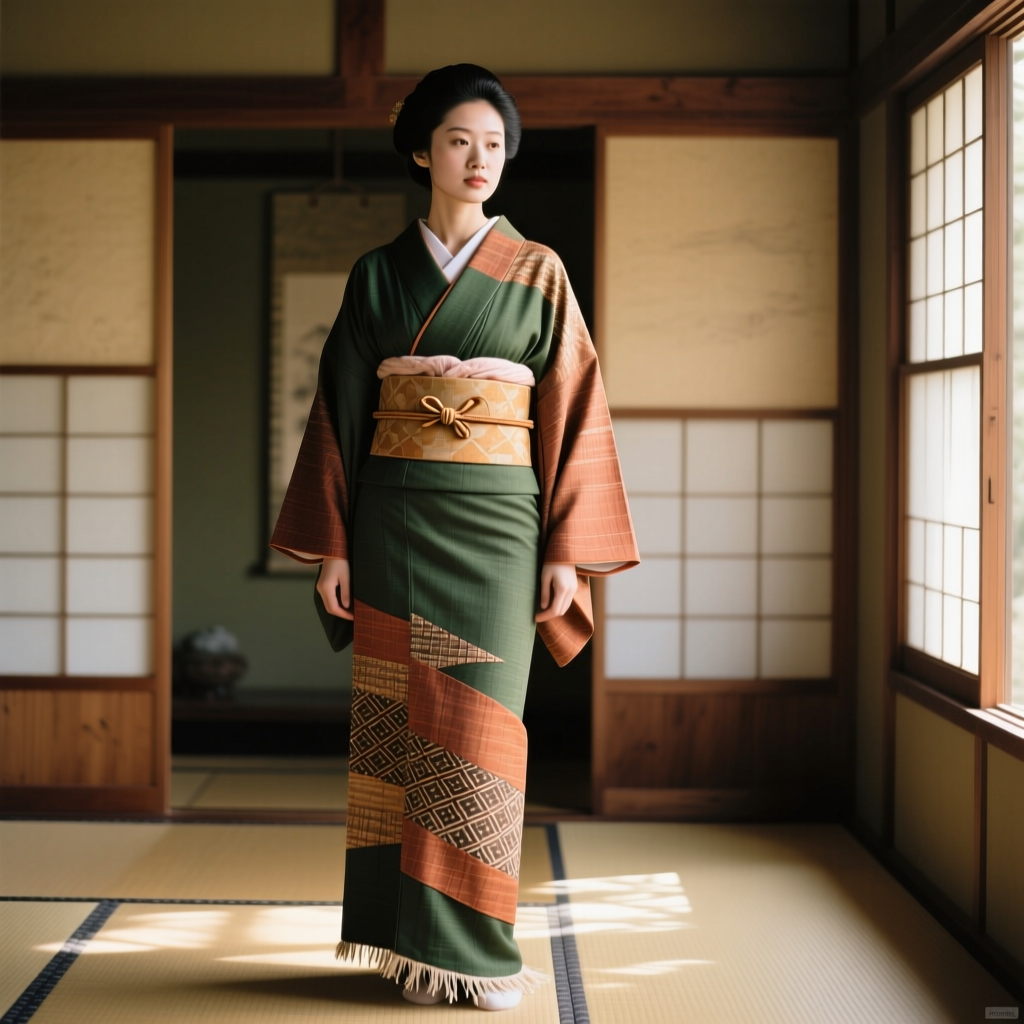
Japan's sartorial heritage stands as one of the most intricate and deeply symbolic clothing traditions in the world. For centuries, the garments worn across the Japanese archipelago have served as far more than mere protection from the elements — they have functioned as visual language, communicating age, marital status, social rank, seasonal awareness, and even spiritual belief. To learn the names of traditional Japanese clothing is to unlock a vast cultural encyclopedia woven into silk, hemp, and cotton.
The vocabulary of Japanese dress is remarkably extensive, reflecting a society that historically placed enormous value on aesthetic refinement and contextual appropriateness. Every garment name carries within it centuries of evolution, regional adaptation, and philosophical meaning. Whether you are a student of fashion history, a cultural enthusiast, or simply someone captivated by the elegance of Japanese aesthetics, understanding these names opens a window into one of humanity's most sophisticated clothing traditions.
In this guide, we explore the essential names of traditional Japanese garments — their origins, defining characteristics, the occasions on which they are worn, and the regional variations that make each piece a unique artifact of Japanese cultural identity.
The Foundations: Kimono and Its Many Variations
The word kimono (着物) literally translates to "thing to wear" — ki meaning "to wear" and mono meaning "thing." While in the West, "kimono" has become a catch-all term for Japanese robes, in Japan it refers to a specific category of T-shaped, straight-lined garments with attached collars and wide sleeves. The kimono as we recognize it today evolved from the kosode (小袖), a garment with small sleeve openings that emerged as the principal outer garment during the Muromachi period.
Within the kimono family, several distinct types carry their own names and serve specific purposes:
Furisode (振袖)
The furisode is the most formal kimono worn by unmarried women. Its name means "swinging sleeves," referring to the dramatically long sleeves that can extend from 85 to 114 centimeters. These flowing sleeves historically served as a way for young women to express romantic interest — a subtle side-to-side sway could signal affection. Today, furisode are most commonly seen during Coming of Age Day celebrations and at formal weddings. The garments are typically adorned with elaborate patterns covering the entire surface, created through techniques such as yuzen dyeing and intricate embroidery.
Tomesode (留袖)
The tomesode is the most formal kimono for married women. The name translates to "fastened sleeves," indicating the shorter, more restrained sleeve length compared to the furisode. There are two subcategories: kurotomesode (black tomesode), worn by close relatives at weddings, and iirotomesode (colored tomesode), which offers slightly more versatility. Kurotomesode feature family crests, or kamon, placed at five strategic points on the garment, and display decorative patterns only below the waistline.
Hōmongi (訪問着)
The hōmongi, meaning "visiting wear," occupies a versatile middle ground in the formality hierarchy. Both married and unmarried women may wear it. Its distinguishing feature is a continuous pattern that flows across seams — the design is painted onto the fabric before cutting, ensuring an unbroken artistic composition. Hōmongi are appropriate for tea ceremonies, wedding receptions (as a guest), and other semi-formal social occasions.
Komon (小紋)
Komon translates to "small pattern" and refers to casual kimono featuring repeating designs across the entire surface. These garments are suitable for everyday wear, casual outings, and informal gatherings. The komon category includes the charming Edo komon, which features extraordinarily fine patterns that appear solid from a distance — a technique that originated in samurai-era Edo (modern Tokyo).
For a deeper exploration of how these garments fit into the broader landscape of East Asian dress, our guide to Asian traditional clothing provides valuable comparative context.
Beyond the Kimono: Essential Garment Names
While the kimono may dominate international awareness, the full wardrobe of traditional Japanese clothing encompasses a remarkable array of garments, each with its own name, purpose, and cultural story.
Yukata (浴衣)
The yukata is perhaps the most accessible traditional Japanese garment in contemporary life. Its name derives from yukatabira, originally a linen robe worn by nobility after bathing. Over centuries, it evolved into a lightweight cotton casual garment worn during summer festivals, at onsen (hot spring) resorts, and as loungewear. Unlike formal kimono, the yukata is worn directly against the skin without the layered undergarments required for silk kimono. The fabrics typically feature bold, graphic patterns — indigo and white being the most classic color combination. Yukata are secured with a simpler hanhaba obi (half-width sash), making them far easier to dress in than their formal counterparts.
Haori (羽織)
The haori is a hip- or thigh-length jacket worn over a kimono. Originally a garment of the samurai class, it was adopted more broadly during the Edo period. The haori features a distinctive construction: it is open at the front, with no overlapping panels like a kimono, and is typically fastened with braided cords called haori himo. The interior lining of a haori often conceals elaborate, hidden artwork — a tradition born from sumptuary laws that restricted outward displays of luxury. This concept, known as iki, reflects a refined aesthetic sensibility that values subtlety and concealed beauty. Today, haori have gained international popularity as versatile outerwear pieces that bridge traditional and contemporary fashion.
Hakama (袴)
Hakama are wide, pleated trousers or skirt-like garments worn over a kimono. Their history stretches back to the Heian period, when they were standard attire for court nobles. The most recognizable form features seven deep pleats — five in front and two in back — said to represent the seven virtues of the samurai: benevolence, courtesy, justice, wisdom, loyalty, sincerity, and honor. Hakama are worn today by practitioners of martial arts such as kendo and aikido, by Shinto priests during ceremonies, and by women at graduation ceremonies. The andon bakama (lantern hakama) is an unpleated, skirt-like variant worn by women for formal occasions.
Obi (帯)
No discussion of traditional Japanese clothing names is complete without the obi — the wide sash that secures and adorns the kimono. Far from a simple belt, the obi is a garment in its own right, with numerous named varieties. The fukuro obi is the most formal, often woven with gold and silver threads and measuring over four meters in length. The nagoya obi, invented in the early twentieth century in Nagoya, is pre-folded and easier to tie, making it popular for semi-formal and casual wear. The maru obi, the most ornate and heaviest type, features patterns on both sides and is now primarily worn by brides and geisha. The art of tying an obi — known as musubi — encompasses hundreds of named knots, each suited to different occasions, ages, and kimono types.
Tabi (足袋) and Zōri (草履)
Traditional Japanese footwear also carries specific names. Tabi are split-toe socks, typically white, designed to be worn with thonged footwear. The split-toe design accommodates the thong between the first and second toes. Zōri are flat, sandal-like shoes with a thong, made from materials ranging from straw to lacquered wood to modern vinyl. A more elevated variant, the geta (下駄), features wooden platforms raised on "teeth" — blocks of wood underneath — originally designed to keep garments above muddy streets. The distinctive clip-clop sound of geta remains an evocative auditory symbol of traditional Japan.
Explore more about how these accessories complete traditional ensembles in our traditional footwear guide.
Ceremonial and Occupational Garments
Japanese culture has developed highly specialized garments for specific ceremonies, professions, and spiritual practices. These garments carry names that are deeply embedded in their respective traditions.
Shiromuku (白無垢)
The shiromuku is the quintessential Japanese bridal kimono — an entirely white ensemble symbolizing purity and the bride's willingness to be "dyed" in the colors of her new family. The outfit includes a white kimono, white obi, white accessories, and a distinctive hood called a tsunokakushi (角隠し), which literally means "horn-hiding" — a poetic reference to concealing any jealousy or stubbornness as one enters married life. The shiromuku is among the most expensive garments in Japanese culture, with handcrafted examples commanding extraordinary prices.
Uchikake (打掛)
The uchikake is a luxurious padded over-robe worn by brides during the wedding reception. Unlike the shiromuku, the uchikake is often brilliantly colored and heavily decorated with auspicious motifs such as cranes, pine trees, and flowing water. It is worn open over the kimono, with its padded hem trailing along the floor — a design element that creates a dramatic, regal silhouette. Historically, the uchikake was worn by women of the samurai and aristocratic classes for formal occasions beyond weddings.
Montsuki (紋付)
The montsuki is a formal men's kimono bearing family crests. The name combines mon (crest) and tsuki (attached). Typically black or dark in color, the montsuki is worn with hakama and a haori for the most formal occasions — weddings, funerals, and important ceremonies. The number of crests (one, three, or five) indicates the level of formality, with five crests representing the highest degree of formality.
Kamishimo (裃)
The kamishimo is a formal outfit of the samurai class, consisting of a sleeveless jacket with exaggerated, wing-like shoulders worn over a kimono, paired with hakama. The name derives from the combination of kataginu (the stiff-shouldered vest) and hakama. While rarely seen today outside of historical reenactments and kabuki theater, the kamishimo remains one of the most visually striking garments in Japanese sartorial history, representing the rigid social hierarchy and aesthetic discipline of the warrior class.
Samue (作務衣) and Jinbei (甚平)
On the more practical end of the spectrum, the samue is a work garment traditionally worn by Zen Buddhist monks for manual labor — sweeping, gardening, and temple maintenance. Consisting of a jacket and loose trousers, it is typically made from cotton or hemp in subdued colors. The jinbei is a casual two-piece summer outfit consisting of a short-sleeved top and shorts, often made from lightweight cotton with simple patterns. Both garments have seen a resurgence in popularity as comfortable, culturally-rooted alternatives to Western loungewear.
Learn more about how occupational dress has shaped global fashion in our workwear traditions collection.
Regional Variations and Local Textile Traditions
Japan's diverse geography — stretching from the subarctic island of Hokkaido to the subtropical Ryukyu Islands — has produced significant regional variations in traditional clothing. These variations reflect not only climate differences but also local resources, historical trade relationships, and distinct cultural identities.
Ryusou (琉装) of Okinawa
The Ryukyu Islands, now Okinawa Prefecture, developed their own distinctive clothing tradition known as ryūsō. Influenced by both Japanese and Chinese court dress, ryūsō features lighter fabrics suited to the subtropical climate, with garments often made from bashōfu (banana fiber cloth) and kasuri (ikat-dyed cotton). The silhouettes are generally looser and more open than mainland kimono, reflecting the need for ventilation in a warm, humid environment. The vibrant bingata dyeing technique, unique to Okinawa, produces bold patterns featuring local flora, fauna, and geometric motifs in vivid reds, yellows, and blues.
Ainu Attus of Hokkaido
The indigenous Ainu people of Hokkaido developed clothing traditions entirely distinct from mainland Japan. The attus is a robe made from the inner bark of the elm tree, woven on a backstrap loom. The garments are decorated with intricate appliqué and embroidery patterns called moreu and aiushi, which serve both decorative and spiritual protective functions. These swirling, thorn-like motifs are believed to ward off evil spirits. The Ainu clothing tradition represents one of the most unique textile heritages in East Asia.
Kaga Yūzen of Kanazawa
The city of Kanazawa in Ishikawa Prefecture is renowned for Kaga yūzen, a kimono dyeing technique characterized by five signature colors (indigo, crimson, ochre, grass green, and purple) and realistic nature motifs. Kaga yūzen kimono are distinguished by their soto-bokashi (outer shading) technique, where colors graduate from the edges of a design inward. The city's kimono tradition was supported by the powerful Maeda clan, who patronized artisans and encouraged the development of luxury textile crafts.
Yūki Tsumugi of Ibaraki
Yūki tsumugi is a pongee silk textile produced in the Yūki region of Ibaraki Prefecture. Designated as an Important Intangible Cultural Property, this fabric is woven from hand-spun silk floss — a painstakingly slow process that produces a textile of extraordinary lightness, warmth, and durability. A single bolt of yūki tsumugi can take months or even years to complete. The resulting kimono are prized for their subtle beauty and the way they soften and improve with age, embodying the Japanese aesthetic concept of wabi-sabi.
Kasuri of Kurume
Kurume kasuri is a cotton ikat textile originating from Kurume in Fukuoka Prefecture. The technique involves resist-dyeing threads before weaving, creating patterns with characteristic blurred edges. Originally developed as a durable, washable fabric for farmers and laborers, Kurume kasuri has evolved into a respected textile art. The patterns range from simple geometric repeats to elaborate pictorial designs, and the fabric is used for both kimono and contemporary clothing.
Discover more about how regional textile traditions shape garment identity in our textile weaving techniques guide.
Cultural Significance and Living Traditions
The names of traditional Japanese clothing are not merely labels — they are vessels of cultural memory, aesthetic philosophy, and social communication. Understanding their significance requires engaging with several deeper dimensions of Japanese culture.
The Language of Seasons
Traditional Japanese dress operates within a deeply seasonal framework. The concept of kisetsukan (seasonal feeling) dictates that garments should reflect the current season through color, pattern, fabric weight, and even lining. Wearing cherry blossom motifs before the buds appear, or maple leaves before autumn arrives, is considered not just a fashion choice but a form of cultural literacy. This seasonal sensitivity connects the wearer to the natural world in a manner that reflects the Shinto reverence for nature's cycles. The names of garments themselves sometimes encode seasonal information — the awase (lined kimono) is worn from October through May, while the hitoe (unlined kimono) is worn in June and September, and the usumono (sheer kimono) is reserved for the peak heat of July and August.
Social Signaling and the Rules of Dress
Traditional Japanese clothing names encode a complex system of social information. A furisode immediately identifies the wearer as an unmarried young woman; a kurotomesode signals a married woman attending a formal event as a close relative. Men's montsuki with five crests communicates the highest level of formality. These visual cues once governed social interactions with precision, allowing strangers to quickly assess one another's status, intentions, and appropriateness to the occasion. While modern Japanese life has relaxed many of these rules, the underlying system remains influential, particularly in ceremonial contexts.
The Philosophy of Kitsuke
Kitsuke (着付け) — the art of dressing in kimono — is itself a named discipline, taught in specialized schools and passed down through generations. The process of putting on a formal kimono involves multiple layers, precise folding techniques, and dozens of small accessories, each with its own name: the nagajuban (long undergarment), the datejime (tying sash), the koshihimo (hip ties), the obi-ita (obi stiffener), the obi-age (obi scarf), and the obi-jime (obi cord). Learning these names is part of a broader education in Japanese etiquette, aesthetics, and bodily discipline.
Preservation and Contemporary Revival
In recent decades, growing awareness of the fragility of traditional textile knowledge has spurred preservation efforts across Japan. Government designations such as Living National Treasure (formally, Holder of Important Intangible Cultural Property) have helped sustain master artisans in weaving, dyeing, and embroidery. Meanwhile, a younger generation has embraced vintage kimono, mixing traditional garments with contemporary accessories in a style movement sometimes called kimono modern. Secondhand kimono shops, rental services, and social media communities have made these garments more accessible, ensuring that the names and traditions they carry continue to circulate in living culture rather than existing solely in museum archives.
Our cultural heritage section offers additional resources on how traditional garment knowledge is preserved and transmitted across generations worldwide.
Frequently Asked Questions
What is the difference between a kimono and a yukata?
The primary differences lie in formality, fabric, and construction. A kimono is typically made from silk (though modern versions may use polyester or wool), features multiple layers including a nagajuban undergarment, and is worn with formal obi and accessories. A yukata is made from lightweight cotton, worn directly against the skin without undergarments, and paired with a simpler half-width obi. Yukata are considered casual summer wear, appropriate for festivals and relaxed settings, while kimono span a wide range of formality levels. The way each garment is tied and accessorized also differs significantly, with yukata dressing being considerably simpler and more accessible for beginners.
How many layers does a traditional kimono outfit involve?
A formal kimono outfit can involve a remarkable number of layers and components. Starting from the innermost layer, a woman's formal ensemble typically includes: hadajuban (skin undergarment), susoyoke (half-slip), nagajuban (full-length undergarment), the kimono itself, and the obi with its associated accessories (obi-age, obi-jime, obi-ita, and obi-makura padding). Additional items include koshihimo ties, datejime sashes, tabi socks, and zōri sandals. In total, a fully dressed formal outfit may involve fifteen or more distinct named components. Historically, during the Heian period, court ladies wore jūnihitoe — a twelve-layered ensemble whose color combinations conveyed refined aesthetic sensibility and seasonal awareness.
Are there specific traditional Japanese garments worn only by men?
Yes, several garments are traditionally associated with men's dress. The montsuki hakama combination — a crested kimono with formal trousers — is the most formal men's ensemble. The jinbaori is a sleeveless surcoat historically worn by samurai over armor, characterized by bold family crests and striking designs. The tattsuke bakama is a type of hakama with narrowed legs, designed for ease of movement during martial arts or labor. Men's kimono tend to feature more subdued colors and patterns compared to women's garments, with formality indicated primarily by fabric quality, the presence and number of family crests, and the choice of accessories. The happi coat, a short, loose jacket often bearing a family crest or shop symbol, is a casual garment worn by both men and women during festivals.
What do the family crests on formal kimono signify?
Family crests, known as kamon (家紋), are heraldic symbols that identify a family's lineage and heritage. Japan has thousands of registered kamon designs, ranging from stylized natural motifs — wisteria, chrysanthemum, paulownia — to geometric patterns. On formal kimono, the number and placement of crests indicate the level of formality: five crests (itsutsumon) represent the highest formality, placed at the center back, both sleeves, and both chest areas; three crests (mitsumon) appear at the center back and both sleeves; one crest (hitotsumon) is placed at the center back. The imperial chrysanthemum crest is reserved for the imperial family, while the hollyhock crest is historically associated with the Tokugawa shogunate. Wearing a garment with kamon is a way of honoring one's ancestry and presenting oneself with dignity at important occasions.
Can non-Japanese people wear traditional Japanese clothing respectfully?
Yes, wearing traditional Japanese clothing as a non-Japanese person is generally welcomed and appreciated when done with genuine respect and cultural awareness. Many Japanese cultural practitioners and kimono professionals actively encourage international interest in their traditions, viewing it as a form of cultural exchange rather than appropriation. Key considerations for respectful wear include: choosing garments appropriate to the occasion and season, learning basic dressing etiquette (or seeking assistance from a qualified kitsuke practitioner), avoiding the mixing of garments in ways that violate formality rules, and approaching the experience with humility and curiosity rather than treating it as a costume or novelty. Renting kimono from established shops in Japan, attending workshops led by Japanese instructors, and studying the cultural context of the garments are all excellent ways to engage meaningfully with this living tradition. For further reading on respectful engagement with traditional garments from various cultures, visit our cultural appreciation in fashion guide.
The world of traditional Japanese clothing names is vast, nuanced, and endlessly fascinating. Each term — from the simplest yukata to the most elaborate shiromuku — carries within it centuries of aesthetic refinement, social negotiation, and cultural philosophy. By learning these names and understanding the contexts in which they are used, we gain not only sartorial knowledge but also a deeper appreciation for a civilization that has elevated the act of dressing into a profound art form. Whether you encounter these garments in a museum, at a summer festival, or through the pages of this guide, the names serve as keys to a rich and living tradition that continues to inspire and endure.