Traditional Indian Clothing Buying Guide
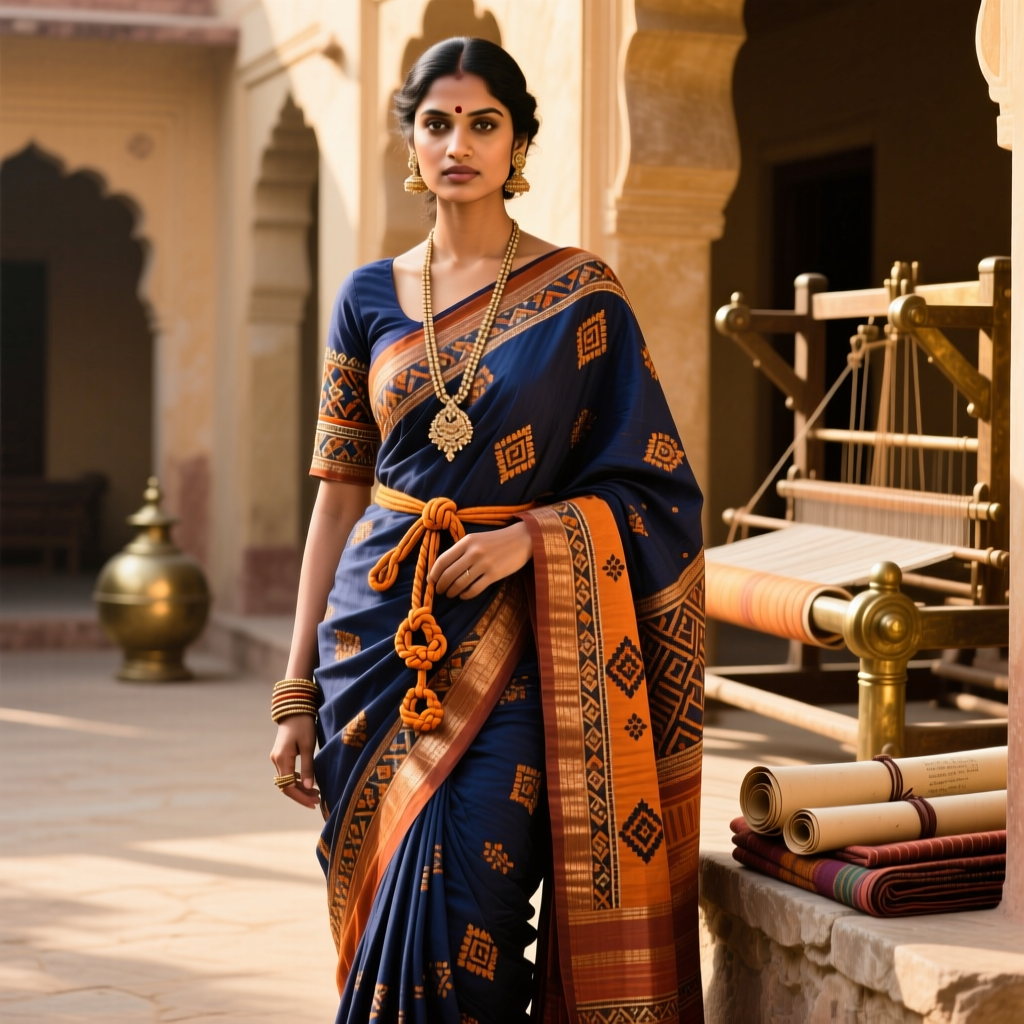
The quest to find traditional Indian clothing near me often begins with a specific, immediate need: a vibrant wedding invitation, an upcoming Diwali celebration, or a university cultural festival. However, for those willing to look closer, this local search quickly transforms into a fascinating journey across a subcontinent rich with history, artistry, and profound cultural symbolism. Indian attire is not merely a collection of garments; it is a living, breathing tapestry that tells the story of ancient civilizations, royal courts, and global diasporas.
Whether you are navigating a bustling ethnic enclave in a major metropolitan city or seeking out a specialized boutique in a quiet suburb, understanding the heritage behind these garments will profoundly enhance your experience. This comprehensive guide from The Garment Atlas will walk you through the origins, characteristics, and regional variations of Indian ethnic wear, while providing actionable advice on how to locate authentic pieces, skilled tailors, and cultural hubs in your local area.
The Origins & Evolution of Indian Attire
The story of Indian clothing stretches back over five millennia to the Indus Valley Civilization, where archaeological evidence reveals a sophisticated society that cultivated cotton and mastered early weaving techniques. During this ancient era, and well into the Vedic period, the primary philosophy of Indian dress was rooted in the beauty of unstitched fabric. Garments were draped, folded, and tied, reflecting a deep-seated cultural belief that piercing fabric with needles was inauspicious. The ancient antariya (lower garment) and uttariya (upper scarf) were the foundational elements of the wardrobe, draped elegantly to suit the sweltering climate of the subcontinent.
The evolution from purely unstitched drapes to tailored garments was largely catalyzed by waves of migration and conquest, most notably the arrival of the Mughal Empire. The Mughals brought with them a profound appreciation for structured, stitched clothing, intricate tailoring, and opulent surface embellishments. It was during this era that garments like the angrakha (a wrapped, tied tunic) and the early iterations of the salwar (trousers) became integrated into the local wardrobe. The fusion of indigenous draping traditions with Persian and Central Asian tailoring birthed a unique sartorial language that continues to dominate South Asian fashion today.
In more recent history, the Indian textile landscape was deeply shaped by the Swadeshi movement, which championed Khadi (handspun and handwoven cloth) as a symbol of self-reliance and resistance against British colonial textile monopolies. To dive deeper into this fascinating timeline, explore our comprehensive archive on the history of Indian textiles, which details how ancient weaving techniques survived and adapted through centuries of change.
Defining Characteristics of Traditional Garments
When you begin your search for traditional Indian clothing, you will encounter a dazzling array of silhouettes, fabrics, and embellishments. Unlike Western fashion, which often relies on complex pattern-cutting and darts to create shape, traditional Indian clothing frequently derives its structure from the drape of the fabric and the geometry of simple, rectangular cuts. This approach not only minimizes fabric waste but also allows garments to be easily adapted to different body types and passed down through generations.
The undisputed icon of Indian womenswear is the saree (or sari), an unstitched length of fabric typically ranging from five to nine yards in length. The saree is a masterclass in versatility; it can be draped in over a hundred different ways depending on the region, community, and occasion. If you are interested in mastering the art of the drape, our visual guide to saree draping styles offers step-by-step instructions for both classic and regional silhouettes.
Another cornerstone of the traditional wardrobe is the salwar kameez, a three-piece ensemble consisting of a tunic (kameez), trousers (salwar), and a matching scarf (dupatta). This outfit offers a perfect blend of modesty, comfort, and elegance, making it a staple for both daily wear and formal occasions. For a deeper look into how this garment evolved from royal courts to everyday streetwear, read our piece on the salwar kameez evolution.
Beyond the silhouette, the true hallmark of Indian clothing lies in its surface ornamentation. Artisans employ techniques that take hundreds of hours to complete. Zari and Zardozi involve weaving or embroidering with fine gold and silver threads, often augmented with sequins, beads, and precious stones. Other notable techniques include Chikankari (delicate white-on-white shadow embroidery from Lucknow), Kantha (running stitch embroidery from Bengal), and Phulkari (vibrant floral thread work from Punjab). Understanding these techniques will help you distinguish between mass-produced costume wear and authentic, artisan-crafted garments when shopping locally.
Regional Variations: A Subcontinental Tapestry
India is a subcontinent of staggering geographic and cultural diversity, and this is vividly reflected in its regional attire. When visiting local boutiques, recognizing these regional specialties will help you appreciate the unique heritage of each piece and ensure you are purchasing authentic textiles.
Northern India
The northern regions, particularly Punjab, Rajasthan, and Uttar Pradesh, are famous for their vibrant colors and heavy embellishments. The Lehenga Choli (a flared skirt paired with a cropped blouse and dupatta) is the quintessential bridal and festive wear of the North. Rajasthan is globally renowned for Bandhani (intricate tie-dye) and Leheriya (wave-patterned fabrics), while the looms of Varanasi in Uttar Pradesh produce the legendary Banarasi silk, characterized by its heavy gold brocade and Mughal-inspired motifs. For a complete breakdown of bridal silhouettes, consult our lehenga choli guide.
Southern India
South Indian attire is deeply intertwined with temple culture and ancient silk-weaving traditions. The Kanjeevaram saree from Tamil Nadu is a masterpiece of mulberry silk, featuring contrasting borders and pallus woven with pure gold zari. In Kerala, the traditional attire is the Kasavu Mundu or Settu Mundu, a striking cream or white cotton garment with a narrow gold border, reflecting a minimalist yet profoundly elegant aesthetic. The men traditionally wear the Veshti or Dhoti, an unstitched white cotton cloth wrapped around the waist.
Eastern India
The eastern states of West Bengal, Odisha, and Assam are powerhouse regions for handloom cottons and unique silks. Bengal is famous for the Tant saree, a lightweight, crisp cotton perfect for humid climates, and the Baluchari silk, which features intricate mythological scenes woven into the pallu. Assam produces the exquisite Muga and Eri silks, while the traditional two-piece Mekhela Chador remains the proud cultural dress of Assamese women.
Western India
Gujarat and Rajasthan dominate the western textile landscape. Gujarat is the birthplace of Patola, a highly complex double-ikat weaving technique where both the warp and weft threads are dyed before weaving, resulting in vibrant, geometric patterns that are identical on both sides of the fabric. To learn more about the incredible skill required for these textiles, explore our documentation on handloom weaving techniques.
Occasions & The Wardrobe of Celebrations
In Indian culture, clothing is intrinsically linked to the calendar of festivals, rituals, and life-cycle ceremonies. The garments you will find in local boutiques are often categorized by the occasions they are meant to celebrate.
Weddings: Indian weddings are multi-day affairs, requiring a vast trousseau. Red, gold, and maroon are the traditional colors of matrimony, symbolizing prosperity, fertility, and auspiciousness. Brides typically opt for heavily embroidered Banarasi silks, Kanjeevarams, or opulent lehengas, while grooms wear structured Sherwanis or silk Kurta Pajamas paired with a draped Safa (turban).
Festivals: During Diwali (the festival of lights), Navratri (nine nights of dance), and Eid, families visit temples and mosques, and host grand feasts. Navratri, particularly in Gujarat and Mumbai, sees women wearing Chaniya Cholis (a regional variation of the lehenga) adorned with mirror work (Shisha) to catch the light during the Garba dances. Eid celebrations often feature crisp cotton or georgette salwar kameez, heavily embroidered with Resham (silk thread) and delicate lace.
Daily & Office Wear: Not all traditional clothing is heavy or ceremonial. For everyday wear, women often choose simple cotton kurtas, block-printed sarees, or lightweight linen suits. Men frequently wear short, breathable cotton kurtas with pajamas or jeans, blending traditional comfort with modern practicality.
How to Find Authentic Traditional Indian Clothing Near You
Typing "traditional Indian clothing near me" into a search engine will yield a mix of results, from high-end designer boutiques to novelty costume shops. To find authentic, high-quality garments that honor the craft, you need to know where to look and what to look for in your local community.
1. Explore Ethnic Enclaves & "Little Indias"
Most major global cities have vibrant South Asian neighborhoods. Areas like Devon Avenue in Chicago, Jackson Heights in New York, Southall in London, or Gerrard India Bazaar in Toronto are treasure troves of authentic ethnic wear. These streets are lined with multi-level boutiques, sari emporiums, and jewelry stores. Shopping in these enclaves not only guarantees authenticity but also allows you to negotiate prices, a common and expected practice in traditional South Asian retail.
2. Visit South Asian Grocers & Community Boards
If you do not live near a major ethnic enclave, your local Indian or Pakistani grocery store is an excellent starting point. While they primarily sell food, many larger grocers have small racks of everyday salwar kameez, dupattas, and bangles. More importantly, check their community bulletin boards. You will often find business cards for local, independent tailors who specialize in custom-stitching Indian garments, as well as flyers for upcoming cultural festivals where pop-up clothing vendors gather.
3. Connect with Cultural Associations & Temple Festivals Local Hindu temples, Sikh Gurdwaras, and Islamic centers frequently host annual cultural festivals, Diwali melas, or Vaisakhi parades. These events are prime venues for traveling merchants and regional weavers to set up stalls and sell directly to the diaspora. Attending these events allows you to buy directly from artisans, ask questions about the weaving and dyeing processes, and support the preservation of heritage crafts.
4. Distinguish Boutiques from Costume Shops
When evaluating a local store, examine the fabric and the finishing. Authentic silk should feel cool to the touch and possess a natural, uneven slub, whereas synthetic polyester will feel overly smooth and generate static. Look for the "Silk Mark" or "Handloom Mark" tags, which are government-backed certifications from India guaranteeing the authenticity of the fibers. Furthermore, check the inside of embroidered garments; high-quality Zardozi or Aari work will have a neat backing, while machine-made imitations will look messy and loose on the reverse side.
5. Seek Out Specialized Tailors
Often, the best way to acquire traditional clothing is to buy unstitched fabric (suit lengths or sarees) and have it custom-tailored. Finding a tailor who understands the specific cuts of a churidar (tightly fitted trousers) or the precise blouse structuring required for a heavy silk saree is invaluable. Ask for recommendations in local South Asian community Facebook groups or university cultural associations.
The Cultural Significance & Global Impact
Traditional Indian clothing is far more than a aesthetic choice; it is a profound marker of identity, regional pride, and social status. The colors, motifs, and draping styles can instantly communicate a person's marital status, community, and the specific ritual they are participating in. For instance, the mangalsutra (a sacred necklace) and the red sindoor (vermilion powder) in the hair parting are universal indicators of a married Hindu woman, while the specific way a Parsi Gara saree is draped denotes belonging to the Zoroastrian community.
For the global South Asian diaspora, wearing traditional clothing is a powerful act of cultural preservation and resistance against assimilation. It serves as a tangible link to the homeland, allowing immigrants and their descendants to visually assert their heritage in foreign landscapes. The passing down of a grandmother's Kanjeevaram saree or a grandfather's hand-embroidered sherwani is a deeply emotional ritual, transferring not just fabric, but family history and blessings to the next generation. To read more about how clothing shapes the immigrant experience, visit our feature on diaspora fashion identity.
Furthermore, the global fashion industry has increasingly looked to Indian textiles for inspiration. However, there is a vital distinction between cultural appreciation and appropriation. By seeking out authentic, locally sourced traditional garments and supporting ethical boutiques, consumers help sustain the livelihoods of rural weavers, dyers, and embroiderers, ensuring these ancient arts survive in the modern era.
Frequently Asked Questions
How can I tell if a silk saree is authentic when shopping locally?
Authentic silk, such as pure Mulberry or Kanjeevaram silk, has a distinct triangular prism-like structure that refracts light, giving it a natural, dual-tone sheen. Synthetic silks (like polyester) will have a uniform, artificial shine. You can also perform a burn test on a loose thread (if the retailer permits): pure silk will burn slowly, smell like burnt hair, and leave a crushable ash, whereas synthetic fibers will melt into a hard plastic bead. Always look for the official Silk Mark tag.
What is the difference between a lehenga and a ghagra choli?
While the terms are often used interchangeably in modern retail, historically, a Ghagra Choli refers to the traditional, everyday folk attire of Rajasthan and Gujarat, often made of cotton and featuring mirror work or bandhani. A Lehenga is the more formal, heavily embellished, and structured evolution of the ghagra, typically crafted from silk, velvet, or georgette, and heavily embroidered with zari and stones for weddings and grand festivals.
Are there modest traditional Indian options for everyday wear?
Absolutely. The Kurta paired with straight-cut trousers or a salwar is an incredibly modest, comfortable, and breathable option for daily wear, office environments, or casual outings. For women, a simple cotton Anarkali suit (a frock-style tunic that flares from the waist) provides excellent coverage while remaining elegant. Men can opt for a short, mandarin-collar kurta worn over jeans or cotton pajamas.
How do I find a reliable tailor for custom Indian clothing in my city?
The best way to find a skilled ethnic tailor is through word-of-mouth within the local South Asian community. Visit local Indian grocery stores and check the community bulletin boards, or ask the owners of established sari boutiques, as they often have in-house tailors or trusted partners. When consulting a tailor, bring reference photos of the exact blouse cut, sleeve length, and trouser style (e.g., churidar vs. palazzo) you desire, as Western tailoring techniques do not always translate to ethnic silhouettes.
Can non-Indians wear traditional Indian clothing to cultural events?
Yes, Indian culture is generally very welcoming and deeply appreciative when guests from other backgrounds choose to wear traditional attire to weddings, Diwali parties, or cultural festivals. It is viewed as a sign of respect and a willingness to participate in the joy of the occasion. The key is to wear the garments correctly and modestly. If you are attending a wedding, avoid wearing red (which is typically reserved for the bride) or solid white/black (which can be associated with mourning in certain contexts). Opt for joyful, vibrant colors like emerald green, royal blue, or marigold yellow.