Traditional Indian Clothing Explained: A Comprehensive Cultural Guide
The Indian subcontinent is a land of staggering diversity, a reality that is vividly reflected in its sartorial traditions. Traditional Indian clothing is not merely a means of adornment or protection from the elements; it is a profound expression of identity, spirituality, regional heritage, and social status. From the sweeping, elegant pleats of the saree to the intricately embroidered folds of the sherwani, Indian garments tell stories of ancient civilizations, royal courts, and rural artisans. To understand the wardrobe of India is to embark on a journey through its history, exploring how geography, climate, and cultural exchanges have woven a magnificent tapestry of textiles and silhouettes.
Unlike many Western fashion traditions that rely heavily on complex tailoring and structured cuts, the foundation of traditional Indian attire is rooted in the art of draping and the mastery of the loom. The sheer variety of weaves, natural dyes, and embellishment techniques found across the country is unparalleled. Whether it is the breathable cottons of the tropical south or the warm, ornate wools of the Himalayan north, every garment is a testament to the ingenuity of local craftspeople. In this comprehensive guide, we will explore the origins, defining characteristics, regional variations, and deep cultural significance of traditional Indian clothing, offering a complete overview for enthusiasts of global fashion and Indian textile history.
The Origins & Evolution of Indian Garments
The history of clothing in the Indian subcontinent dates back to the Indus Valley Civilization, where evidence suggests that cotton was cultivated, spun, and woven as early as the third millennium BCE. In ancient Vedic times, the concept of tailored, stitched clothing was largely absent. Instead, the populace wore unstitched garments, which were considered pure and auspicious. The primary ensemble consisted of the antariya (a lower garment draped around the waist and legs) and the uttariya (an upper garment or shawl draped over the shoulders). These early forms of draping laid the foundational philosophy for the saree and the dhoti, garments that remain central to Indian culture today.
The evolution of Indian clothing took a significant turn with the advent of various empires and trade routes. The Kushan and Shaka invasions introduced early forms of stitched garments, such as tunics and trousers, to the northern regions. However, it was the Mughal Empire that profoundly transformed the Indian wardrobe. The Mughals brought a rich tradition of Persian and Central Asian tailoring, introducing garments like the angrakha (a wrapped tunic), the churidar (tightly fitted trousers), and the salwar. This era also saw the introduction of luxurious fabrics, intricate brocades, and elaborate embroidery techniques that blended seamlessly with indigenous Hindu styles, creating the Indo-Islamic sartorial synthesis that defines much of North Indian traditional wear.
During the colonial era, British influence introduced new concepts of modesty and structured tailoring, particularly affecting women's fashion. The modern saree blouse (choli) and the underskirt (petticoat) became standardized under Victorian influences of modesty. Simultaneously, the Indian freedom struggle sparked a revival of indigenous textiles. The promotion of Khadi (hand-spun and hand-woven cloth) became a powerful symbol of self-reliance and resistance against British mill-made fabrics, permanently cementing the handloom's place in the cultural and political consciousness of the nation.
Defining Characteristics of Traditional Indian Attire
What sets traditional Indian clothing apart from global fashion is its emphasis on surface ornamentation, textile manipulation, and the fluidity of the drape. The fabric itself is often treated as a canvas. Techniques such as Ikat (resist dyeing of the yarn before weaving), Bandhani (micro-tie-dye), and Block Printing are utilized to create complex patterns that carry symbolic meanings. The mastery of the warp & weft is evident in legendary weaves like the double-sided Patola of Gujarat and the translucent Jamdani muslins of Bengal.
Embellishment is another cornerstone of Indian garments. Embroidery in India is highly regionalized, with each state boasting its own distinct needlecraft. In the north, Zardozi utilizes metallic threads, pearls, and precious stones to create opulent, three-dimensional motifs, often seen on bridal wear. Chikankari from Lucknow offers a stark contrast with its delicate, shadow-work floral patterns on fine cotton or muslin. In the east, Kantha embroidery repurposes old sarees through running stitches, while the vibrant Phulkari of Punjab uses silk floss to create geometric patterns on coarse cotton. For a deeper dive into these techniques, explore our guide on understanding zari and embroidery.
Furthermore, traditional Indian clothing is inherently modular and adjustable. Unstitched garments like the saree, dhoti, and turban are not constrained by fixed sizing. They adapt to the wearer's body, allowing for fluctuations in weight, varying climates, and different styles of draping. This fluidity not only ensures comfort in India's diverse climatic zones but also promotes sustainability, as a single garment can be passed down through generations and worn by multiple people regardless of their exact measurements.
Iconic Garments & Their Occasions
The Indian wardrobe is vast, but several iconic garments serve as the pillars of traditional dress for both men and women. Understanding when and how these garments are worn is key to appreciating their cultural context.
The Saree
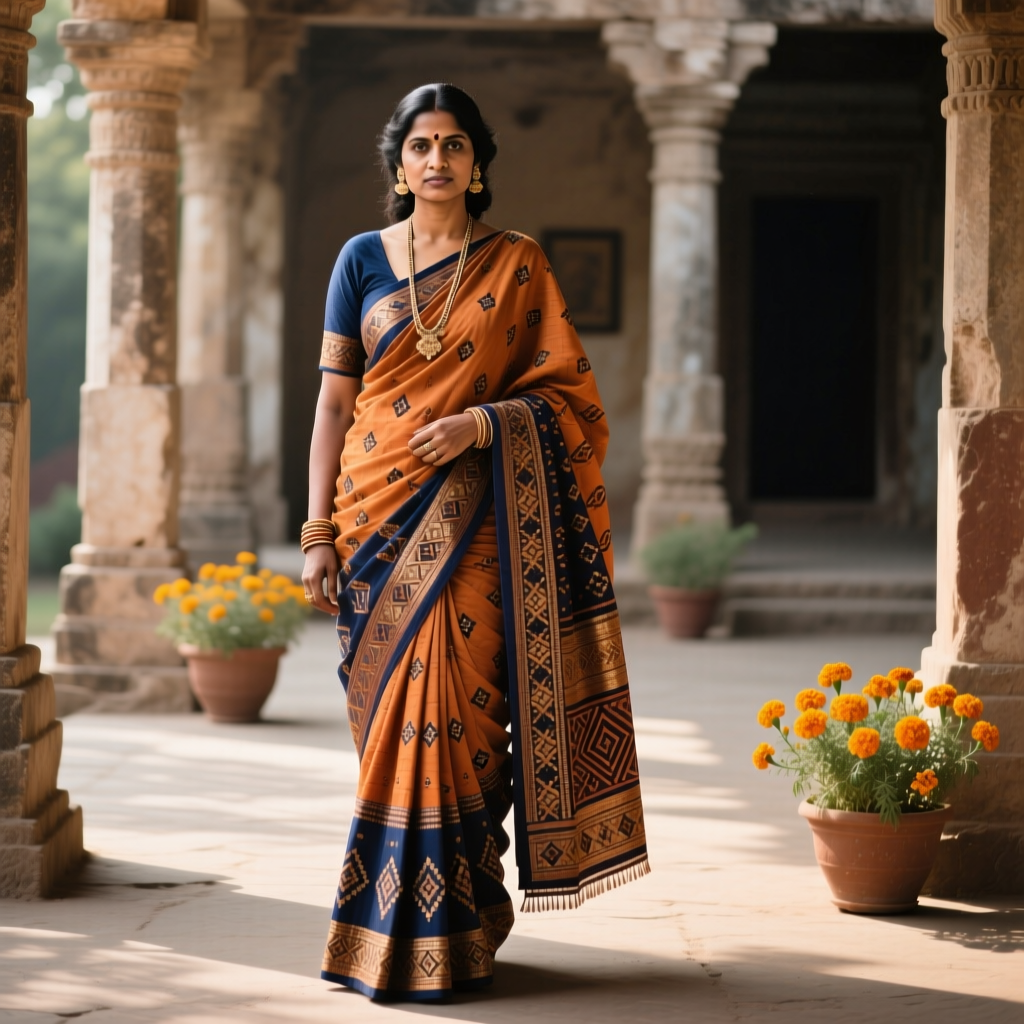
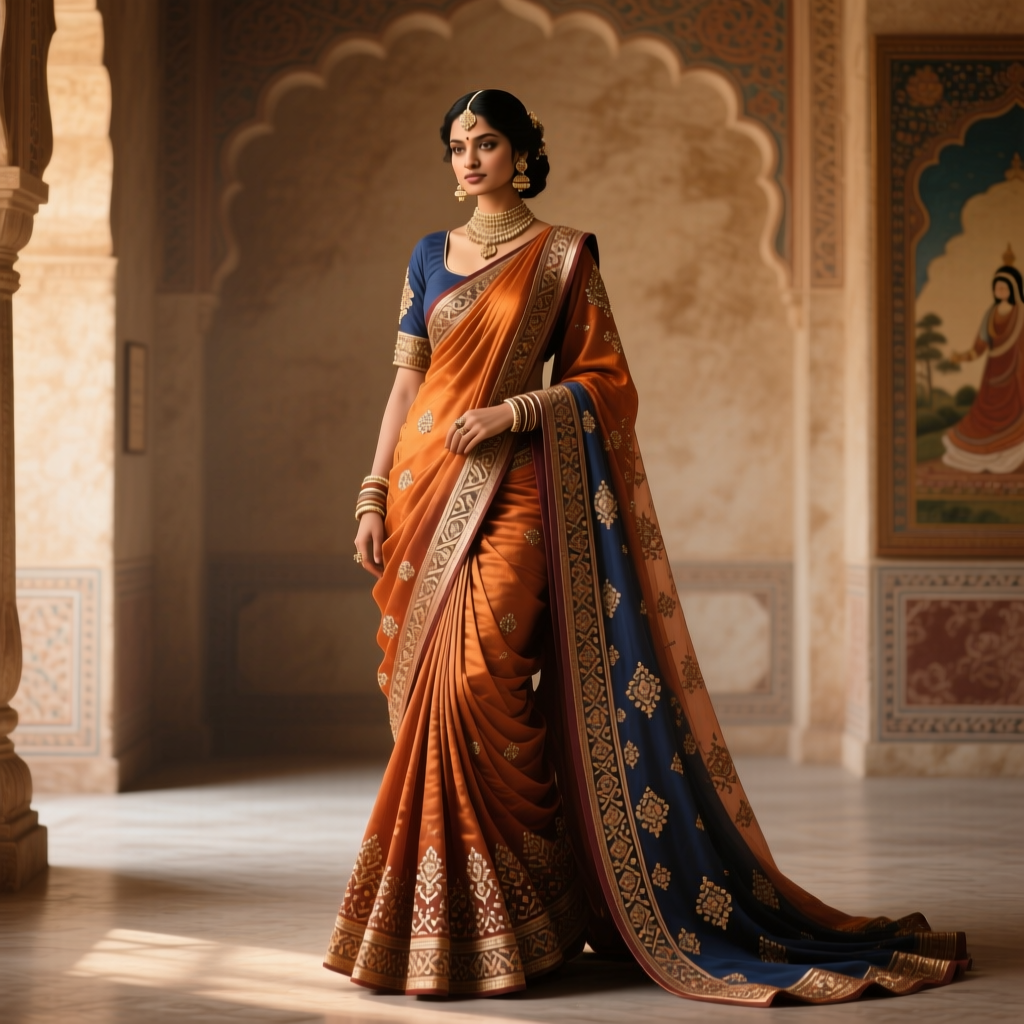
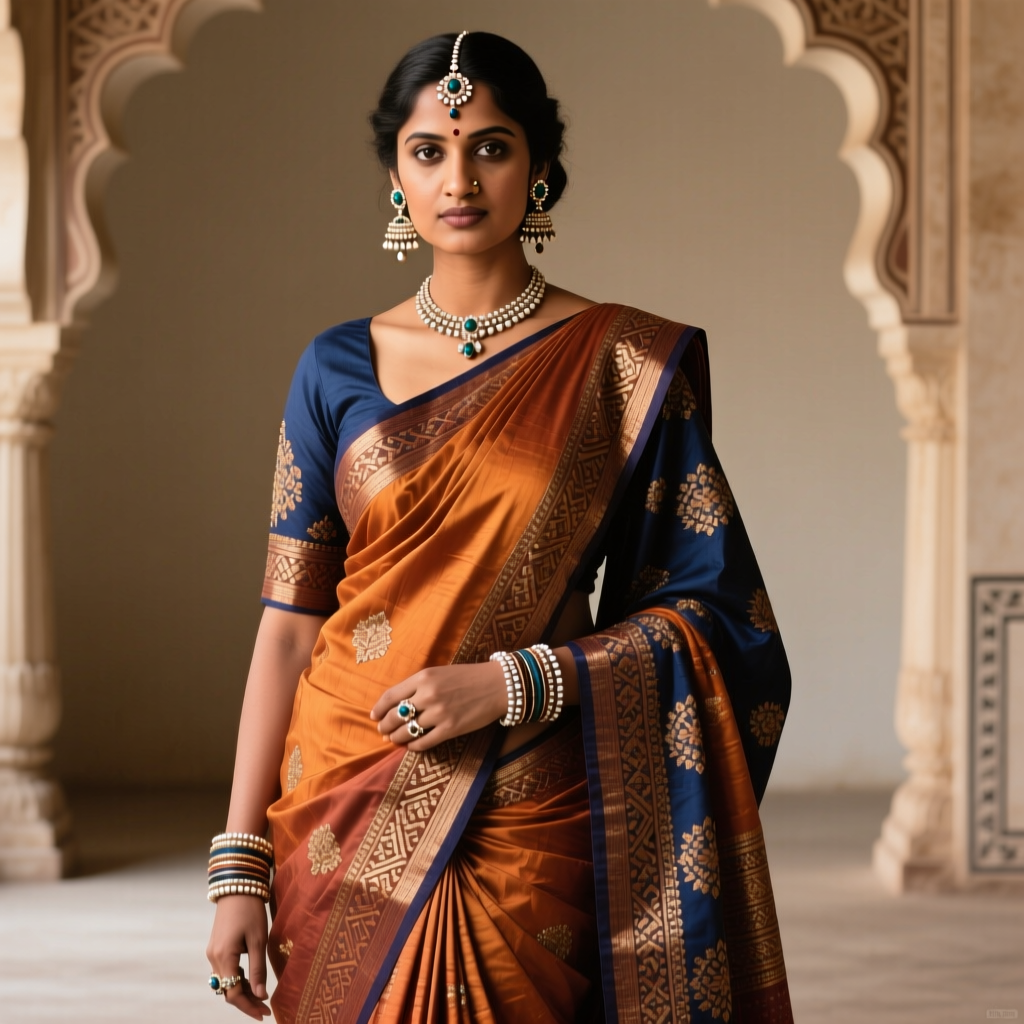
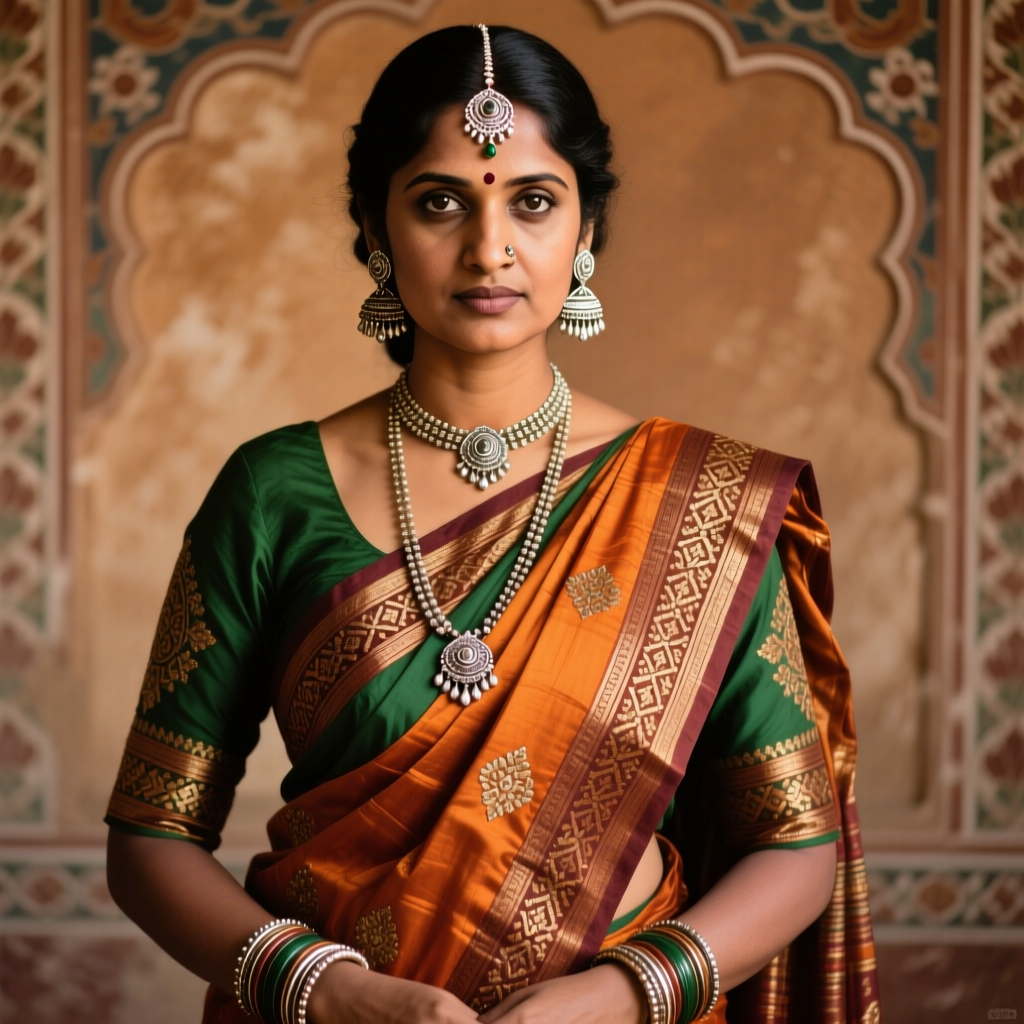
The saree is arguably the most recognized Indian garment globally. It consists of a single, unstitched piece of cloth, typically ranging from five to nine yards in length, draped around the body in various styles. The saree is worn for almost every occasion, from daily labor in rural fields to high-profile state dinners. The fabric and embellishment dictate its use: simple cottons for everyday wear, and rich silks or heavily embroidered georgettes for weddings and festivals. To learn more about the diverse ways this garment is styled, read our comprehensive guide on saree draping styles.
The Salwar Kameez
Originating in the northern regions and popularized across the subcontinent, the salwar kameez consists of a tunic (kameez), loose-fitting trousers (salwar), and a dupatta (scarf). It is prized for its comfort, modesty, and versatility. Variations include the flared Anarkali, the pleated Patiala salwar, and the sleek Churidar. It is the quintessential everyday wear for millions of women and is also heavily embellished for festive occasions. Discover more about the evolution of the salwar kameez and its journey from royal courts to modern streets.
The Lehenga Choli
The lehenga choli is a three-piece ensemble comprising a long, flared skirt (lehenga), a fitted blouse (choli), and a dupatta. This garment is heavily associated with weddings, bridal trousseaus, and major festivals like Navratri. The lehenga allows for immense creativity in silhouette, ranging from traditional A-line cuts to modern mermaid styles, and is often the canvas for the heaviest and most intricate embroidery work in Indian fashion.
Menswear: Kurta, Dhoti, & Sherwani
For men, the kurta pajama is the standard traditional attire, suitable for both casual gatherings and religious ceremonies. The kurta is a loose, collarless shirt that falls to the knees, paired with drawstring trousers. For formal events and weddings, men don the sherwani, a long, coat-like garment buttoned to the neck, often worn over a churidar and paired with a turban. In rural and religious contexts, the dhoti—a rectangular cloth tied around the waist—remains a symbol of purity and tradition. Explore more silhouettes in our guide to men's traditional Indian wear.
Regional Variations Across the Subcontinent
India's vast geography ensures that traditional clothing varies dramatically from state to state, influenced by local climate, available raw materials, and historical migrations.
Northern & Himalayan Regions
In the freezing altitudes of Kashmir and Ladakh, clothing is designed for extreme warmth. The Pheran (or Phiran) is a long, loose woolen gown worn by both men and women, often featuring exquisite Aari embroidery around the neckline. In Himachal Pradesh, women wear the Kulluvi cap and thick woolen shawls, while the Chuba, a wraparound woolen robe, is traditional in Buddhist communities of Ladakh.
Southern Peninsular Regions
The tropical climate of the south dictates the use of lightweight cottons and breathable silks. In Kerala, the traditional attire for men is the Mundu or Veshti (a white cotton dhoti), while women wear the Kasavu saree, characterized by its off-white base and striking gold zari border. In Tamil Nadu and Karnataka, the heavy, jewel-toned Kanchipuram and Mysore silks dominate festive and bridal wear, showcasing the mastery of silk weaving in India.
Eastern & Northeastern States
In West Bengal, the Tant (crisp cotton) and Jamdani sarees are staples, often draped in a unique style that leaves the pallu (loose end) hanging over both shoulders, sometimes holding a bunch of keys. Moving to the Northeast, the states boast entirely distinct weaving traditions. In Assam, women wear the Mekhela Sador, a two-piece handloom garment often woven from lustrous Muga or Pat silk, featuring motifs inspired by local flora and fauna.
Western States
Gujarat and Rajasthan are famous for their vibrant colors and mirror-work, a reflection of the arid, monochromatic desert landscapes. Women traditionally wear the Ghagra Choli (a flared skirt and blouse) paired with an Odhni (veil), heavily adorned with Bandhani tie-dye and Gota Patti work. Men in rural Gujarat often wear the Kediyu, a flared, gathered tunic with tight trousers, perfect for the energetic movements of the Garba dance.
The Cultural & Spiritual Significance of Indian Clothing
In India, clothing is deeply intertwined with spirituality, rituals, and social customs. The concept of purity is historically linked to unstitched cloth, which is why priests and devotees often wear simple, unstitched cotton or silk dhotis when entering temples or performing pujas (prayers). The act of draping a saree or tying a turban is considered a mindful ritual, a daily practice of wrapping oneself in cultural identity.
Color psychology plays a massive role in Indian sartorial choices. Red is universally recognized as the color of marriage, prosperity, and fertility; it is the quintessential color for Hindu brides. Yellow, associated with turmeric, spring, and knowledge, is worn during pre-wedding ceremonies and harvest festivals like Basant Panchami. White, while a symbol of purity in the West, is traditionally associated with mourning and widowhood in many Hindu communities, though it is also worn by men for religious ceremonies to denote simplicity and detachment. Green holds special significance in Islamic traditions and is widely worn during Eid and by brides in certain regions like Maharashtra.
Beyond aesthetics, traditional Indian clothing represents a vital socio-economic ecosystem. The handloom sector supports millions of weavers, dyers, and artisans in rural villages. Wearing handloom is not just a fashion choice; it is an act of cultural preservation and sustainable living. Movements advocating for the revival of indigenous crafts have brought traditional textiles back into the spotlight, proving that the heritage of Indian clothing is as relevant in contemporary times as it was in ancient eras.
Frequently Asked Questions
What is the most common traditional dress in India?
While India's diversity means there is no single national dress, the saree is the most ubiquitous and recognized traditional garment for women across the country. For men, the kurta pajama and the dhoti are the most widely worn traditional garments, transcending regional and religious boundaries. In daily life, especially in urban areas, the salwar kameez is incredibly common due to its practicality and comfort.
How has traditional Indian clothing adapted to modern times?
Traditional Indian clothing has adapted through the rise of 'Indo-Western' or fusion wear. Designers frequently blend traditional textiles and embroidery with modern silhouettes, such as pairing a cropped lehenga with a shirt, or wearing a saree drape over tailored trousers. Pre-draped sarees, zipper-fastened dhotis, and machine-washable handloom blends have also been introduced to cater to the fast-paced lifestyles of modern professionals while keeping the cultural essence intact.
What fabrics are traditionally used in Indian clothing?
The most historically significant fabrics include cotton, silk, wool, and linen. India has been a global center for cotton cultivation and weaving for millennia. Silk varieties are highly regionalized, including Mulberry silk from the south, Muga and Eri silks from Assam, and Tussar silk from the eastern tribal belts. In colder regions, fine wools like Pashmina and Shahtoosh (though now restricted for conservation reasons) have been traditionally utilized.
Are there specific colors reserved for certain occasions in India?
Yes, color coding is deeply embedded in Indian culture. Red is heavily favored for weddings and auspicious ceremonies. Black is traditionally avoided during religious rituals and weddings, as it is sometimes associated with inauspiciousness, though this is changing in modern urban fashion. White is customary for mourning in many communities, while bright hues like yellow, orange, and pink are reserved for joyous festivals, spring celebrations, and maternity rituals.
How do I properly care for handloom Indian garments?
Handloom garments, especially those with natural dyes and delicate zari work, require meticulous care. Silk sarees should be dry-cleaned and stored wrapped in muslin cloth to prevent discoloration and allow the fabric to breathe. Cotton handlooms with natural dyes should be hand-washed separately in cold water using a mild, pH-neutral detergent, and dried in the shade to prevent the sun from fading the vibrant colors. Never wring or machine-wash heavily embroidered or hand-woven textiles.
Traditional Indian clothing is a living, breathing archive of the subcontinent's history. Every pleat, weave, and embroidered motif carries the weight of centuries of artistic evolution and cultural exchange. By understanding the origins, regional nuances, and spiritual depth of these garments, we gain a profound appreciation for a sartorial heritage that continues to inspire and captivate the world.