Traditional Chinese Clothing for Boys: A Comprehensive Cultural Guide
The Heritage and Elegance of Traditional Chinese Clothing for Boys
Traditional Chinese clothing is far more than a mere covering for the body; it is a profound expression of philosophy, social order, and cultural heritage. When it comes to traditional Chinese clothing for boys, the garments are imbued with the deep hopes and protective wishes of their families. For centuries, parents have dressed their sons in attire that symbolizes strength, academic success, longevity, and moral integrity. From the flowing, elegant robes of ancient dynasties to the structured, ornate jackets of later eras, the evolution of boys' clothing mirrors the broader tapestry of Chinese history.
In this comprehensive guide, we will explore the origins, distinct characteristics, and enduring cultural significance of traditional Chinese garments for boys. Whether you are researching for a cultural project, seeking the perfect attire for a festive occasion, or simply fascinated by Chinese textile heritage, this guide will provide a deep dive into the sartorial traditions that have shaped the wardrobes of young boys across generations.
The Origins and Evolution of Boys' Traditional Attire
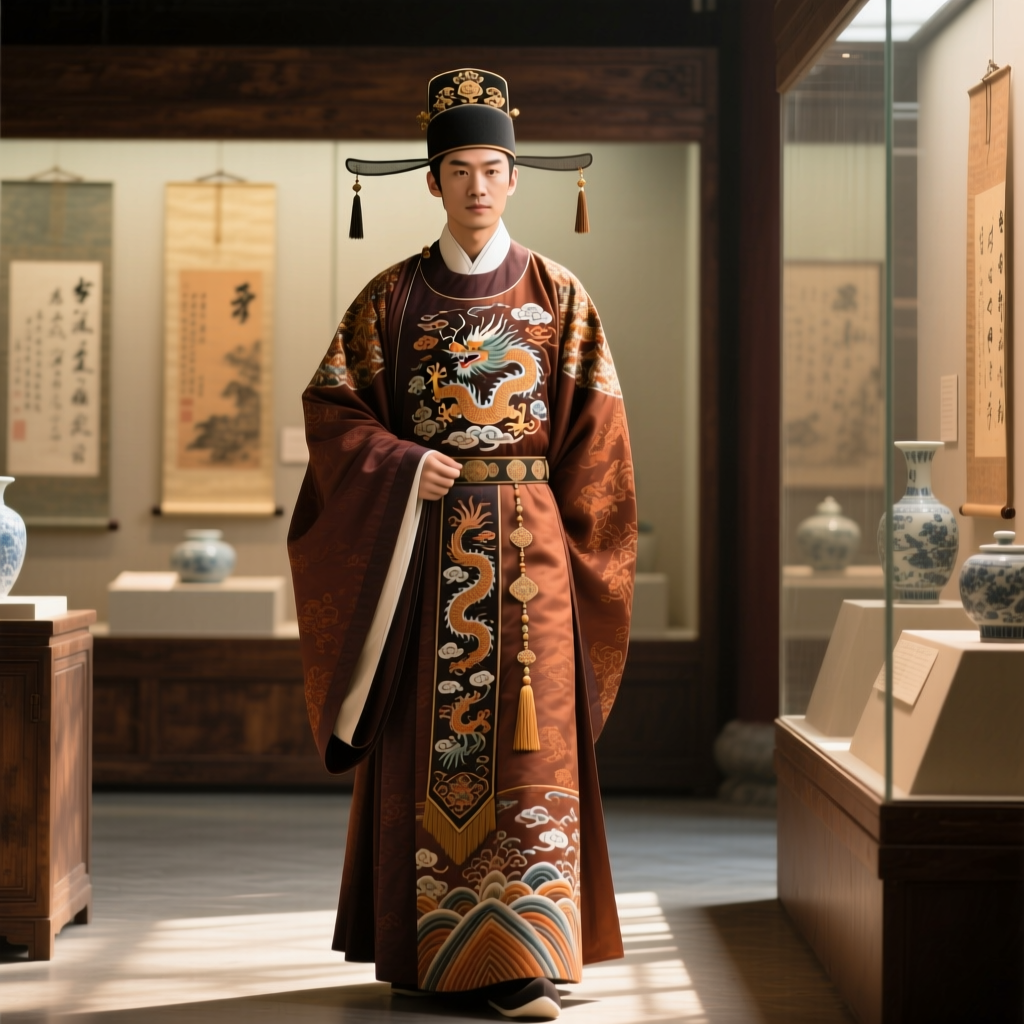
The history of children's clothing in China is intrinsically linked to adult fashion, though with distinct modifications designed to protect and nurture the young. In ancient times, particularly during the Han Dynasty, the foundational principles of Chinese dress were established. The concept of Hanfu (traditional Han clothing) was rooted in Confucian ideals of propriety, harmony, and respect for the natural order. Boys' clothing during these early dynastic periods mirrored the robes of scholars and officials, reflecting the family's aspiration for the child to achieve academic excellence and social standing.
As centuries passed, the evolution of boys' attire was heavily influenced by the shifting political and cultural landscapes of the region. The transition from the Ming Dynasty to the Qing Dynasty marked a significant shift in silhouettes and tailoring. The introduction of Manchu clothing styles brought about the use of mandarin collars, frog buttons, and more fitted garments, which eventually evolved into the Changshan (long shirt) and Tangzhuang (Tang-style jacket). Despite these structural changes, the underlying philosophy remained the same: clothing was a vessel for auspicious blessings. Parents meticulously selected fabrics and motifs that would ward off evil spirits and ensure the boy's healthy transition into manhood.
During the modern era, while Western-style clothing became prevalent for daily wear, traditional garments experienced a massive resurgence during festivals, cultural celebrations, and the contemporary Hanfu revival movement. Today, dressing boys in traditional attire is a vibrant way for families to reconnect with their roots and pass down ancestral customs to the next generation.
Key Characteristics and Garment Types
Traditional Chinese clothing for boys encompasses a variety of styles, each with unique structural elements and historical contexts. Understanding these key garment types is essential for appreciating the diversity of Chinese sartorial arts.
Hanfu: The Ancient Elegance
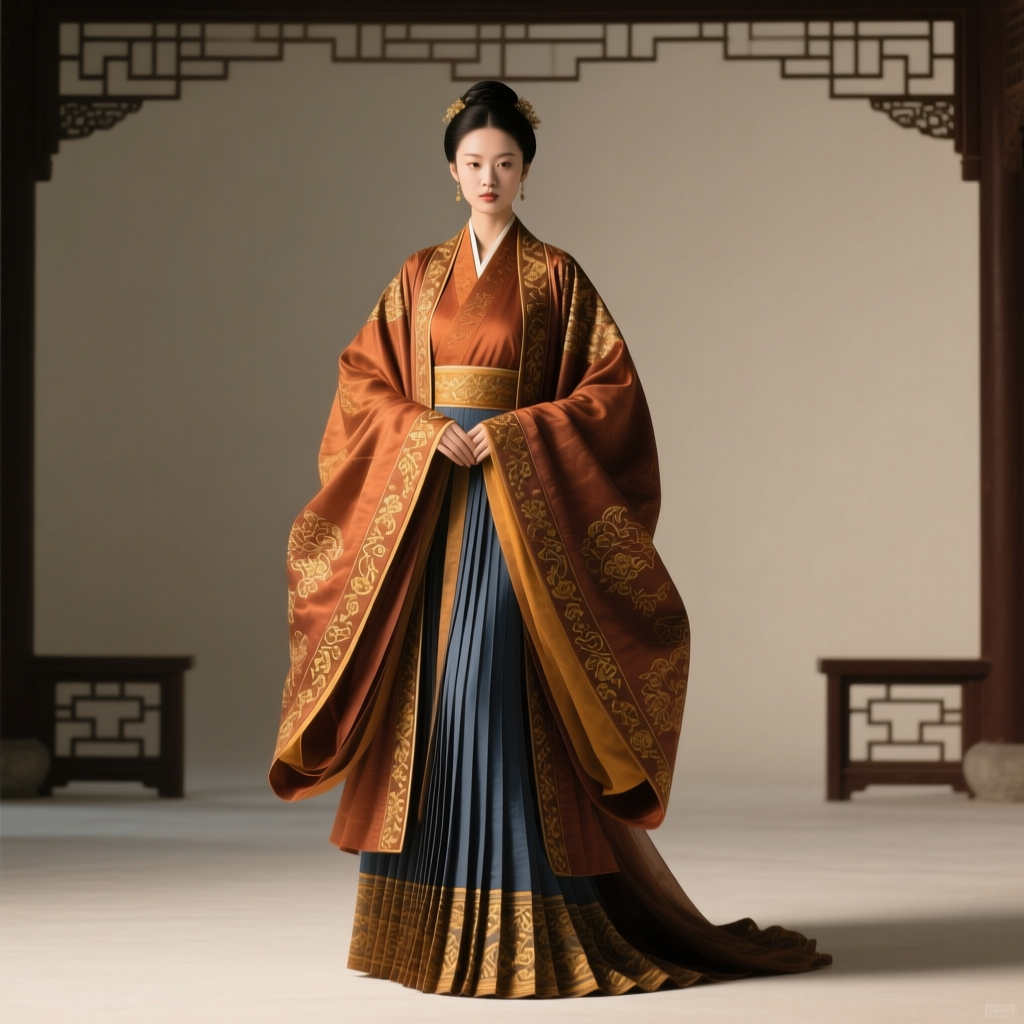
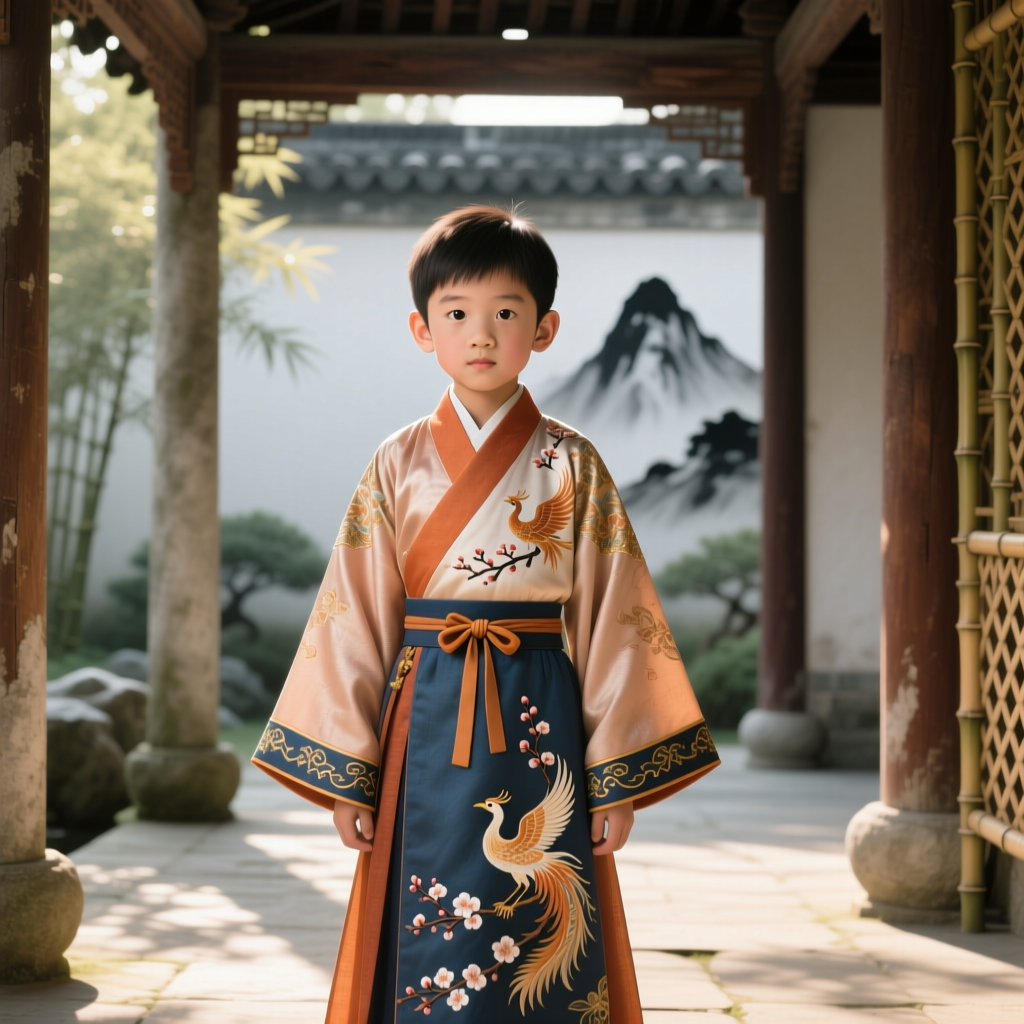
Hanfu is the oldest traditional clothing system of the Han Chinese people. For boys, Hanfu typically consists of a Shenyi (a one-piece robe connecting the upper and lower garments) or a Ruqun (a tunic and skirt combination, though trousers were more common for active boys). A defining characteristic of Hanfu is the jiaoling youren, or the cross-collar that wraps the right side over the left. This right-over-left lapel is a crucial cultural marker, representing the triumph of life and civilization over death and the unknown. For a deeper understanding of these ancient styles, our complete guide to Hanfu explores the intricate draping and historical contexts of these beautiful robes.
Changshan and Tangzhuang: The Qing Legacy
The Changshan is a long, tailored shirt or robe that became highly popular for men and boys. It features a mandarin collar and side slits for ease of movement, making it practical for active children while maintaining a dignified appearance. The Tangzhuang, despite its name referencing the Tang Dynasty, actually originated from the Manchu riding jackets of the Qing era, later adapted with Western tailoring techniques. It is characterized by its short length, frog button closures, and intricate embroidery. Our Tangzhuang jacket guide details how this iconic piece became a staple for festive celebrations.
Protective Accessories: Tiger Shoes and Bellybands
Accessories play a pivotal role in traditional boys' clothing, often serving as talismans. The Hutou Xie (tiger-head shoes) and matching tiger hats are perhaps the most iconic. Crafted from cotton and silk, these items feature brightly colored embroidery of tiger faces. In Chinese folklore, the tiger is the king of beasts and a fierce protector of children against malevolent spirits and childhood illnesses. Additionally, the Dudou (bellyband) was worn under the outer garments to protect the child's stomach from cold winds and was sometimes lined with herbal medicines to promote digestion and health.
Occasions for Wearing Traditional Chinese Boys' Clothing
While daily wear has largely modernized, traditional clothing remains the undisputed choice for significant cultural, familial, and spiritual milestones. The occasions on which boys don these garments are steeped in ritual and joy.
The Lunar New Year and Spring Festivals
The most common occasion for boys to wear traditional clothing is during the Lunar New Year. Families dress their sons in vibrant red Tangzhuang or Hanfu to symbolize good fortune, joy, and the warding off of the mythical beast Nian. The crisp, new garments represent a fresh start and the welcoming of prosperity for the coming year. It is a time when the streets and family gatherings are filled with the bright silks and intricate embroidery of children's festive wear.
Zhuazhou and Early Childhood Milestones
The Zhuazhou ceremony, celebrated on a child's first birthday, is a deeply significant event. During this ritual, the boy is dressed in his finest traditional attire, often including a tiger hat and tiger shoes. He is then placed in front of a variety of objects (such as a book, a ruler, or a coin) to 'predict' his future inclinations and career. The clothing worn during this ceremony is chosen specifically to bless the child with a long, healthy, and prosperous life.
Ancestral Worship and Cultural Festivals
During festivals like the Mid-Autumn Festival or the Qingming Festival (Tomb-Sweeping Day), families often wear traditional clothing to show respect to their ancestors and to honor the harmony between humanity and nature. For boys, wearing a modest, well-tailored Changshan during these solemn yet celebratory occasions teaches them about filial piety and their place within the family lineage.
Regional Variations and Ethnic Influences
China's vast geography and diverse population have given rise to numerous regional variations in traditional boys' clothing. Climate, local resources, and ethnic traditions heavily influence the textiles and silhouettes used across the country.
Northern vs. Southern Adaptations
In the colder northern regions, traditional boys' clothing historically favored heavier fabrics like padded cotton, wool, and thick brocades. Garments were layered extensively, and accessories like fur-lined hats and thick tiger shoes were essential for warmth. Conversely, in the humid and warm southern provinces, clothing was crafted from breathable materials such as lightweight silk, hemp, and fine cotton. Southern embroidery styles, such as the renowned Suzhou embroidery, often featured more delicate, intricate motifs compared to the bold, striking patterns of the North.
Ethnic Minority Traditions
Beyond the Han majority, China's ethnic minorities boast spectacular traditional clothing for boys. For instance, young boys of the Miao ethnic group wear garments heavily adorned with intricate cross-stitch embroidery and striking silver ornaments, which are believed to ward off evil and display the family's wealth and craftsmanship. Mongolian boys traditionally wear the Deel, a long, robust robe designed for horseback riding and the harsh steppes, secured with a vibrant silk sash. Tibetan boys wear thick, woolen robes with one sleeve often left off to adapt to the rapidly changing temperatures of the high plateau. Exploring the embroidery techniques of Asia reveals how these diverse groups use needlework to tell their unique historical stories.
The Cultural Significance and Symbolism
Every thread, color, and motif in traditional Chinese boys' clothing carries profound symbolic weight. The creation of these garments was historically an act of love and spiritual protection, with mothers and grandmothers spending countless hours weaving blessings into the fabric.
The Language of Colors
Color theory in Chinese culture is deeply tied to the philosophy of the Five Elements. Red is the most auspicious color, representing fire, vitality, and luck, making it the primary choice for festivals and celebrations. Yellow and gold were historically reserved for the imperial family but are now used to symbolize nobility, wealth, and the earth. Blue and green represent wood, spring, and growth, making them highly appropriate for young boys as they symbolize the flourishing of youth and academic development.
Auspicious Motifs and Embroidery
The motifs embroidered onto boys' clothing are carefully selected to manifest specific virtues and fortunes. The dragon, a symbol of imperial power, strength, and yang energy, is frequently used to inspire greatness and leadership. The carp is another prevalent motif; according to legend, a carp that swims upstream and leaps over the Dragon Gate transforms into a dragon. This motif, often seen on scholars' robes and boys' festival wear, symbolizes perseverance, academic success, and the ability to overcome adversity. Bats are also common, as the Chinese word for bat (fu) sounds identical to the word for good fortune. For more insights into these hidden meanings, read our article on symbolism in children's garments.
Confucian Values in Dress
Traditional clothing for boys was also a tool for moral education. The restrictive nature of certain formal robes, the requirement to keep the collar perfectly crossed, and the careful maintenance of long sleeves taught boys discipline, mindfulness, and respect for social etiquette. The physical act of wearing the garment reinforced the internalization of Confucian virtues such as Ren (benevolence) and Li (proper conduct).
Frequently Asked Questions
What is the most common traditional outfit for Chinese boys today?
Today, the most common traditional outfit for Chinese boys during festivals is the Tangzhuang (a short, frog-buttoned jacket) paired with modern trousers, or a simplified, child-friendly version of the Hanfu. The Tangzhuang is particularly popular during the Lunar New Year due to its ease of wear, festive appearance, and deep association with cultural pride and celebration.
Why do Chinese boys wear tiger-head shoes and hats?
Tiger-head shoes (Hutou Xie) and hats are worn as protective talismans. In Chinese folklore, the tiger is a fierce guardian that scares away evil spirits, diseases, and bad luck. Because young children were historically considered vulnerable to spiritual and physical ailments, parents dressed them in tiger motifs to invoke the beast's strength and ensure the child's safe, healthy growth.
How do you properly care for traditional silk garments?
Traditional silk garments require delicate care to preserve their embroidery and structural integrity. They should be hand-washed in cold water with a mild, pH-neutral detergent or dry-cleaned by a specialist. Silk should never be wrung out or exposed to direct sunlight for drying, as this degrades the fibers and fades the vibrant natural dyes. When storing, it is best to fold them with acid-free tissue paper in a cool, dry place to prevent creasing and moisture damage.
What is the difference between Hanfu and Tangzhuang for children?
The primary difference lies in their historical origins and structural design. Hanfu refers to the ancient, flowing robes of the Han Chinese, characterized by cross-collars, wide sleeves, and sash ties without buttons. Tangzhuang, on the other hand, evolved from Manchu riding jackets of the Qing Dynasty and features a mandarin collar, a front opening, and distinctive knotted frog buttons. Hanfu emphasizes fluid drapery, while Tangzhuang offers a more structured, tailored fit.
Are there specific rules for crossing the collar in Hanfu?
Yes, the rule of jiaoling youren is strictly observed in Hanfu. The left side of the collar must cross over the right side, forming a 'y' shape. This right-over-left style represents life, civilization, and the yang principle. Crossing the collar the opposite way (left over right) is historically reserved for dressing the deceased and is considered highly inauspicious and disrespectful in daily or festive wear.
Can traditional Chinese clothing be worn for everyday activities?
While highly elaborate Hanfu or formal Changshan are usually reserved for special occasions, there are modern, simplified versions of traditional clothing designed for everyday wear. These 'Han element' garments blend traditional aesthetics, such as cross-collars and frog buttons, with modern, practical fabrics and shorter hemlines, allowing boys to comfortably wear culturally significant clothing during daily activities and school events.