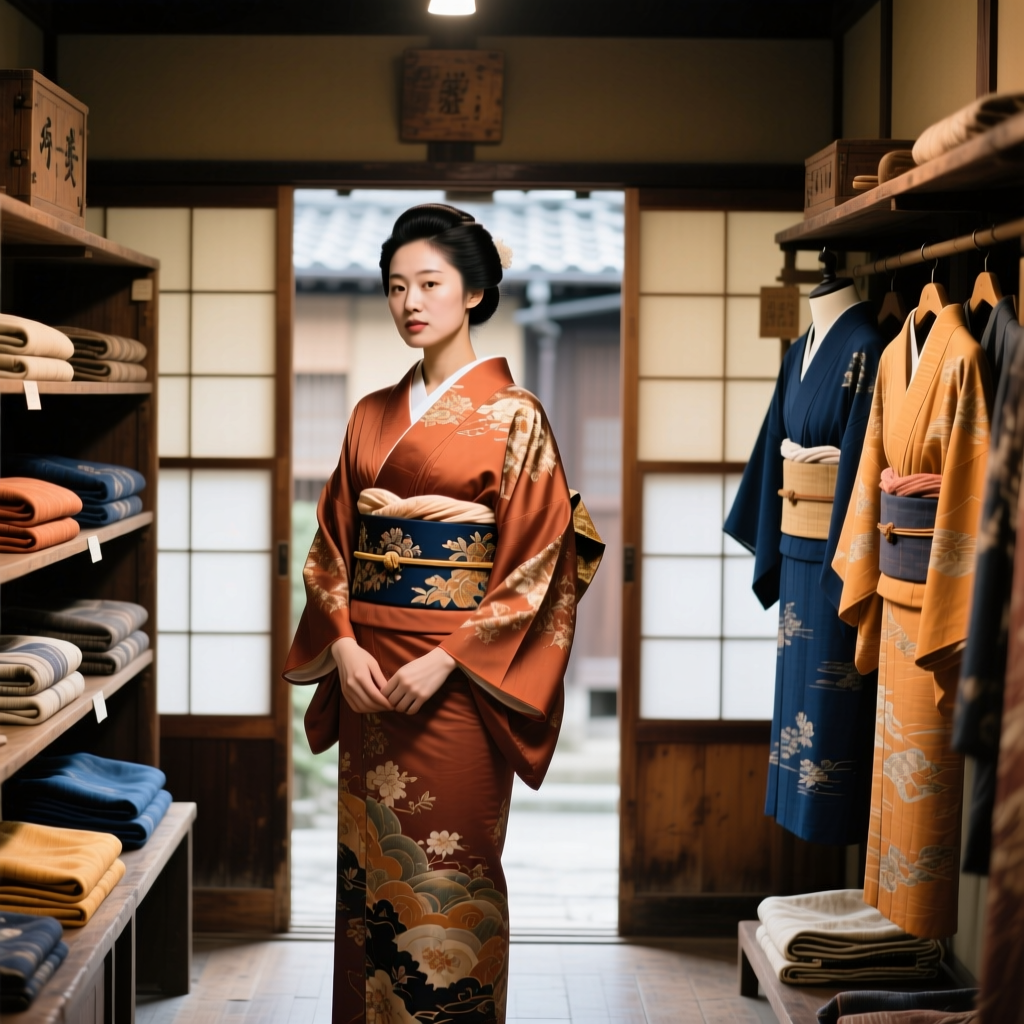
Names of Traditional Chinese Clothing: A Comprehensive Cultural Guide
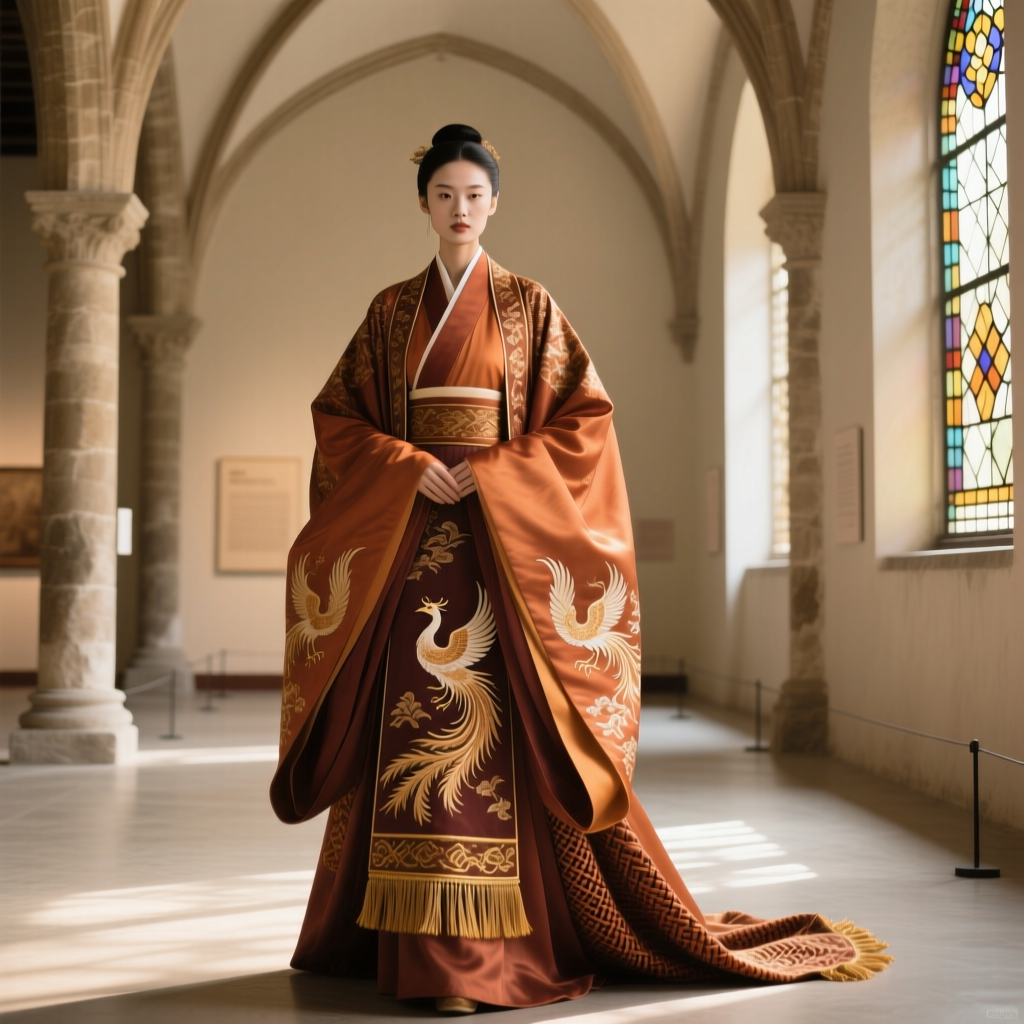
Names of Traditional Chinese Clothing: A Comprehensive Cultural Guide
For over three millennia, Chinese civilization has cultivated one of the most intricate and symbolically rich clothing traditions the world has ever known. From the flowing silk robes of imperial courts to the elegantly tailored garments of modern cultural celebrations, traditional Chinese clothing represents far more than mere fashion — it is a living tapestry woven with philosophy, social hierarchy, artistic expression, and national identity.
Understanding the names of traditional Chinese clothing opens a window into a culture where every fold, color, and motif carried profound meaning. Whether you are a fashion historian, a cultural enthusiast, or simply curious about the garments that have influenced global style for centuries, this guide will walk you through the essential vocabulary, origins, and stories behind China's most iconic traditional garments.
At The Garment Atlas, we believe that knowing the name of a garment is the first step toward understanding the people who created it. Let us embark on a journey through the rich lexicon of traditional Chinese clothing.
The Foundations: Hanfu and the Ancient Chinese Wardrobe
The story of traditional Chinese clothing begins with Hanfu (汉服), the historical dress of the Han Chinese people. Spanning thousands of years of history, Hanfu is not a single garment but rather an entire clothing system that evolved across numerous dynasties. The term itself translates literally to "Han clothing," referring to the ethnic majority group in China.
Core Components of Hanfu
A traditional Hanfu ensemble typically consists of several key pieces, each with its own distinct name and purpose:
- Yi (衣) — The general term for upper-body garments, including tunics and jackets. The Yi was typically worn wrapped across the body with the left side over the right, a style known as jiaoling youren (交领右衽). This cross-collar style became one of the most defining characteristics of traditional Chinese dress and was considered a marker of civilization itself.
- Chang (裳) — A lower-body skirt worn by both men and women in ancient China. The Chang was often pleated and made from multiple panels of fabric, with its length and decoration indicating the wearer's social status.
- Shenyi (深衣) — A one-piece robe that connected the upper Yi and lower Chang into a single garment. The Shenyi was considered deeply philosophical in its construction, with its twelve panels of fabric representing the twelve months of the year. It was widely worn during the Zhou and Han dynasties as formal attire for scholars and officials.
- Ruqun (襦裙) — A combination of a short jacket or blouse (Ru) paired with a long skirt (Qun). This style was particularly popular among women throughout many dynasties and remains one of the most recognizable forms of traditional Chinese women's clothing. Variations include the Qixiong Ruqun (齐胸襦裙), where the skirt is tied at chest level, creating an elegant, high-waisted silhouette that flourished during the Tang Dynasty.
- Ku (袴) — Trousers or pants worn beneath skirts or robes. Initially considered informal or utilitarian, trousers gained wider acceptance during periods of military activity and cultural exchange with nomadic peoples.
The Language of Fabric and Form
Traditional Hanfu was predominantly crafted from silk, hemp, and later cotton. The fabric choices were deeply tied to social class — silk was reserved for the wealthy and powerful, while common people wore rougher hemp or ramie textiles. The colors, patterns, and embroidery on Hanfu garments communicated information about rank, season, occasion, and even moral character, making every outfit a form of nonverbal communication.
If you are interested in how fabric choices shaped traditional garments across cultures, explore our guide to types of silk fabric for a deeper understanding of the material that defined Chinese luxury fashion.
Imperial Elegance: Robes, Cloaks, and Ceremonial Garments
As Chinese dynasties grew in complexity and grandeur, so too did the clothing worn by emperors, court officials, and nobility. The imperial wardrobe produced some of the most magnificent garments in human history, each bearing names that reflected their function, symbolism, and the extraordinary craftsmanship required to create them.
The Dragon Robe: Longpao
The Longpao (龙袍), or Dragon Robe, was the formal ceremonial garment worn by Chinese emperors. Adorned with nine embroidered dragons — symbols of supreme imperial power — along with clouds, waves, and mountains, the Longpao was a masterwork of textile artistry. The robe was typically rendered in bright yellow, a color exclusively reserved for the emperor, and featured the twelve symbols of sovereignty embroidered at specific positions.
Creating a single Longpao could take years of labor by hundreds of artisans, involving techniques such as keshi (silk tapestry weaving), gold thread embroidery, and seed pearl application. The garment was both a political statement and a spiritual artifact, believed to connect the emperor to the celestial realm.
Official Court Attire: Bufu and Buzi
Government officials throughout the Ming and Qing dynasties wore a distinctive outer garment called the Bufu (补服), a surcoat featuring a square embroidered badge known as a Buzi (补子). These badges depicted specific birds for civil officials and animals for military officers, with different species corresponding to different ranks in a meticulously organized hierarchy.
For example, a first-rank civil official would wear a badge depicting a crane, while a ninth-rank official would display a paradise flycatcher. This system allowed anyone familiar with the code to instantly recognize an official's rank simply by looking at their clothing — a remarkably efficient visual communication system that governed court protocol and social interactions.
Cloaks and Outer Garments
Beyond the court, several important outer garments deserve mention in the vocabulary of traditional Chinese clothing:
- Pifeng (披风) — A cloak or cape worn over other garments for warmth and style. The Pifeng could be short or long, plain or heavily embroidered, and was worn by both men and women across various social classes.
- Dahu (褡护) — A sleeveless vest or jacket that was particularly popular during the Ming Dynasty. Often worn as a layering piece, the Dahu added visual interest and practical warmth to an ensemble.
- Bijia (比甲) — A long, sleeveless vest that became a fashionable item for women during the Yuan and Ming dynasties. The Bijia was typically worn over a Ruqun and could be elaborately decorated with embroidery.
- YunJian (云肩) — A decorative cloud-shaped shoulder cape worn primarily by women on formal occasions. The Yunjian featured intricate embroidery and was often adorned with tassels, making it one of the most ornamental accessories in the traditional Chinese wardrobe.
For more insight into how ceremonial garments function across cultures, visit our exploration of traditional Asian clothing and discover the shared threads connecting Eastern fashion traditions.
The Evolution of Style: Qipao, Tangzhuang, and Modern Classics
While ancient garments like Hanfu represent the deep roots of Chinese clothing tradition, several more recent garments have achieved iconic status and are often the first names that come to mind when people think of traditional Chinese dress.
The Qipao (Cheongsam)
The Qipao (旗袍), also known by its Cantonese name Cheongsam (长衫), is arguably the most internationally recognized garment in Chinese fashion. Originating from the long robes worn by Manchu women during the Qing Dynasty, the Qipao underwent a dramatic transformation in the early twentieth century, evolving from a loose, full-length garment into the form-fitting, knee-length dress celebrated today.
Key characteristics of the modern Qipao include:
- A high Mandarin collar (liling)
- Asymmetrical front opening with decorative knot buttons (pankou)
- Side slits for ease of movement
- Figure-hugging silhouette that follows the body's natural lines
- Rich fabrics such as silk brocade, satin, or velvet
The Qipao became a symbol of modern Chinese femininity and continues to be worn at weddings, formal events, and cultural celebrations worldwide. Its elegant simplicity and graceful lines have influenced countless international fashion designers, cementing its place in the global sartorial vocabulary.
The Tangzhuang
The Tangzhuang (唐装), literally "Tang suit," is a relatively modern jacket that draws aesthetic inspiration from traditional Manchu riding jackets and Qing Dynasty garments. Despite its name referencing the ancient Tang Dynasty, the Tangzhuang as we know it today was popularized in the late twentieth century and gained international visibility when world leaders wore matching Tangzhuang jackets at a summit meeting.
The Tangzhuang typically features:
- A straight front opening with knotted pankou buttons
- A short, boxy silhouette
- Brocade or silk fabric with traditional Chinese patterns
- Often rendered in red, gold, or other auspicious colors
While not historically ancient, the Tangzhuang has become an important part of contemporary Chinese cultural dress, frequently worn during Lunar New Year celebrations and other festive occasions.
Zhongshan Suit (Mao Suit)
The Zhongshan Zhuang (中山装), known in the West as the Mao Suit, was introduced by Sun Yat-sen (Sun Zhongshan) as a modern alternative to both traditional Chinese robes and Western business suits. The garment features a turned-down collar, four front pockets, and five central buttons, each element carrying symbolic meaning related to governance and national philosophy.
While its political associations have evolved over time, the Zhongshan Suit remains a significant garment in the story of Chinese clothing, representing the intersection of tradition, modernization, and national identity. For a broader look at how political and cultural movements have shaped dress worldwide, explore our complete garment guides collection.
Accessories, Headwear, and Footwear: Completing the Traditional Ensemble
No discussion of traditional Chinese clothing names would be complete without addressing the accessories, headwear, and footwear that completed a proper ensemble. These elements were often just as symbolically charged as the garments themselves.
Headwear and Hair Accessories
- Guan (冠) — A formal cap or crown worn by men of status. Different types of Guan indicated rank, profession, and occasion. The practice of capping (guanli) was a coming-of-age ceremony for young men, marking their entry into adult society.
- Zan (簪) — Hairpins used by both men and women to secure elaborate hairstyles. Zan could be made from jade, gold, silver, wood, or bone, and were often decorated with dangling ornaments called Buyao (步摇), meaning "step-shake," which moved gracefully with the wearer's every movement.
- Fengguan (凤冠) — The Phoenix Crown, an elaborate headdress worn by brides and empresses. Adorned with phoenix motifs, pearls, and kingfisher feather inlay (diancui), the Fengguan was among the most spectacular pieces of Chinese adornment.
Belts, Sashes, and Decorative Elements
- Dai (带) — Belts and sashes that served both functional and decorative purposes. Official belts were often made of leather or silk and featured jade or metal plaques indicating rank.
- Hebao (荷包) — Decorated pouches or sachets hung from belts, used to carry small personal items and fragrant herbs. Hebao were often intricately embroidered and given as gifts or tokens of affection.
- Yudai (玉带) — Jade belts worn by high-ranking officials and royalty. The jade plaques adorning these belts were symbols of virtue, purity, and authority.
Traditional Footwear
- Xue (靴) — Boots worn by officials, soldiers, and common people alike. Styles ranged from simple cloth boots to elaborately decorated leather versions worn at court.
- Xie (鞋) — A general term for shoes, which included silk slippers, straw sandals, and wooden clogs depending on region, season, and social class.
- Huapenxie (花盆鞋) — The distinctive "flowerpot shoes" worn by Manchu women during the Qing Dynasty, featuring a high platform sole that created a unique, swaying gait considered graceful and refined.
Learn more about how accessories complete traditional outfits across cultures by reading our guide on traditional footwear around the world.
Regional Variations and Ethnic Minority Garments
China's vast geography and diverse ethnic composition have produced an extraordinary range of regional clothing traditions beyond the Han Chinese mainstream. Understanding these variations enriches our appreciation of the full spectrum of traditional Chinese clothing names.
Miao and Hmong Silver-Adorned Dress
The Miao (Hmong) people of southwestern China are renowned for their spectacular festival clothing, which features massive quantities of handcrafted silver jewelry, elaborate embroidery depicting mythological scenes, and pleated skirts with dozens of tiny folds. The Miao pleated skirt, called Baizhe Qun (百褶裙), can contain over one hundred individual pleats and represents months of painstaking handwork.
Tibetan Chuba
The Chuba (藏袍) is the traditional robe of the Tibetan people, designed for the extreme climate of the Tibetan Plateau. This long, thick garment is typically worn with one sleeve removed and tied at the waist, allowing the wearer to regulate body temperature as conditions change. Chuba are often made from sheepskin, wool, or silk brocade and are accessorized with turquoise, coral, and silver ornaments.
Mongolian Deel
The Deel (蒙古袍) is the traditional garment of the Mongolian people, a long robe that wraps to the right and is secured with a sash at the waist. The Deel is designed for life on the steppes, providing warmth while riding horseback and featuring construction details that accommodate the demands of a nomadic lifestyle. Different styles distinguish various Mongolian tribes and occasions.
Zhuang and Dai Textile Traditions
The Zhuang and Dai peoples of southern China have maintained distinctive weaving and clothing traditions, including the use of Zhuang Brocade (壮锦), a colorful, geometrically patterned textile woven on traditional looms. Dai women traditionally wear form-fitting tops with long, flowing skirts called Sinh (筒裙), reflecting the tropical climate and cultural connections to Southeast Asian traditions.
Discover more about how geography shapes clothing traditions in our article on cultural heritage and garment traditions from around the world.
Cultural Significance and Living Traditions
The names of traditional Chinese clothing carry weight far beyond their literal translations. Each term connects to a vast network of cultural meanings, philosophical concepts, and social practices that have shaped Chinese civilization for millennia.
Symbolism in Color and Pattern
In traditional Chinese clothing culture, color was never arbitrary. Red symbolized good fortune, joy, and prosperity, making it the dominant color for weddings and celebrations. Yellow represented the emperor and the earth element, reserved almost exclusively for imperial use. White was associated with mourning and death, while blue and green symbolized spring, growth, and harmony.
Patterns and motifs were equally meaningful. Dragons represented imperial power and yang energy, while phoenixes symbolized the empress and yin energy. Peonies conveyed wealth and honor, lotus flowers represented purity and spiritual enlightenment, and bats — whose Chinese name (fu) sounds like the word for good fortune — appeared frequently as auspicious decorative elements.
Confucian Values in Dress
Confucian philosophy profoundly influenced Chinese clothing traditions, emphasizing modesty, propriety, and the proper ordering of society. The concept of Li (礼), meaning ritual propriety, dictated that clothing should reflect one's social position, age, and the formality of the occasion. To dress above or below one's station was considered a violation of social harmony.
The cross-collar style of Hanfu, with the left side wrapping over the right, was itself a Confucian statement — the left was associated with life and civilization, while the right was linked to death and barbarism. Reversing this order was reserved for dressing the deceased for burial.
Traditional Clothing in Modern Life
Today, traditional Chinese clothing is experiencing a remarkable revival. The Hanfu Movement has inspired millions of young people to research, recreate, and wear historically accurate Hanfu in daily life and at cultural events. Brides and grooms increasingly choose traditional garments for wedding ceremonies, and festivals like the Mid-Autumn Festival and Lunar New Year have become occasions for showcasing traditional dress.
This revival reflects a broader cultural desire to reconnect with heritage, and knowing the proper names of these garments is an essential part of that reconnection. When someone can distinguish between a Ruqun and a Shenyi, or explain the difference between a Qipao and a Tangzhuang, they are participating in the preservation of cultural knowledge that stretches back thousands of years.
The Global Influence of Chinese Garment Names
Many terms from traditional Chinese clothing have entered international fashion vocabulary. Words like "qipao," "Mandarin collar," and "frog buttons" (the knotted closures known as pankou) are now used by designers and fashion professionals worldwide. This linguistic influence reflects the enduring impact of Chinese aesthetic traditions on global style and serves as a reminder that clothing is one of humanity's most powerful shared languages.
Frequently Asked Questions
What is the difference between Hanfu and Qipao?
Hanfu and Qipao represent two distinct eras and traditions within Chinese clothing history. Hanfu refers to the traditional dress system of the Han Chinese people, spanning from ancient times through the Ming Dynasty, and is characterized by cross-collar robes, flowing sleeves, and wrapped closures. The Qipao, by contrast, originated from Manchu clothing traditions during the Qing Dynasty and evolved into the form-fitting, high-collared dress recognized today. While Hanfu emphasizes loose, layered silhouettes that conceal the body's form, the modern Qipao celebrates the figure with its tailored construction. Both garments hold deep cultural significance, but they reflect different historical periods, ethnic traditions, and aesthetic philosophies.
Why is traditional Chinese clothing often wrapped left over right?
The practice of wrapping garments with the left side over the right, known as jiaoling youren, is rooted in ancient Chinese cosmology and cultural values. In traditional Chinese thought, the left side was associated with yang energy, life, and the living world, while the right side was linked to yin energy and the realm of the dead. Wrapping left over right was therefore a statement of alignment with life and civilization. This convention was so deeply ingrained that Confucius himself reportedly said that without the cultural practices of the Zhou people, including their style of dress, the Chinese would be "wearing their hair loose and folding their robes to the left" — a description of what was considered barbarian dress. The reversed wrapping direction was used only when dressing the deceased for burial.
What are the knots and buttons on Chinese clothing called?
The distinctive knotted fastenings found on traditional Chinese garments such as the Qipao and Tangzhuang are called Pankou (盘扣). These decorative frog closures are created by folding and knotting fabric or cord into intricate patterns that serve both functional and ornamental purposes. Pankou can take many forms, from simple straight knots to elaborate designs resembling flowers, butterflies, or other auspicious motifs. The craft of making Pankou is considered a traditional art form in itself, requiring skill and patience to create closures that are both secure and beautiful. In Western fashion terminology, similar closures are often called "frog buttons" or "Chinese knot buttons."
Is it culturally appropriate to wear traditional Chinese clothing?
Wearing traditional Chinese clothing is generally welcomed and appreciated when done with respect, understanding, and genuine interest in the culture. Many Chinese people are pleased to see others taking an interest in their cultural heritage, and wearing garments like a Qipao to a Chinese wedding or Hanfu to a cultural festival is typically seen as a sign of appreciation rather than appropriation. The key considerations are to learn about the garment you are wearing — including its name, history, and appropriate occasions — and to avoid treating traditional clothing as a costume or caricature. Purchasing from authentic sources and supporting artisans who create traditional garments using proper techniques is also a meaningful way to engage respectfully with this living tradition.
How many types of traditional Chinese clothing exist?
It is difficult to assign a precise number to the types of traditional Chinese clothing, as the tradition spans over three thousand years of documented history and encompasses fifty-six officially recognized ethnic groups, each with their own distinctive dress customs. However, the major categories include Hanfu (with its numerous sub-styles such as Shenyi, Ruqun, and various dynasty-specific forms), Manchu garments (including the Qipao and court robes), and the traditional dress of ethnic minorities such as the Tibetan Chuba, Mongolian Deel, and Miao festival clothing. Within each category, variations exist for gender, age, social rank, season, occasion, and regional style, creating a virtually limitless catalog of garment types. For researchers and enthusiasts, this diversity is precisely what makes the study of traditional Chinese clothing so endlessly fascinating.
Continue your journey through global garment traditions by exploring more of our comprehensive clothing guides at The Garment Atlas, where every thread tells a story.