Japanese Kimono Stores: A Cultural Guide
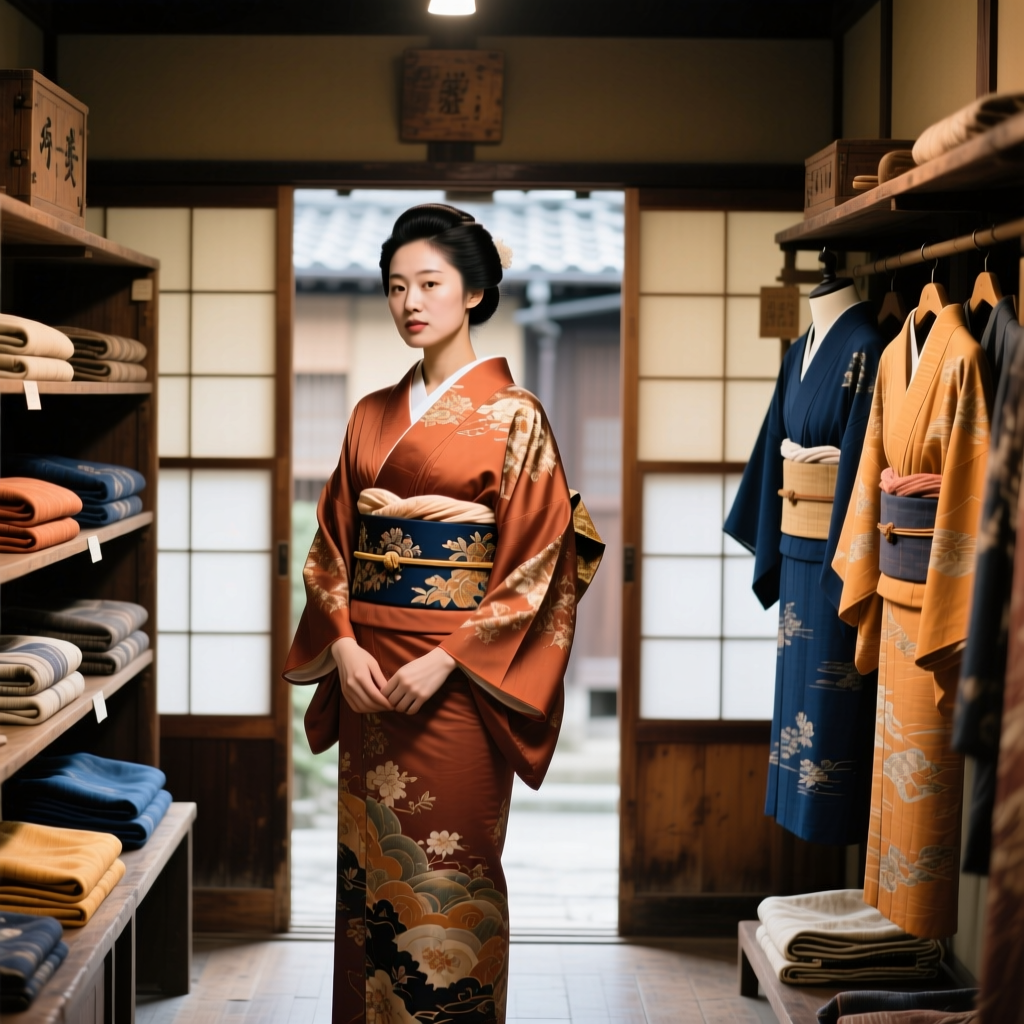
Traditional Japanese Clothing Store Near Me: A Complete Cultural & Shopping Guide
Few garments in the world carry the weight of history, artistry, and cultural identity quite like traditional Japanese clothing. From the flowing elegance of the kimono to the understated sophistication of the yukata, these garments represent centuries of craftsmanship, symbolism, and aesthetic philosophy. If you have ever typed "traditional Japanese clothing store near me" into a search engine, you are not alone — a growing number of people around the world are seeking authentic Japanese garments for ceremonies, festivals, weddings, martial arts practice, or simply as wearable art.
But finding a genuine traditional Japanese clothing store is only the beginning. Understanding what you are looking at, knowing the difference between a furisode and a tomesode, recognizing the significance of fabric patterns, and appreciating the cultural context behind each garment will transform your shopping experience from a simple transaction into a deeply enriching cultural encounter. This guide will walk you through everything you need to know — from the historical origins of Japanese clothing to practical tips for finding reputable stores in your area.
At The Garment Atlas, we believe that every garment tells a story. Traditional Japanese clothing tells some of the most intricate and beautiful stories in the history of textile arts. Let us explore them together.
The Origins & Evolution of Traditional Japanese Clothing
The story of traditional Japanese clothing stretches back over a millennium, weaving together influences from mainland Asia with distinctly Japanese innovations in textile design, dyeing techniques, and aesthetic philosophy. Understanding this history will help you appreciate the garments you find in any traditional Japanese clothing store and make more informed purchasing decisions.
Ancient Beginnings: The Jōmon Through Nara Periods
The earliest forms of Japanese clothing were simple, functional garments made from hemp and other plant fibers during the Jōmon period (approximately 14,000–300 BCE). As trade connections with China and the Korean peninsula expanded during the Kofun and Asuka periods, Japanese clothing began to absorb continental influences — silk production was introduced, and garments started to reflect social hierarchy through color and design.
During the Nara period (710–794 CE), Japanese court dress was heavily modeled on Chinese Tang dynasty fashions. However, this period of direct imitation was relatively brief. The Japanese court soon began developing its own distinctive aesthetic sensibilities, setting the stage for one of the most remarkable clothing traditions in human history.
The Heian Revolution: Birth of the Kimono
The Heian period (794–1185 CE) marked a turning point. As Japan reduced direct contact with the mainland, a uniquely Japanese aesthetic emerged. The jūnihitoe — a twelve-layered ceremonial robe worn by court ladies — exemplified the era's obsession with layered colors, seasonal motifs, and subtle beauty. It was during this period that the basic T-shaped, straight-seamed garment that would become the kimono began to take form.
The word kimono itself simply means "thing to wear" (ki = wear, mono = thing), reflecting its role as the universal garment of Japanese daily life. For centuries, the kimono was not a special-occasion garment — it was what everyone wore, every day, across all social classes.
The Edo Period: Golden Age of Textile Arts
The Edo period (1603–1868) saw extraordinary advances in dyeing and weaving techniques. The development of yūzen dyeing — a resist-dyeing technique that allowed artisans to paint intricate, multi-colored designs directly onto silk — revolutionized kimono decoration. Sumptuary laws passed by the Tokugawa shogunate paradoxically fueled creativity: restricted from wearing overtly luxurious garments, urban merchants developed sophisticated techniques for hiding exquisite linings and subtle details beneath plain exteriors.
This period also saw the codification of many rules surrounding kimono wearing — which patterns were appropriate for which seasons, which colors suited which ages and occasions, and how the garment should be tied and accessorized. Many of these conventions are still observed today, and knowledgeable staff at a quality traditional Japanese clothing store will be able to guide you through them.
Modern Era: Preservation & Revival
Following the Meiji Restoration in 1868, Western clothing was rapidly adopted for daily wear, and the kimono transitioned from everyday garment to ceremonial and cultural attire. Today, while most Japanese people wear Western-style clothing in daily life, traditional garments remain essential for ceremonies, festivals, coming-of-age celebrations, weddings, and tea ceremonies. A global revival of interest in Japanese aesthetics has also created demand worldwide, making it increasingly possible to find a traditional Japanese clothing store near you, regardless of where you live.
Types of Traditional Japanese Clothing: What to Look for in a Store
When you visit a traditional Japanese clothing store, you will encounter a rich variety of garment types, each with its own history, construction, and appropriate occasions. Understanding these categories will help you find exactly what you need and appreciate the craftsmanship behind each piece. For a broader exploration of Asian garment traditions, you may also enjoy our guide to traditional Asian clothing.
Kimono: The Iconic Garment
The kimono is the most recognized symbol of Japanese clothing, but the term encompasses a wide range of subtypes, each with specific cultural meanings:
- Furisode — The most formal kimono for unmarried women, characterized by long, flowing sleeves that can extend nearly to the ankle. Furisode are typically made of richly decorated silk and are worn at coming-of-age ceremonies and weddings.
- Tomesode — The most formal kimono for married women, featuring shorter sleeves and designs that appear only below the waist. Black tomesode (kurotomesode) with five family crests represent the highest level of formality.
- Hōmongi — "Visiting wear" kimono suitable for a wide range of semi-formal occasions. The design flows across the seams, creating a continuous picture when the garment is laid flat.
- Komon — Casual kimono featuring small, repeating patterns all over the fabric. These are appropriate for everyday wear, casual outings, and informal gatherings.
- Iromuji — Solid-colored kimono (other than black) often worn at tea ceremonies. When adorned with a family crest, they can serve as semi-formal wear.
Yukata: The Accessible Entry Point
The yukata is a lightweight, unlined cotton kimono originally worn as a bathrobe in the Heian period. Today, it is the most casual and accessible form of traditional Japanese clothing, commonly worn at summer festivals (matsuri), fireworks displays, and at traditional inns (ryokan). For many people discovering a traditional Japanese clothing store for the first time, the yukata is an ideal starting point — it is relatively affordable, easy to wear, and requires fewer accessories than a formal kimono.
Yukata are available in an enormous range of patterns and colors, from traditional motifs like morning glories, goldfish, and wave patterns to modern geometric and pop-art designs. Many stores carry both authentic Japanese-made yukata and more affordable versions produced for the international market.
Hakama: Dignity & Movement
The hakama is a pleated, divided skirt (or occasionally undivided, like a long skirt) worn over a kimono. Historically associated with samurai, hakama are now worn by practitioners of martial arts such as aikido, kendo, and kyudo, as well as by women at graduation ceremonies and by Shinto priests during religious rituals. The seven pleats of a traditional hakama are said to represent the seven virtues of the samurai: benevolence, courtesy, wisdom, sincerity, loyalty, honor, and justice.
Haori: The Elegant Jacket
The haori is a hip- or thigh-length jacket worn over a kimono, originally developed as a practical outer layer for samurai. During the Edo period, haori became a canvas for artistic expression, with elaborate linings hidden beneath modest exteriors — a perfect expression of the Japanese aesthetic principle of iki, or understated sophistication. Today, haori are popular among international buyers because they can be worn as striking jackets over Western clothing, bridging traditional Japanese aesthetics with contemporary fashion.
Additional Garments & Accessories
A well-stocked traditional Japanese clothing store will also carry a range of complementary items:
- Obi — The wide sash used to secure a kimono, available in numerous styles from the simple hanhaba obi to the elaborately brocaded maru obi.
- Zōri & Geta — Traditional sandals, with zōri being flat and formal and geta featuring elevated wooden platforms.
- Tabi — Split-toe socks designed to be worn with traditional sandals.
- Obijime & Obidome — Decorative cords and clasps used to secure and embellish the obi.
- Kanzashi — Ornamental hairpins that complement formal kimono ensembles.
- Jinbei & Samue — Casual, two-piece work and lounging garments that offer a relaxed introduction to Japanese clothing traditions.
Occasions & Contexts: When to Wear Traditional Japanese Clothing
One of the most important aspects of purchasing traditional Japanese clothing is understanding when and where each garment type is appropriate. Japanese clothing culture places great emphasis on the relationship between garment, occasion, season, and the wearer's age and marital status. A knowledgeable traditional Japanese clothing store will help you navigate these nuances.
Ceremonial & Formal Occasions
Weddings, tea ceremonies, coming-of-age ceremonies (seijin shiki), and graduation ceremonies all call for specific types of formal kimono. Brides traditionally wear shiromuku (pure white kimono) or uchikake (a padded, trailing over-robe with elaborate embroidery). Guests at weddings typically wear furisode (if unmarried) or tomesode/hōmongi (if married), always being careful not to outshine the bride.
For tea ceremonies, subdued elegance is key. Iromuji or edo-komon kimono with restrained accessories are considered most appropriate, reflecting the tea ceremony's emphasis on humility, mindfulness, and appreciation of subtle beauty.
Festivals & Seasonal Celebrations
Japan's calendar is rich with festivals and seasonal observances, many of which involve specific clothing traditions. Summer festivals call for yukata, often in cool, refreshing patterns of water, fans, or morning glories. New Year celebrations may see families dressed in their finest kimono for shrine visits. Cherry blossom viewing (hanami) and autumn moon viewing (tsukimi) inspire kimono patterns that echo the season's natural beauty.
This deep connection between clothing and the natural world is one of the most distinctive features of Japanese garment culture. For more on how different cultures express seasonal identity through clothing, explore our guide to seasonal clothing traditions around the world.
Martial Arts & Cultural Practice
Practitioners of Japanese martial arts frequently require hakama and specific kimono or training garments. Iaido, kendo, aikido, and kyudo each have their own conventions regarding garment style, color, and fabric. Many traditional Japanese clothing stores near dojo or martial arts communities will carry specialized inventory to serve these practitioners.
Everyday & Contemporary Wear
While full kimono ensembles are not typically worn as daily clothing in modern Japan, there is a growing movement — both in Japan and internationally — to incorporate elements of traditional Japanese clothing into everyday wardrobes. Haori worn as jackets, obi repurposed as table runners or wall art, yukata worn as summer robes, and jinbei worn as comfortable loungewear are all ways that traditional Japanese garments can find a place in contemporary life.
Regional Variations in Japanese Textile Traditions
Japan's diverse geography and history have given rise to a remarkable array of regional textile traditions. When you visit a traditional Japanese clothing store, you may encounter garments or fabrics identified by their region of origin — and each region carries its own story.
Nishijin-ori (Kyoto)
Kyoto's Nishijin district has been the center of luxury silk weaving for over five centuries. Nishijin-ori brocades are among the most prestigious textiles in Japan, characterized by dense, elaborate patterns woven with gold and silver threads. Obi made from Nishijin brocade are prized possessions, and many are passed down through generations. A high-quality traditional Japanese clothing store will often feature Nishijin textiles, and understanding their provenance adds tremendous value to your purchase.
Yūzen & Kaga Yūzen (Kyoto & Kanazawa)
Yūzen dyeing, developed in Kyoto during the Edo period, allows artisans to create painterly, multi-colored designs on silk using rice-paste resist. The Kaga variant, developed in Kanazawa, is distinguished by its use of five specific colors (kaga gosai) and realistic, nature-inspired motifs that often include deliberate "imperfections" such as insect-damaged leaves — a reflection of the Japanese aesthetic appreciation for the beauty of transience.
Kasuri & Ikat Traditions (Various Regions)
Kasuri — the Japanese form of ikat — involves dyeing threads before weaving to create patterns with characteristic blurred edges. Different regions produce distinctive kasuri styles: Kurume kasuri from Fukuoka Prefecture features indigo-dyed cotton with geometric and figurative patterns, while Bingo kasuri from Hiroshima Prefecture is known for its bold, graphic designs. These textiles are especially valued for their handmade quality and the extraordinary skill required to align dyed threads during weaving.
Oshima Tsumugi (Amami Islands)
From the subtropical Amami Islands south of Kyushu comes Oshima tsumugi, a silk textile so labor-intensive to produce that a single bolt of fabric can take up to a year to complete. The threads are dyed using mud from the island's iron-rich rice paddies, combined with a plant-based dye from the techiki tree, creating a deep, lustrous black. Oshima tsumugi kimono are among the most expensive and coveted in Japan, representing the pinnacle of rural textile craftsmanship.
Ainu Textiles (Hokkaido)
The indigenous Ainu people of Hokkaido developed their own distinctive clothing traditions, using elm bark fiber (attus) and cotton trade cloth decorated with bold appliqué and embroidery patterns. Ainu garments, with their striking geometric designs and powerful spiritual symbolism, represent a vital and increasingly recognized part of Japan's textile heritage. Some specialty stores and cultural centers carry Ainu-inspired textiles, supporting the ongoing cultural revitalization of Ainu communities.
For a deeper exploration of how indigenous textile traditions are preserved around the world, visit our guide to indigenous textile heritage preservation.
The Cultural Significance of Traditional Japanese Clothing
Traditional Japanese clothing is far more than fabric and thread. It is a living cultural practice that embodies philosophical principles, social relationships, seasonal awareness, and artistic expression. Understanding this cultural depth will enrich your experience when shopping for these garments and wearing them.
Wabi-Sabi & the Beauty of Impermanence
Many traditional Japanese textiles embody the aesthetic principle of wabi-sabi — the appreciation of imperfection, impermanence, and the patina of age. A kimono that has been carefully repaired and re-dyed over decades, showing subtle evidence of its history, is often considered more beautiful than a pristine new garment. This philosophy stands in stark contrast to the disposable nature of fast fashion and invites us to develop deeper, more lasting relationships with the clothing we wear.
Symbolism in Patterns & Motifs
Japanese textile design is rich with symbolic meaning. Cranes represent longevity and fidelity. Pine, bamboo, and plum (the shōchikubai trio) symbolize resilience and prosperity. Cherry blossoms remind us of life's beautiful transience. Waves suggest power and the unstoppable force of nature. Understanding these symbols transforms the act of choosing a kimono or yukata from a simple aesthetic preference into a meaningful act of cultural communication.
When you visit a traditional Japanese clothing store, ask the staff about the symbolism in the patterns on display. Many shopkeepers and artisans are passionate about sharing these stories, and their knowledge can help you select a garment that resonates with your personal values and intentions.
The Art of Kitsuke: Dressing in Kimono
The art of wearing kimono — kitsuke — is itself a cultural practice requiring study and skill. The way a kimono is wrapped (always left over right for the living; right over left is reserved for dressing the deceased), the way the obi is tied, the placement of accessories, and the coordination of colors and patterns all follow established conventions that communicate information about the wearer's age, marital status, the formality of the occasion, and the season.
Many traditional Japanese clothing stores offer kitsuke classes or can recommend local instructors. Learning to wear a kimono properly is a rewarding pursuit that deepens your appreciation for the garment and connects you to a community of practitioners worldwide.
Sustainability & Ethical Considerations
Traditional Japanese clothing aligns remarkably well with modern sustainability values. Kimono are constructed from straight cuts of fabric with minimal waste. They can be taken apart, re-dyed, and re-sewn into new garments. A single high-quality kimono can span multiple generations. Obi can be repurposed as art, furnishings, or accessories. In a world grappling with the environmental impact of disposable fashion, the Japanese tradition of treasuring, repairing, and reimagining garments offers a compelling alternative.
When purchasing from a traditional Japanese clothing store, consider seeking out vintage or recycled kimono (reuse kimono, as they are known in Japan). Many stores carry beautiful pre-owned garments at a fraction of the cost of new ones, and purchasing vintage is an inherently sustainable choice. Our guide to sustainable vintage clothing offers further insights into building an ethical wardrobe with heritage garments.
How to Find a Traditional Japanese Clothing Store Near You
Now that you understand what to look for, how do you actually find a traditional Japanese clothing store in your area? Here are practical strategies for locating authentic retailers:
Japanese Neighborhoods & Cultural Districts
Many major cities around the world have Japanese neighborhoods or cultural districts where traditional clothing stores are concentrated. Areas like Little Tokyo in Los Angeles, Japantown in San Francisco, or the Japanese quarter in Düsseldorf are home to established retailers carrying authentic garments. Even if you do not live near one of these districts, many stores in these areas ship nationally or internationally.
Japanese Cultural Centers & Community Organizations
Japanese cultural centers, Japan Society chapters, and community organizations often maintain lists of local vendors who sell traditional clothing. They may also host seasonal sales, cultural festivals with vendor booths, or kimono donation events where you can acquire garments at reasonable prices while supporting community programs.
Online Retailers with Local Presence
Some of the best traditional Japanese clothing retailers operate primarily online but offer local pickup, pop-up shops, or appointment-only showrooms. Search for retailers specializing in Japanese textiles, and do not hesitate to reach out with questions — genuine sellers are typically eager to educate customers about their products.
Antique Stores, Estate Sales & Vintage Markets
Vintage kimono and obi frequently appear in antique stores, estate sales, and vintage clothing markets, particularly in cities with historical Japanese communities. These can be wonderful sources of unique, high-quality garments with rich histories. Look for our tips on vintage garment shopping to make the most of these treasure hunts.
Direct from Japan: Online & Proxy Services
If you cannot find a satisfactory selection locally, consider purchasing directly from Japan. Numerous online platforms connect international buyers with Japanese sellers, and proxy services can help you navigate Japanese-language auction sites and online stores. Many artisans and small workshops in Kyoto, Kanazawa, and other textile centers now sell directly to international customers, allowing you to support traditional craftspeople while acquiring genuinely authentic garments.
Frequently Asked Questions
How much should I expect to spend at a traditional Japanese clothing store?
Prices vary enormously depending on the type of garment, its quality, age, and origin. A casual cotton yukata might cost anywhere from $30 to $150. A mid-range silk kimono typically ranges from $200 to $800. Formal kimono with hand-painted or woven designs can cost several thousand dollars, while antique or artisan pieces from renowned workshops may reach tens of thousands. Do not forget to budget for accessories — a complete kimono ensemble requires an obi, undergarments, ties, and footwear, which can add significantly to the total cost. Vintage and second-hand garments offer an excellent way to acquire high-quality pieces at more accessible prices.
How do I know if a kimono is authentic and of good quality?
Several indicators can help you assess authenticity and quality. First, examine the fabric — genuine silk kimono have a distinctive luster, drape, and feel that synthetic imitations cannot replicate. A burn test on a hidden thread can confirm fiber content (silk will smell like burning hair and leave a crushable ash). Look at the construction: authentic kimono are hand-sewn with straight seams and can be taken apart into flat panels. Check the lining — quality kimono feature silk or fine cotton linings, while cheap versions use polyester. Examine the dye work closely; hand-painted yūzen designs show subtle gradations and fine detail that printed patterns lack. A reputable traditional Japanese clothing store will be transparent about materials, construction methods, and provenance, and staff should be able to answer detailed questions about any garment in their inventory.
Can I wear a kimono if I am not Japanese?
Yes — wearing kimono as a non-Japanese person is generally welcomed and appreciated within Japanese culture, provided it is done respectfully. Japanese cultural institutions and kimono industry professionals have largely expressed that sharing kimono culture with people of all backgrounds is a positive form of cultural exchange. The key considerations are respect and context: wear the garment correctly (left side over right), choose appropriate styles for the occasion, avoid treating it as a costume or joke, and take the time to learn about its cultural significance. Many traditional Japanese clothing stores happily serve international customers and offer guidance on wearing kimono with cultural sensitivity. If you are attending a Japanese cultural event, wearing kimono is often seen as a sign of respect and genuine engagement.
How should I care for and store traditional Japanese garments?
Proper care is essential for preserving traditional Japanese clothing. Silk kimono should be aired out regularly in a shaded, well-ventilated area — direct sunlight can fade dyes. After wearing, gently brush the garment with a soft cloth and hang it on a wide kimono hanger (emono-kake) for a few hours before folding. Store kimono folded along their original seam lines, wrapped in acid-free tissue paper or clean cotton cloth (tatōshi), inside a wooden drawer or storage box. Avoid plastic storage, which can trap moisture and lead to mold. Include natural moth repellents such as cedar blocks. For cleaning, most silk kimono should be professionally cleaned by specialists familiar with traditional garments — a process called arai-hari involves taking the garment apart, washing the fabric panels, and reassembling it. Yukata made of cotton can typically be hand-washed gently. Always check with the store where you purchased the garment for specific care instructions.
What is the difference between a kimono and a yukata?
The primary differences between a kimono and a yukata lie in their fabric, construction, formality, and accessories. A yukata is made of lightweight, unlined cotton or cotton-blend fabric, making it breathable and easy to care for — ideal for hot summer weather. A kimono is typically made of silk (though wool, polyester, and linen versions exist), is lined, and involves more complex construction. In terms of formality, yukata are the most casual type of traditional Japanese clothing, appropriate for summer festivals, casual gatherings, and lounging at home or at a ryokan. Kimono range from casual to extremely formal depending on their type, pattern, and fabric. When wearing a yukata, you need only the yukata itself, a simple obi (typically a hanhaba obi), and geta sandals. A full kimono ensemble requires additional undergarments (nagajuban, hadajuban, koshihimo ties), a more elaborate obi, tabi socks, and zōri sandals. For a first-time buyer visiting a traditional Japanese clothing store, a yukata is an excellent, affordable, and low-maintenance introduction to Japanese garment culture.
Final Thoughts: Embracing the Journey
Searching for a traditional Japanese clothing store near you is the first step in a journey that can last a lifetime. Each garment you encounter carries within it centuries of artistic innovation, cultural meaning, and human craftsmanship. Whether you are drawn to the bold graphics of a vintage haori, the cool simplicity of a summer yukata, or the breathtaking intricacy of a hand-painted furisode, you are participating in a living tradition that continues to evolve while honoring its extraordinary heritage.
Take your time. Ask questions. Learn the stories behind the patterns. Build relationships with knowledgeable shopkeepers and artisans. And above all, wear your garments with joy, respect, and an appreciation for the remarkable culture that created them.
Continue exploring the world of cultural garment traditions with The Garment Atlas, where every thread tells a story. Browse our complete collection of garment guides to discover clothing heritage from every corner of the globe.