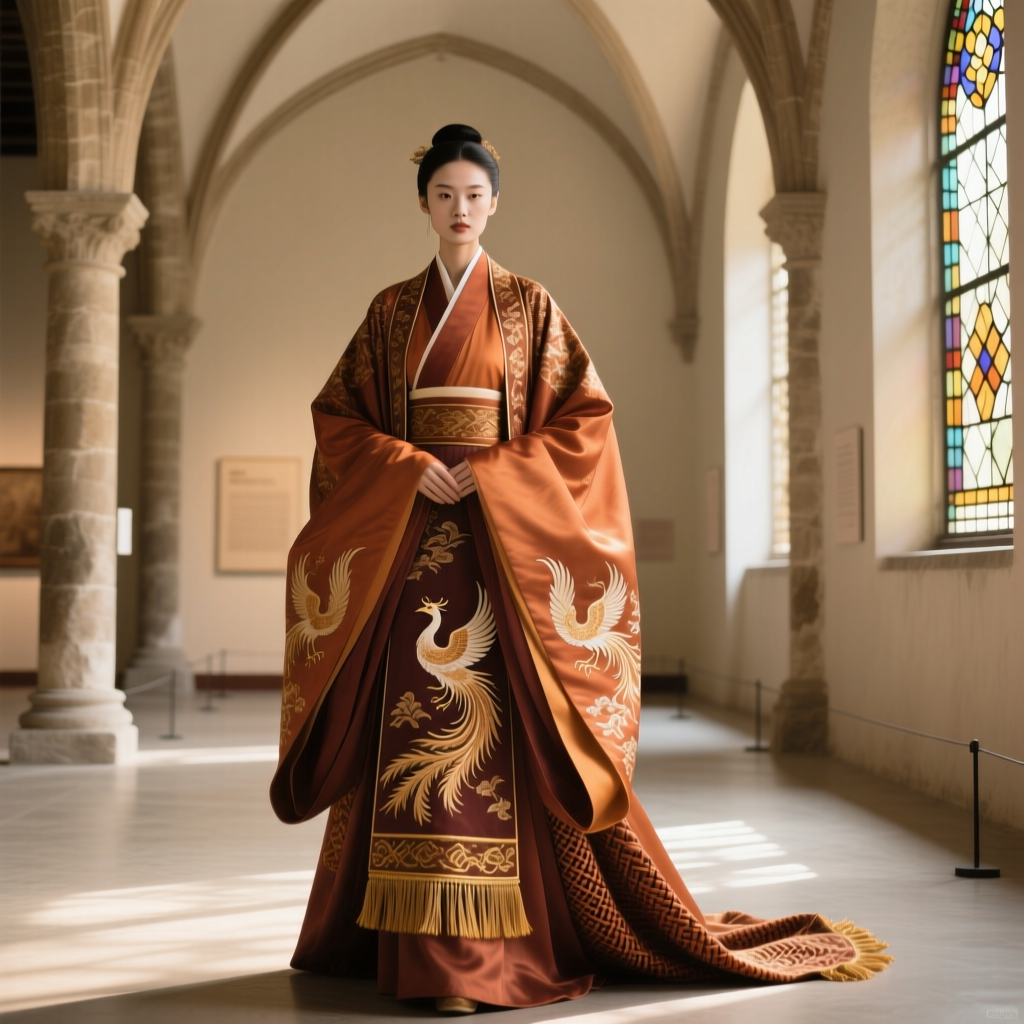
How to Wear a Kimono: Cultural Guide
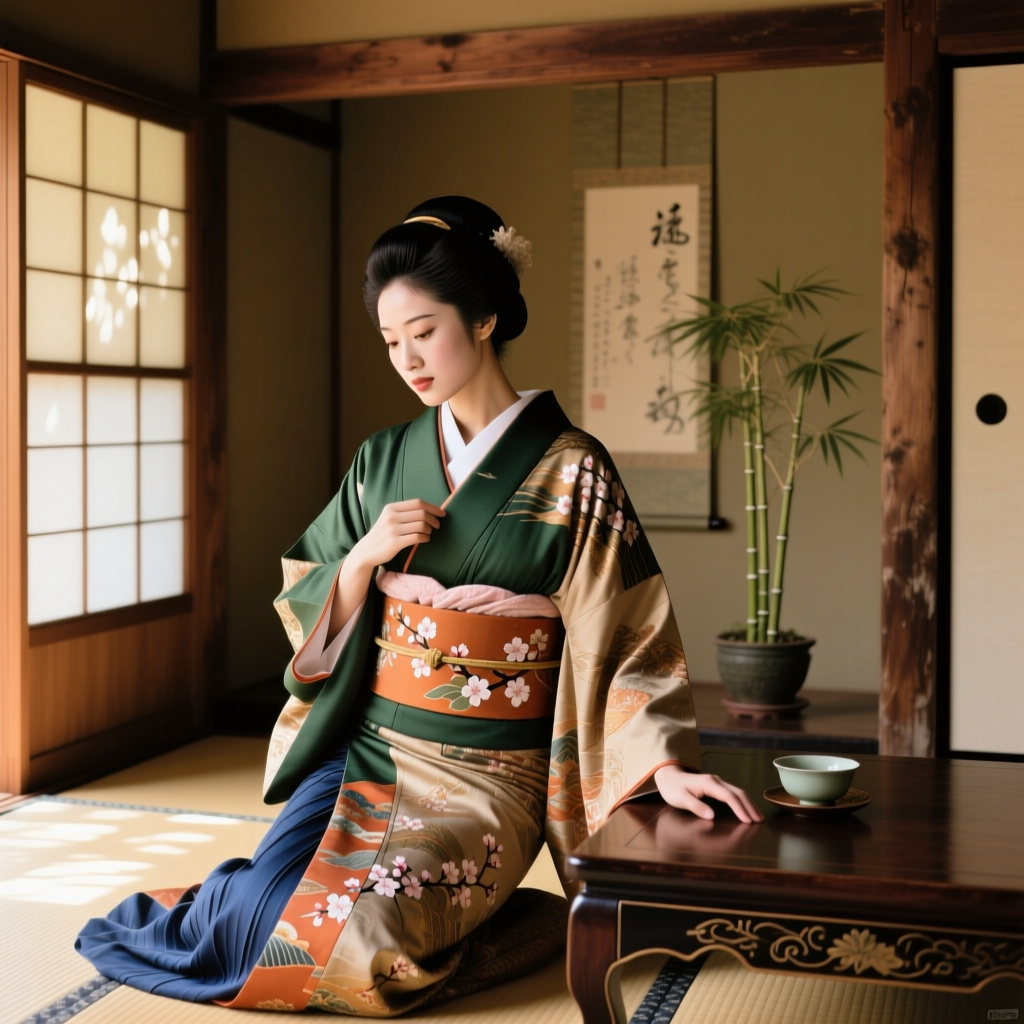
How to Wear a Traditional Japanese Kimono: A Complete Cultural Guide
Few garments in human history carry the weight of art, identity, and ceremony quite like the Japanese kimono. Draped in layers of silk, linen, or cotton, the kimono is far more than a piece of clothing — it is a living canvas that tells stories of seasons, social status, regional pride, and personal milestones. For centuries, this iconic T-shaped robe has been the cornerstone of Japanese dress, evolving from everyday attire into a revered symbol of cultural heritage that continues to captivate people around the world.
Learning how to wear a traditional Japanese kimono is not simply a matter of putting on a garment. It is an immersive practice — one that connects the wearer to generations of artisans, dressers, and cultural custodians who have preserved this art form through meticulous attention to detail. Whether you are preparing for a tea ceremony, planning to attend a summer festival, or simply wish to understand the profound elegance behind Japanese dress, this comprehensive guide will walk you through everything you need to know about wearing a kimono with grace, respect, and authenticity.
If you are exploring global garment traditions, you may also enjoy our broader collection of garment guides covering traditional dress from cultures around the world.
The Origins and Evolution of the Kimono
The word kimono (着物) translates literally to "thing to wear" — ki meaning "to wear" and mono meaning "thing." While the term is now used globally to describe Japan's most iconic garment, its history stretches back well over a millennium, shaped by cultural exchange, political shifts, and artistic innovation.
Early Beginnings: The Heian Period (794–1185)
The earliest ancestors of the modern kimono emerged during the Heian period, an era celebrated for its extraordinary cultural flowering. During this time, Japanese aristocrats developed the junihitoe, a lavish ensemble of up to twelve layered robes worn by court women. Each layer was carefully chosen for its color, fabric, and seasonal appropriateness, creating a visual language that communicated rank, taste, and emotional subtlety. The straight-line cutting method — which remains fundamental to kimono construction today — was developed during this period, allowing garments to be folded flat and layered with precision.
The Edo Period: Refinement and Codification (1603–1868)
The kimono as we recognize it today took shape during the Edo period, when Japan experienced prolonged peace under the Tokugawa shogunate. The kosode — a garment with smaller sleeve openings that had previously been worn as an underlayer — became the primary outer garment for both men and women. This era saw the rise of elaborate dyeing techniques such as yuzen, which allowed artisans to paint intricate pictorial designs directly onto silk. Sumptuary laws regulated who could wear certain fabrics and patterns, turning the kimono into a complex marker of social class and wealth.
The Modern Era: Preservation and Revival
Following the Meiji Restoration and the rapid modernization of Japan, Western clothing largely replaced the kimono in daily life. However, the garment never disappeared. Instead, it transitioned into ceremonial and formal wear — reserved for weddings, coming-of-age celebrations, tea ceremonies, and seasonal festivals. Today, a dedicated community of artisans, teachers, and enthusiasts ensures that the art of kimono wearing — known as kitsuke — continues to thrive. Many young people in Japan and abroad are rediscovering the kimono, blending traditional aesthetics with contemporary life.
For more on how traditional garments have shaped cultural identity across Asia, explore our guide to the South Asian sari and its parallel journey through history.
Understanding the Components of a Kimono Ensemble
Before you can dress in a kimono, it is essential to understand the many components that make up a complete ensemble. Unlike Western clothing, where a single garment often suffices, a properly worn kimono involves multiple layers and accessories, each serving a specific functional and aesthetic purpose.
The Core Garments
Nagajuban (長襦袢): This is the under-kimono, typically made of cotton or synthetic fabric. It protects the outer kimono from perspiration and body oils while providing a smooth base layer. The collar of the nagajuban is visible at the neckline, adding a subtle layer of color or contrast.
Kimono (着物): The main garment itself. Kimonos are constructed from long, straight panels of fabric sewn together with minimal cutting, creating a T-shaped robe with wide sleeves. The fabric, pattern, and sleeve length all carry meaning — longer, flowing sleeves (furisode) indicate an unmarried young woman, while shorter sleeves are worn by married women and men.
Haori (羽織): A hip- or thigh-length jacket worn over the kimono, often featuring family crests (kamon) on formal occasions. The haori adds an extra layer of formality and warmth and is commonly worn by both men and women.
Essential Accessories
Obi (帯): The wide sash that secures the kimono at the waist. Obi can be extraordinarily ornate — some formal obi are woven with gold and silver threads and cost more than the kimono itself. There are several types, including the wide fukuro obi for formal occasions and the narrower nagoya obi for semi-formal or casual wear.
Obi-jime (帯締め): A decorative cord tied over the obi to secure it and add a finishing accent. The color and material of the obi-jime are chosen to harmonize with the overall ensemble.
Obi-ita (帯板): A flat board inserted beneath the obi to keep it smooth and prevent wrinkling. This is especially important for wide, formal obi.
Koshi-himo (腰紐): Thin cotton ties used to secure the kimono and nagajuban in place during dressing. Several of these are used throughout the process, and they are hidden beneath the obi.
Date-jime (伊達締め): A wider sash tied over the koshi-himo to further secure the layers and create a smooth silhouette.
Footwear and Finishing Touches
Tabi (足袋): Split-toe socks designed to be worn with traditional Japanese footwear. White tabi are standard for formal occasions.
Zori (草履) and Geta (下駄): Traditional sandals worn with kimono. Zori are flat, often covered in brocade or vinyl, and suited to formal wear. Geta are wooden platform sandals more commonly paired with casual cotton yukata during summer festivals.
Kanzashi (簪): Decorative hair ornaments worn by women, often featuring seasonal motifs such as cherry blossoms in spring or maple leaves in autumn. These exquisite accessories elevate the entire ensemble and demonstrate the wearer's attention to seasonal harmony.
If you are fascinated by the role of accessories in traditional dress, you may also appreciate our exploration of traditional textile accessories from around the world.
Step-by-Step Guide: How to Wear a Kimono
Dressing in a kimono — the art of kitsuke — is a skill that takes practice and patience. While professional kimono dressers (kitsuke-shi) can complete the process in minutes, beginners should set aside at least thirty to forty-five minutes for their first attempts. Below is a detailed walkthrough of the standard procedure for women's kimono. Men's kimono dressing follows similar principles but with fewer layers and a simpler obi tying style.
Step 1: Prepare Your Base Layers
Begin by putting on your tabi socks — it is much easier to do this before you are wrapped in layers of fabric. Next, slip on the nagajuban (under-kimono) and adjust the collar so that it sits neatly at the base of your throat. The back of the collar should be pulled slightly away from the neck, creating an elegant gap that is considered an essential element of kimono aesthetics. Secure the nagajuban with a koshi-himo tie at the waist.
Step 2: Drape the Kimono
Hold the kimono open behind you and slip your arms into the sleeves. Bring the two front panels across your body. Always wrap the left panel over the right. This is one of the most important rules in kimono etiquette — wrapping right over left is reserved exclusively for dressing the deceased for burial. Once the panels are crossed, adjust the hemline so that it falls at your ankles. The back should be slightly longer than the front, creating a graceful trailing effect known as ohashori.
Step 3: Secure with Ties
Use a koshi-himo to tie the kimono securely at the waist. Then, adjust the excess fabric above the tie to create a smooth, even fold — the ohashori — which should sit neatly at the hip. This fold is a distinctive feature of women's kimono styling and allows for height adjustment. Smooth out any wrinkles and secure the arrangement with a date-jime.
Step 4: Adjust the Collar
The collar should frame the face and neck beautifully. Pull the back of the collar away from the neck to create the signature gap — approximately a fist's width is ideal. The front of the collar should cross neatly at the base of the throat, with the nagajuban collar visible beneath it, creating a layered effect.
Step 5: Tie the Obi
This is the most complex and artistic step. For a standard nagoya obi, begin by wrapping the obi around your waist over the kimono, aligning it with the desired height (typically at the natural waist or slightly below). Cross the ends at the back and bring them to the front to tie. The most common knot for everyday wear is the otaiko musubi (drum knot), which creates a smooth, box-like shape at the back. Formal occasions call for more elaborate knots such as the fukura suzume (sparrow knot) or tateya musubi.
Insert the obi-ita board between the obi layers at the front to maintain a crisp appearance. Finish by tying the obi-jime cord over the center of the obi and tucking the ends neatly.
Step 6: Final Adjustments and Accessories
Check that all lines are straight, the hem is even, and the collar gap is consistent. Slip on your zori sandals, arrange your hair with kanzashi if desired, and step back to admire your work. The finished silhouette should be sleek and columnar — the kimono transforms the body into an elegant, flowing form that moves with quiet grace.
For those interested in the meditative practice of dressing with intention, our guide to mindful dressing traditions explores how cultures worldwide approach clothing as a ritual.
Occasions and Regional Variations
The kimono is not a monolith — it encompasses a rich spectrum of styles, each suited to specific occasions, seasons, and regions. Understanding these variations is key to wearing the kimono appropriately and appreciating its depth as a cultural artifact.
Formal Occasions
Furisode (振袖): The most formal kimono for unmarried women, characterized by its dramatically long, swinging sleeves that can extend nearly to the ankles. Furisode are worn at coming-of-age ceremonies (seijin-shiki), weddings (by unmarried female relatives), and other significant celebrations. The designs are typically bold, colorful, and cover the entire garment.
Kurotomesode (黒留袖): The most formal kimono for married women. This black silk kimono features patterns only below the waist and displays five family crests. It is worn exclusively by close married relatives of the bride and groom at weddings.
Irotomesode (色留袖): A colored version of the tomesode, slightly less formal, suitable for a wider range of celebratory events.
Houmongi (訪問着): A semi-formal visiting kimono with patterns that flow across the seams, creating a continuous pictorial design. Appropriate for tea ceremonies, parties, and cultural events.
Casual and Seasonal Wear
Komon (小紋): An everyday kimono with small, repeating patterns. Suitable for casual outings, classes, and informal gatherings.
Tsumugi (紬): A kimono made from pongee silk — a textured, rustic fabric woven from silk noil. Tsumugi kimonos are prized for their understated beauty and craftsmanship, though they are considered casual wear despite their often considerable cost.
Yukata (浴衣): A lightweight cotton kimono worn during summer festivals, fireworks displays, and at hot spring resorts. The yukata is the most accessible entry point for kimono beginners — it requires fewer layers, a simpler obi, and is widely available for purchase or rental. Our guide to summer festival clothing explores the yukata's role in Japanese matsuri culture in greater detail.
Men's Kimono
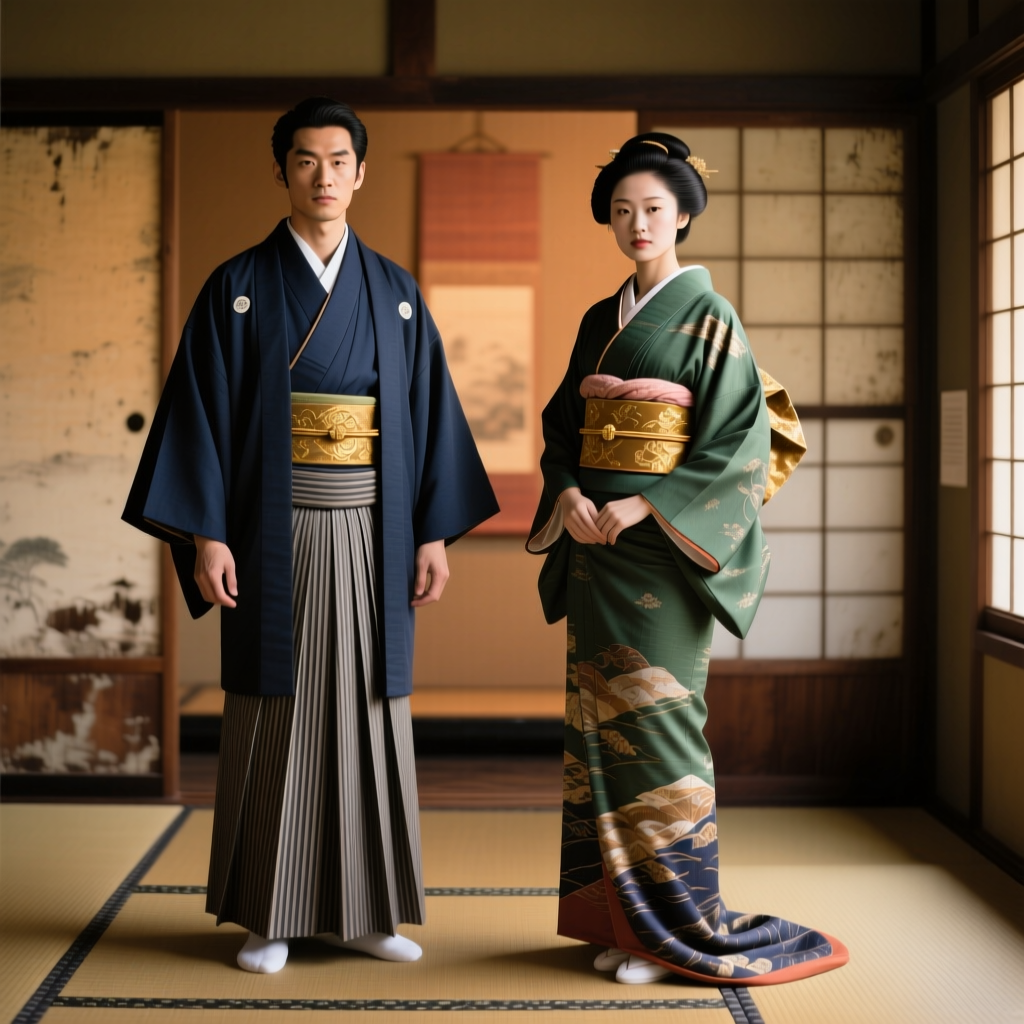
Men's kimono are generally more subdued in color and pattern, favoring dark hues such as navy, charcoal, black, and deep brown. Formal men's ensembles include a kimono paired with hakama (wide-legged pleated trousers) and a haori jacket bearing family crests. The obi for men is narrower and tied in a simple knot at the back. Men's kimono are commonly worn at weddings, graduation ceremonies, and martial arts events.
Regional Variations
Different regions of Japan have developed distinctive textile traditions that influence kimono aesthetics:
Kyoto — Nishijin-ori: The Nishijin district of Kyoto has been the center of luxury textile production for over five centuries. Nishijin-ori brocades are renowned for their intricate woven patterns using gold and silver threads, and they are frequently used for the finest obi.
Kanazawa — Kaga-yuzen: This dyeing technique from Ishikawa Prefecture is known for its realistic, nature-inspired designs featuring gradated colors and delicate botanical motifs. Kaga-yuzen kimonos are among the most sought-after in Japan.
Okinawa — Bingata: A vibrant resist-dyeing tradition from the Ryukyu Islands, bingata features bold tropical motifs in reds, yellows, and blues that reflect Okinawa's unique subtropical culture and history as an independent kingdom.
Niigata — Ojiya-chijimi: A linen textile with a distinctive crinkled texture, ideal for summer kimono. This UNESCO-recognized craft exemplifies the ingenuity of Japanese textile artisans in creating fabrics suited to the humid summer climate.
To learn more about how geography shapes traditional dress, visit our cultural heritage section, which explores textile traditions from every inhabited continent.
The Cultural Significance of the Kimono
The kimono is far more than a beautiful garment — it is a vessel of cultural meaning, embodying Japanese philosophies of aesthetics, social harmony, and respect for nature. Every element of a kimono ensemble, from the choice of fabric to the motif embroidered on the sleeve, carries layers of significance that have been refined over centuries.
Seasonal Awareness: The Concept of Kisetsukan
One of the most profound aspects of kimono culture is kisetsukan — the expression of seasonal awareness through clothing. A properly dressed kimono wearer selects motifs, colors, and fabrics that reflect the current season, often anticipating it by a few weeks. Cherry blossoms appear in late winter and early spring, wisteria in late spring, fireworks and morning glories in summer, maple leaves and chrysanthemums in autumn, and pine, bamboo, and plum in winter. This practice reflects the deep Japanese aesthetic principle of shiki — living in harmony with the natural world and finding beauty in its transient cycles.
Social Identity and Communication
Historically, the kimono served as a sophisticated system of visual communication. The type of kimono, the number of family crests, the formality of the obi, and even the way the collar was adjusted conveyed information about the wearer's age, marital status, social rank, and the nature of the occasion. While modern kimono culture is less rigidly codified, these conventions still guide appropriate dress and demonstrate respect for tradition and for one's hosts.
Artisan Craftsmanship and Living Heritage
Behind every kimono lies an extraordinary chain of specialized artisans — silk weavers, dyers, embroiderers, painters, and tailors — each mastering techniques that have been passed down through generations. Many of these techniques are designated as Important Intangible Cultural Properties by the Japanese government, and the artisans who practice them are recognized as Living National Treasures. Wearing a kimono is, in a very real sense, an act of cultural preservation — it sustains demand for these rare skills and ensures that they are transmitted to future generations.
The Kimono as a Global Symbol
In recent decades, the kimono has transcended its national origins to become a global symbol of elegance and craftsmanship. Fashion designers, museums, and cultural institutions worldwide have celebrated the kimono's influence on art, design, and sartorial philosophy. However, this global appreciation must be accompanied by cultural sensitivity — wearing a kimono with understanding and respect for its origins honors the culture that created it, while treating it as mere costume diminishes its significance.
Our article on preserving traditional garments discusses the importance of respectful engagement with cultural dress in a globalized world.
Frequently Asked Questions
Is it disrespectful for non-Japanese people to wear a kimono?
Wearing a kimono is generally welcomed by Japanese people when done with genuine respect and an effort to understand the culture. In fact, many kimono rental shops, cultural centers, and tourism organizations in Japan actively encourage visitors to experience wearing a kimono. The key is to wear it properly (or seek help from a professional dresser), avoid treating it as a costume or novelty, and approach the experience with curiosity and reverence. Purchasing from authentic sources rather than mass-produced imitations also shows respect for the artisans who create these garments.
How much does a traditional kimono cost?
The price of a kimono varies enormously depending on the fabric, craftsmanship, and formality. A casual cotton yukata can be purchased for as little as ¥3,000 to ¥10,000 (roughly $20 to $70 USD). A mid-range silk komon kimono may cost between ¥50,000 and ¥200,000 ($350 to $1,400 USD). At the highest end, a hand-painted furisode or a custom-woven Nishijin brocade ensemble — including the obi, accessories, and dressing services — can exceed ¥1,000,000 ($7,000 USD) or more. Many people in Japan opt to rent kimonos for special occasions, which is a practical and affordable way to enjoy high-quality garments.
Can I learn to dress myself in a kimono?
Yes, self-dressing (jibun de kiru) is a rewarding skill that many people learn through dedicated classes. In Japan, kimono dressing schools such as the Sodo Kimono Academy and various local kitsuke kyoushitsu (dressing classrooms) offer structured courses that take students from beginner to advanced levels over several months. Outside Japan, workshops and online tutorials are increasingly available. Beginners are encouraged to start with a yukata, which is simpler to manage, and gradually progress to more formal kimono as their skills develop.
What is the difference between a kimono and a yukata?
A yukata is a type of kimono, but the two terms are often used to distinguish between lined or unlined silk garments (kimono) and lightweight, unlined cotton garments (yukata). The yukata originated as a bathrobe worn by the aristocracy and later became popular as casual summer wear for all social classes. Today, yukata are worn at summer festivals, fireworks events, and hot spring resorts. They require fewer undergarments, a simpler obi, and wooden geta sandals rather than formal zori. If you are new to Japanese dress, the yukata is the ideal starting point.
How should I care for and store a kimono?
Proper care is essential to preserve a kimono's beauty and longevity. Silk kimonos should never be washed at home — they require professional cleaning by specialists familiar with traditional garments. After wearing, air the kimono in a shaded, well-ventilated area for a day before storing. Kimonos are traditionally folded flat along their seam lines and stored in tatou-shi (special paper wrapping) inside a paulownia wood chest, which naturally repels insects and regulates humidity. Avoid hanging kimonos for long periods, as the weight of the fabric can distort the shoulders. Periodically refold the garment along different lines to prevent permanent creasing. For detailed textile care guidance, see our guide to caring for traditional garments.
Embracing the Art of the Kimono
Learning to wear a traditional Japanese kimono is a journey into one of the world's most refined sartorial traditions. It asks the wearer to slow down, to pay attention to the drape of fabric, the alignment of a seam, the harmony of color and season. In a world of fast fashion and disposable clothing, the kimono stands as a powerful reminder that what we wear can be an act of artistry, a declaration of identity, and a bridge between past and present.
Whether you are slipping on a casual yukata for a summer evening or carefully arranging the layers of a formal silk kimono for a momentous occasion, you are participating in a living tradition that has endured for over a thousand years. Approach it with patience, practice it with dedication, and wear it with pride — the kimono will reward you with a sense of beauty and connection that few other garments can offer.
Continue your journey through global garment traditions by exploring our complete guide library or dive deeper into the textile heritage of East Asia.