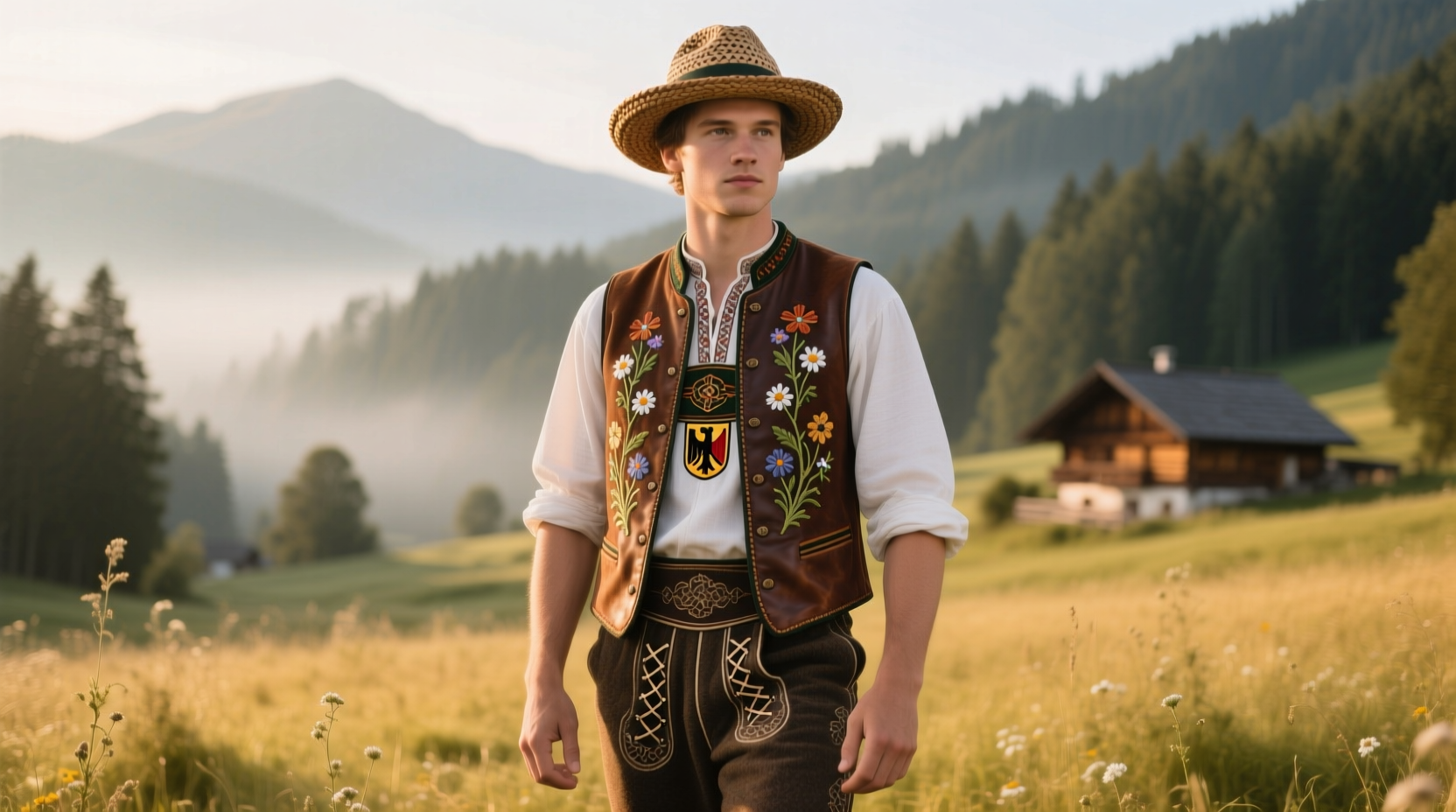
Lederhosen Skirt Buying Guide: Sizing, Styling & Tracht 2026
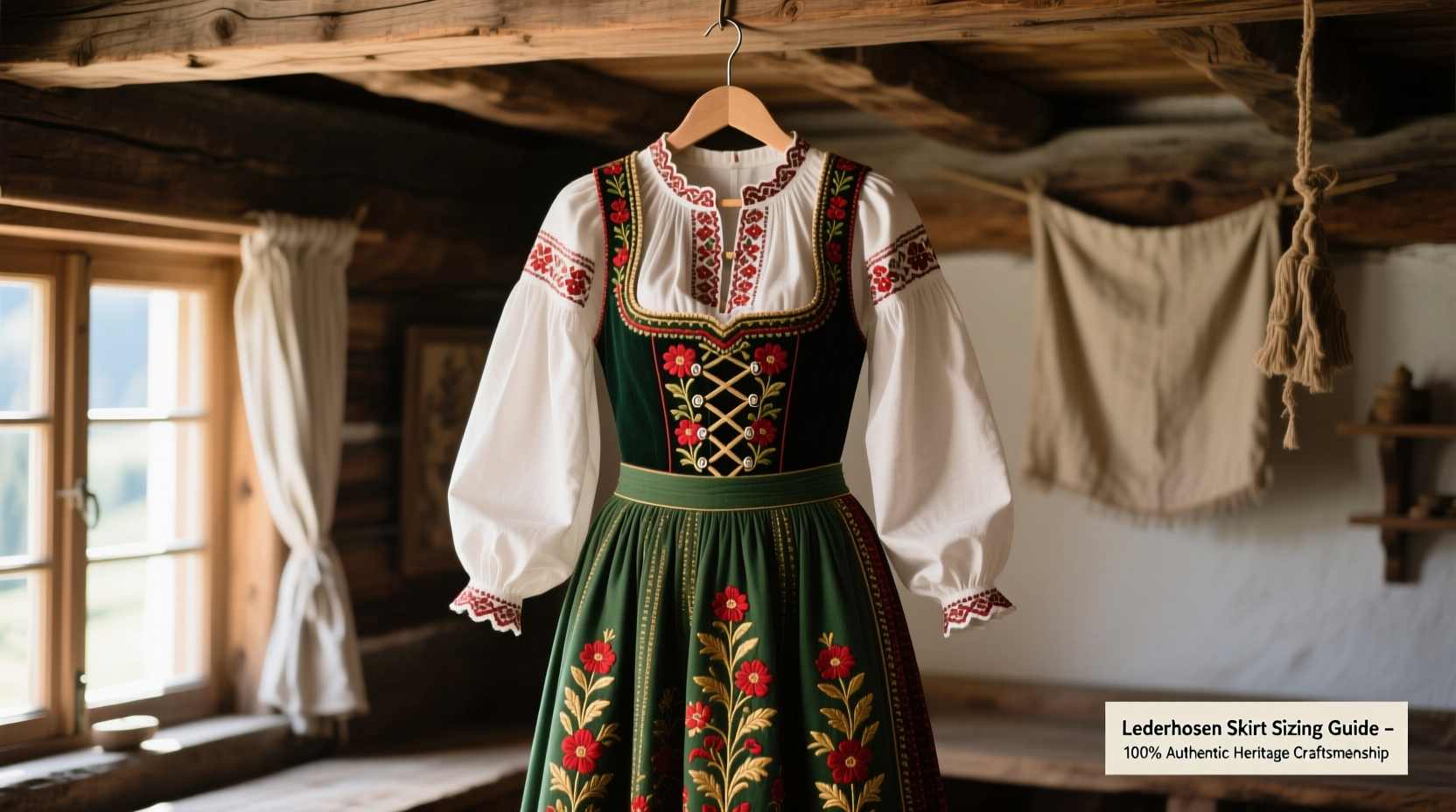
The Cultural Translation: What is a 'Lederhosen Skirt'?
When international buyers search for a lederhosen skirt, they are typically looking for the women’s equivalent of the iconic Bavarian and Alpine leather breeches. In authentic German and Austrian Tracht (traditional folk dress) terminology, this garment is known as a Lederrock (leather skirt) or is integrated into a Lederhosen-Dirndl hybrid. Historically, leather was predominantly reserved for men’s workwear due to its durability in alpine forestry and hunting. Women’s traditional alpine attire centered around heavy wool, linen, and cotton Röcke (skirts) paired with a Mieder (bodice).
However, as Trachtenmode (fashion Tracht) evolved through the 20th and 21st centuries, the Lederrock emerged as a celebrated staple for women, particularly in alpine regions like Bavaria, Tyrol, and Salzburg. Today, a high-quality lederhosen skirt represents a bridge between rugged alpine heritage and modern feminine tailoring. This 2026 buying guide will help you navigate the complexities of leather grading, precise sizing, and cultural etiquette to ensure you invest in a garment that respects the tradition while fitting flawlessly.
Material Matters: Decoding Alpine Leather Grades
The most critical mistake buyers make when shopping for a lederhosen skirt online is confusing genuine alpine leather with mass-produced polyurethane (PU) 'costume' materials. Authentic Tracht relies on specific hides and traditional tanning methods that dictate the skirt's drape, longevity, and comfort.
Hirschleder (Deerskin) vs. Ziegenleder (Goatskin)
- Hirschleder (Deerskin): The gold standard for premium Tracht. Deerskin is incredibly soft, lightweight, and possesses a natural elasticity that makes it ideal for women’s skirts. It molds to the body over time, providing a bespoke fit. Expect a velvety suede finish (Veloursleder).
- Ziegenleder (Goatskin): Highly durable and slightly more structured than deerskin. Goatskin is traditionally used for heavy-duty alpine workwear and offers excellent resistance to wind and light moisture. It is often used for skirts featuring heavy, structural pleating.
- Rindsleder (Cowhide): Rarely used for high-end women’s skirts due to its stiffness and weight, though it may appear in budget-friendly, heavily structured A-line festival skirts.
The Tanning Process: Sämischgerbung
For a true heritage piece, look for skirts crafted using Sämische Gerbung (oil or brain tanning). This ancient, eco-friendly method uses cod liver oil and natural fats to cure the hide. It results in a leather that is washable, breathable, and possesses a distinct, earthy scent that synthetic chrome-tanned leathers lack. According to the Bayerisches Nationalmuseum, traditional oil tanning has been a cornerstone of alpine leathercraft for centuries, preserving the hide's natural fibers without the use of harsh chemicals.
The Sizing Matrix: Achieving the Perfect Tracht Fit
Sizing a Lederrock is fundamentally different from sizing a standard cotton Dirndl or modern denim. Leather, particularly suede, has minimal mechanical stretch across the waistband. Furthermore, traditional alpine skirts are designed to sit at the natural waist (the narrowest part of your torso, above the navel), not at the hips like contemporary fashion skirts.
How to Measure for a Lederrock
- Natural Waist: Use a soft measuring tape around the narrowest part of your torso. Breathe normally; do not suck in your stomach, as you need room to sit and eat comfortably at a festival.
- Hip Circumference: Measure around the fullest part of your hips to ensure the skirt's pleats (Falten) drape correctly without pulling at the seams.
- Desired Length: Measure from your natural waist down to your preferred hemline.
2026 Sizing & Fit Chart
| Natural Waist (cm) | Hips (cm) | DE Size | IT Size | Fit Profile & Notes |
|---|---|---|---|---|
| 66 - 70 | 90 - 94 | 34 | 40 | Petite; requires precise tailoring to avoid waistband gaping. |
| 71 - 75 | 95 - 99 | 36 | 42 | Standard slim; most common off-the-rack size for premium makers. |
| 76 - 80 | 100 - 104 | 38 | 44 | Standard medium; allows for excellent pleat drape on A-line cuts. |
| 81 - 85 | 105 - 109 | 40 | 46 | Curvy; ensure the leather is Sämisch gegerbt for comfort. |
| 86 - 90 | 110 - 114 | 42 | 48 | Plus; seek makers offering custom waistband adjustments. |
Expert Sizing Tip: If your waist and hip measurements fall into two different DE size categories on a maker's chart, always size up to accommodate the waist. A skilled local tailor can easily take in the hips of a leather skirt, but letting out a leather waistband is nearly impossible due to needle perforation scarring.
Silhouette and Etiquette: Lengths, Aprons, and Styling
The cultural context of how you wear your lederhosen skirt matters immensely, especially if you are attending traditional events like a Trachtenhochzeit (traditional wedding) or visiting conservative alpine villages.
Length Protocols
- Knielang (Knee-Length): The most culturally respected length. A knee-length Lederrock is appropriate for church services, official Trachtenverein (folk dress club) events, and family gatherings. It honors the modesty historically required in alpine Catholic communities.
- Midi (Calf-Length): Highly elegant and increasingly popular in 2026 Trachtenmode. Often paired with a silk blouse and velvet bodice for evening events.
- Mini (Above Knee): Strictly relegated to commercial Oktoberfest tents, tourist areas, and modern clubwear. Wearing a mini leather skirt to a traditional rural Schützenfest (marksmen's festival) may be viewed as disrespectful to the local customs.
Styling the Lederrock
Unlike the Dirndl, which is a single-piece dress, the Lederrock is a separate skirt that requires careful coordination. In 2026, the prevailing trend is 'Alpine Chic'—pairing the rugged texture of the leather with delicate, contrasting fabrics.
- The Blouse: Opt for a high-necked Victorian-style lace blouse (Bluse mit Stehkragen) to balance the toughness of the leather.
- The Bodice (Mieder): A velvet or brocade Mieder worn over the blouse and tucked into the skirt's waistband creates a historically accurate silhouette.
- The Apron (Schürze): Yes, you can wear an apron with a leather skirt! Choose a muted silk or raw linen apron. Avoid shiny satin, which clashes with the matte finish of authentic suede.
- Footwear: Skip the modern heels. Authentic styling demands Trachtenpumps (leather slip-ons with a low block heel) or, for a more rugged look, women's Haferlschuhe (traditional alpine shoes with side lacing).
Price Tiers and Authentic Makers
Investing in a genuine Lederrock is an investment in artisanal craftsmanship. Here is what you can expect to pay in the current market, and what that price actually buys you.
Tier 1: Fast Fashion & Festival Costumes (€40 - €90)
Verdict: Avoid. These are typically made from PU leather or heavily chrome-tanned, stiff pigskin. They lack breathability, will crack after one season of wear, and are immediately recognizable as 'costumes' by locals. They often feature cheap plastic horn-look buttons and polyester linings.
Tier 2: Commercial Trachtenmode (€180 - €350)
Verdict: Good for occasional wear. Brands in this tier use genuine split cowhide or basic goatskin suede. The leather is often chrome-tanned for mass production, but the tailoring is solid, featuring proper cotton linings and real horn buttons (Hornknöpfe). Excellent for tourists attending Oktoberfest or local German-American heritage festivals.
Tier 3: Heritage & Artisan Makers (€450 - €1,200+)
Verdict: The true collector's choice. At this level, you are purchasing Hirschleder (deerskin) that has been Sämisch gegerbt (oil-tanned) by regional tanneries. The skirts feature hand-stitched embroidery (Stickerei), often utilizing alpine motifs like edelweiss, oak leaves, or chamois. The waistbands are reinforced with natural linen, and the garments are built to be passed down as heirlooms. Makers in this tier often require a 6-to-8-week lead time for made-to-measure orders.
Garment Care: Preserving Your Investment
Leather is a natural, porous material that requires specific care to maintain its velvety texture and structural integrity.
- Never Machine Wash: Water strips the natural oils from Veloursleder, leaving it stiff and brittle.
- Brushing: After wearing, use a specialized suede brush (Wildlederbürste) to lift the nap and remove dust or dried mud.
- Stain Removal: For grease stains, apply a specialized leather eraser (Lederradierer) gently. Do not use standard soap.
- Storage: Store your Lederrock in a breathable cotton garment bag in a cool, dry place. Never store leather in plastic, as trapped humidity will cause mold.
Archival Sources and Cultural References
Understanding the roots of alpine dress enhances the appreciation of the garments we wear today. For those wishing to study the historical evolution of alpine workwear and the transition of leather in regional Tracht, the following institutions offer unparalleled archival resources:
- Bayerisches Nationalmuseum (Munich): Houses one of the most comprehensive collections of historical Bavarian folk dress, including rare 18th-century leatherwork and regional variations of the Rock.
- Tiroler Volkskunstmuseum (Innsbruck): An essential resource for understanding Tyrolean alpine attire, showcasing the practical, heavy-duty garments worn by mountain communities and the intricate leathercraft of the region.
By prioritizing authentic materials, respecting traditional silhouettes, and understanding the precise sizing requirements of leather, you can confidently purchase a Lederrock that honors the rich heritage of European alpine culture while providing a stunning, durable addition to your wardrobe.