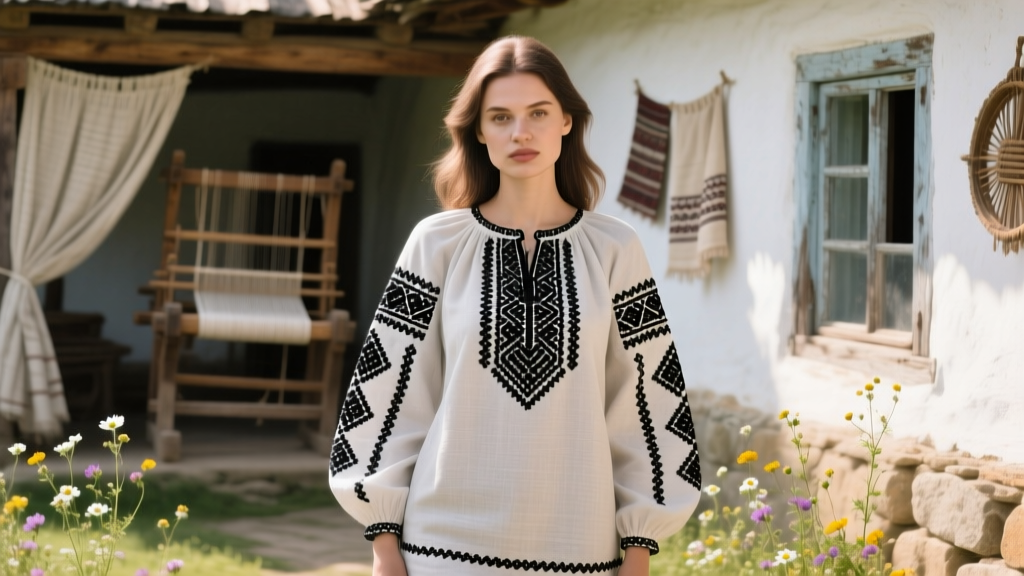
German Outfit Guide: Regional Trachten & Folk Dress Variants
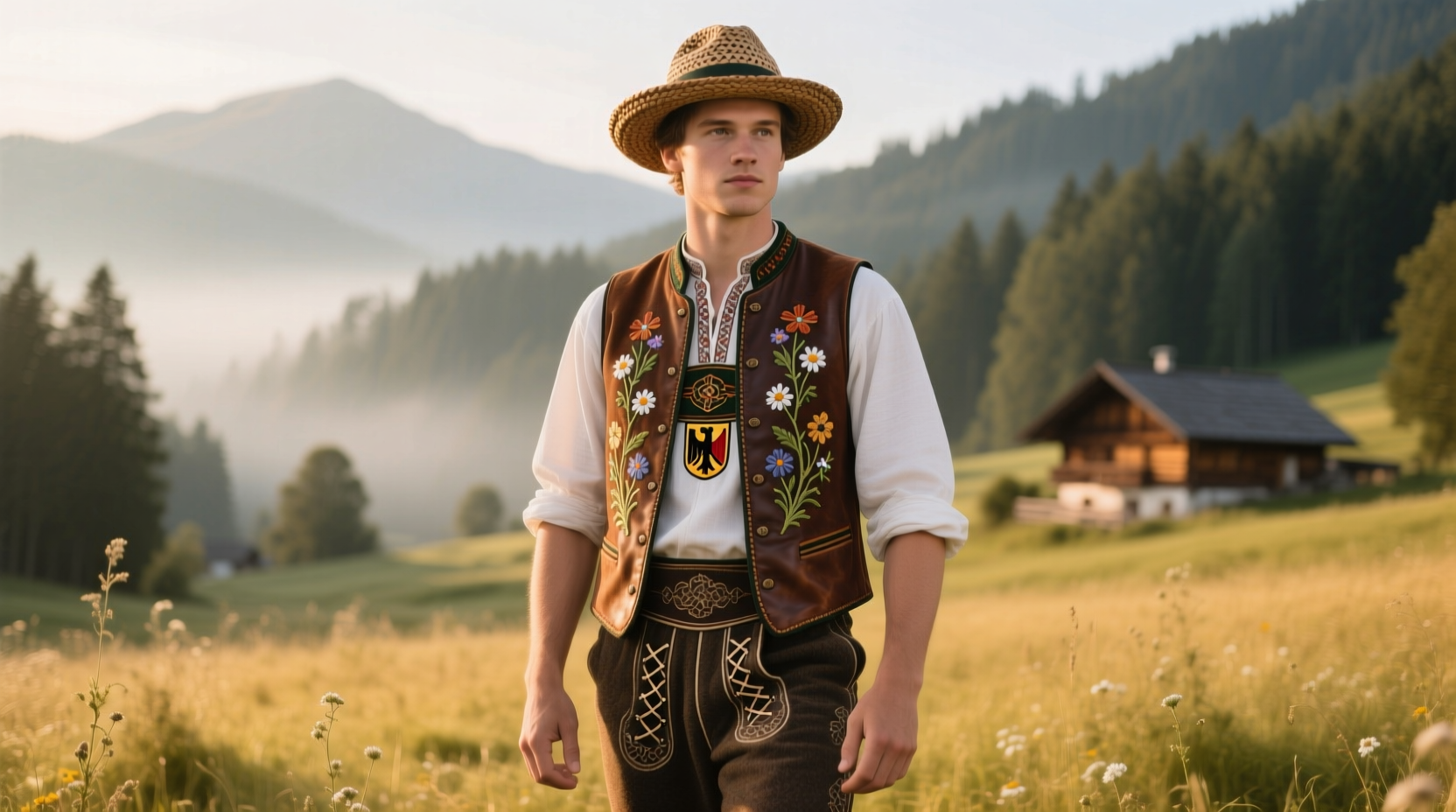
Beyond the Beer Tent: Decoding the Authentic German Outfit
When the global market searches for a german outfit, the results are overwhelmingly dominated by mass-produced, polyester Oktoberfest costumes. However, to cultural historians and textile artisans, traditional German clothing is known as Tracht—a deeply codified, regional sartorial language that communicates a wearer’s hometown, marital status, religious affiliation, and social standing. The modern Trachtenbewegung (tracht movement) of the late 19th and early 20th centuries sought to preserve these garments against the tide of industrialization, resulting in a rich tapestry of living traditions that thrive today.
Understanding the authentic German outfit requires stepping away from the Bavarian-centric commercial exports and exploring the distinct regional variants across the country's diverse federal states. From the heavy woolens of the Black Forest to the intricate silver filigree of the Frisian coast, traditional German dress is a masterclass in functional, localized textile engineering.
Alpine Traditions: The Bavarian and Swabian Trachten
While Bavaria and Austria share the Alpine Tracht heritage, it is crucial to distinguish between Trachtenmode (fashion inspired by folk dress) and Vereinstracht (strict, association-regulated historical dress). The iconic Bavarian dirndl and lederhosen are not monolithic; they vary drastically from the Werdenfelser Land to the Chiemgau.
The Anatomy of the Alpine Dirndl
An authentic dirndl is constructed from four distinct, separable components:
- Mieder (Bodice): Historically stiffened with reed or whalebone, modern high-quality bodices use reinforced cotton or linen blends, featuring a front lacing or hook-and-eye closure. The Ausschnitt (neckline) can be round, square, or heart-shaped, depending on the specific valley.
- Rock (Skirt): Gathered tightly at the waistband, authentic skirts are made from mid-weight wool, linen, or high-grade cotton. They must fall to at least mid-calf length in traditional settings, allowing for the vigorous dancing of the Schuhplattler.
- Schürze (Apron): The most communicative element of the outfit. Woven from silk, fine cotton, or linen, the apron’s bow communicates the wearer's relationship status (left: single; right: married/taken; center: virgin/young girl; back center: widow or waitress).
- Bluse (Blouse): Typically white cotton or linen, featuring Klöpelspitze (bobbin lace) or delicate embroidery. The sleeves can be puffed, short, or three-quarter length.
Lederhosen: The Säcklermeister’s Craft
Authentic Lederhosen (leather breeches) are the domain of the Säcklermeister (master leatherworker). Unlike the stiff, chemically treated cowhide found in tourist shops, genuine Alpine lederhosen are crafted from Hirschleder (deer nappa) or Gamsleder (chamois). The leather is brain-tanned or smoked, resulting in a remarkably soft, breathable, and durable garment that molds to the wearer's body over decades. The Latz (drop-front flap) is secured with genuine horn buttons, and the Stickerei (embroidery) features regional motifs like edelweiss, oak leaves, or alpine roses, often executed in raised Sattlerstich (saddler's stitch). According to the Bayerisches Nationalmuseum, the evolution of these garments traces back to the utilitarian workwear of 18th-century Alpine hunters and foresters before being adopted by the aristocracy for hunting excursions.
The Black Forest: The Bollenhut and Valley Distinctions
Moving west to Baden-Württemberg, the traditional German outfit takes on a heavier, more structured silhouette. The most globally recognized symbol of the Black Forest is the Bollenhut, a striking wide-brimmed straw hat adorned with large wool pom-poms. However, the Bollenhut is strictly indigenous to only three villages in the Kinzig valley: Gutach, Kirnbach, and Hornberg-Reichenbach.
Crafted exclusively by specialized Bollenhutmacherinnen (female hat makers), a single hat requires over two meters of wool yarn and weighs up to two kilograms. It features exactly 14 pom-poms (though only 11 are visible from above). The color coding is absolute: bright red pom-poms are reserved for unmarried, confirmed Catholic women, while married women wear black pom-poms. The accompanying dress features a heavily pleated black skirt, a silk brocade bodice, and a white lace-trimmed collar. For an immersive look into how these garments were worn in daily agrarian life, the Schwarzwälder Freilichtmuseum Vogtsbauernhof maintains an extensive, climate-controlled archive of original 19th-century Black Forest textiles.
Hesse and the North: Schwälmer and Frisian Variants
In central Germany, the Schwälmer Tracht of Hesse offers a fascinating study in color symbolism and folklore. Often cited as the visual inspiration for the Brothers Grimm’s Little Red Riding Hood (Rotkäppchen), the Schwälmer outfit is characterized by its Schneppekapp (a small, beak-like cap) and heavily layered skirts. On high feast days, a wealthy Schwälmer woman might wear up to twelve layered skirts, revealing a vibrant gradient of red, green, and blue hems. The embroidery, known as Schwälmer Stickerei, relies heavily on satin-stitched hearts, tulips, and stars, traditionally executed in red silk on black or dark blue wool.
Northern Maritime Trachten
In stark contrast to the southern alpine styles, the traditional outfits of Northern Germany reflect a maritime, Protestant heritage. The Föhringer Tracht from the North Frisian island of Föhr is a masterpiece of dark elegance. It consists of a deep black, unpleated skirt, a white linen apron, and a dark bodice adorned with elaborate silver filigree jewelry (Filigranschmuck). This jewelry—featuring rosettes and crosses—was historically brought back by Frisian seafarers and whalers from the Netherlands and Baltic regions, serving as a display of a family's maritime wealth.
Comparative Analysis of Regional German Outfits
To understand the investment and cultural weight of these garments, it is helpful to compare their construction, material requirements, and modern market values. The following table outlines the core specifications for authentic, artisan-made pieces.
| Region | Primary Garment Name | Key Materials & Construction | Approx. Artisan Price (EUR) | Cultural Protocol |
|---|---|---|---|---|
| Upper Bavaria | Miesbacher Tracht (Lederhosen) | Smoked Hirschleder, horn buttons, silk stickerei | €800 - €1,800+ | Worn with Haferl shoes and Loferer Stutzen (calf warmers) |
| Salzkammergut (Alpine) | Ausseer Dirndl | Silk taffeta, gold embroidery, high-waisted cut | €600 - €1,200 | Pink skirt, green apron, black bodice; strict color rules |
| Black Forest | Gutacher Bollenhuttracht | Heavy wool, silk ribbons, 2kg straw/wool hat | €1,500 - €3,000 (full set) | Red pom-poms strictly for unmarried Catholic women |
| Hesse | Schwälmer Sonntagstracht | Layered wool skirts, red silk satin-stitch embroidery | €400 - €900 | Number of skirts denotes wealth and occasion formality |
| North Frisia | Föhringer Tracht | Dark wool, white linen, heavy silver filigree | €700 - €1,500 (incl. silver) | Silver pieces are often inherited family heirlooms |
Cultural Etiquette: Sourcing and Wearing with Respect
Acquiring an authentic German outfit is an investment in heritage craftsmanship. The market is unfortunately saturated with Billigtracht (cheap costumes) made from synthetic blends that misrepresent historical silhouettes and appropriate cultural symbols. To source genuine garments, buyers should look for members of the Trachten-Informationszentrum (TIZ) or certified Säckler and Schneidermeister (master tailors).
Expert Sourcing Tip: When purchasing a dirndl, inspect the Rock (skirt). An authentic skirt is gathered or cartridge-pleated at the waist to allow for volume and movement. If the fabric is simply sewn flat or features a printed-on apron design, it is a modern costume, not a true Tracht.
Wearing these garments requires an understanding of their living context. In regions like Bavaria and Tyrol, Tracht is not reserved solely for festivals; it is standard formal wear for church holidays, weddings, and civic events. Wearing a highly specific regional outfit (such as the Ausseer Dirndl or the Berchtesgadener Tracht) without a connection to that region can be viewed as culturally incongruous by locals. For those outside these specific heritage lines, the Alltagstracht (everyday tracht) or high-quality, unbranded Trachtenmode in traditional colors and natural fabrics is the most respectful and socially acceptable choice for events like Oktoberfest or local Volksfeste.
Preserving the Thread: The Future of German Folk Dress
The survival of the traditional German outfit relies on the meticulous transmission of artisan skills. From the brain-tanning of deer hides in Alpine valleys to the bobbin-lace making in the Ore Mountains, these techniques cannot be replicated by machines. By understanding the profound regional diversity of German folk dress—moving past the monolithic beer-hall caricature—wearers and collectors contribute to the preservation of Europe’s most dynamic and historically rich textile traditions.