Buying Traditional European Dress: Sizing Guide

Navigating the Tapestry of European Folk Wear

When collectors, cultural enthusiasts, and heritage participants seek out authentic attire, navigating the market for all country traditional dress requires far more than a simple size chart. European folk costumes are not mass-produced fast fashion; they are deeply regional, historically grounded garments constructed with specific textiles, hand-embroidery, and bespoke tailoring techniques. Whether you are sourcing a Bavarian dirndl, a Norwegian bunad, or a Scottish kilt, understanding the nuances of heritage sizing and artisan pricing is critical.
This comprehensive 2026 buying guide moves beyond superficial costume replicas. We delve into the exact material compositions, regional pricing data, and precise fitting protocols required to acquire and wear authentic European folk dress with cultural respect and historical accuracy.
The Anatomy of Authenticity: What Defines True Heritage Garments?
Before taking measurements, buyers must distinguish between authentic living traditions and commercialized tourist wear. In the Alpine regions, for instance, there is a strict divide between Tracht (historically accurate, regionally specific folk dress) and Trachtenmode (modern, mass-produced fashion inspired by folk motifs).
Material Composition and Weave Standards
- Alpine Wool and Linen: Authentic dirndl skirts (Rock) and bodices (Mieder) utilize 100% virgin wool, raw silk, or heavy-weight linen. Polyester blends are a hallmark of inauthentic festival wear.
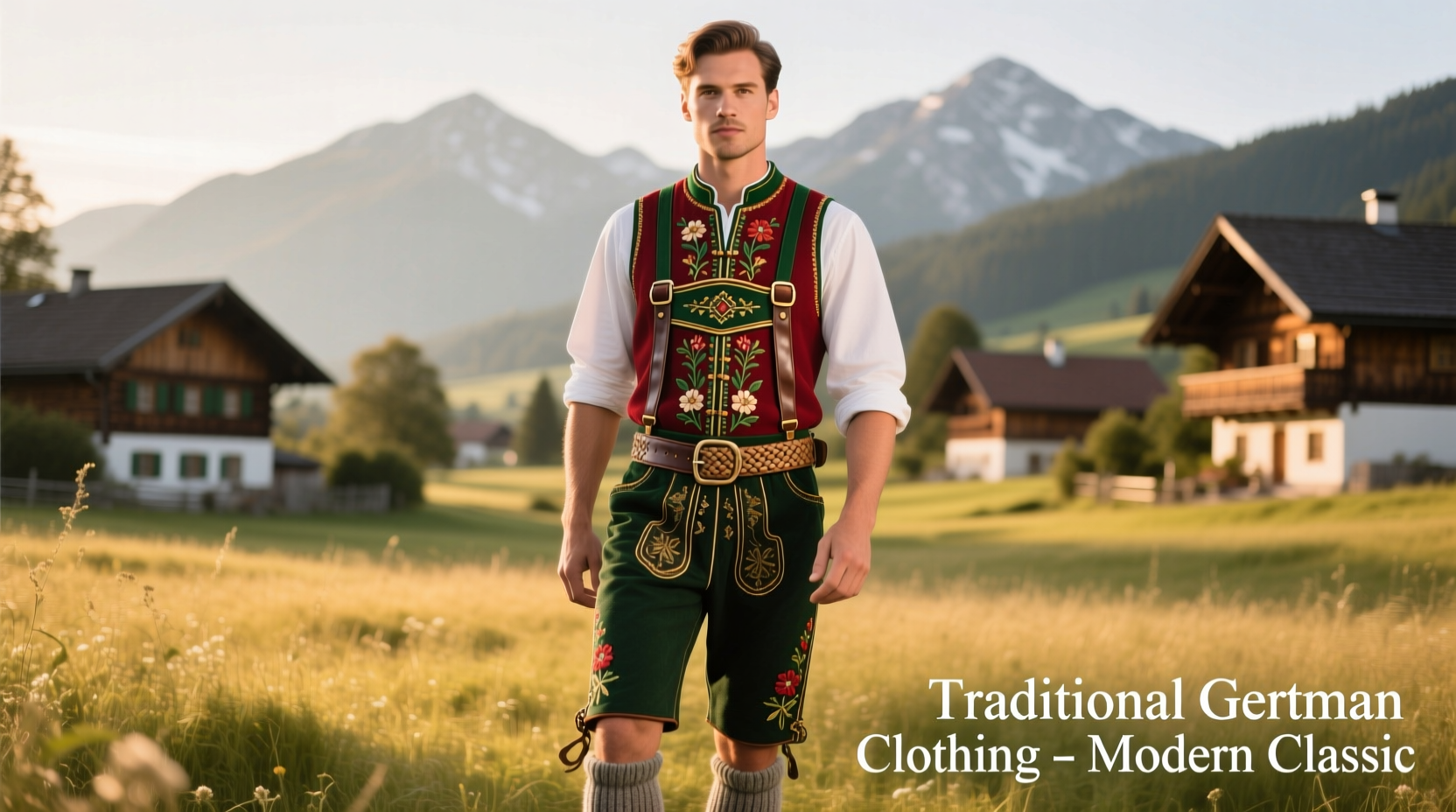
- Deer and Chamois Leather: Genuine Bavarian and Austrian lederhosen are crafted from Hirschleder (deer leather) or Sämischleder (chamois), tanned using traditional brain-tanning or oil-tanning methods, which allows the leather to breathe and mold to the wearer.
- Worsted Wool for Kilts: A true Scottish kilt requires 8 yards of worsted wool, woven in specific sett (tartan pattern) repeats, weighing between 13oz and 16oz per yard.
Comprehensive Sizing Matrix for Continental Folk Garments
Traditional garments rarely utilize modern S/M/L alpha sizing. Instead, they rely on precise metric or imperial measurements tailored to historical silhouettes. Below is the essential sizing conversion and fit matrix for major European folk garments.
| Garment Type | Primary Measurement Focus | Standard Sizing Unit | Authentic Fit Profile |
|---|---|---|---|
| Dirndl (Alpine) | Bust and Underbust | EU Dress Size (32-46) | Snug bodice, natural waistline, no modern cleavage enhancement. |
| Lederhosen (Alpine) | Waist and Inseam | cm (e.g., 98/102) | High-waisted; leather stretches and drops 1-2cm after initial wear. |
| Kilt (Celtic) | Navel Waist and Drop | Inches (e.g., 38W, 24L) | Sits strictly at the navel, falls precisely to the middle of the knee. |
| Bunad (Nordic) | Full Custom Matrix | Exact cm (Bust, Waist, Hip, Shoulder) | Zero ease; tailored to the millimeter over specific undergarments. |
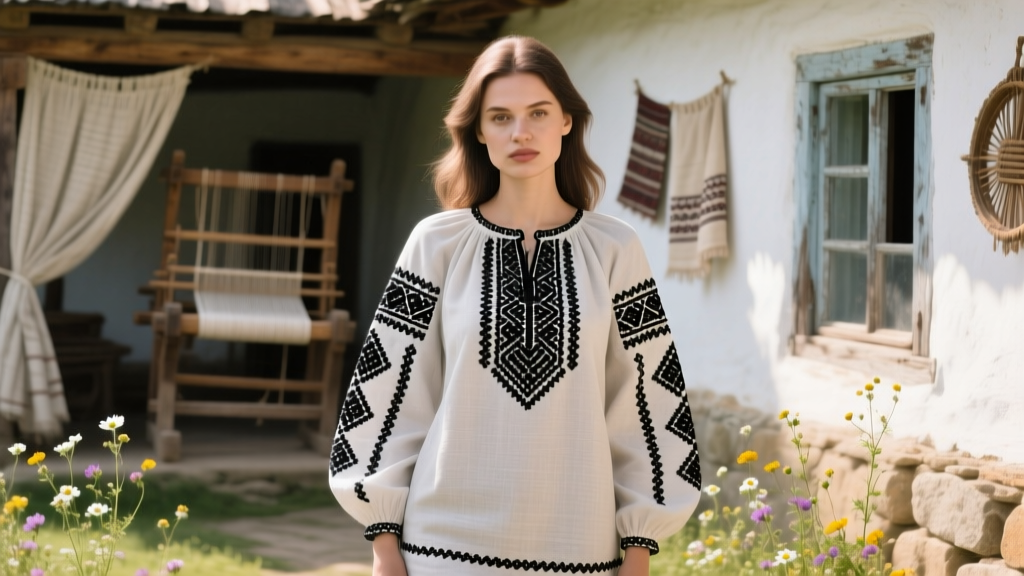
| Ie (Romanian) | Bust and Sleeve Length | EU Size or Custom | Loose, flowing fit; gathered at the neck and cuffs with drawstrings. |
Regional Pricing and Artisan Sourcing (2026 Market Data)

Acquiring all country traditional dress directly from heritage artisans represents an investment in cultural preservation. Prices reflect the hundreds of hours of hand-stitching, silver-smithing, and specialized weaving required.
Western and Alpine Europe (Germany, Austria, Switzerland)
Authentic Alpine wear is sourced from certified Säcklermeister (master leatherworkers) and specialized Tracht tailors. A genuine, hand-embroidered pair of Kniebundlederhosen (knee-breeches) with matching Krachlederne (suspender straps) ranges from €600 to €1,500. A high-quality, silk-and-linen dirndl ensemble, including the blouse (Dirndlbluse), apron (Schürze), and bodice, typically costs between €350 and €900. Buyers should consult archives like the Bayerisches Nationalmuseum to verify historical pattern accuracy before commissioning bespoke pieces.
Nordic and Celtic Regions (Norway, Scotland, Ireland)
The Norwegian bunad is perhaps the most expensive and strictly regulated folk dress in Europe. Governed by the Bunad- og folkedraktrådet (National Council for Bunad and Folk Costumes), a complete bunad ensemble—including hand-woven wool, intricate silk embroidery, and heavy silver jewelry (sølje)—ranges from €3,000 to over €6,000. According to the Norsk Folkemuseum, these garments are often passed down through generations, with silver components added over decades.
In Scotland, an authentic 8-yard kilt, hand-pleated by a master kiltmaker to the specific sett of the wearer's clan or district, costs between £350 and £700. The Scottish Tartans Authority remains the definitive resource for verifying authentic tartan registrations and locating accredited kiltmakers.
Eastern and Baltic Traditions (Poland, Romania, Baltics)
Eastern European folk dress is characterized by intense, symbolic hand-embroidery. The Romanian Ie (traditional blouse) features distinct regional motifs, such as the altiță (shoulder embroidery) and râuri (vertical flowing bands). Hand-stitched on hemp or linen by rural artisan cooperatives in regions like Wallachia or Moldova, an authentic vintage or newly commissioned Ie costs between €150 and €450. Polish Kraków costumes, featuring vibrant floral embroidery and woven wool broadcloth, can be sourced from regional ethnographic cooperatives for €200 to €500.
Fitting Protocols: How Traditional Garments Should Sit

Modern clothing habits often lead buyers to wear traditional garments incorrectly. Adhering to historical fitting protocols is essential for both comfort and cultural accuracy.
The Alpine Dirndl and Lederhosen
A common modern error is wearing lederhosen on the hips like denim jeans. Historically, they are high-waisted, sitting just below the ribcage, held up by suspenders. The leather should feel exceptionally tight upon first purchase; as the natural oils from the skin warm the Hirschleder, it will stretch and mold perfectly to the wearer's thighs and waist. For the dirndl, the Mieder (bodice) must provide structural support without acting as a restrictive corset. The apron bow is traditionally tied at the front, with its placement signaling the wearer's relationship status in contemporary festival etiquette (left for single, right for taken, center for young/unmarried, back for widowed).
The Scottish Kilt
The kilt is not a skirt; it is a structured, tailored garment. The waistband must sit at the natural waist (the navel), not the modern trouser waist. The length, known as the 'drop', must fall exactly to the middle of the kneecap when the wearer is kneeling on the floor. The pleats at the back should open gracefully when walking, while the front apron (the fell) must remain perfectly flat and fringed on the right side.
The Norwegian Bunad
Bunads are tailored with zero 'ease' (extra fabric for movement). Because the wearer's body shape fluctuates, many bunads are constructed with hidden seam allowances and specialized lacing systems, allowing the garment to be let out or taken in by several centimeters over a lifetime. They are always worn over specific, unbleached cotton or linen undergarments to protect the delicate wool and embroidery from body oils.
True cultural appreciation requires moving beyond the aesthetic of a garment to understand its construction, its regional roots, and the artisans who keep its heritage alive. Wearing traditional dress is an act of participating in a living history.
Preservation and Care of Heritage Textiles
Investing in authentic European folk dress requires specialized care to preserve the textiles for future generations. Never machine-wash hand-embroidered linen or wool. Alpine wool garments and kilts should be aired out outdoors in damp, cool weather—a traditional Highland and Bavarian method that naturally releases odors and resets wool fibers. Spot clean with specialized wool detergents when necessary.
Silver components, such as the Norwegian sølje or Alpine Charivari (silver coin chains), must be stored in anti-tarnish cloth bags. Avoid commercial silver dips, which strip the intentional oxidation (patina) that highlights the intricate hand-engraved details of the metalwork. By respecting the materials and the makers, buyers ensure that these profound cultural artifacts endure long past the 2026 season, remaining vibrant testaments to European heritage.