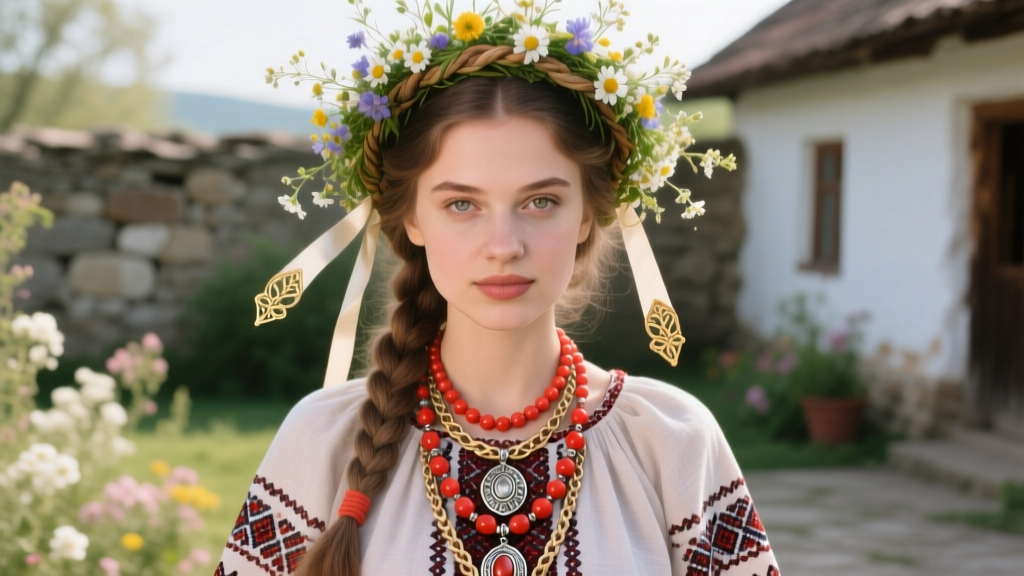
Taiwanese Traditional Dress: A Buying & Sizing Guide

The Global Collector's Guide to Taiwanese Traditional Dress
While the Garment Atlas primarily catalogs European folk dress, our global textile annex occasionally highlights Austronesian masterpieces to provide comparative weaving context for serious collectors. When discussing taiwanese traditional dress, we are navigating a profoundly diverse sartorial landscape. This encompasses the intricate, backstrap-loom textiles of the Formosan Indigenous peoples (Austronesian groups) and the distinct silk-cotton blends of the Han Taiwanese (Hoklo and Hakka) populations.
For collectors, anthropologists, and cultural enthusiasts, acquiring authentic Taiwanese garments requires a deep understanding of loom-width constraints, natural dye degradation, and cultural protocols. This comprehensive buying and sizing guide will help you navigate the market, distinguish artisan weaves from mass-produced tourist souvenirs, and properly integrate these historical garments into your collection.
Formosan Indigenous Textiles: Beyond the Tourist Markets
Taiwan is home to 16 officially recognized Indigenous tribes, each with distinct sartorial markers. Unlike European tailoring, which relies on complex pattern cutting, traditional Formosan clothing is predominantly constructed from rectangular, warp-faced woven panels. The beauty lies in the weave itself, rather than the cut.
Atayal and Seediq: The Masters of Ramie
The Atayal and Seediq peoples are renowned for their geometric weaving. The traditional luku (a sleeveless, long-line jacket) and tapis (wrap skirt) are woven using a backstrap loom. Authentic vintage pieces feature diamond and rhombus motifs representing the 'eyes of the ancestors' (rutux). When buying Atayal garments, look for the characteristic horizontal seam joining two 35cm wide loom panels.
Paiwan and Rukai: Aristocratic Motifs
Paiwan and Rukai traditional dress is heavily stratified by class. The most coveted collector items feature the qinaljan (hundred-pace viper) motif and sun motifs, historically restricted to nobility. These garments often incorporate intricate cross-stitch embroidery, glass trade beads, and cowrie shells. Authentic vintage Paiwan jackets command premium prices due to the spiritual weight of the viper motif.
Amis: Vibrant Embroidery and Appliqué
Amis clothing stands out for its vibrant color palette and intricate embroidery, heavily influenced by contact with Han Chinese and Japanese traders in the 19th and 20th centuries. The alis (embroidered apron/sash) and ceremonial headdresses are highly collectible. Buyers should examine the density of the satin stitch and the quality of the metallic thread used in early-to-mid 20th-century pieces.
Decoding the Sizing Matrix: How Traditional Garments Fit
One of the most common mistakes Western buyers make when acquiring taiwanese traditional dress is applying modern S/M/L sizing paradigms. Indigenous Formosan garments are largely un-tailored, relying on wrapping, tying, and draping. The primary constraint is the loom width, which historically maxed out between 30cm and 40cm due to the physical reach of the weaver on a backstrap loom.
| Garment Type | Loom Width Constraint | Western Size Equivalent | Fit & Sizing Notes |
|---|---|---|---|
| Atayal Luku (Jacket) | 2 x 35cm panels | XS - M (Poncho fit) | Open front, no sleeves. Fits over the shoulders; chest width is fixed at ~70cm. Not suitable for broad shoulders unless worn open. |
| Paiwan Long Sleeve | 30-35cm body panels | S - L (Tailored) | Later 20th-century pieces adopted Han-style tailoring. Measure pit-to-pit; authentic vintage runs remarkably small by modern standards. |
| Amis Tapis (Skirt) | Single 40cm width | One Size (Wrap) | Wrapped around the waist and tied. Length is typically 60-80cm, functioning as a midi or maxi skirt depending on the wearer's height. |
| Hakka Huabao (Scarf) | N/A (Cut fabric) | One Size | Floral headscarf used for sun protection. Tied at the back of the neck; fully adjustable. |
Pro-Tip for Collectors: When measuring a vintage luku, always measure the shoulder-to-hem drop and the total hem circumference. Because ramie fiber has zero elasticity, a garment that is too narrow in the shoulders will tear at the central seam if forced.
Material Composition: Ramie, Hemp, and Natural Dyes
Authenticity in taiwanese traditional dress is inextricably linked to material composition. Before the widespread introduction of cotton and synthetic yarns in the mid-20th century, Formosan weavers relied on locally harvested bast fibers.
The Supremacy of Ramie (Boehmeria nivea)
Ramie is the gold standard for Atayal and Seediq textiles. It is labor-intensive to process, requiring the scraping, boiling, and pounding of plant stalks. Ramie yields a fabric that is stiff, highly durable, and possesses a natural luster. When evaluating a piece, rub the fabric between your fingers; authentic hand-spun ramie will have slight irregularities in the yarn thickness, whereas machine-spun cotton or linen will feel uniformly smooth.
Natural Dyes vs. Aniline Imports
Pre-1920s garments often feature natural dyes derived from yam (brown/black), turmeric (yellow), and the musa basjoo plant. However, the introduction of imported aniline dyes via Japanese trade routes in the 1920s revolutionized Indigenous textiles, introducing vibrant reds and synthetic blues. According to the National Museum of Prehistory, the presence of early aniline reds is a key marker for dating 1920s-1940s Amis and Paiwan ceremonial wear.
Investment Guide: Pricing and Sourcing Authentic Pieces
The market for taiwanese traditional dress is bifurcated into mass-produced souvenir wear and museum-grade artisan textiles. Knowing the price ranges in both New Taiwan Dollars (TWD) and USD is critical to avoiding overpayment for machine-made replicas.
- Tourist-Grade Machine Embroidery (Amis/Paiwan motifs): 800 - 1,500 TWD ($25 - $50 USD). These are typically polyester blends with machine-embroidered motifs, sold in night markets. They hold no collector value.
- Contemporary Artisan Hand-Woven (Atayal Cooperatives): 8,000 - 25,000 TWD ($250 - $800 USD). Woven on traditional backstrap looms by certified cultural preservationists. Excellent for supporting living traditions.
- Vintage Mid-Century Ceremonial Jackets (1930s-1960s): 30,000 - 85,000 TWD ($950 - $2,700 USD). Sourced from antique dealers in Taipei or Tainan. Value depends heavily on the complexity of the geometric weave and the presence of trade beads.
- Museum-Grade Aristocratic Paiwan Robes (Pre-1920): 150,000+ TWD ($4,800+ USD). Extremely rare, usually featuring glass beads, boar tusks, and complex viper motifs. Typically sold through specialized Asian textile auction houses.
Where to Source Ethically
For contemporary pieces, seek out weaving cooperatives in Hualien and Miaoli counties. The Ministry of Culture, Taiwan maintains directories of certified traditional craft practitioners. For vintage pieces, reputable antique textile dealers in Taipei's Dihua Street district or verified auction houses specializing in Austronesian art are your safest avenues. Avoid unverified online marketplaces, where Han Chinese theatrical costumes are frequently mislabeled as Indigenous Formosan dress.
Han Taiwanese Dress: Hakka and Hoklo Traditions
While Indigenous textiles dominate the high-end collector market, Han Taiwanese traditional dress offers its own unique buying opportunities, particularly regarding the Hakka minority.
The Hakka Huabao (Floral Headscarf)
The Hakka huabao is a brightly colored, floral-printed cotton headscarf originally designed to protect women working in the tea fields from the sun. Today, it is a symbol of Hakka identity. When buying vintage huabao, look for the distinct indigo-dyed cotton with white or light blue floral resist-dye patterns. Authentic 1950s pieces are highly breathable and feature hand-rolled hems.
Hoklo Bridal Silks
Hoklo (Holo) traditional bridal wear is heavily influenced by Southern Chinese Ming and Qing dynasty fashions, featuring the kwa (a two-piece jacket and skirt set) heavily embroidered with gold and silver couched thread. Sizing for these garments is generally more accommodating, as they were designed to be worn in layers. Buyers should inspect the metallic thread for tarnishing and ensure the silk base has not suffered from 'shattering' (a common degradation issue in weighted silks from the early 20th century).
Cultural Protocol, Care, and Maintenance
Acquiring taiwanese traditional dress comes with a responsibility to preserve both the physical garment and its cultural dignity.
'Textiles are not merely clothing in Formosan cultures; they are the physical manifestation of ancestral contracts and spiritual protection. To wear or display them requires an understanding of their sacred geometry.' — Curatorial Notes, Shung Ye Museum of Formosan Aborigines
Washing and Storage
Never dry-clean vintage ramie or hemp textiles. The harsh chemicals will strip the natural oils and cause the brittle fibers to snap. Instead, spot clean with cold water and a pH-neutral textile soap. Store garments flat in acid-free archival boxes, interleaved with unbleached muslin. Never hang heavy, bead-laden Paiwan jackets on standard hangers, as the weight of the glass beads will warp the warp threads and tear the shoulder seams.
Wearing Etiquette
If you intend to wear contemporary pieces purchased from Indigenous cooperatives, do so with respect. Avoid mixing sacred ceremonial garments (such as Paiwan viper-motif shawls) with casual, modern streetwear in a way that trivializes the motif. When attending cultural festivals or exhibitions, defer to the guidelines provided by the specific tribal council or artisan who crafted the piece. By approaching taiwanese traditional dress with a rigorous eye for material authenticity and a deep respect for its cultural origins, collectors can help preserve these extraordinary Austronesian textile traditions for future generations.