Zen Meditation Garments: Mindful Kimono Dressing in 2026
The Intersection of Zen Spirituality and Traditional Garments
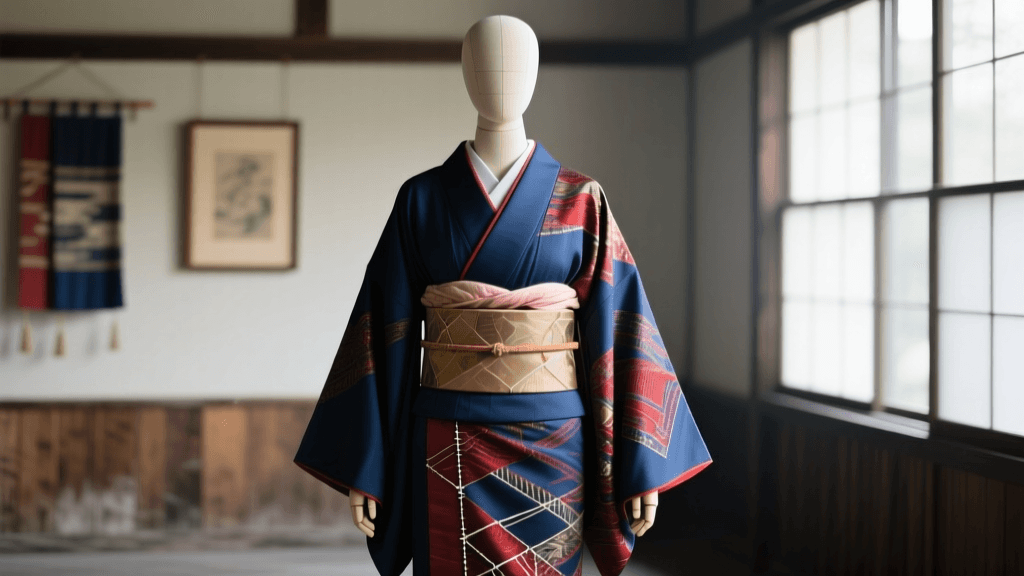
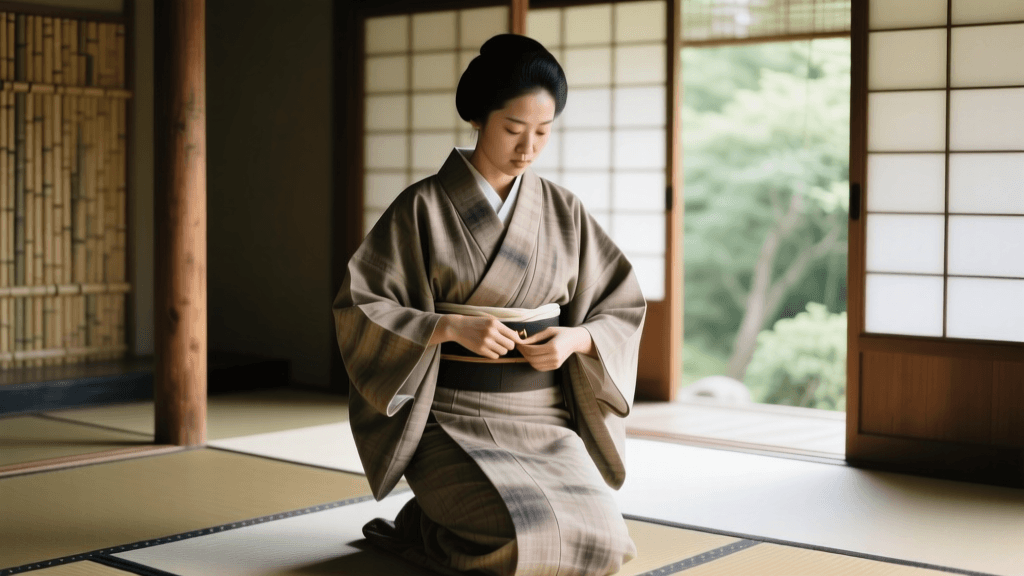
In the contemporary landscape of 2026, the global mindfulness movement has increasingly turned toward the tactile and historical roots of somatic practices. At the heart of this convergence is the intersection of Zen spirituality and traditional Japanese garments. For practitioners of zazen (seated meditation), the clothing worn is not merely a covering but an active participant in the meditative process. The concept of kitsuke (the art of dressing) transforms the daily act of putting on a kimono or samue into a profound exercise in presence, breath, and intentional movement.
Unlike modern Western activewear, which prioritizes compression and synthetic stretch, traditional Japanese garments rely on flat-pattern cutting, natural fibers, and the strategic use of layers. According to the Victoria and Albert Museum's extensive archives on Japanese dress, the kimono's structural geometry forces the wearer to move with deliberation and grace. When applied to Zen practice, this deliberate movement becomes the first step of meditation, bridging the gap between the chaotic outside world and the stillness of the zendo (meditation hall).
Mindful Kitsuke: Dressing as a Meditative Practice
Mindful kitsuke requires the practitioner to slow down and engage fully with the sensory experience of the textiles. In 2026, leading Zen retreats in Kyoto and international mindfulness centers emphasize a 15-to-20-minute dressing ritual before morning sitting. This ritual is designed to ground the nervous system through tactile feedback.
The Sensory Grounding Technique
- Tactile Awareness: Feeling the temperature and texture of the nagajuban (under-robe) against the skin, noting the natural cooling properties of ramie or the warmth of brushed cotton.
- Breath Synchronization: Tying the koshihimo (waist ties) is done strictly on the exhalation, ensuring the garment is secure but never restricts the diaphragm's expansion during deep abdominal breathing.
- Visual Alignment: Adjusting the eri (collar) to form a perfect V-shape at the nape of the neck, symbolizing the alignment of the spine and the opening of the body's central energy channels.
"The act of folding and tying your garments is the first bell of mindfulness. Before you sit on the cushion, you have already begun to meditate through the careful handling of your robes." — Teachings from the 2026 Global Zen Symposium
Zazen Posture and Garment Engineering
Proper zazen posture requires a stable, triangular base, typically achieved through the full lotus (kekkafuza) or half-lotus (hankafuza) positions. As detailed in foundational guides on Tricycle's comprehensive meditation instructions, the spine must remain naturally erect, and the hips must be slightly elevated to allow the knees to rest firmly on the mat. Traditional Japanese garments are uniquely engineered to support this specific biomechanical requirement.
The samue, originally designed as the work clothing for Zen monks, features a two-piece construction with loose, tapered trousers that do not bind at the knees or ankles. This is crucial in 2026, as modern practitioners often struggle with the restrictive nature of contemporary denim or synthetic athleisure wear during long 45-minute sitting periods. The jacket of the samue crosses over the chest and secures with simple ties, allowing for unrestricted diaphragmatic breathing while maintaining a dignified, structured silhouette that encourages mental alertness.
2026 Zen Wardrobe Comparison Chart
Selecting the appropriate garment depends on the formality of the meditation setting, the season, and the practitioner's budget. Below is a comparison of the most common traditional garments utilized in Zen practice today.
| Garment Type | Primary Fabric (2026 Standards) | Zazen Suitability | Avg. 2026 Cost (USD) |
|---|---|---|---|
| Samue | Kurume-gasuri Cotton / Organic Hemp | Excellent (Tailored for seated work and temple chores) | $140 - $260 |
| Yukata | Ojiya-chijimi Linen Crepe | Good (Requires careful obi tying; better for summer retreats) | $95 - $180 |
| Jinbei | Lightweight Waffle Cotton | Fair (Too casual for formal Zendo; suited for private home practice) | $45 - $85 |
| Koromo | Heavyweight Matte Silk / Rayon Blends | Exceptional (Formal ceremonial robes for ordained practitioners) | $350 - $600+ |
Sourcing Authentic Samue in 2026: Practical Guidelines
The market for authentic, artisan-crafted Japanese workwear has evolved significantly by 2026, with a heavy emphasis on sustainable agriculture and heritage weaving techniques. When building a dedicated meditation wardrobe, practitioners should prioritize natural fibers that regulate body temperature, as zazen often induces fluctuations in body heat.
Sizing and Measurements
Unlike Western sizing, Japanese garments are typically sized by height and build. For a standard Size L samue in 2026, expect the following measurements, which accommodate a practitioner between 170cm and 180cm (5'7" to 5'11"):
- Jacket Length: 74 cm (allows the hem to rest neatly over the crossed legs without bunching).
- Sleeve Drop: 32 cm (wide enough to allow air circulation but tapered at the wrist to prevent fabric from dragging on the meditation cushion).
- Trouser Inseam: 68 cm with an elasticized, drawstring waist that sits below the navel, avoiding pressure on the lower hara (energy center).
Investment in Heritage Textiles
In 2026, a genuine Kurume-gasuri (indigo-dyed cotton with intricate tie-dye patterns) samue produced in Fukuoka Prefecture represents a significant but worthwhile investment. Priced between $220 and $260 USD, these garments are woven on traditional shuttle looms, resulting in a fabric that softens exponentially with each wash while retaining its structural integrity. For beginners, high-quality cotton-polyester blends from reputable Kyoto-based retailers offer a durable entry point at approximately $110 USD.
A 5-Step Mindful Dressing Ritual for Morning Zazen
To integrate the philosophy of Zen into your daily routine, adopt this structured kitsuke ritual before your morning sit. This process is designed to transition the mind from the dreaming state to acute, grounded awareness.
- The Centering Breath (1 Minute): Stand facing your neatly folded garments. Take three deep, diaphragmatic breaths. Acknowledge the labor and natural resources required to create the textiles before you.
- The Foundation (3 Minutes): Put on the samue trousers. Tie the drawstring securely on an exhale, ensuring the knot rests slightly off-center to prevent pressure on the abdomen when seated in the lotus position.
- The Wrapping (4 Minutes): Slip on the jacket. Insert your arms slowly, feeling the weight of the cotton. Wrap the left side over the right side (the right-over-left configuration is strictly reserved for dressing the deceased in Japanese tradition).
- The Securing (2 Minutes): Tie the internal and external waist strings. The tension should be firm enough to keep the collar in place but loose enough to allow a full, unimpeded expansion of the lower ribs.
- The Final Alignment (2 Minutes): Smooth the fabric over your thighs. Sit on your zafu (cushion). Adjust the collar one last time, drop your shoulders, and transition seamlessly into your breath-counting meditation.
Conclusion: The Garment as a Spiritual Anchor
As we navigate the hyper-connected, fast-paced environment of 2026, the deliberate act of wearing traditional Japanese garments offers a radical counter-narrative. The samue and the kimono are not mere costumes; they are spiritual anchors. By engaging in mindful kitsuke, practitioners transform the simple act of getting dressed into a profound declaration of intent, ensuring that the stillness of the meditation cushion permeates every layer of daily life.