Authentic Zapotec Wool Rugs 2026: Teotitlán del Valle Buyer Guide
The Enduring Legacy of Teotitlán del Valle
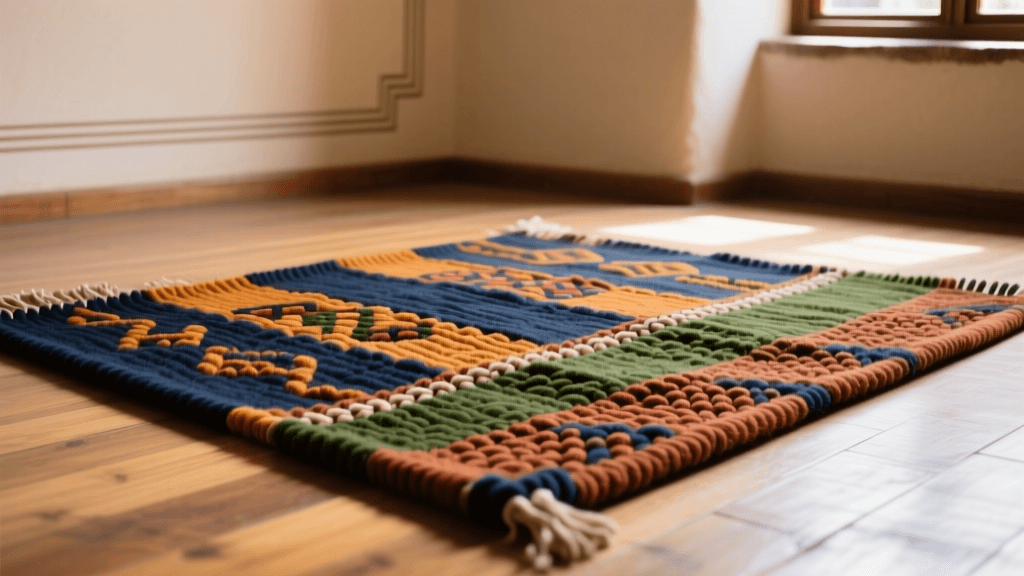
Nestled in the rugged foothills of the Sierra Norte in Oaxaca, Mexico, the village of Teotitlán del Valle has been the beating heart of Zapotec weaving for centuries. In 2026, as global interest in sustainable, ethically sourced home decor and traditional Indigenous textiles reaches an all-time high, the intricate wool tapestries and rugs crafted by Zapotec artisans are more sought after than ever. However, this surge in international popularity has also flooded the market with mass-produced imitations. For collectors, interior designers, and cultural enthusiasts, understanding the nuances of authentic Zapotec wool weaving is essential.
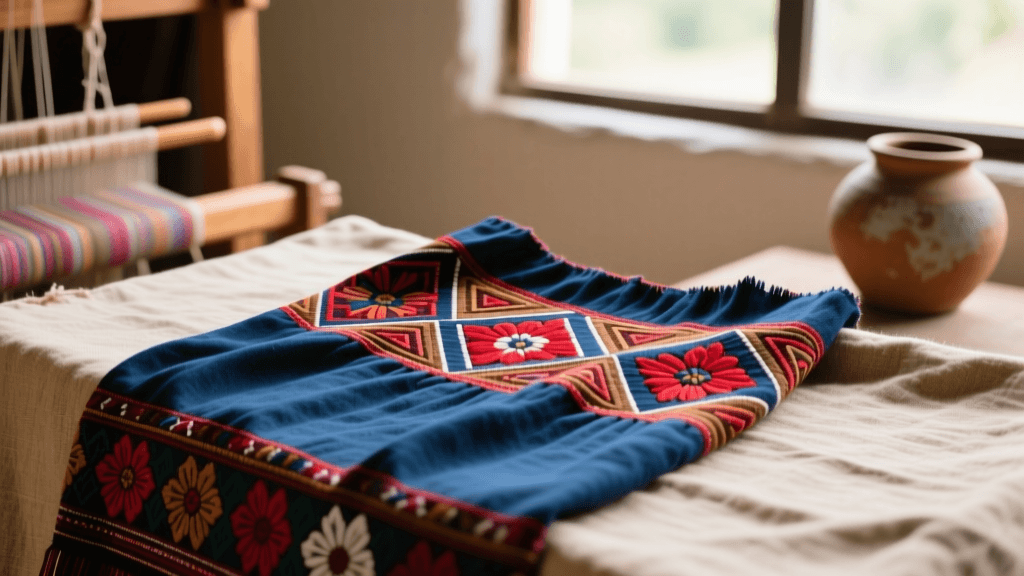
The history of weaving in this region predates the arrival of the Spanish. Pre-Columbian Zapotec weavers utilized backstrap looms to create intricate garments from native cotton and agave fibers. In the 16th century, the introduction of sheep and the European pedal loom revolutionized the craft. Rather than abandoning their traditions, Zapotec artisans masterfully adapted these new tools, infusing them with their own cosmological symbols, geometric patterns, and deep understanding of the natural world. Today, the motifs woven into these tapestries are not merely decorative; they represent the changing seasons, local flora, and Zapotec mythology. The classic diamond pattern, for instance, often represents the sun and the four cardinal directions, while the step-fret (greca) symbolizes the cycle of life and the feathered serpent.
In 2026, the weaving cooperatives in Teotitlán del Valle have become powerful engines for economic independence, particularly for women who have historically been marginalized in the commercial textile trade. Supporting these cooperatives is vital for the preservation of Indigenous knowledge. According to the Cultural Survival organization, empowering Indigenous artisans through fair trade and direct market access remains one of the most effective ways to protect endangered cultural heritage and promote community sovereignty in the modern era.
The Alchemy of Natural Dyes
The hallmark of a premium Zapotec rug in 2026 is the use of natural, organic dyes. While synthetic aniline dyes were heavily used in the late 20th century due to cost and convenience, a massive cultural renaissance over the last decade has brought traditional natural dyeing back to the forefront of the luxury textile market.
- Cochineal (Grana Cochinilla): This tiny insect, which lives on the pads of the nopal cactus, produces a brilliant spectrum of reds, pinks, and purples. By altering the pH level of the dye bath with lime juice or baking soda, artisans can coax out shades ranging from deep crimson to soft lavender.
- Indigo (Añil): Sourced from the leaves of the indigofera plant, this dye requires a complex, oxygen-deprived fermentation process to yield its iconic, colorfast blues. True Zapotec indigo is a deep, living blue that synthetic counterparts simply cannot replicate.
- Marigold (Cempasúchil) and Walnut: Used for vibrant yellows, rich golds, and deep, earthy browns. The marigold, deeply tied to Día de los Muertos traditions, provides a brilliant, warm yellow that anchors many traditional rug designs.
- Moss, Lichen, and Pecan Shells: Foraged from the surrounding Sierra Norte mountains, these provide subtle greens, ochres, and rich tans that give the rugs their earthy foundation.
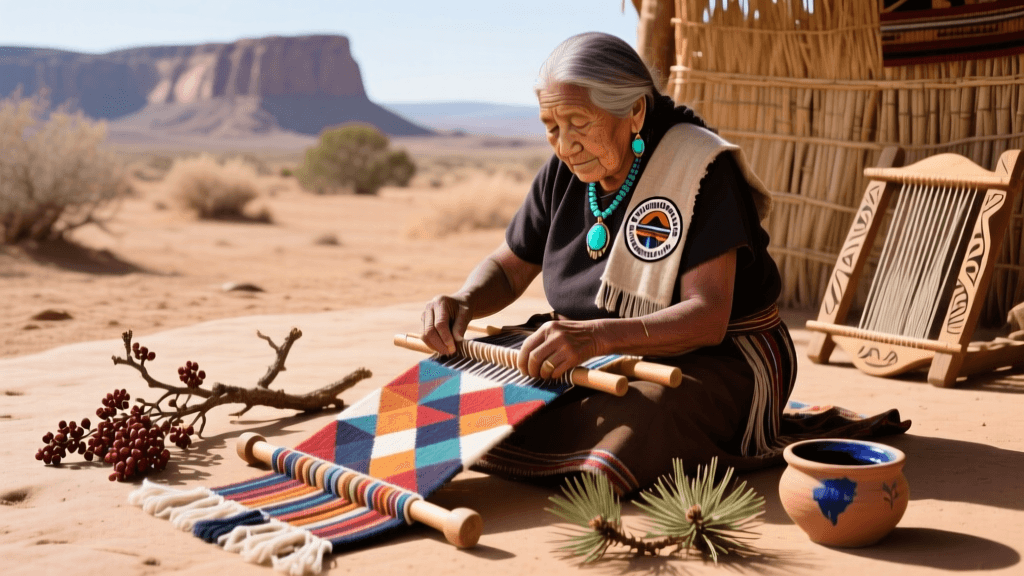
The process of dyeing wool by hand is intensely labor-intensive. The raw Churro sheep wool must be washed with natural amole root, carded by hand, and spun on a traditional wooden drop spindle before it is boiled in large vats with natural mordants (like alum) and dyestuffs. This entire preparation process can take weeks before the weaving even begins. The George Washington University Museum and The Textile Museum frequently highlights the immense technical skill and botanical knowledge required by Indigenous dyers, noting that these natural dyes age beautifully, developing a rich, complex patina over decades that synthetic dyes lack.
How to Spot an Authentic Zapotec Tapestry
When shopping in Oaxaca or ordering from international importers in 2026, it is crucial to distinguish between a handwoven masterpiece and a factory-made knockoff. Mass-produced rugs, often imported from overseas and falsely marketed as 'Oaxacan,' undermine the local economy and deceive buyers. Here is how to ensure you are purchasing an authentic piece.
| Feature | Authentic Zapotec Rug | Mass-Produced Imitation |
|---|---|---|
| Dyes | Natural (Cochineal, Indigo, Marigold). Slight color variations (abrash) are present. | Synthetic Aniline. Colors are perfectly uniform and overly bright or neon. |
| Scent | Earthy, smells of lanolin, dried herbs, and woodsmoke. | Chemical, petroleum-like, or heavily perfumed to mask factory odors. |
| Warp and Fringe | Continuous warp thread loops back or is hand-tied. Irregularities are visible. | Machine-stitched, glued, or uniformly cut fringe. Perfectly straight edges. |
| Reverse Side | Pattern is visible and nearly identical to the front, with slight textural bumps. | Often backed with canvas, rubber, or the pattern is blurry and flat. |
The Smell Test: Authentic, naturally dyed wool has a distinct, earthy scent. It should smell like lanolin, dried herbs, and perhaps a hint of woodsmoke from the village hearths. Synthetic rugs often carry a chemical or petroleum-like odor. Examine the Fringe and Warp: Look closely at the ends of the rug. A genuine handwoven piece on a pedal loom will have a continuous warp thread that loops back into the textile or is tied off in a handmade, slightly irregular fringe. Machine-made rugs will have a uniform, glued, or machine-stitched fringe. Look for Abrash: Natural dyes are rarely perfectly uniform. Look for 'abrash'—subtle, horizontal bands of color variation that occur when the weaver uses wool from different dye batches. This is a hallmark of handmade authenticity and organic materials, not a flaw.
2026 Pricing Guide and Fair Trade Economics
Pricing for Zapotec wool rugs in 2026 reflects the intense labor, the rising cost of organic wool, and a much-needed correction toward fair wages for Indigenous artisans. The days of haggling aggressively with village weavers are rightfully ending, replaced by a model of mutual respect and fair compensation for highly skilled artistic labor.
When purchasing directly from cooperatives or certified fair-trade galleries in 2026, you can expect the following price ranges for high-quality, naturally dyed textiles:
- Small Tapestry (2x3 ft / 60x90 cm): $180 - $300 USD. Ideal for wall hangings or accent pieces.
- Medium Rug (4x6 ft / 120x180 cm): $450 - $850 USD. The most popular size for living spaces and bedrooms.
- Large Room Rug (8x10 ft / 240x300 cm): $1,400 - $3,000+ USD. These require multiple weavers and months of continuous labor.
- Custom / Masterwork Pieces: $4,000+ USD. Rugs featuring ultra-fine weave counts, complex traditional codices patterns, and rare indigo fermentation.
The Mexican government continues to play a role in protecting these artisans. The Fondo Nacional para el Fomento de las Artesanías (FONART) works to certify authentic Mexican crafts and protect artisans from predatory pricing and design theft, ensuring that the economic benefits of the global textile market reach the weavers themselves. When buying, look for FONART certification tags or purchase directly from recognized village cooperatives like the Vida Nueva Women's Weaving Cooperative, which has been instrumental in empowering female artisans in the region.
Caring for Your Handwoven Masterpiece
A genuine Zapotec wool rug is an investment that, with proper care, will last for generations. Because these textiles are made from natural fibers and organic dyes, they require specific maintenance routines.
- Vacuuming: Use a vacuum without a beater bar or rotating brush, which can pull and fray the hand-spun wool. Use the suction-only setting or gently sweep the rug with a soft-bristled broom.
- Sunlight Management: While natural dyes like indigo and cochineal are remarkably lightfast, prolonged exposure to direct, harsh UV rays can cause gradual fading over the years. Rotate your rug every six months to ensure even wear and light exposure.
- Spill Protocol: If a spill occurs, blot immediately with a clean, dry, white cloth. Never rub, as this will push the liquid deeper into the wool fibers and cause the natural dyes to bleed. Use only cold water and a mild, pH-neutral wool soap if necessary.
- Moth Prevention: Wool is a natural protein fiber and can attract moths. Keep the rug in a well-ventilated area, and use natural deterrents like cedar blocks or dried lavender sachets nearby. Avoid chemical mothballs, which can strip the wool of its natural lanolin and leave a permanent, toxic odor.
By understanding the profound history, the meticulous natural dyeing processes, and the fair trade economics of Teotitlán del Valle, you can confidently navigate the 2026 textile market. Purchasing an authentic Zapotec rug is not merely an interior design choice; it is an act of cultural preservation, supporting the Indigenous artisans who continue to weave their history, one thread at a time.