Authentic Oaxacan Zapotec Huipil Buying Guide 2026
The Resurgence and Protection of the Oaxacan Huipil in 2026
The huipil is far more than a traditional garment; it is a wearable codex, a geographical marker, and a profound expression of Indigenous identity across Latin America. In the southern Mexican state of Oaxaca, the Zapotec and Mazatec huipiles represent some of the most complex and mathematically intricate textile arts in the Americas. As we navigate the 2026 global textile market, the appreciation for these handwoven masterpieces has reached an all-time high. However, this surge in demand has also attracted fast-fashion conglomerates and overseas manufacturers who produce machine-made, synthetic appropriations of sacred Indigenous patterns.
For collectors, cultural enthusiasts, and ethical fashion consumers, understanding how to identify, value, and purchase an authentic Oaxacan huipil in 2026 is essential. Thanks to the ongoing enforcement of Mexico's Federal Law for the Protection of the Cultural Heritage of Indigenous and Afro-Mexican Peoples, artisans now have stronger legal frameworks to combat cultural appropriation. Organizations like FONART (the National Fund for the Development of Arts and Crafts) continue to play a pivotal role in certifying authentic pieces and protecting the intellectual property of Indigenous weavers. This guide will walk you through the anatomy of the garment, regional variations, current fair-trade pricing, and actionable steps to ensure your purchase directly supports the artisan communities.
The Anatomy of the Backstrap Loom (Telar de Cintura)
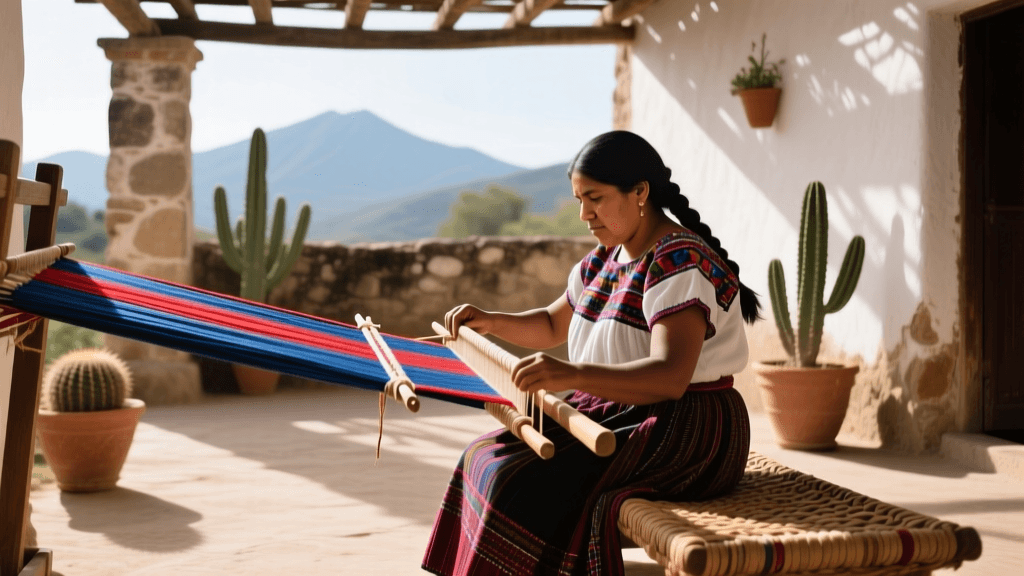
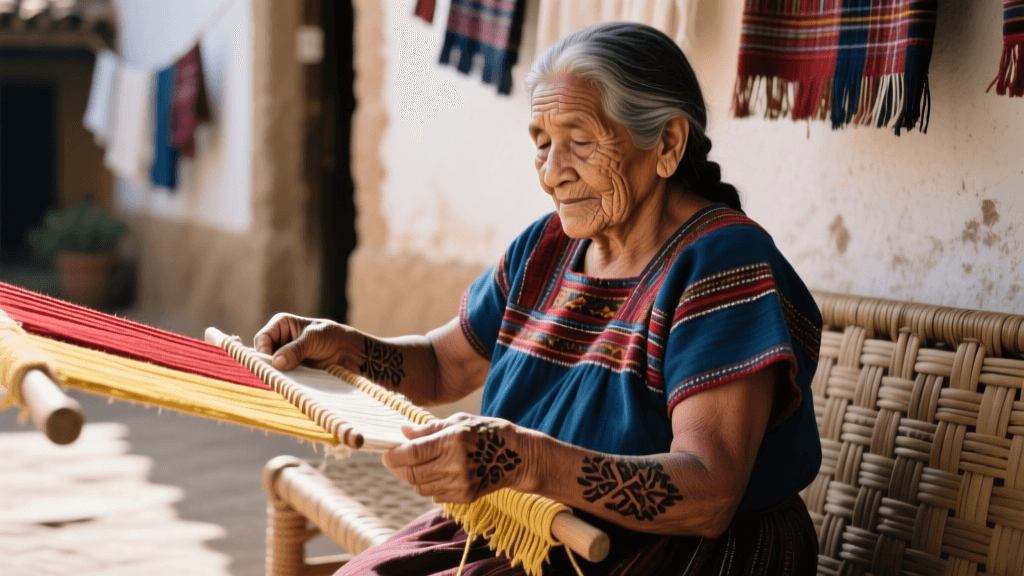
Authentic Zapotec and Mazatec huipiles are woven on a backstrap loom, an ancient pre-Columbian technology that relies on the weaver's own body weight to create warp tension. One end of the loom is tied to a sturdy post or tree, while the other is secured around the weaver's lower back via a leather or woven strap. Because the tension is controlled by the weaver's breathing and posture, handwoven textiles possess microscopic irregularities that are impossible to replicate on a mechanical pedal loom or a digital jacquard machine.
The foundation of a traditional huipil is typically hand-spun or locally sourced commercial cotton. In 2026, there has been a massive resurgence in the use of coyuche, a naturally occurring brown cotton native to the Oaxacan coast, prized for its drought resistance and rich, earthy tones. The weaver uses a brocade technique (often called trama suplementaria) to introduce colored threads into the weft, creating raised, embossed patterns that appear to be embroidered but are actually woven directly into the fabric's structure.
Symbolism and Natural Dyes
The motifs woven into a huipil are deeply tied to the local cosmology and environment. Common Zapotec symbols include the double-headed eagle (representing the duality of the universe), the diamond (symbolizing the four cardinal directions and the cycle of the sun), and stylized toads or frogs, which are invoked to bring rain to the agricultural terraces. According to anthropological research highlighted by institutions like the Textile Museum, these geometric patterns serve as a visual language that communicates the wearer's village, marital status, and spiritual beliefs.
The color palette is equally significant. While synthetic aniline dyes are common in cheaper market pieces, master weavers in 2026 are increasingly returning to natural dyes to meet the demands of ethical collectors. Cochineal (an insect that lives on nopal cacti) yields brilliant crimsons and deep purples when mixed with an acidic mordant like lime juice. Añil (indigo) provides rich blues, and cempasúchil (marigold) offers vibrant yellows. Due to shifting climate patterns in Oaxaca affecting marigold crop yields in recent years, naturally yellow-dyed cotton has become one of the most expensive and sought-after materials in the 2026 artisan market.
2026 Regional Variations and Fair-Trade Pricing
Pricing an authentic huipil requires an understanding of the time, materials, and regional techniques involved. A single, finely woven huipil can take anywhere from three to six months of continuous daily weaving to complete. When purchasing directly from cooperatives or certified ethical dealers in 2026, buyers should expect to pay fair-trade prices that reflect this immense labor. Below is a comparative guide to three prominent weaving regions and their current market valuations.
| Region / Village | Primary Technique & Materials | Weaving Time | 2026 Fair-Trade Price (USD) | Distinguishing Features |
|---|---|---|---|---|
| San Bartolo Yautepec | Ikat (Jaspe) / Cotton | 3 - 4 Months | $450 - $650 | Pre-dyed warp threads creating a blurred, feathered geometric pattern. Lightweight and breathable. |
| Santa María Alotepec | Heavy Brocade / Cotton & Silk | 4 - 6 Months | $600 - $950 | Mazatec influence; dense, raised floral and avian motifs. Often features a deep red or black base. |
| San Juan Colorado | Supplementary Weft / Coyuche Cotton | 2 - 3 Months | $350 - $550 | Coastal Mixtec/Zapotec blend; intricate diamond cosmos patterns using naturally brown and white cotton. |
5 Actionable Steps to Authenticate a Handwoven Huipil
With digital marketplaces flooded with machine-made replicas shipped from overseas, knowing how to physically inspect a huipil is a critical skill for buyers in 2026. Use this five-point checklist to verify authenticity:
- 1. The Reverse Side Test: Turn the garment inside out. In authentic supplementary weft brocade, the pattern should be nearly as vibrant and clean on the reverse side as it is on the front. Machine embroidery will show messy, tangled backing threads or a stark white underside.
- 2. Examine the Selvedge Edges: Handwoven panels are woven to exact widths. The side edges (selvedges) should be perfectly finished by the loom itself, often with a subtle, tight roll. If you see serged, overlocked, or machine-stitched hems on the side seams, the fabric was cut from a mass-produced bolt of cloth.
- 3. The Tension and Slub Check: Run your hands across the warp (the vertical threads). You should feel slight, organic variations in thickness and tension. Perfectly uniform threads with zero irregularities indicate machine-spun, factory-woven synthetic blends.
- 4. The Scent and Burn Test: Authentic cotton and silk have a distinct, organic smell, whereas synthetic poly-blends carry a faint chemical or plastic odor. If you are permitted to do a micro-burn test on a loose thread, natural cotton will smell like burning paper and turn to fine ash, while synthetics will melt into a hard plastic bead.
- 5. Panel Construction: Traditional huipiles are constructed from one, two, or three separate panels of fabric woven to the exact length required, then joined together with a decorative hand-stitched seam called a randa. A garment cut and sewn into a T-shirt shape with shoulder seams is not a traditional huipil.
Ethical Sourcing and Supporting Artisan Cooperatives
The most ethical way to purchase a huipil in 2026 is directly from women-led weaving cooperatives in Oaxaca or through verified fair-trade partnerships. Many cooperatives now utilize digital storefronts and social media to bypass middlemen, ensuring that 100% of the profits return to the weavers and their communities. When buying through third-party galleries or online cultural aggregators, always demand transparency regarding the artisan's name, village of origin, and the specific cooperative they belong to. Cultural heritage organizations, such as those documented by the Smithsonian Center for Folklife and Cultural Heritage, frequently highlight the importance of direct-trade relationships in preserving intangible cultural heritage and ensuring the economic sovereignty of Indigenous women.
Caring for Natural Dyes and Hand-Spun Cotton
An authentic, naturally dyed huipil is an investment piece that requires specialized care to maintain its structural integrity and color vibrancy. Never machine wash or dry clean a handwoven backstrap loom textile. The harsh chemicals in dry cleaning will strip natural cochineal and indigo dyes, while the agitation of a washing machine will warp the delicate tension of the cotton.
Instead, hand wash the garment in cool water using a pH-neutral, artisan-grade textile soap. Gently agitate the water with your hands, but never twist or wring the fabric, as this will break the hand-spun fibers. Roll the huipil in a clean, dry towel to press out excess moisture, and lay it flat to dry in a shaded, well-ventilated area. Direct sunlight is the enemy of natural dyes; prolonged UV exposure will rapidly fade marigold yellows and cochineal reds. When storing the garment for extended periods, wrap it in acid-free tissue paper and keep it in a breathable cotton bag to protect it from humidity and pests.
Conclusion
Purchasing an authentic Oaxacan Zapotec or Mazatec huipil in 2026 is an act of cultural preservation. By understanding the mechanics of the backstrap loom, recognizing the value of natural dyes, and knowing how to spot mass-produced counterfeits, collectors and enthusiasts can ensure their investments honor the deep ancestral knowledge of Indigenous weavers. When you wear or display a genuine huipil, you are not just showcasing a beautiful textile; you are supporting the living heritage and economic independence of the communities that have safeguarded these traditions for millennia.