Yukata vs Jinbei: 2026 Japanese Summer Wear Guide
The Great Summer Debate: Yukata vs. Jinbei
As the humid heat of the Japanese summer settles in, the streets of Tokyo, Kyoto, and Osaka transform into vibrant corridors of color and tradition. The 2026 summer festival season, known locally as matsuri, brings millions of locals and tourists together to celebrate with street food, traditional dances, and spectacular fireworks displays known as hanabi. Amidst this sensory explosion, traditional Japanese summer clothing takes center stage. However, as global temperatures rise and summer heatwaves become more intense, the conversation around what to wear has evolved. In 2026, the choice between the classic yukata and the ultra-casual jinbei is no longer just about aesthetics; it is a practical decision regarding comfort, breathability, and modern lifestyle adaptation.
According to the Japan National Tourism Organization (JNTO), summer festivals remain the peak season for cultural tourism, making it essential for visitors and residents alike to understand the nuances of seasonal attire. Whether you are planning to attend the Gion Matsuri in Kyoto or simply lounging at a neighborhood bon odori dance, choosing the right garment is crucial. This comprehensive guide breaks down the differences between yukata and jinbei, exploring their histories, 2026 fabric innovations, styling tips, and practical use cases.
Understanding the Yukata: Elegance Meets Tradition
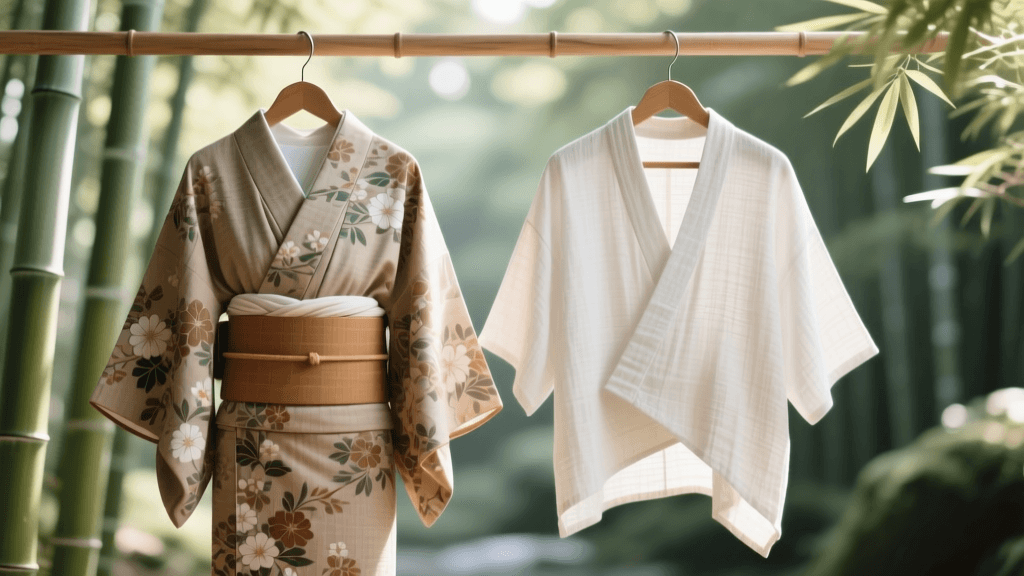
The yukata is arguably the most recognizable piece of Japanese summer clothing. Originating in the Heian period (794–1185) as a simple linen robe worn by nobility after bathing, the yukata eventually transitioned into everyday wear for the masses during the Edo period, thanks to the widespread cultivation of cotton. Today, it serves as the unofficial uniform for summer fireworks festivals, ryokan (traditional inn) loungewear, and tea ceremonies.
Structurally, the yukata is a one-piece, T-shaped robe that wraps left over right and is secured at the waist with an obi (sash). The silhouette is straight and column-like, designed to hide the body's natural curves and promote a graceful, gliding posture. In 2026, the yukata remains the go-to choice for those seeking a touch of elegance and photographic flair. The flowing hemline creates a beautiful visual effect when walking, and the wide obi provides a canvas for intricate knots and decorative accessories.
However, the traditional yukata does have its drawbacks in extreme heat. The multiple layers required for proper wearing—including the hadajuban (undergarment), the koshihimo (tying cords), and the obi itself—can trap body heat. To combat this, 2026 has seen a surge in 'cooling yukata' made from advanced moisture-wicking cotton blends and lightweight linen, offering the traditional aesthetic with significantly improved thermal regulation.
The Rise of the Jinbei: Ultimate Casual Comfort
If the yukata is the elegant evening gown of the summer festival, the jinbei is its relaxed, highly approachable counterpart. The jinbei traces its roots back to the jinbei-baori, a short, sleeveless jacket worn by samurai and their attendants during the Edo period. Over time, it evolved into a two-piece set consisting of a short-sleeved, wrap-style top and matching shorts or cropped trousers.
The construction of the jinbei is inherently designed for maximum airflow. The top is secured with simple tie-closures rather than a restrictive sash, and the shorts feature an elastic or drawstring waistband with wide, loose legs. This two-piece design allows for unparalleled freedom of movement and ventilation, making it the undisputed champion of comfort during Japan's sweltering August humidity.
In 2026, the jinbei has experienced a massive renaissance, particularly among younger demographics and international visitors who prioritize comfort and ease of wear. Fashion districts like Tokyo's Shimokitazawa and Osaka's America-mura have popularized the 'streetwear jinbei' look, where traditional indigo-dyed sets are paired with modern accessories. As noted by Japan Guide's comprehensive overview of traditional clothing, the democratization of summer wear means that strict rules are relaxing, allowing the jinbei to cross over from private loungewear to acceptable public festival attire.
Head-to-Head Comparison: Yukata vs. Jinbei
To help you decide which garment best suits your 2026 summer itinerary, we have compiled a detailed comparison chart highlighting the core differences between the yukata and the jinbei.
| Feature | Yukata | Jinbei |
|---|---|---|
| Silhouette | One-piece, T-shaped robe, ankle-length | Two-piece set: wrap top and shorts/cropped pants |
| Formality | Semi-casual to smart-casual | Strictly casual / Loungewear |
| Fastening | Obi sash (requires tying or pre-tied belt) | Simple string ties and drawstrings |
| 2026 Avg. Price | ¥3,500 - ¥15,000 ($25 - $105 USD) | ¥2,500 - ¥8,000 ($18 - $55 USD) |
| Heat Tolerance | Moderate (depends on fabric weight) | Excellent (superior airflow) |
| Footwear | Geta or Zori sandals with tabi socks | Geta, sandals, or even modern sneakers |
| Best Occasion | Fireworks festivals, dates, temple visits | Neighborhood bon odori, lounging, casual street food |
2026 Fabric Innovations and Sustainability
The textile industry in Japan has made remarkable strides in recent years, and the 2026 summer collections reflect a strong commitment to both sustainability and climate adaptation. Traditional cotton remains popular, but there is a distinct shift toward eco-conscious materials.
Sustainable Indigo and Natural Dyes
The revival of natural aizome (Japanese indigo dyeing) continues to dominate the premium market. Indigo is not only prized for its rich, living blue color that fades beautifully over time, but it also possesses natural antibacterial and insect-repellent properties—a massive bonus for humid summer evenings spent near wooded shrine grounds. Artisans in Tokushima and Okinawa are utilizing closed-loop water systems to produce indigo-dyed yukata and jinbei that appeal to eco-conscious consumers.
Tech-Infused Cooling Blends
For those who prioritize performance, major retailers like Uniqlo and specialized kimono shops have introduced yukata and jinbei crafted from recycled polyester and bamboo-viscose blends. These fabrics mimic the crisp texture of traditional ro (gauze) or sha (sheer) silk but offer machine-washability and rapid sweat evaporation. According to Japan Experience cultural guides, modern travelers highly recommend these blended fabrics for multi-day trips, as they can be easily washed in a hotel sink and will dry overnight without wrinkling.
Styling and Accessories for the Modern Era
How you accessorize can completely transform the vibe of your summer outfit. In 2026, the lines between traditional and contemporary styling are beautifully blurred.
- Footwear: While wooden geta sandals are the traditional choice for yukata, they can cause blisters during long festival walks. In 2026, cushioned 'sneaker-geta' hybrids and ergonomic rubber-soled zori are highly recommended. For jinbei, minimalist leather slides or clean, low-profile canvas sneakers have become a trendy, accepted street-style pairing.
- Bags: The traditional kinchaku (drawstring bag) is still popular, but modern festival-goers are opting for structured bamboo-handled rattan bags or minimalist crossbody pouches that keep hands free for holding yakitori and kakigori (shaved ice).
- Obi Innovations: Tying a traditional bunko or taiko musubi knot can be daunting for beginners. The 2026 market is flooded with 'tsukuri obi' (pre-tied sashes) that feature hidden clips and Velcro. These are now available in non-traditional materials like lace, sheer organza, and even upcycled denim, allowing for highly personalized yukata styling.
- Cooling Accessories: A rigid uchiwa (fan) is a must-have. In 2026, you will also see decorative cooling wipes (sweat sheets with menthol) tucked into the obi or jinbei waistband, providing instant relief when the humidity peaks.
Pricing and Where to Buy in 2026
Budgeting for traditional wear depends heavily on where and how you shop. Fast-fashion retailers and large department stores like Aeon and Ito-Yokado release their 2026 summer collections in late April, offering affordable, mass-produced jinbei sets starting around ¥2,500 and basic cotton yukata sets for ¥3,500. These are excellent for tourists who want a single-use or souvenir garment.
For higher quality, mid-range options (¥8,000 to ¥15,000), specialty chains like Kimono Yamato or online platforms dedicated to Japanese crafts offer beautifully patterned, durable cotton sets. If you are looking for authentic, artisan-crafted pieces featuring hand-painted yuzen dyeing or premium Kurume gasuri (ikat weaving), expect to invest anywhere from ¥30,000 to over ¥100,000 at boutique shops in Kyoto's Gion district or Tokyo's Nihonbashi.
Care and Maintenance
Proper care ensures your summer garments last for years. Always check the care label, as 2026 tech-fabrics have specific requirements. Generally, natural cotton yukata and jinbei should be hand-washed in cool water with a neutral pH detergent to prevent the indigo or vibrant festival dyes from bleeding. Never wring them out; instead, roll them in a dry towel to absorb excess moisture and hang them to dry in a shaded, well-ventilated area. Direct sunlight will quickly fade natural dyes. When storing them for the winter, fold them along their original seam lines and place them in a breathable cotton storage bag with a natural cedar block to deter moisture and insects.
How to Choose the Right Garment for Your Summer
Ultimately, the choice between yukata and jinbei comes down to your planned activities and personal comfort thresholds.
Choose the Yukata if: You are attending a major fireworks display, going on a summer date, visiting a historic temple where modest dressing is respected, or if you simply want to partake in the romantic, elegant aesthetic of traditional Japanese culture. The yukata is an experience in itself, from the ritual of putting it on to the graceful way it forces you to carry yourself.
Choose the Jinbei if: You are traveling with young children, attending a highly active neighborhood bon odori dance, dealing with extreme heat advisories, or just want a comfortable, stylish outfit for a casual evening of street food hopping. The jinbei offers the cultural flavor of Japan without the physical restrictions of wrapped garments and tight sashes.
Conclusion
The 2026 summer season in Japan offers a beautiful synthesis of deep-rooted tradition and modern practicality. Whether you choose the sweeping elegance of the yukata or the breezy, unrestrictive comfort of the jinbei, both garments provide a meaningful connection to Japanese culture. By understanding the distinct characteristics, fabric innovations, and styling options of each, you can confidently step into the vibrant energy of a Japanese summer festival, dressed appropriately, comfortably, and beautifully.