Yukata vs Jinbei: The 2026 Summer Casual Wear Guide
Introduction to Japanese Summer Casual Wear in 2026
As global temperatures continue to rise, the summer of 2026 has sparked a massive resurgence in breathable, traditional Asian garments. For both locals in Japan and international enthusiasts of Asian traditions, the debate between yukata and jinbei remains at the forefront of summer fashion. While both garments share roots in Japanese history and are designed to combat the sweltering heat and high humidity of the East Asian summer, they serve distinctly different purposes, aesthetics, and cultural functions. According to the Victoria and Albert Museum, the evolution of Japanese casual wear reflects a broader societal shift towards garments that prioritize both climate adaptation and cultural heritage. This comprehensive guide will break down the nuances of yukata and jinbei, helping you decide which garment is best for your 2026 summer itinerary, whether you are attending a vibrant matsuri (festival), lounging at a ryokan, or navigating the streets of Tokyo.
The Yukata: Elegance Meets Breathability
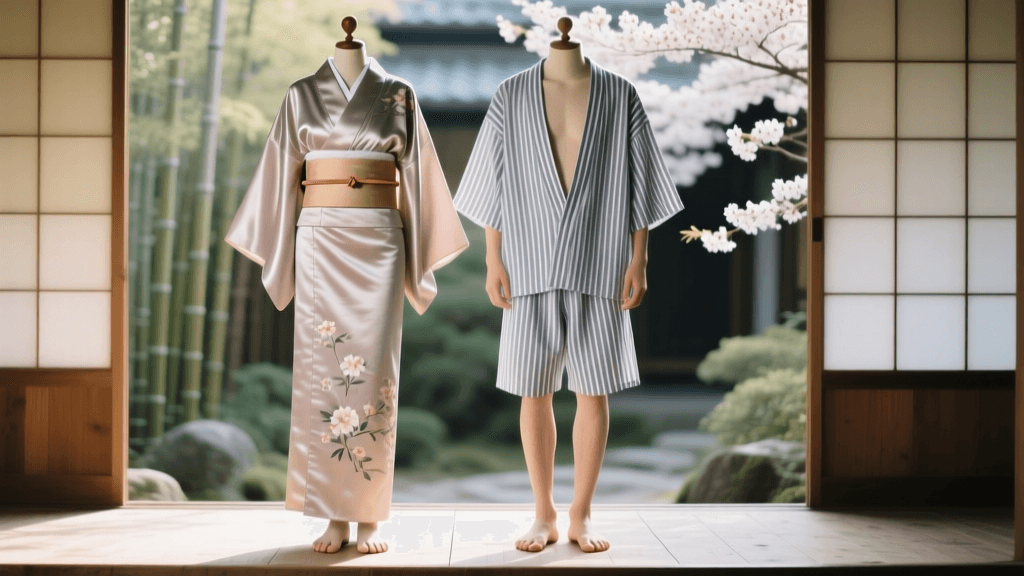
The yukata is fundamentally an unlined, lightweight cotton kimono. Originally worn as a bathing robe by the nobility during the Heian period, it evolved into the standard casual summer wear for all classes by the Edo period. Today, the yukata is synonymous with summer fireworks festivals (hanabi taikai), bon odori dances, and visits to hot spring resorts.
Construction and Silhouette
A traditional yukata features a T-shaped, straight-lined silhouette with wide sleeves and an overlapping front. It is secured with an obi (sash), which for yukata is typically a narrower, easier-to-tie hanhaba obi. In 2026, the silhouette remains largely traditional, but the styling has become more experimental. Younger generations are pairing yukata with modern accessories, corset-style obi belts, and even layered tulle skirts underneath for a volumetric, avant-garde look that dominates Harajuku street style.
2026 Fabric Trends: Shijira-ori and Sustainable Dyes
While standard printed cotton is still prevalent, 2026 has seen a massive surge in demand for shijira-ori, a traditional seersucker-like weaving technique from Tokushima. The puckered texture of shijira-ori prevents the fabric from clinging to the skin, allowing for superior air circulation. Furthermore, eco-conscious consumers are driving the market toward naturally dyed yukata. Indigo (aizome) and persimmon tannin (kakishibu) dyes are highly sought after not just for their rich, earthy palettes, but for their natural insect-repellent and antimicrobial properties, which are invaluable during humid summer months.
The Jinbei: The Ultimate Lounge-to-Street Staple
If the yukata is the elegant sibling, the jinbei is the relaxed, pragmatic counterpart. Historically worn by artisans, carpenters, and merchants as workwear, the jinbei consists of a short-sleeved, side-tying top and a pair of matching shorts. The Metropolitan Museum of Art notes in its Heilbrunn Timeline of Art History that the adaptation of working-class garments into everyday casual wear is a hallmark of Japanese textile history, and the jinbei is the perfect modern embodiment of this transition.
Construction and Comfort
The jinbei is incredibly easy to wear. The top wraps like a mini-kimono and is tied at the waist with a simple string, while the shorts feature an elastic or drawstring waistband. The sides of the top and the outer seams of the shorts are often left slightly open or feature loose stitching to promote maximum ventilation. This makes the jinbei the undisputed champion of comfort for lounging at home, eating at a casual izakaya, or participating in neighborhood shrine festivals where heavy lifting or active dancing is required.
The 2026 Jinbei Renaissance
In 2026, the jinbei has transcended its status as mere pajamas or children's festival wear. High-end Japanese brands and independent designers are releasing luxury jinbei sets crafted from premium Omi-jofu linen and washed silk blends. The gender-neutral appeal of the jinbei has also made it a massive hit globally, with oversized, relaxed-fit cuts becoming a staple in international resort wear and minimalist street fashion.
Head-to-Head Comparison: Yukata vs Jinbei
To help you make an informed purchasing decision for the 2026 season, we have compiled a detailed comparison of these two iconic garments.
| Feature | Yukata | Jinbei |
|---|---|---|
| Garment Type | One-piece robe (unlined kimono) | Two-piece set (top and shorts) |
| Primary Occasion | Festivals, fireworks, ryokan stays, dates | Lounging, casual neighborhood festivals, beachwear |
| Ease of Dressing | Moderate (requires obi tying skills) | Very Easy (drawstrings and simple ties) |
| Mobility | Restricted (narrow hemline limits stride) | High (shorts allow full range of motion) |
| 2026 Average Price | ¥4,000 - ¥15,000 ($25 - $100 USD) | ¥3,000 - ¥12,000 ($20 - $80 USD) |
| Footwear Pairing | Geta (wooden clogs) or Zori sandals | Barefoot, sandals, or modern sneakers |
Weather Adaptations and Cooling Technologies
The summer of 2026 has brought unprecedented heatwaves across the Northern Hemisphere. Traditional garment makers have responded by integrating subtle, modern cooling technologies into heritage designs. For yukata, we are seeing the introduction of contact-cooling yarns woven into the inner layers of the collar and the back panel, providing a physical cooling sensation upon contact with the skin. For jinbei, the integration of moisture-wicking hemp and bamboo charcoal fibers has become standard in mid-tier price brackets, ensuring that the garments dry rapidly even after heavy perspiration. These innovations ensure that traditional wear remains a viable, comfortable option despite shifting global climates.
Styling and Accessories for the Modern Era
How you accessorize your summer garment can completely change its vibe. In 2026, the strict rules of traditional styling have relaxed, allowing for highly personalized expressions.
Yukata Styling
- Footwear: Traditional lacquered geta remain popular, but cushioned, ergonomic geta with rubber soles are the top sellers in 2026, offering the aesthetic of wood with the comfort of a modern sneaker.
- Bags: The kinchaku (drawstring bag) is standard, but structured rattan handbags and upcycled denim clutches are currently trending among fashion-forward youth in Kyoto and Tokyo.
- Hair Accessories: Kanzashi (hair ornaments) made from sustainable cellulose acetate and 3D-printed resin are replacing fragile silk flowers, offering durable, water-resistant options for humid evenings.
Jinbei Styling
- Footwear: While traditional straw sandals work, the 2026 street-style trend heavily favors pairing jinbei with minimalist leather slides or even retro-running sneakers for a high-low fashion contrast.
- Layering: For cooler summer evenings or air-conditioned spaces, a lightweight, sheer haori (jacket) made from organic cotton voile is the preferred layering piece over a jinbei.
- Headwear: Tenugui (thin cotton towels) tied around the head or worn as bandanas are a practical and stylish way to manage sweat while adding a pop of pattern to a solid-colored jinbei.
Where to Buy and What to Expect in 2026
The global supply chain for traditional Japanese garments has matured significantly. In 2026, you no longer need to fly to Tokyo to acquire high-quality summer wear. Direct-to-consumer platforms based in Kyoto and Osaka now offer seamless international shipping, complete with virtual sizing assistants that use smartphone cameras to calculate your exact wingspan and shoulder-to-ankle measurements for a perfect yukata fit.
For those seeking authenticity and supporting local artisans, purchasing directly from regional cooperatives in Tokushima (for shijira-ori) or Kurume (for kasuri cotton) is highly recommended. Entry-level, mass-produced yukata and jinbei sets can be found at global fast-fashion retailers for around $25 to $40 USD, but these often utilize synthetic polyester blends that trap heat. For a genuine, breathable experience, expect to invest between $60 and $120 USD for a 100% natural fiber garment crafted by established Japanese brands. This investment guarantees not only superior comfort during the intense summer heat but also a durable garment that can be washed, worn, and cherished for decades.
Conclusion
Choosing between a yukata and a jinbei in 2026 ultimately comes down to your planned activities and personal style preferences. If your summer involves elegant evening strolls through lantern-lit festivals, photography sessions, or visits to historic onsens, the yukata provides an unmatched silhouette and cultural gravitas. However, if your itinerary is packed with active dancing, casual street food tours, or you simply prioritize maximum mobility and ease of wear, the jinbei is your ultimate summer companion. By understanding the rich history, modern fabric innovations, and styling potentials of both garments, you can fully embrace the beauty of Asian traditions while staying exceptionally cool in the modern era.