Yukata vs Jinbei: 2026 Japanese Summer Wear Guide
Introduction to Japanese Summer Garments
Summer in Japan is a vibrant, sensory explosion of fireworks (hanabi), neighborhood festivals (matsuri), and sweltering humidity. As temperatures routinely climb past 35°C (95°F) in urban centers like Tokyo and Kyoto during the 2026 summer season, choosing the right traditional attire is no longer just about aesthetics—it is a matter of comfort, cultural respect, and practicality. For travelers and locals alike, the debate often narrows down to two iconic garments: the elegant yukata and the ultra-casual jinbei. While both are deeply rooted in Japanese sartorial history, their modern applications, styling requirements, and comfort levels differ vastly. According to Japan Guide's comprehensive clothing overview, understanding the nuance between these two garments is essential for anyone looking to participate in summer traditions authentically. This guide breaks down everything you need to know about navigating the yukata vs. jinbei decision in 2026.
Understanding the Yukata: Elegance Meets Breathability
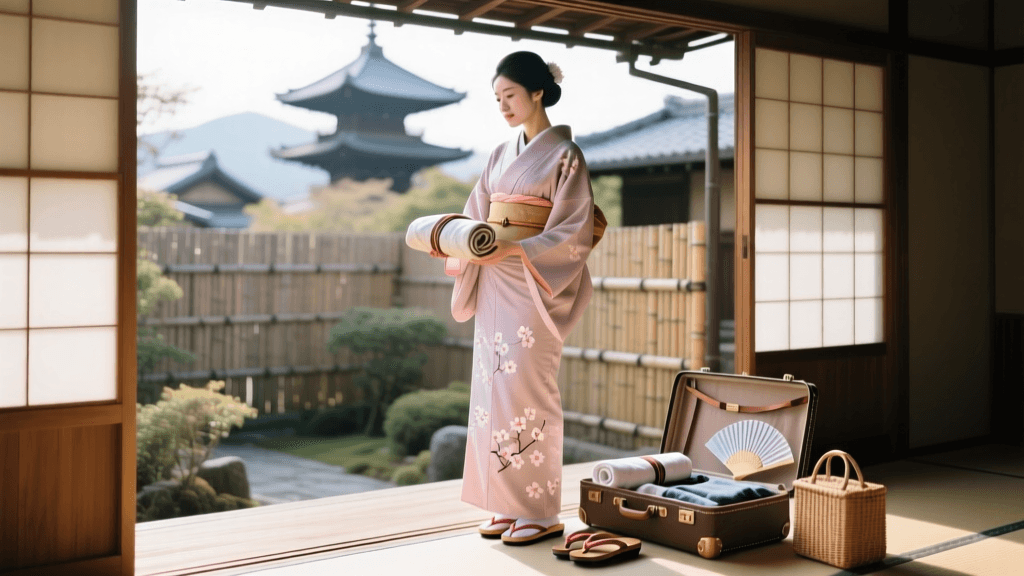
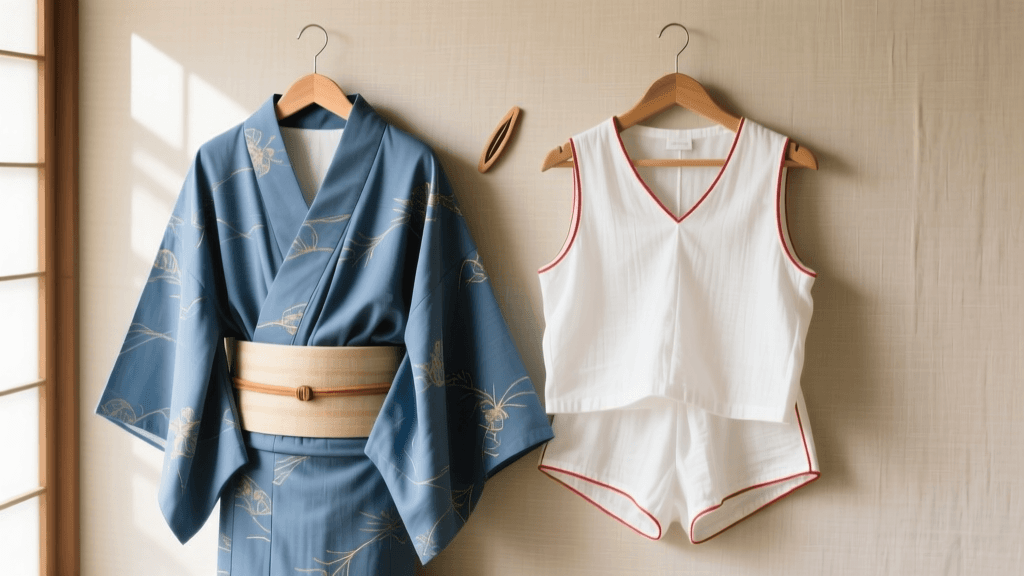
The yukata is a lightweight, unlined cotton or hemp kimono that originated in the Heian period (794–1185) as a bathrobe for nobility. Today, it has evolved into the standard summer festival wear for both men and women. Unlike the formal silk kimono, the yukata is designed for breathability and direct skin contact, making it ideal for humid evenings.
2026 Fabric and Design Trends
In 2026, the Japanese textile market has seen a massive shift toward sustainable and high-performance summer fabrics. While traditional chijimi (crepe) cotton remains popular for its textured feel and excellent airflow, modern weavers are incorporating eco-friendly dyes and UV-resistant hemp blends. The Victoria and Albert Museum notes in their historical analysis of Japanese garments that the yukata has always been a canvas for expressing seasonal motifs. This year, expect to see digital-printing techniques allowing for hyper-detailed, pop-culture-inspired patterns alongside classic indigo shibori tie-dyes.
The Dressing Process
Wearing a yukata requires a bit of practice and a few essential accessories. You will need the robe itself, a lightweight undergarment (hadajuban), a thin cotton sash (koshihimo) to secure the fit, and the visible outer sash known as the obi. For women, the obi is often tied in decorative bows at the back, while men typically wear a simple, narrow obi tied at the hips. The entire process takes about 10 to 15 minutes for a beginner.
The Rise of the Jinbei: Ultimate Casual Comfort
If the yukata is the elegant evening gown of Japanese summer, the jinbei is the ultimate weekend loungewear. Originally developed during the Edo period as workwear for lower-class laborers and later adopted as indoor pajamas, the jinbei is a two-piece set consisting of a short-sleeved, side-tied top and matching shorts or cropped pants.
Modern Evolution and Gender-Neutral Appeal
Historically associated with men and young children, the jinbei has undergone a massive rebranding over the last decade. By 2026, women's and gender-neutral jinbei sets dominate summer retail spaces. Modern designs feature lace trims, ruffled hems, and sophisticated floral prints that rival yukata patterns. The defining feature of the jinbei is its side-string ties (himo), which allow the garment to be easily adjusted for airflow and comfort without the need for a restrictive obi.
Unmatched Heat Tolerance
Because the jinbei exposes the legs and arms and lacks the overlapping layers of a T-shaped robe, it is unequivocally the coolest traditional option available. Many 2026 jinbei sets are crafted from seersucker-style cotton or blended bamboo-rayon fabrics that wick moisture away from the skin. It is the preferred choice for eating street food, navigating crowded festival alleys, or simply relaxing on a tatami mat with a cold beverage.
Yukata vs Jinbei: 2026 Comparison Matrix
To help you decide which garment suits your summer itinerary, we have compiled a direct comparison based on current 2026 market standards and cultural norms.
| Feature | Yukata | Jinbei |
|---|---|---|
| Formality Level | Semi-casual to Smart-casual | Strictly Casual / Loungewear |
| Dressing Time | 10–15 minutes (requires obi tying) | 1–2 minutes (simple string ties) |
| Heat Tolerance | Moderate (covers legs, overlaps at chest) | Excellent (exposes limbs, highly breathable) |
| 2026 Avg. Price (Retail) | ¥4,000 – ¥15,000 ($26 – $100 USD) | ¥2,500 – ¥8,000 ($16 – $53 USD) |
| Footwear Pairing | Geta or Zori with tabi/socks | Bare feet, sandals, or casual sneakers |
| Best Occasions | Fireworks, dates, shrine visits, ryokan stays | Beach trips, casual lounging, neighborhood errands |
Scenario Guide: What to Wear Where in 2026
Choosing between a yukata and a jinbei largely depends on your daily activities. As highlighted in Japan Guide's festival etiquette guidelines, wearing the wrong garment to a specific event can sometimes feel out of place, though modern Japanese society is increasingly forgiving of tourists.
1. The Hanabi Taikai (Fireworks Festival)
Winner: Yukata. Fireworks festivals are major social events, often involving romantic dates and professional photography. The sweeping silhouette of a yukata, complete with a decorative obi and floral hair accessories, captures the romantic essence of the Japanese summer night. The long hemline also protects your legs from mosquitoes near riverbanks.
2. The Onsen (Hot Spring) Ryokan Stay
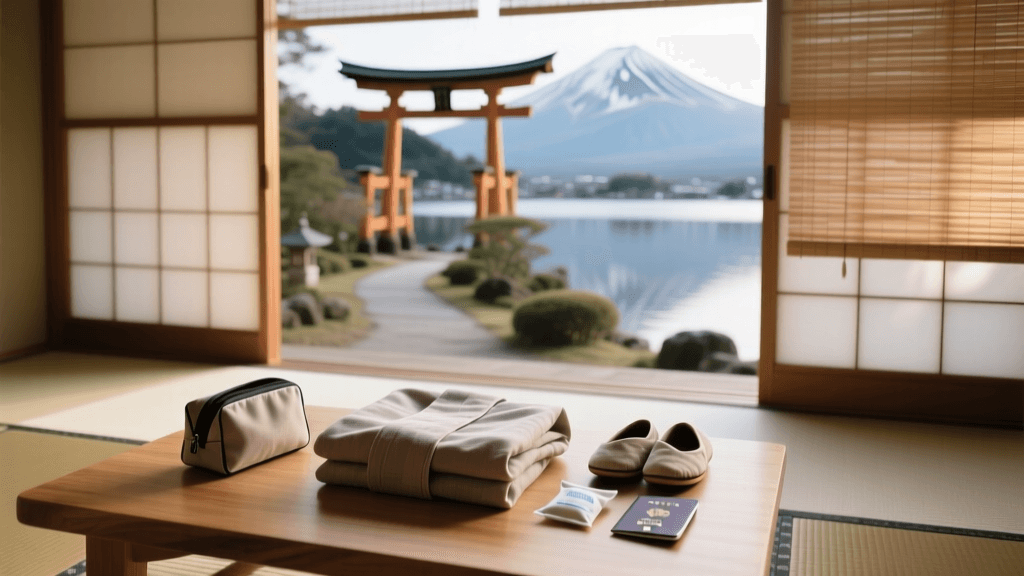
Winner: Jinbei (or Ryokan-provided Yukata). When staying at a traditional inn, you will typically be provided with a basic, unpatterned yukata to wear to dinner. However, for lounging in your private room, reading on the veranda, or walking to the communal baths, a personal jinbei is far more comfortable and practical.
3. Daytime Matsuri (Street Festivals and Games)
Winner: Jinbei. Daytime festivals involve a lot of walking, bending over game stalls (like goldfish scooping), and eating messy street foods like yakisoba and takoyaki. The freedom of movement provided by a jinbei, combined with its easy washability and lack of trailing fabric, makes it the superior choice for high-energy daytime activities.
Accessories and Footwear Pairings
No traditional outfit is complete without the right accessories. In 2026, the accessory market has blended heritage craftsmanship with modern utility.
- Footwear: Yukata must be paired with geta (wooden clogs) or zori (flat sandals). While traditionalists insist on bare feet or specialized tabi socks, modern street style in Harajuku and Kyoto now embraces pairing geta with colorful ankle socks. Jinbei, however, can be worn with casual leather sandals, espadrilles, or even minimalist sneakers.
- Carrying Essentials: Neither garment features pockets. For yukata, a kago (woven basket bag) or a fabric kinchaku (drawstring pouch) is essential for holding your smartphone and wallet. Jinbei wearers often opt for modern cross-body bags or minimalist waist pouches to maintain a relaxed, utilitarian vibe.
- Cooling Tools: A folding fan (sensu) or a rigid round fan (uchiwa) is mandatory for both garments. In 2026, many brands offer fans crafted from recycled washi paper and sustainably harvested bamboo, serving as both a cooling tool and a striking photographic prop.
Conclusion
The choice between yukata and jinbei ultimately boils down to the balance between aesthetic tradition and physical comfort. If your 2026 summer itinerary is filled with evening fireworks, romantic dinners, and cultural immersion, invest the time in learning to tie a yukata obi. If your goals lean toward relaxed beach towns, casual street food tours, and beating the intense urban heatwave, pack a stylish, breathable jinbei. By understanding the distinct roles these garments play in Japanese culture, you can dress appropriately, stay cool, and fully embrace the magic of the Asian summer.