Yukata vs Jinbei: The 2026 Summer Casual Style Guide
Introduction to Japanese Summer Casual Wear in 2026
As the summer of 2026 brings vibrant energy and soaring temperatures across the globe, the appeal of traditional Japanese summer garments has never been stronger. From the bustling fireworks festivals in Tokyo to the serene temple grounds of Kyoto, summer in Japan is defined by its unique sartorial choices. For both locals and international travelers, navigating the heat while maintaining cultural elegance requires an understanding of Japan's premier casual summer wear: the yukata and the jinbei.
While both garments share roots in Japanese history and are designed to combat high humidity, they serve distinctly different purposes, aesthetics, and social functions. According to cultural overviews provided by Japan Guide on traditional dress, understanding the nuance between these two garments is essential for anyone looking to participate respectfully and comfortably in summer events. This comprehensive guide will break down the structural, cultural, and stylistic differences between the yukata and the jinbei, helping you choose the perfect outfit for your 2026 summer adventures.
The Yukata: Elegance Meets Breathability
Historical Roots and Modern Evolution
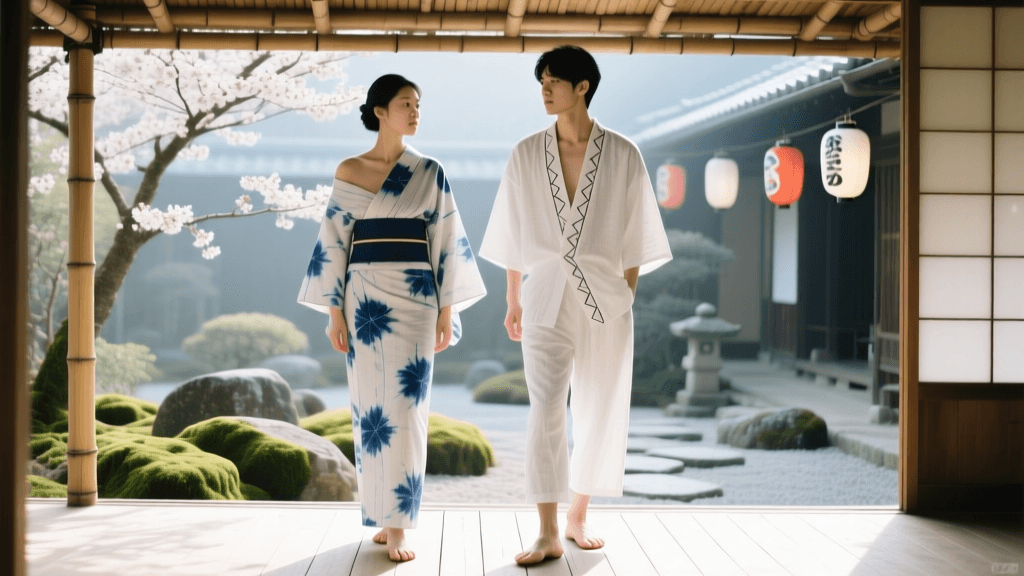
The yukata is a single-piece, T-shaped robe that wraps around the body and is secured with an obi belt. Originally developed during the Heian period as a linen bathing robe for the aristocracy, it eventually transitioned into a cotton everyday garment for the masses during the Edo period. Today, the yukata is the undisputed king of summer festival wear. In 2026, we are seeing a massive resurgence in vintage and upcycled yukata styling, with younger generations mixing antique silk obi belts with modern, sustainably dyed cotton robes.
Unlike the highly formal silk kimono, the yukata is unlined and made from breathable, moisture-wicking fabrics. It is the standard attire for hanabi (fireworks) displays, bon odori (traditional dances), and ryokan (traditional inn) lounging. The left side is always wrapped over the right, a crucial cultural rule that must be strictly followed, as the reverse is reserved exclusively for dressing the deceased.
How to Wear and Style a Yukata
Dressing in a yukata requires a bit of practice. The process involves wrapping the garment, securing it with a koshihimo (thin tie belt), and then tying the decorative obi. For men, the obi is tied low on the hips in a simple, understated knot. For women, the obi is tied higher at the waist or under the bust, often featuring elaborate bows or utilizing modern pre-tied obi accessories for convenience. In 2026, magnetic obi clips and adjustable slip-on obi belts have become incredibly popular, allowing wearers to achieve a flawless silhouette in under five minutes.
The Jinbei: Ultimate Comfort and Unisex Appeal
From Workwear to Festival Staple
In stark contrast to the flowing, single-piece yukata, the jinbei is a two-piece ensemble consisting of a short-sleeved, wrap-style top and matching shorts or cropped pants. Historically, the jinbei was worn by men and children as casual indoor loungewear or light workwear during the sweltering summer months. The top wraps left over right and is secured by tying two sets of strings—one on the inside and one on the outside—at the right hip.
The beauty of the jinbei lies in its unparalleled ease of wear and freedom of movement. There are no complex belts to tie, no hems to trip over, and no strict rules regarding posture. It is the ultimate expression of Japanese casual comfort, perfect for relaxing at home, attending local neighborhood shrine festivals, or running errands in the heat.
The 2026 Jinbei Renaissance
While traditionally male-dominated, the jinbei has undergone a massive stylistic renaissance over the last decade, culminating in a booming market for women's and unisex jinbei in 2026. Modern women's jinbei often feature ruffled hems, lace trims, and vibrant botanical prints. They are frequently paired with modern accessories like canvas tote bags and sporty sandals, bridging the gap between traditional craftsmanship and contemporary streetwear. The METI Traditional Craft Products initiative has also highlighted how regional textile hubs are adapting classic weaving techniques specifically for modern jinbei production, boosting local economies.
Head-to-Head Comparison: Yukata vs. Jinbei
To help you decide which garment suits your summer itinerary, here is a detailed comparison chart outlining the core differences between the yukata and the jinbei.
| Feature | Yukata | Jinbei |
|---|---|---|
| Structure | Single-piece wrap robe | Two-piece top and shorts/pants |
| Formality | Semi-casual to smart-casual | Strictly casual / Loungewear |
| Best Occasions | Fireworks festivals, temple visits, dates | Local shrine matsuri, lounging, errands |
| Ease of Dressing | Moderate (requires obi tying skills) | Very Easy (simple string ties) |
| 2026 Avg. Price | $40 - $150 (plus accessories) | $25 - $80 (complete set) |
| Footwear Pairing | Geta or Zori with tabi socks | Setta, sandals, or modern sneakers |
Fabric Technologies and Weather Adaptations
Traditional Weaves: Shijira-ori and Ro
When selecting summer wear, textile choice is paramount. The most prized fabric for high-end yukata and jinbei is shijira-ori, a traditional seersucker-like cotton weave from Tokushima. The fabric is woven with varying tensions, creating a bumpy, textured surface that prevents the cloth from clinging to sweaty skin. This natural air-conditioning effect is highly sought after during the peak humidity of August.
Another premium option is ro weaving, a technique that creates sheer, breathable silk or cotton fabrics with subtle horizontal lines. While historically reserved for formal summer kimono, 2026 has seen a rise in accessible, machine-washable synthetic blends that mimic the cooling properties of ro weaves, making them ideal for international travelers who need low-maintenance garments.
2026 Sustainable and Cooling Innovations
Sustainability is a major driver in the 2026 Asian fashion market. Many contemporary brands are now producing yukata and jinbei using organic cotton, hemp blends, and recycled polyester derived from ocean plastics. Furthermore, textile manufacturers are integrating phase-change cooling yarns into the inner linings of festival wear, providing a literal chill against the skin when exposed to direct sunlight.
Essential Accessories for the Complete Look
No traditional outfit is complete without the right accessories. The items you choose can elevate your look from basic tourist to culturally immersed fashionista.
- Footwear: For yukata, wooden geta clogs are the traditional choice, producing a satisfying clacking sound that is synonymous with Japanese summer evenings. For jinbei, flat woven setta sandals or even minimalist leather sneakers offer a modern, comfortable twist.
- Uchiwa and Sensu: The rigid, round uchiwa fan is an iconic festival accessory, often tucked into the back of the yukata obi. The folding sensu is more portable and can be slipped into a sleeve or pocket.
- Bags: Since neither garment has functional pockets, a bag is mandatory. Woven rattan baskets, bamboo kago bags, and indigo-dyed cloth pouches are the preferred choices for maintaining a traditional aesthetic.
- Hair Accessories: Women often incorporate kanzashi (ornamental hairpins) or tie their hair up with chigusa scarves to keep the neck cool and exposed, which is considered a point of elegance in Japanese culture.
Where to Buy Authentic Garments in 2026
Sourcing authentic garments is easier than ever, but knowing where to look ensures you get quality craftsmanship rather than cheap, mass-produced polyester costumes. For those visiting Japan, the Asakusa district in Tokyo and the Higashiyama ward in Kyoto remain the premier destinations for specialized kimono shops that offer bespoke fitting and vast selections of summer wear.
For international buyers, online marketplaces specializing in Japanese textiles have expanded their global shipping networks. When shopping online, always check the material composition. Genuine summer wear should be 100% cotton, hemp, or a high-quality breathable blend. Avoid shiny polyester satin, which traps heat and is generally frowned upon at traditional summer festivals and matsuri. Major lifestyle brands like MUJI and Uniqlo also release highly affordable, modern linen-blend jinbei sets every June, which are excellent entry points for casual lounging.
Conclusion
Whether you opt for the sweeping elegance of a yukata or the relaxed, utilitarian charm of a jinbei, embracing Japanese summer casual wear is a beautiful way to connect with Asian traditions. The yukata remains the ultimate choice for making a statement at grand fireworks festivals and cultural ceremonies, offering a canvas for personal expression through obi styling and fabric patterns. Conversely, the jinbei provides an unbeatable combination of comfort, ease, and modern versatility, perfect for low-key neighborhood events and beating the heat in style. By understanding the distinct roles, fabrics, and styling rules of both garments, you can confidently navigate the vibrant summer of 2026 while honoring the rich textile heritage of Japan.