Best Hanfu Styles for Tai Chi and Qigong Practice in 2026
The Intersection of Hanfu and Holistic Wellness in 2026
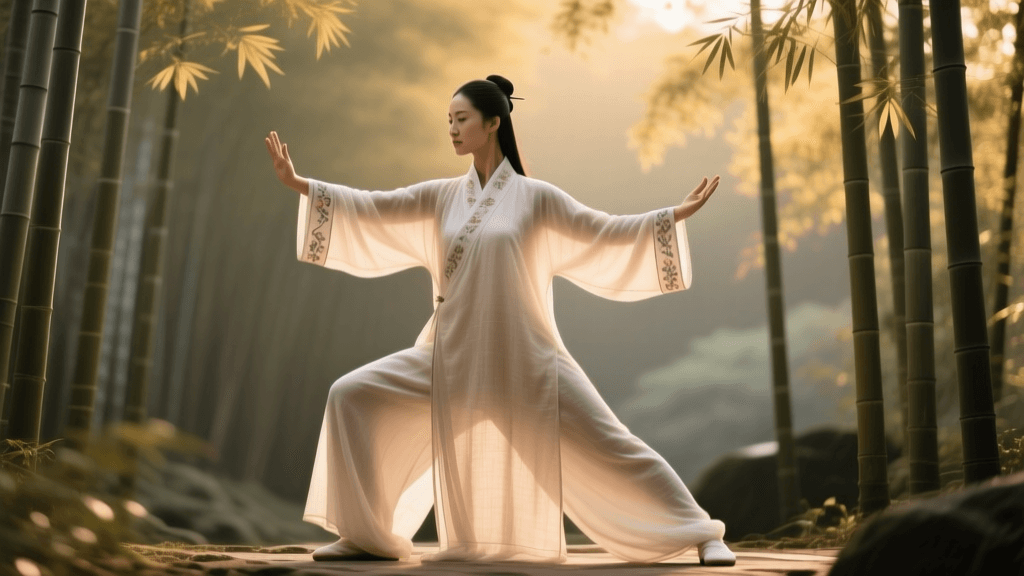
As we navigate through 2026, the global wellness movement has increasingly turned toward ancient Eastern practices, with Tai Chi and Qigong leading the charge in preventative health and mindfulness. However, a profound shift is occurring not just in how people move, but in what they wear while moving. The integration of traditional Chinese garments into daily wellness routines has birthed a specialized niche: wellness-focused Hanfu. According to Harvard Health Publishing, Tai Chi is often described as 'meditation in motion,' offering immense benefits for balance, flexibility, and cardiovascular health. To fully immerse oneself in this moving meditation, practitioners are finding that the physical constraints of modern synthetic activewear can disrupt the flow of Qi (vital energy). Traditional Hanfu, with its emphasis on natural fibers, relaxed silhouettes, and unrestrictive tailoring, provides an unparalleled sartorial foundation for these ancient arts.
This comprehensive guide explores the biomechanics of traditional Chinese clothing, the best natural textiles for dynamic movement, and how the 2026 Xin Zhongshi (New Chinese Style) movement is revolutionizing the wellness wardrobe for modern Tai Chi and Qigong enthusiasts.
Biomechanics and Silhouettes: How Hanfu Cuts Support Qi Flow
Unlike Western activewear, which relies on elastane and compression to support muscles, traditional Hanfu is constructed using Pingmian Caizhi (flat cutting). This ancient tailoring method utilizes whole, unbroken pieces of fabric that drape naturally over the body's meridian lines without constricting blood flow or lymphatic drainage. For practitioners of the Yang-style 24-form Tai Chi or the Ba Duan Jin (Eight Brocades) Qigong, this lack of compression is vital.
The Role of the Collar and Waist
The iconic Jiaoling Youren (crossed collar, right lapel over left) creates a V-neckline that prevents fabric from choking the neck during deep, diaphragmatic breathing exercises. Furthermore, traditional Hanfu relies on sashes and fabric ties rather than tight elastic waistbands. In Qigong, the Dantian (the body's energetic center located just below the navel) must remain relaxed and unobstructed to facilitate deep abdominal breathing. A tightly bound elastic waistband can inhibit the expansion of the lower abdomen, whereas a silk or linen Hanfu sash gently secures the garment while allowing the Dantian to expand fully during inhalation.
Sleeve Dynamics: Guangxiu vs. Shoukuan
When selecting a Hanfu top or Shenyi (deep robe) for wellness practices, sleeve construction dictates the type of practice it best supports:
- Guangxiu (Wide Sleeves): Ideal for meditative, slow-paced Qigong and standing meditation (Zhan Zhuang). The generous drape allows for unrestricted shoulder rotation and creates a beautiful, flowing visual that enhances the psychological feeling of expansiveness and grounding.
- Shoukuan (Bound or Tapered Cuffs): Essential for martial Tai Chi, sword forms (Taiji Jian), or dynamic Qigong routines. Tapered cuffs prevent excess fabric from obscuring hand formations or catching on props, ensuring safety and precision during faster movements.
The 2026 Fabric Guide: Breathability, Drape, and Movement
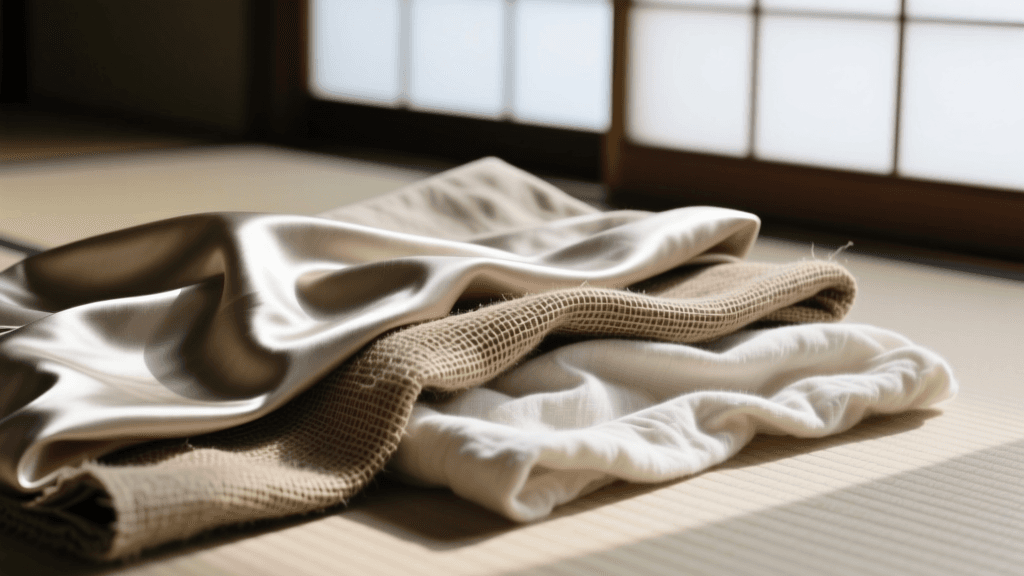
In 2026, the wellness apparel market has seen a massive pivot away from petroleum-based microplastics toward regenerative, natural fibers. For Tai Chi and Qigong, the fabric must possess three qualities: high breathability, structural drape, and moisture management. The Mayo Clinic notes that the stress-reducing and mindfulness benefits of Tai Chi are deeply tied to physical comfort and environmental awareness; scratching or overheating in synthetic fabrics immediately breaks a meditative state.
Comparison Chart: Best Fabrics for Tai Chi & Qigong
| Fabric Type | Best Practice Application | Drape Quality | Moisture & Temp Management |
|---|---|---|---|
| Washed Ramie (Xia Bu) | Summer Qigong, Outdoor Tai Chi | Structured, slightly stiff | Exceptional cooling, rapid drying |
| Mulberry Silk Blends | Indoor Meditation, Slow Forms | Fluid, heavy, luxurious | Thermoregulating, gentle on skin |
| Organic Heavy Linen | All-season Wellness, Layering | Earthy, relaxed, textured | Highly breathable, durable |
| Bamboo Viscose | Dynamic Martial Tai Chi | Soft, clingy, stretchy | Excellent wicking, antibacterial |
Pro-Tip for 2026 Shoppers: Look for 'enzyme-washed' Ramie or Linen. Traditional raw Ramie can be abrasive against the skin during repetitive arm movements like 'Cloud Hands.' Modern 2026 textile processing uses natural enzymes to soften the fibers while retaining their structural integrity and historical aesthetic.
The Xin Zhongshi Wellness Activewear Revolution
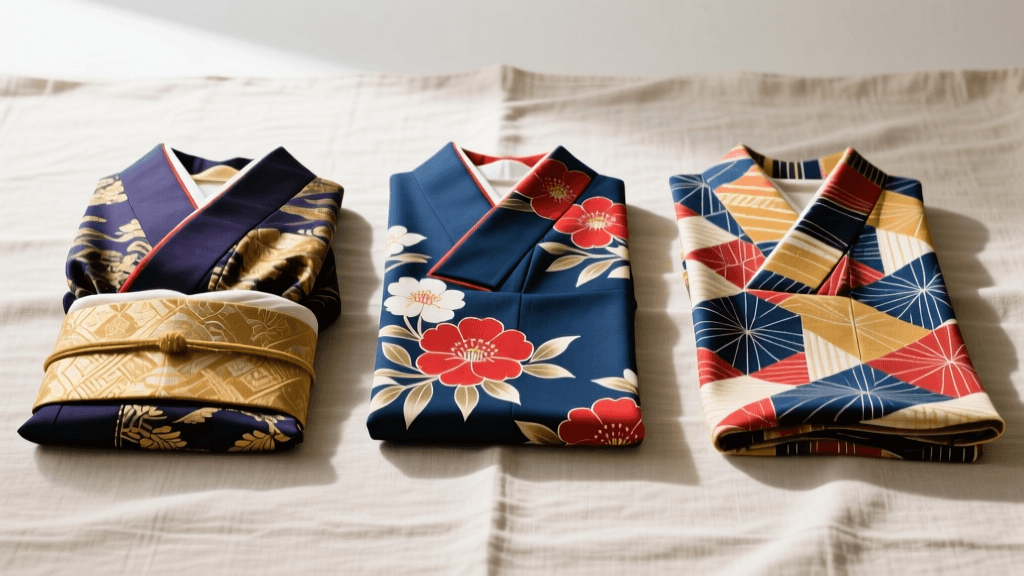
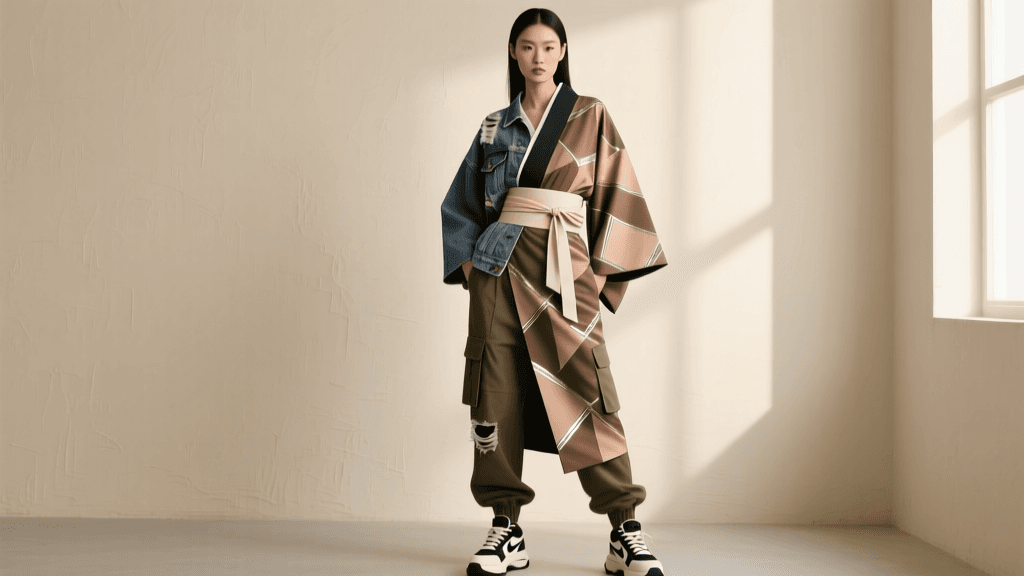
The Xin Zhongshi (New Chinese Style) movement has matured significantly by 2026. No longer confined to high-fashion runways or streetwear, Xin Zhongshi has deeply penetrated the wellness sector. Modern designers are creating hybrid garments that respect the visual lineage of the Ming and Song dynasties while integrating subtle, modern ergonomic advancements.
For example, the modern Duanhe (short jacket) designed for Tai Chi now frequently features hidden gussets under the arms. While traditional flat-cutting provides a beautiful drape, it can sometimes pull at the shoulder seam when the arms are raised above the head in forms like 'White Crane Spreads Its Wings.' The 2026 wellness-focused Xin Zhongshi jackets incorporate tonal, diamond-shaped underarm gussets that provide an extra two inches of lift without disrupting the traditional exterior silhouette. Additionally, designers are utilizing natural, plant-based dyes—such as indigo, madder root, and tea polyphenols—which not only provide a muted, earthy color palette conducive to Zen environments but also offer natural antibacterial properties for garments worn during light sweating.
Footwear and Accessories: Grounding Your Practice
A critical, yet often overlooked, aspect of dressing for Tai Chi and Qigong is footwear. The practices require a deep physical and energetic connection to the ground, often referred to as 'rooting.' Thick, cushioned modern running shoes elevate the heel, shift the body's center of gravity forward, and numb the proprioceptive feedback from the soles of the feet.
In 2026, the traditional Yunxie (cloud shoe) has been reimagined for the modern wellness practitioner. Authentic cloud shoes feature a flat, zero-drop sole made from layered cotton or flexible natural rubber, allowing the toes to splay and the practitioner to feel the texture of the earth or floorboards. The upper is typically crafted from soft cotton or hemp, securing the foot without rigid laces that might impede circulation.
Accessories also play a role in maintaining the body's energetic field during practice. Avoid metallic jewelry, smartwatches, or heavy belts during Qigong. The World Health Organization's ongoing integration of traditional medicine and holistic wellness practices into global health frameworks emphasizes the importance of removing physical and energetic blockages. A smartwatch buzzing with notifications or a heavy metal bracelet clinking during a delicate wrist rotation serves as a sensory distraction, pulling the mind away from the internal landscape of the body.
Structuring Your Morning Wellness Wardrobe
To build a functional, historically inspired wellness wardrobe for 2026, consider the climate and the intensity of your practice. Layering is a time-honored tradition in Chinese dress, allowing practitioners to adapt to the changing temperatures of early morning outdoor sessions.
The Spring/Autumn Layering System
- Base Layer: A lightweight, short-sleeved bamboo viscose Dudou (traditional bodice) or a simple cross-collar undershirt. This sits against the skin, wicking away the light perspiration generated during the warm-up phase.
- Mid Layer: A long-sleeved, organic linen Ruqun (top and skirt ensemble) or loose-fitting linen trousers paired with a tunic. Linen provides excellent temperature regulation, keeping you warm before the sun rises and cool once your internal heat builds.
- Outer Layer: A lightweight, unlined Pifeng (cloak or cape) or a wide-sleeved Beizi (open-front coat). This layer is worn during the initial static meditation and joint-loosening exercises, then gracefully removed and folded over a nearby bench once the core Tai Chi form begins.
The Summer Minimalist Approach
For humid summer mornings, a single layer of enzyme-washed Ramie is unmatched. A pair of wide-legged Ramie trousers paired with a sleeveless, cross-collar tunic allows for maximum airflow. The natural stiffness of the Ramie keeps the fabric away from the skin, creating a micro-climate of moving air around the body that synthetic compression shorts simply cannot replicate.
Conclusion: Embodying the Tradition
The garments we wear profoundly influence our posture, our breath, and our mental state. By choosing Hanfu and Xin Zhongshi designs for Tai Chi and Qigong, practitioners in 2026 are doing more than just honoring Chinese cultural heritage; they are optimizing their physical environment for holistic healing. The flat-cut silhouettes respect the body's natural mechanics, the natural fibers support the skin's respiratory functions, and the aesthetic beauty of the garments elevates the daily practice from a mere physical exercise to a moving, wearable art form. Whether you are practicing the sweeping movements of the Tai Chi sword or standing in silent Qigong meditation, dressing in traditional, breathable textiles ensures that your clothing works in harmony with your Qi, rather than against it.