Xin Zhongshi Style 2026: Modern Mamianqun & Silk Guide
The Evolution of Xin Zhongshi in 2026
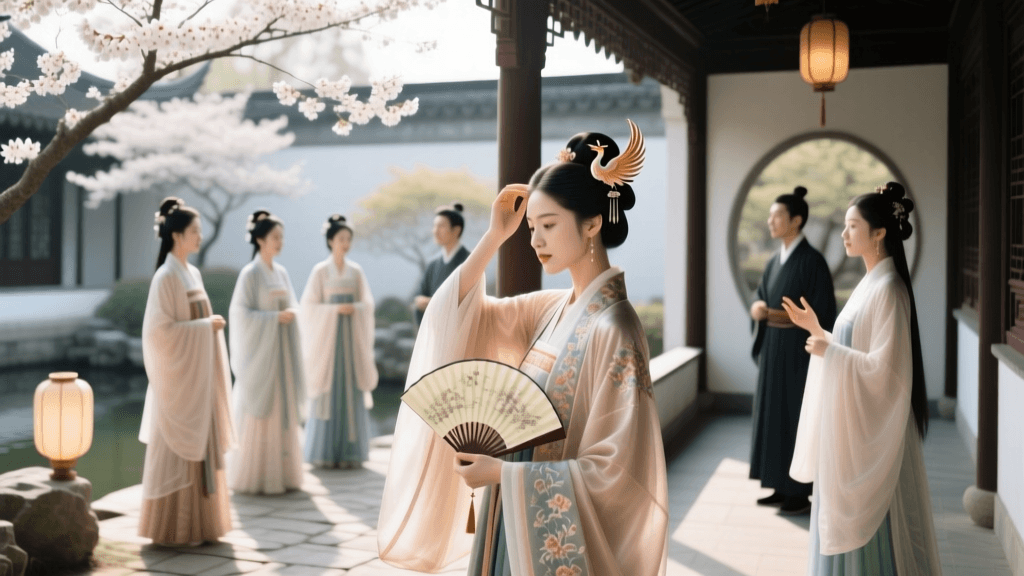
As we navigate the global fashion landscape of 2026, the Xin Zhongshi (新中式) or 'New Chinese Style' movement has definitively transcended its origins as a fleeting viral trend. Today, it stands as a sophisticated, permanent pillar of contemporary Asian fashion. Unlike traditional historical reenactment or rigid ceremonial wear, Xin Zhongshi is defined by its seamless integration of heritage textiles, ancient structural motifs, and modern, everyday tailoring. It is a sartorial philosophy that respects the past while aggressively designing for the future.
For the modern wardrobe, this means garments that are breathable, structurally forgiving, and visually striking without appearing costumey. The 2026 iterations of Xin Zhongshi focus heavily on sustainable heritage fabrics, modular styling, and a refined color palette that moves beyond traditional bright reds and golds into muted, earth-toned elegance. This deep dive explores the two most vital components of a contemporary Xin Zhongshi wardrobe: the modernized Mamianqun and the highly coveted Xiangyunsha silk.
The Philosophy of the New Chinese Style
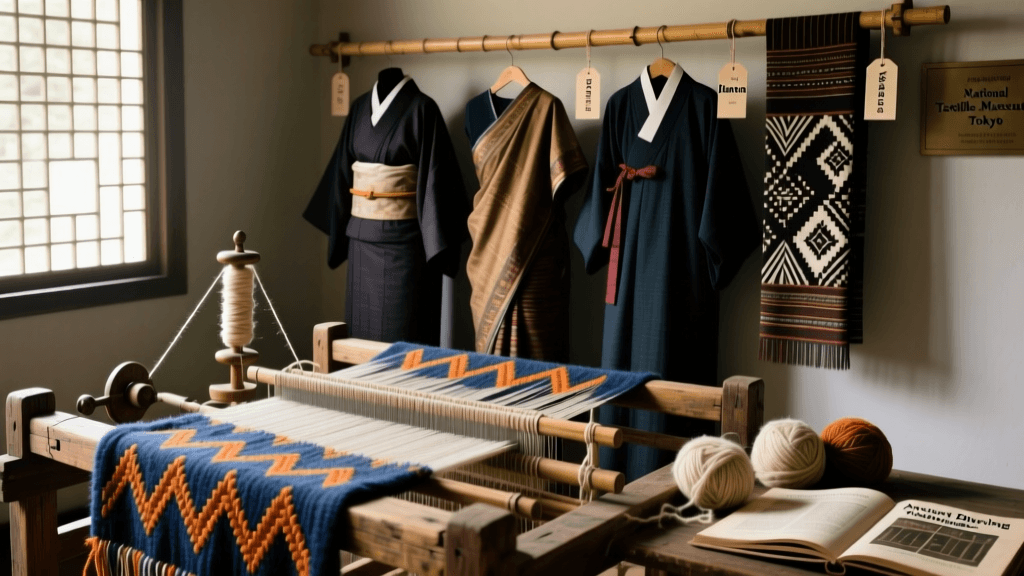
The core tenet of Xin Zhongshi is 'wearable heritage.' In 2026, leading designers across Shanghai and Hangzhou are prioritizing the drape and movement of fabric over rigid, restrictive silhouettes. The movement is heavily influenced by the global demand for slow fashion and artisanal craftsmanship. Consumers are no longer just buying a garment; they are investing in centuries-old techniques adapted for modern urban life.
This philosophy extends to the way garments are constructed. Traditional flat-cutting techniques, which minimize fabric waste and honor the integrity of the woven textile, are being combined with subtle Western darting to provide better fit around the shoulders and waist. The result is clothing that feels distinctly Eastern in its fluid grace but performs with the practicality required for a modern professional lifestyle.
Essential Garment 1: The Modernized Mamianqun
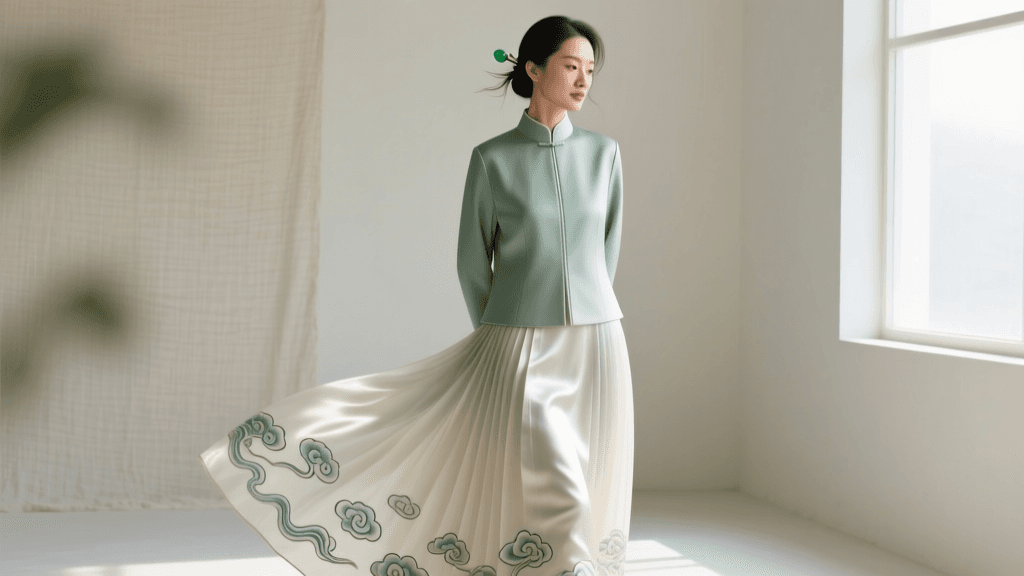
The Mamianqun, or 'horse-face skirt,' is arguably the most recognizable silhouette in the Xin Zhongshi canon. Originating in the Song Dynasty and popularized during the Ming Dynasty, the traditional Mamianqun features a wraparound design with overlapping front and back panels, leaving the side pleats exposed for ease of movement. According to historical analyses of Mamianqun historical structures, the skirt was originally designed for horseback riding and active mobility, making it inherently suited for modern, on-the-go lifestyles.
In 2026, the Mamianqun has been radically updated for the contemporary wardrobe. Designers have introduced adjustable, hidden elastic waistbands, replacing the traditional fabric ties that often slipped during daily wear. Furthermore, the hemlines have been diversified. While the traditional floor-length version remains popular for evening wear and tea ceremonies, the new 'commuter midi' Mamianqun, which falls just below the calf, has become a staple in corporate environments.
Key 2026 Innovations in Mamianqun Design
- Lightweight Pleating: Utilizing advanced heat-setting techniques on blended silks, modern pleats retain their knife-edge sharpness even after being packed in travel luggage.
- Subdued Motifs: Moving away from loud, metallic dragon and phoenix embroidery, 2026 designs favor tone-on-tone jacquard weaves featuring subtle botanical motifs like bamboo, plum blossoms, and orchids.
- Modular Panels: Some avant-garde labels have introduced detachable front panels, allowing the wearer to switch between a heavily embroidered ceremonial front and a minimalist, solid-colored daily front.
Essential Garment 2: Xiangyunsha (Gambiered Silk)
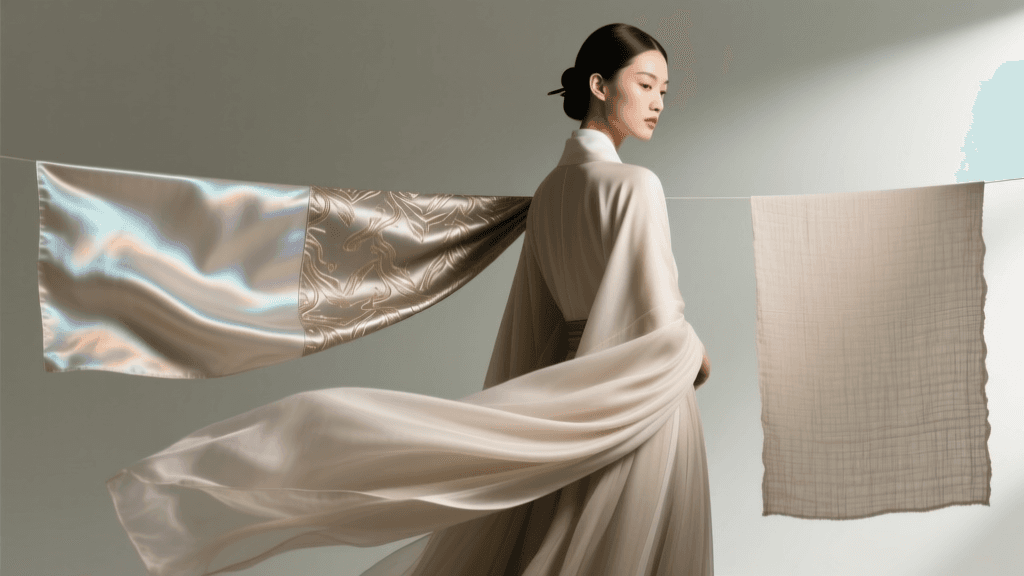
If the Mamianqun provides the structure of Xin Zhongshi, Xiangyunsha provides its soul. Known as 'soft gold,' Xiangyunsha is a highly specialized silk originating from Guangdong province. It is dyed using the juice of the Dioscorea cirrhosa (shoulang) yam and then coated with the iron-rich mud of the Pearl River Delta. This labor-intensive, entirely natural process creates a fabric that is water-resistant, incredibly breathable, and possesses a distinctive, leathery patina that deepens with age.
The environmental and sustainable fashion mandates of 2026 have pushed Xiangyunsha to the forefront of luxury textiles. Because the dyeing process relies entirely on natural botanicals and river mud, it is completely biodegradable and non-toxic. As noted in UNESCO's recognition of Chinese sericulture, the preservation of these ancient silk craftsmanship techniques is vital to global intangible cultural heritage. In 2026, authentic, certified Xiangyunsha is highly sought after, with premium jackets retailing between $600 and $1,500 USD.
Wearing Xiangyunsha is a sensory experience. The fabric produces a faint, crisp rustling sound when the wearer moves, and its cool, smooth texture against the skin makes it the ultimate luxury textile for humid summer months. Modern Xin Zhongshi designers are utilizing Xiangyunsha not just for traditional Tang-style jackets, but for structured blazers, wide-leg trousers, and even minimalist trench coats.
Fabric Drape Analysis: Choosing the Right Textiles
Understanding how different heritage fabrics drape and move is crucial for building a cohesive Xin Zhongshi wardrobe. The interplay between the stiffness of brocades and the fluidity of silks creates the visual tension that defines the style. Below is a comprehensive analysis of the primary textiles used in 2026 collections.
| Textile | Traditional Origin | 2026 Application | Drape & Weight Profile |
|---|---|---|---|
| Xiangyunsha | Guangdong Province | Outerwear, Blazers, Trousers | Crisp, structured, medium-heavy. Holds architectural shapes well. |
| Song Brocade | Suzhou, Jiangsu | Evening Mamianqun, Collar Accents | Stiff, ornate, heavy. Excellent for rigid pleats and formal structure. |
| Mulberry Silk Crepe | Hangzhou, Zhejiang | Blouses, Linings, Flowy Skirts | Fluid, lightweight, matte finish. Drapes elegantly over the body. |
| Hemp-Silk Blends | Various Regions | Daily Shirts, Casual Jackets | Textured, breathable, medium weight. Offers a relaxed, matte drape. |
For those new to the movement, starting with a Mulberry Silk Crepe blouse paired with a structured Song Brocade skirt offers the perfect balance of comfort and visual impact. The historical significance of these textiles cannot be overstated; as detailed in The Metropolitan Museum of Art's archives on silk, the mastery of these specific weaves and dyes represents thousands of years of continuous artistic evolution.
Building a 2026 Xin Zhongshi Capsule Wardrobe
Integrating Xin Zhongshi into a modern wardrobe does not require a complete overhaul. The most stylish enthusiasts in 2026 practice 'cultural bracketing'—pairing one strong heritage piece with contemporary, minimalist basics. This approach ensures the traditional garment remains the focal point without overwhelming the wearer's personal aesthetic.
The Corporate Professional
For the office, pair a midi-length, solid-colored Mamianqun in deep navy or charcoal with a crisp, oversized white cotton button-down shirt. Tuck the shirt in to highlight the skirt's waistband, and finish the look with leather loafers or low-heeled ankle boots. The pleats of the skirt provide movement, while the structured shirt maintains professional authority.
The Creative Evening
For evening events or gallery openings, a Xiangyunsha bomber jacket or cropped blazer worn over a simple black silk slip dress creates an arresting silhouette. The dark, glazed finish of the gambiered silk catches low light beautifully. Accessorize with a single, modernized jade pendant on a delicate gold chain, bridging the gap between ancient talisman and modern jewelry.
The Weekend Casual
For weekend wear, look for Xin Zhongshi knitwear. In 2026, many brands are producing fine merino wool sweaters featuring subtle, integrated frog button (Pankou) details along the shoulder or cuff. Pair this with wide-leg linen trousers and woven bamboo-veneer sneakers for a look that is deeply rooted in Asian aesthetics but entirely functional for a modern weekend.
Care and Maintenance of Heritage Textiles
The longevity of Xin Zhongshi garments relies heavily on proper maintenance, particularly when dealing with natural dyes and delicate weaves. Xiangyunsha, despite its durable reputation, requires specific care to maintain its unique patina. It should never be machine washed or exposed to harsh alkaline detergents, which can strip the yam dye and river mud coating.
Instead, Xiangyunsha garments should be gently hand-washed in cool water using a pH-neutral silk wash, or simply aired out in a shaded, well-ventilated area. The fabric's natural antibacterial properties mean it requires washing far less frequently than modern cottons. Similarly, Mamianqun skirts with intricate embroidery or heat-set pleats should be stored hanging in breathable cotton garment bags to prevent the pleats from flattening and the metallic threads from oxidizing.
Conclusion: The Future of Wearable Heritage
The Xin Zhongshi movement of 2026 is a testament to the enduring power of cultural memory when placed in the hands of modern innovation. By embracing the architectural brilliance of the Mamianqun and the sustainable luxury of Xiangyunsha silk, today's fashion enthusiasts are not merely wearing clothes; they are participating in a living, breathing dialogue between the ancient artisans of the past and the global citizens of the future. Building a Xin Zhongshi wardrobe is an investment in craftsmanship, sustainability, and timeless elegance.