Navigating Hanfu Conventions: A Complete Meetup Guide
The Rise of the Hanfu Community
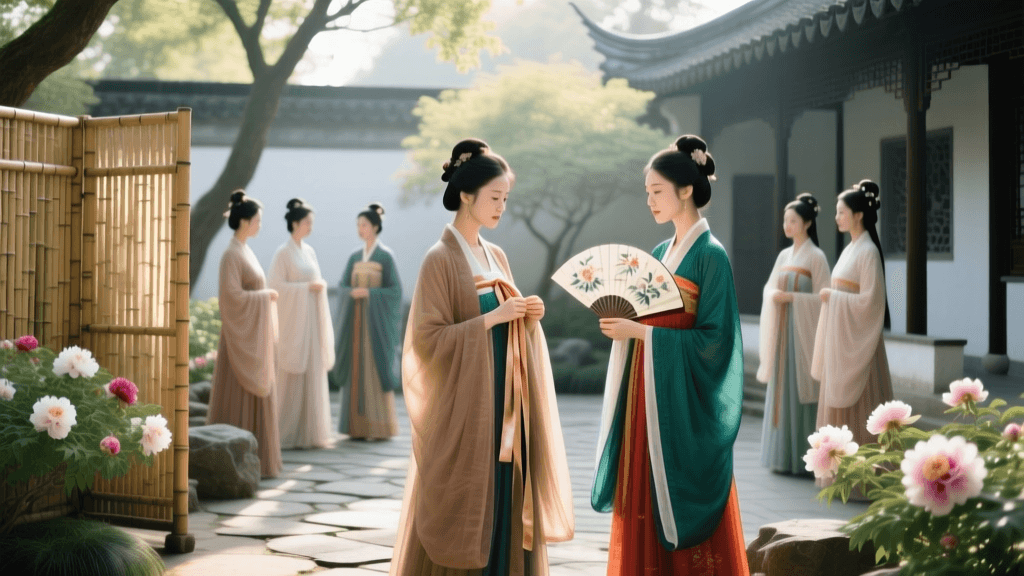
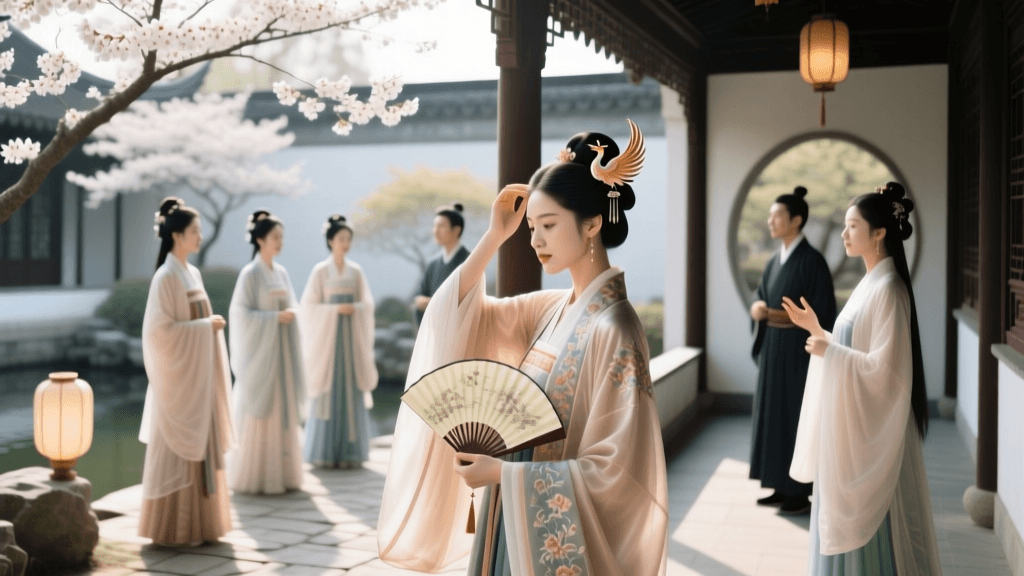
Over the past two decades, the Hanfu movement has evolved from a niche internet subculture into a massive, real-world cultural phenomenon. What began as a desire among young Chinese enthusiasts to reconnect with pre-Qing dynasty sartorial traditions has blossomed into a global community. Today, Hanfu conventions, local park meetups, and university society gatherings are common occurrences, drawing thousands of attendees who celebrate traditional Chinese clothing, music, and etiquette. For both seasoned enthusiasts and curious newcomers, attending these events offers a vibrant immersion into living history. However, navigating the logistics, wardrobe requirements, and community etiquette of these gatherings requires careful preparation.
Premier Hanfu Conventions to Add to Your Calendar
If you are looking to experience the Hanfu community at its largest and most organized, major conventions are the perfect starting point. These events often feature parades, historical reenactments, traditional archery, and vendor halls filled with independent tailors and accessory makers.
- Xitang Hanfu Culture Week (Zhejiang, China): Held annually in late October or early November, this is arguably the most famous Hanfu event in the world. Set in the picturesque Xitang Water Town, attendees stroll across ancient stone bridges in full traditional regalia. Tickets to the water town typically cost around 95 RMB (approx. $13 USD), though special event passes and accommodation packages are available.
- China International Hanfu Cultural Week: Often rotating between major cities like Chengdu and Hangzhou, this event focuses heavily on the intersection of traditional garments and modern fashion runways, featuring lectures from textile historians and fashion designers.
- Local University and City Park Meetups: Outside of massive conventions, local Hanfu societies frequently organize weekend picnics in botanical gardens or university campuses. These are usually free to attend, though participants are expected to bring their own picnic gear and adhere to the specific historical theme of the day (e.g., Tang Dynasty only).
Dressing for the Occasion: A Seasonal Wardrobe Guide
Choosing the right garment for a convention is critical. Hanfu is deeply tied to the rhythms of nature, and wearing the correct seasonal silhouette is a hallmark of a knowledgeable enthusiast. When referencing historical garments, it is helpful to consult resources like the Metropolitan Museum of Art's Heilbrunn Timeline of Art History to understand the structural foundations of Ming and Song dynasty clothing.
Spring and Autumn: The Versatile Ao Qun
For the mild but unpredictable weather of spring and autumn, the Ming Dynasty Ao Qun (a lined jacket paired with a pleated skirt) is the gold standard. The Mamianqun (horse-face skirt) is particularly popular for conventions because its structured pleats photograph beautifully while walking. Actionable Tip: For a wearer who is 165 cm (5'5") tall, order a skirt length of exactly 105 cm. This ensures the hem grazes the top of the shoes without dragging in the mud or tripping you in crowded vendor halls. Opt for mid-weight cotton-linen blends or jacquard weaves, which hold their shape in outdoor breezes.
Summer: Breathable Song Dynasty Styles
Summer conventions can be sweltering. The Song Dynasty Beizi (a long, open-front outer jacket) worn over a lightweight Baizhe (hundred-pleat) skirt is ideal. Actionable Tip: Avoid heavy synthetic brocades. Instead, invest in 19 momme silk or natural ramie fabrics. Ramie is highly breathable and possesses a crisp, paper-like texture that looks historically accurate while keeping you cool. Pair this with a woven bamboo hat or a lightweight silk shawl to protect your shoulders from the sun.
Winter: Layering with Cloaks and Padded Jackets
Winter meetups, especially those involving outdoor lantern festivals, require serious insulation. The Douipeng (a hooded, sleeveless cloak) is the ultimate winter statement piece. Actionable Tip: Layer a modern, skin-tight thermal base layer beneath your inner garment (the Zhongyi). Over your main Hanfu, drape a wool-blend or faux-fur-lined Douipeng. Ensure the cloak is at least 130 cm in length to fully cover your skirts and trap body heat.
Budgeting for Your First Hanfu Meetup
Attending a Hanfu convention involves more than just the cost of admission. Building a convention-ready wardrobe and planning for travel requires a structured budget. Below is a realistic cost breakdown for a first-time attendee aiming for a mid-tier, historically respectful aesthetic.
| Item / Expense | Estimated Cost (USD) | Notes & Recommendations |
|---|---|---|
| Entry-Level Hanfu Set | $45 - $70 | Includes inner top, outer jacket, and skirt. Look for reputable Taobao vendors with international shipping. |
| Premium Silk Set | $150 - $300+ | Custom-tailored, 100% mulberry silk or authentic brocade. Best for main stage events or photography. |
| Hair Accessories (Ji, Zan) | $20 - $50 | Includes basic wooden hairpins, a faux-jade comb, and a silk ribbon. Avoid cheap plastic. |
| Event Tickets / Entry | $10 - $30 | Varies by location. Some city park meetups are free; water town conventions require entry fees. |
| Travel & Accommodation | $100 - $250 | Book hotels near convention hubs early, as host towns sell out during Xitang Hanfu Week. |
| Food & Incidentals | $40 - $80 | Budget for street food, tea house visits, and emergency supplies like fashion tape and safety pins. |
Community Etiquette and Photography Rules
The Hanfu community is generally welcoming, but as the movement has grown, so has the need for established etiquette, particularly regarding photography and historical accuracy. According to cultural analyses by publications like Sixth Tone, the community places a high premium on respect for the culture and the individuals participating in it.
- Always Ask for Consent: Just because someone is wearing traditional clothing in a public space does not mean they have consented to be photographed. Always approach politely, ask for permission, and respect a refusal. If you are a photographer with a professional rig, offer to share the edited photos with the subject afterward.
- Understand the Difference Between Hanfu and GuZhuang: Hanfu refers to historically grounded, traditional clothing. GuZhuang refers to fantasy, theatrical, or modernized studio costumes (often seen in Xianxia dramas). At strict conventions, wearing highly inaccurate fantasy gear may draw polite corrections from historians in the community. Embrace these moments as learning opportunities rather than criticisms.
- Respect the Garments: Avoid stepping on the hems of others' skirts, and never touch someone's hair accessories or fabric without explicit permission, as many enthusiasts spend hundreds of dollars on delicate, handmade silk pieces.
How to Organize Your Own Local Hanfu Meetup
If you live outside of major Asian metropolitan areas, you might need to take the initiative to build your own local community. Organizing a Hanfu meetup is a rewarding way to connect with local diaspora, history students, and fashion enthusiasts.
- Scout a Culturally Appropriate Location: Botanical gardens, traditional tea houses, or university campuses with classical architecture provide the best backdrops. Ensure the location allows group photography and does not require expensive commercial filming permits.
- Set a Clear Theme: A general 'wear whatever Hanfu you have' event can be chaotic. Instead, set a theme such as 'Mid-Autumn Festival: Song Dynasty Elegance' or 'Spring Outing: Ming Dynasty Colors.' This helps attendees coordinate their outfits and results in much more cohesive group photographs.
- Schedule Around the Light: Plan your meetup to peak during the 'golden hour' (typically 4:00 PM to 5:30 PM, depending on the season). Natural, diffused lighting is essential for capturing the intricate embroidery and flowing silhouettes of the garments.
- Include a Cultural Activity: Beyond just taking photos, organize a group activity. Bring a traditional tea set for a Gongfu tea ceremony, or organize a casual game of Touhu (traditional pitch-pot). This breaks the ice and gives attendees something natural to do with their hands while being photographed.
Attending and organizing Hanfu conventions is about more than just wearing beautiful clothes; it is a participatory act of cultural revival. By preparing your wardrobe for the season, budgeting wisely, and respecting community norms, you ensure that your contribution to the Hanfu movement is both historically respectful and personally unforgettable.