2026 Xin Zhongshi Wardrobe: Mamianqun & Tailored Jacket Guide
The Evolution of Xin Zhongshi in 2026
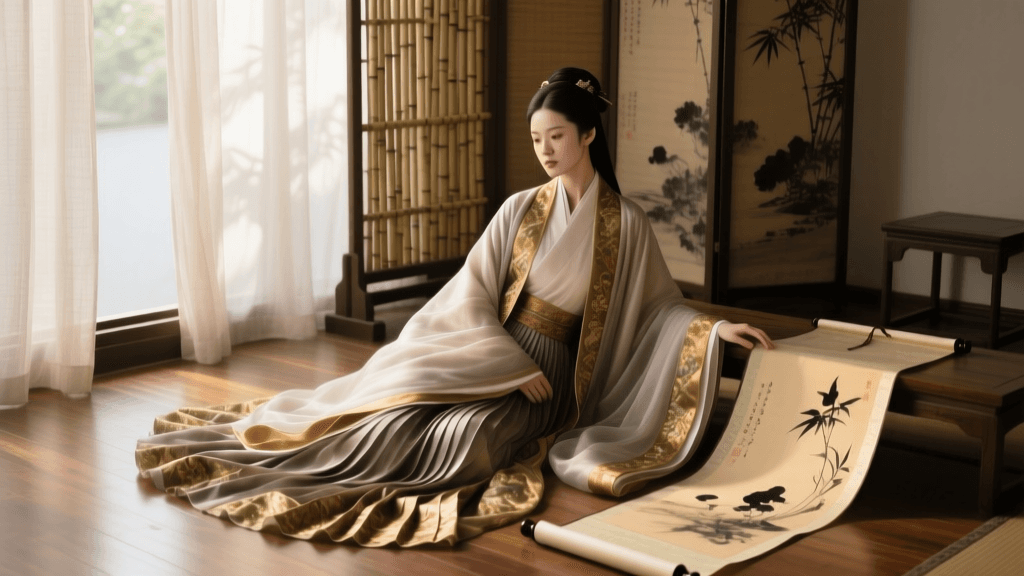
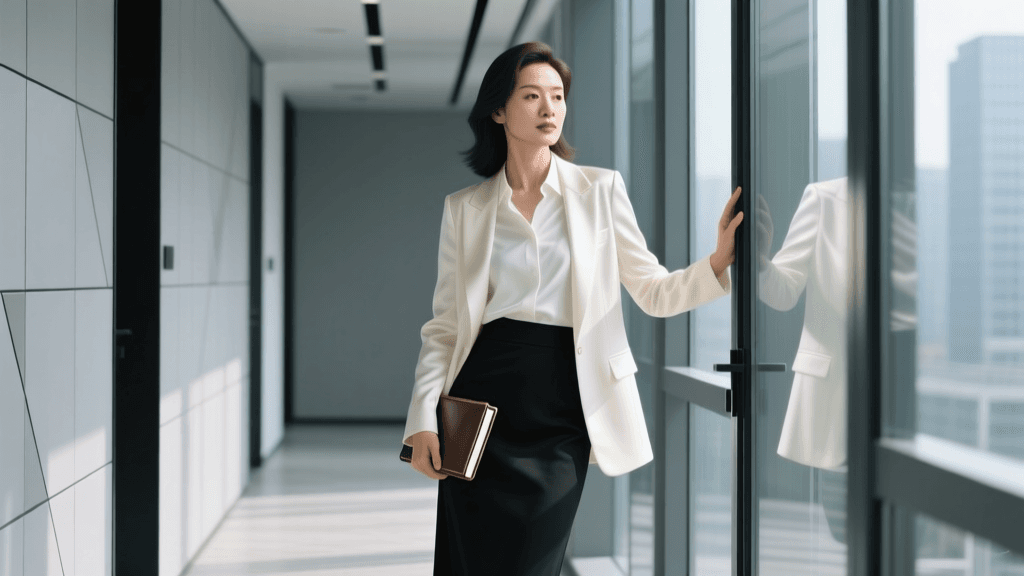
The Xin Zhongshi (新中式), or New Chinese Style, movement has officially transitioned from a viral social media trend into a foundational pillar of contemporary global fashion. As we navigate the sartorial landscape of 2026, the days of treating traditional Chinese garments as mere costumes or occasional festival wear are long behind us. Today, the modern urban professional demands a seamless blend of cultural heritage and pragmatic functionality. Xin Zhongshi in 2026 is defined by architectural tailoring, advanced textile engineering, and a minimalist approach to historical motifs.
At The Garment Atlas, we have analyzed the latest runway presentations, street-style data, and textile innovations to bring you the ultimate deep dive into building a functional, culturally rich Xin Zhongshi capsule wardrobe for the modern office and city life. This guide focuses on the two most critical pillars of the 2026 aesthetic: the re-engineered Mamianqun (horse-face skirt) and the contemporary tailored jacket.
The Modern Mamianqun: Engineering the Horse-Face Skirt
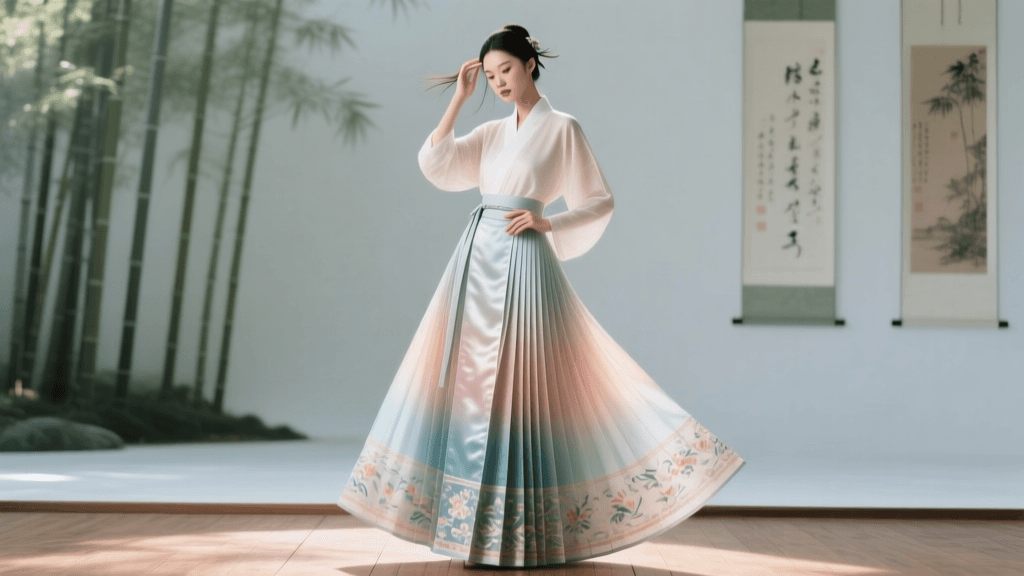
The Mamianqun is historically characterized by its flat front and back panels with pleated sides, allowing for ease of movement while maintaining a structured silhouette. According to The Metropolitan Museum of Art's Heilbrunn Timeline of Art History, the structural ingenuity of Chinese silk weaving and pleating techniques has influenced global garment construction for centuries. However, the 2026 iteration of the Mamianqun introduces crucial updates for the modern commuter.
2026 Structural Innovations
- Hidden Utility: Leading designers have integrated deep, invisible side-seam pockets into the pleated folds, solving the historical lack of storage in traditional Hanfu.
- Anti-Blast Pleating: Using high-heat memory setting on Tencel-silk blends, the side pleats now retain their razor-sharp edges even after hours of sitting in an office chair or commuting on a subway.
- Adjustable Waistbands: Traditional side-ties have been replaced by discreet, matte-metal micro-buckles hidden beneath the overlapping front apron, ensuring a flush, tailored fit over blouses and knitwear.
Fabric Technologies: The Heart of New Chinese Style
The authenticity of Xin Zhongshi relies heavily on its textiles. In 2026, the market has seen a massive surge in sustainable, tech-enhanced heritage fabrics. The preservation of these ancient techniques is vital; in fact, the mastery of these materials is recognized globally, as highlighted by UNESCO's Intangible Cultural Heritage registry for sericulture and silk craftsmanship. Below is a comparative analysis of the dominant fabrics defining the 2026 Xin Zhongshi market.
| Fabric Type | Composition & Origin | Drape & Structure | 2026 Avg. Price (USD) | Care Requirements |
|---|---|---|---|---|
| Traditional Song Brocade (Songjin) | 100% Mulberry Silk (Suzhou) | Stiff, Structured, Heavy | $350 - $600 / yard | Dry Clean Only |
| Modern Xiangyunsha | Silk + River Mud/Dioscorea Yam | Fluid, Crinkled, Breathable | $450 - $850 (Skirt) | Hand Wash Cold, Shade Dry |
| 2026 Tech-Silk Blend | 60% Silk, 40% Lyocell/Tencel | Soft, Anti-Wrinkle, Fluid | $150 - $250 (Top) | Machine Wash Delicate |
| Recycled Jacquard Weave | Regenerated Cellulose + Polyester | Medium Weight, Matte Finish | $90 - $140 (Jacket) | Machine Wash Cold |
Tailored Jackets: The Structure of Xin Zhongshi
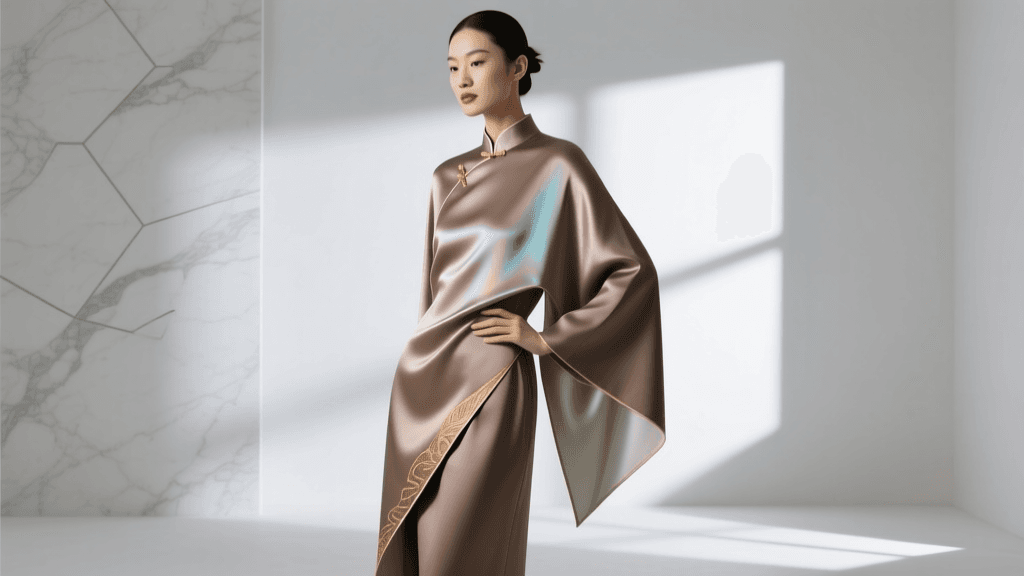
To balance the volume and movement of the Mamianqun, the 2026 Xin Zhongshi wardrobe requires a structured top half. The modern Chinese tailored jacket has evolved far beyond the rigid, boxy Mao suits of the mid-20th century. Today's silhouettes borrow from Western blazer construction while retaining distinct Eastern sartorial codes.
Key Design Elements for 2026
The Mandarin Collar (Liling): In 2026, collars are lower and softer, often featuring a subtle V-notch at the base of the throat to prevent choking and allow for layering over fine-gauge turtlenecks.
Hidden Plackets (Anjin): Visible buttons are largely reserved for casual streetwear. For the office, jackets utilize hidden magnetic closures or internal snap buttons beneath a seamless front placket, creating a clean, uninterrupted line that highlights the fabric's weave.
Geometric Pankou (Knots): The traditional floral or butterfly Pankou knots have been streamlined. The 2026 aesthetic favors geometric, minimalist knots—often reinforced with matte brass or oxidized silver cores—used sparingly as functional fasteners at the neck or cuff, rather than purely decorative embellishments.
Building Your 2026 Office Capsule Wardrobe
Creating a cohesive Xin Zhongshi capsule requires an understanding of traditional Chinese color theory, adapted for contemporary professional environments. The loud, high-contrast reds and golds of festival wear are replaced by nuanced, historically significant hues that project authority and calm.
The 2026 Professional Color Palette
- Celadon (Qingci): A pale, grey-green that mimics ancient ceramics. Perfect for tech-silk blend blouses and lightweight summer Mamianqun skirts.
- Ink Wash (Shui-mo): A gradient of charcoal to deep black. Ideal for tailored jackets and winter-weight wool-blend skirts, offering a softer alternative to stark corporate black.
- Cinnabar (Zhusha): A muted, earthy red-brown. Used primarily as an accent color in lining, piping, or subtle geometric embroidery on the cuffs of a jacket.
- Bamboo Yellow (Zhuqing): A sophisticated, low-saturation ochre that pairs beautifully with navy or slate grey base layers.
Footwear and Accessories: Completing the Silhouette
The wrong footwear can instantly reduce a carefully curated Xin Zhongshi outfit to a costume. In 2026, the goal is grounded modernity.
Footwear: The pairing of choice for the Mamianqun this year is the architectural Mary Jane or a square-toed leather loafer with a stacked wooden heel. Avoid overly delicate slippers or traditional cloth shoes for the office; the visual weight of the pleated skirt requires a shoe with a substantial sole and clean leather lines. Brands specializing in neo-classical European footwear have become the unexpected go-to for Xin Zhongshi stylists.
Accessories: Minimalism is paramount. Jade remains the stone of choice, but 2026 sees a shift toward raw, unpolished nephrite set in brushed titanium or matte gold. Hair accessories have moved away from large, ornate hairpins toward single, sleek metal hair sticks or minimalist enamel claw clips that secure the hair without competing with the collar of the jacket.
Caring for Your Xin Zhongshi Garments
Investing in heritage textiles requires meticulous maintenance. Xiangyunsha silk, treated with river mud and yam juice, develops a beautiful patina over time but is highly sensitive to alkaline environments. Always use pH-neutral silk washes. For Song Brocade jackets, avoid hanging them on wire hangers; the weight of the metallic threads can distort the shoulder seams. Instead, store them folded with acid-free tissue paper in a breathable cotton garment bag to protect the intricate jacquard weaves from dust and light exposure.
Conclusion
The Xin Zhongshi movement of 2026 is a masterclass in cultural continuity. By respecting the engineering of the Mamianqun and the elegance of traditional tailoring, while embracing modern fabric technologies and minimalist styling, you can build a wardrobe that is both deeply rooted in Asian heritage and perfectly suited for the demands of contemporary life. As the lines between Eastern tradition and Western modernity continue to blur, the New Chinese Style stands as a testament to the timeless adaptability of Asian sartorial arts.