2026 Xin Zhongshi Capsule Wardrobe: Mamian Skirts & Tang Jackets
The Evolution of Xin Zhongshi in 2026: From Guochao to Quiet Heritage
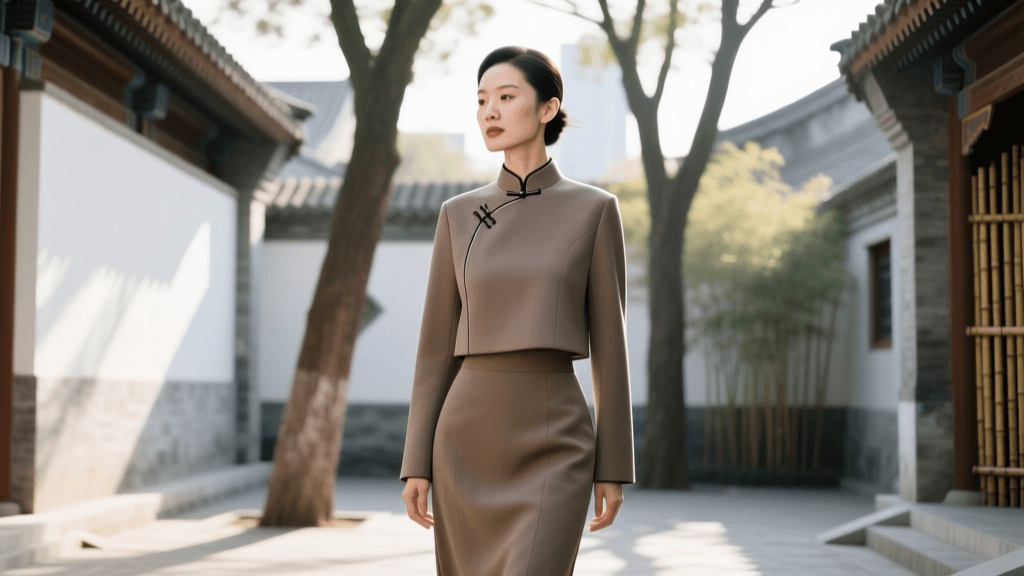
Xin Zhongshi (新中式), or "New Chinese Style," has completely transcended its origins as a niche streetwear trend to become a dominant, sophisticated force in global contemporary fashion by 2026. Unlike the maximalist, logo-heavy "Guochao" (national trend) movement of the early 2020s, the 2026 iteration of Xin Zhongshi is defined by "Quiet Heritage." This minimalist approach integrates traditional Chinese tailoring, historical motifs, and heritage textiles into highly functional, everyday capsule wardrobes without looking like a costume. It is an aesthetic that honors the structural genius of ancient Asian garments while adapting them for the modern, fast-paced urban environment.
According to the Victoria and Albert Museum's extensive archives on Chinese dress, the foundation of traditional Chinese clothing relies on flat-pattern cutting, which creates a unique, flowing drape that contrasts sharply with Western dart-and-seam tailoring. In 2026, contemporary designers are leveraging this flat-pattern heritage, combining it with modern sustainable textiles to create garments that are both culturally resonant and practically wearable. Building a Xin Zhongshi capsule wardrobe this year requires a deep understanding of two foundational pillars: the modernized Mamian skirt and the deconstructed Tang jacket.
Core Piece 1: The Modernized Mamian Skirt (马面裙)
The Mamian skirt, historically known as the "horse-face skirt," is the undisputed anchor of the 2026 Xin Zhongshi wardrobe. Originally popularized during the Ming and Qing dynasties, its architectural pleating and flat front and back panels were designed for equestrian mobility and modesty. The skirt features a wrap-around construction with overlapping panels that reveal intricate, pleated side sections when the wearer moves.
2026 Design Modifications
In 2026, designers have re-engineered the Mamian skirt for urban commuting and office environments. Traditional versions relied on long, woven silk ties that required complex wrapping and often slipped during wear. Contemporary iterations now feature hidden side-zippers with elasticated back waistbands, ensuring a seamless, secure fit under modern cropped knitwear or tailored blazers. Furthermore, the hemline has been adjusted; while traditional skirts swept the floor, the 2026 standard sits gracefully at the mid-calf or ankle, preventing the heavy brocades from dragging on wet city pavements.
Fabric Innovations
Heavy, stiff silk brocades have been largely replaced in daily wear by lightweight, wrinkle-resistant jacquard weaves, sustainable cupro blends, and temperature-regulating silk-linen mixes. These modern fabrics maintain the structural integrity of the trapezoidal pleats while offering the breathability required for year-round wear. When analyzing the fabric drape, the 2026 cupro-jacquard blends provide a fluid, liquid-like movement that mimics the historical Xiangyunsha (gambiered silk) but at a fraction of the weight and maintenance cost.
Core Piece 2: The Deconstructed Tang Jacket (改良唐装)
The traditional Tangzhuang (Tang suit), characterized by its stiff, boxy cuts, prominent Mandarin collars, and loud, contrasting frog buttons (Pan Kou), has undergone a radical deconstruction. The 2026 Xin Zhongshi outerwear silhouette borrows heavily from Western workwear and avant-garde layering techniques, transforming the Tang jacket into a versatile, transitional utility piece.
Silhouette and Tailoring
Modern Tang jackets feature relaxed, oversized silhouettes with drop-shoulder seams and raglan sleeves. The stiff, choking Mandarin collar has been softened into a relaxed, open Yuanling (round collar) or a subtle stand-collar that sits flush against the clavicle. This modification allows the jacket to be layered over high-neck merino wool sweaters or crisp cotton button-downs without restricting neck movement.
The Evolution of Pan Kou (Frog Closures)
The most striking evolution in the 2026 Tang jacket is the treatment of the Pan Kou. Instead of loud, contrasting gold or red knots, contemporary designers utilize tonal, hidden frog closures or craft them from matte vegan leather and oxidized metals. Some high-end 2026 collections even integrate 3D-printed resin Pan Kou that mimic the appearance of carved jade or bamboo, bridging ancient craftsmanship with futuristic manufacturing. The historical translation of these Chinese silhouettes into modern, global fashion contexts has been extensively documented in the Metropolitan Museum of Art's landmark exhibition archives, which highlighted how structural Chinese motifs continually inspire contemporary global tailoring.
2026 Fabric Innovations and Color Palettes
The color palette of Xin Zhongshi in 2026 has shifted away from auspicious, high-saturation reds and golds toward subdued, nature-inspired tones derived from traditional Chinese ink wash painting (Shuimo). The dominant colors this year include:
- Celadon (Qingci): A pale, grey-green that pairs effortlessly with charcoal and cream.
- Bamboo Ash (Zhuhe): A warm, muted taupe that serves as a versatile neutral base.
- Ink Wash Gradients: Subtle, ombré dyeing techniques that mimic the bleed of black ink on rice paper, often applied to the pleated panels of Mamian skirts.
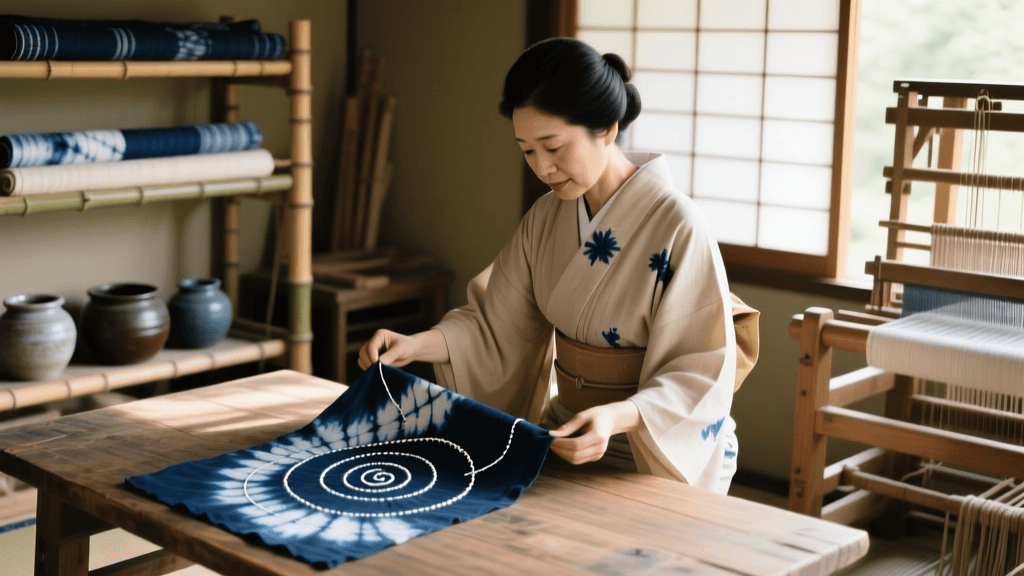
Fabric sustainability is also a major focus. There is a massive resurgence in heritage dyeing techniques, particularly those recognized by UNESCO's Intangible Cultural Heritage registry. Artisan collectives in Hangzhou and Suzhou are now utilizing closed-loop water systems to produce traditional plant-dyed silks, ensuring that the environmental footprint of Xin Zhongshi aligns with modern eco-conscious standards.
The 2026 Xin Zhongshi Capsule Wardrobe Matrix
To build a functional, interchangeable wardrobe, focus on these five core pieces. This matrix outlines the specific 2026 modifications, ideal fabrics, and styling pairings for each garment.
| Garment Type | 2026 Design Modification | Primary Fabric | Styling Pairing | Est. Price (USD) |
|---|---|---|---|---|
| Mamian Skirt (Mid-Calf) | Hidden side-zip, elasticated back panel | Cupro-Jacquard Blend | Cropped merino wool sweater, leather ankle boots | $85 - $140 |
| Modified Tang Jacket | Drop-shoulder, tonal matte Pan Kou | Washed Tencel-Linen | White cotton tee, wide-leg denim trousers | $120 - $210 |
| Song Dynasty Beizi (Cardigan) | Extended side slits, belt-loop integration | Lightweight Crepe Silk | Turtleneck base layer, tailored cigarette pants | $95 - $180 |
| Qipao-Inspired Knit Top | Mock-neck, asymmetric faux-Placket | Ribbed Cashmere-Silk | High-waisted pleated midi skirt, loafers | $110 - $160 |
| Utility Vest (Bija) | Water-resistant shell, hidden inner pockets | Recycled Nylon-Silk | Oversized Oxford shirt, Mamian skirt | $75 - $130 |
Styling and Care for Contemporary Heritage Garments
Maintaining the structural integrity of Xin Zhongshi pieces requires specific care routines, particularly for the architectural pleats of the Mamian skirt. Unlike standard pleated skirts, the "horse-face" flat panels must remain perfectly aligned to preserve the garment's historical silhouette.
Storage and Maintenance
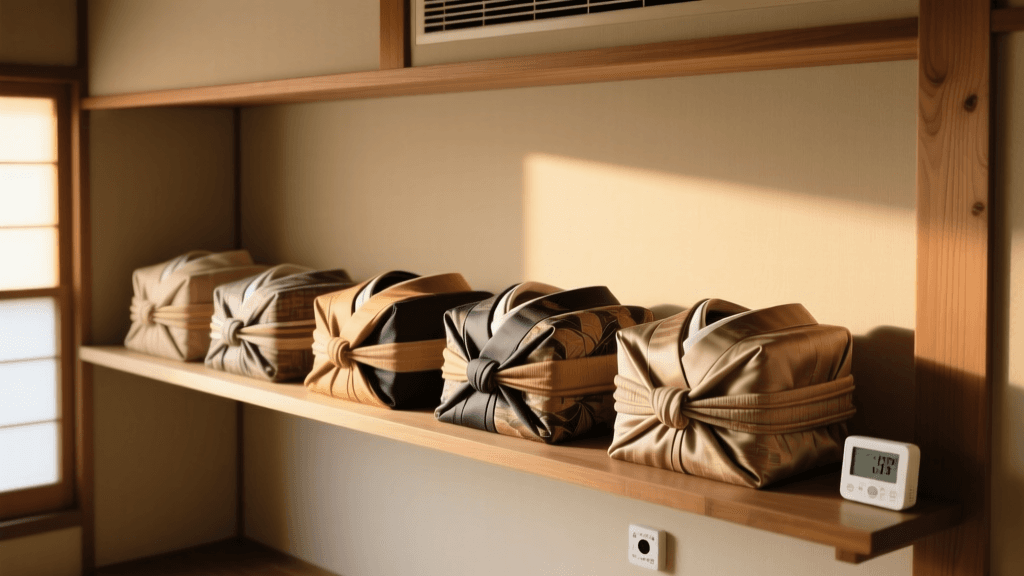
- Hanging: Never fold a Mamian skirt for long-term storage, as this will permanently crease the flat panels. Use specialized clip hangers with wide, velvet-padded jaws to grip the waistband without damaging the fabric.
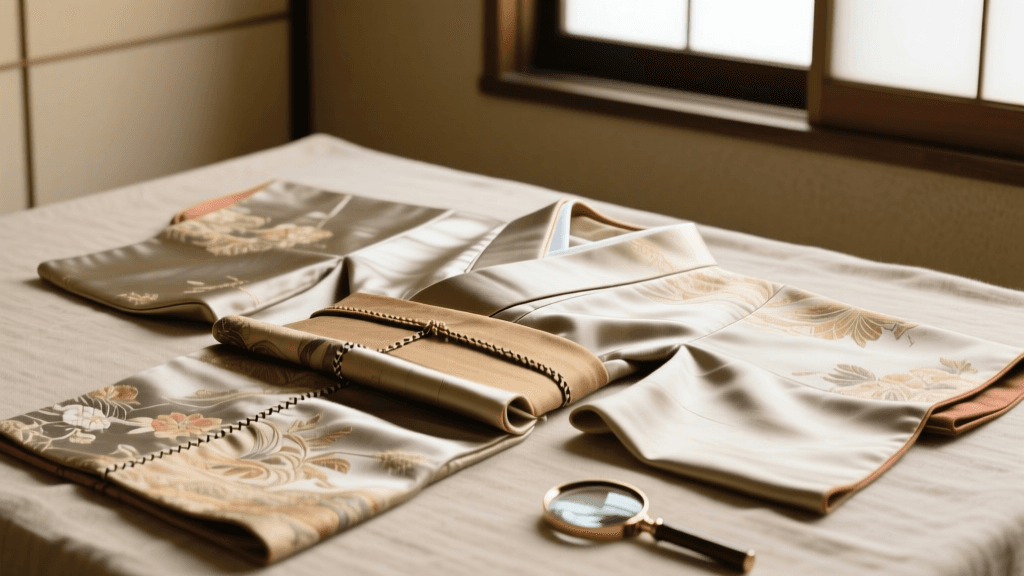
- Steaming vs. Ironing: Avoid direct contact with a hot iron plate, especially on jacquard and cupro blends, which can scorch or develop an unnatural shine. Use a high-pressure vertical steamer, gently pulling the fabric taut while directing the steam through the pleats to reset the weave memory.
- Cleaning: While 2026's wrinkle-resistant treatments make spot-cleaning easier, deep cleaning should be done via professional wet-cleaning services that specialize in heritage textiles, avoiding harsh chemical dry-cleaning solvents that strip natural plant dyes.
Sourcing Authentic Xin Zhongshi in 2026
The market for Xin Zhongshi has matured significantly. In 2026, consumers are moving away from fast-fashion imitations and investing in direct-to-consumer artisan collectives and established contemporary heritage brands. When shopping online, look for detailed garment measurements—specifically the "flat-lay" width and the exact depth of the pleats. Authentic designers will provide comprehensive drape videos and fabric composition breakdowns, highlighting the exact ratio of natural fibers to synthetic stabilizers. By investing in these thoughtfully engineered pieces, you are not just adopting a fashion trend; you are participating in the living, breathing evolution of Asian sartorial history.