Xin Zhongshi Runway Trends: Chinese Fashion at 2026 Design Weeks
The Global Ascent of Xin Zhongshi in 2026
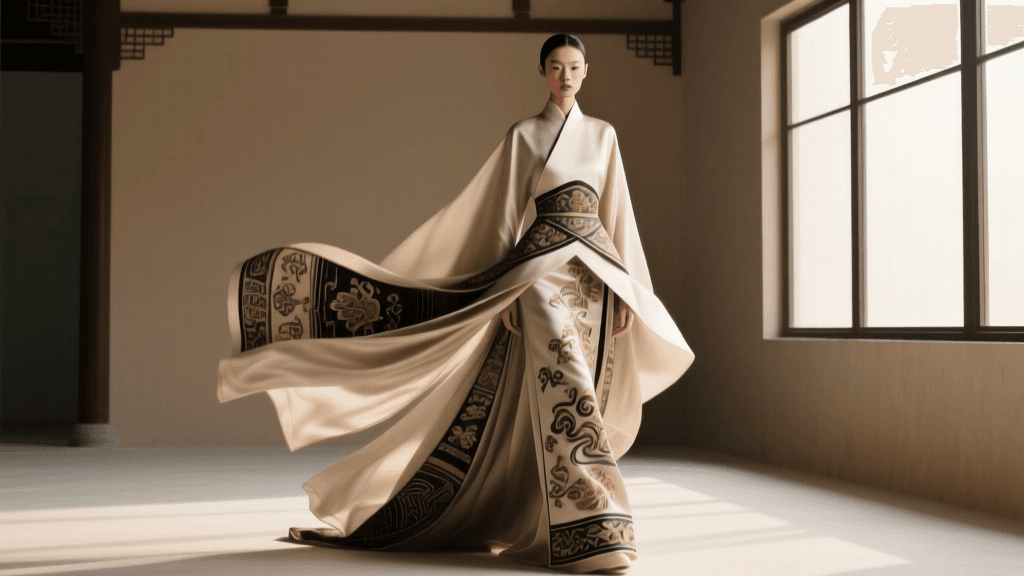
The international fashion landscape of 2026 has been unequivocally defined by a profound shift in how heritage garments are presented on the global stage. Moving far beyond the superficial motifs of previous decades, the Xin Zhongshi (New Chinese Style) movement has matured into a sophisticated design philosophy that dominates Paris, Milan, and London Fashion Weeks. This year, top-tier design houses and avant-garde indie labels alike are deconstructing and rebuilding ancient Chinese silhouettes, presenting them not as mere historical costumes, but as the pinnacle of contemporary luxury.
For enthusiasts of Asian traditions, the 2026 runway season offers a masterclass in textile preservation and structural innovation. Designers are no longer relying on stereotypical embroidery or standard mandarin collars. Instead, they are diving deep into the architectural brilliance of traditional pattern cutting, utilizing heritage fabrics like Xiangyunsha silk and reimagining the iconic Mamianqun for the modern, global consumer. This article explores the defining moments of Chinese fashion at 2026 international design weeks, offering a detailed analysis of the garments, textiles, and styling techniques that are reshaping the global luxury market.
From Guochao to Global Luxury: The Evolution of the Movement
Over the past few years, the domestic 'Guochao' (national trend) movement laid the groundwork for a renewed interest in Hanfu and traditional Chinese clothing among younger demographics. However, the 2026 international design weeks mark the definitive transition of this local phenomenon into global luxury. International buyers and fashion critics are now looking past the novelty of cultural fusion, demanding rigorous authenticity in textile sourcing and historical accuracy in silhouette, albeit with modern tailoring.
This evolution is evident in the meticulous attention to artisan techniques. Runway shows in Milan this season highlighted the integration of intangible cultural heritage crafts—such as Suzhou embroidery and Nanjing cloud brocade—into ready-to-wear collections that cater to a global, cosmopolitan clientele. The result is a wardrobe that respects the philosophical underpinnings of traditional Chinese dress, such as the harmony between humanity and nature, while meeting the rigorous demands of modern urban life.
The Mamianqun Reimagined: Structural Heritage on the Catwalk
Arguably the most prominent garment to cross over from historical archives to the 2026 runways is the Mamianqun, or 'horse-face skirt.' Traditionally characterized by its flat, unpleated front and back panels (the 'horse faces') flanked by intricate, deep side pleats, the Mamianqun is a marvel of traditional flat-pattern cutting. In 2026, designers have taken this structural masterpiece and engineered it for dynamic, contemporary movement.
On the Paris runways, we witnessed the Mamianqun constructed from unexpected, high-tech materials. While traditional versions rely on heavy silk brocades or woven cottons, 2026 adaptations feature pleated neoprene, recycled tech-silks, and even laser-cut vegan leathers. The structural integrity of the side pleats is maintained through modern heat-setting techniques, allowing the skirt to flare dramatically during movement while snapping back into a sleek, columnar silhouette when at rest.
Furthermore, the traditional waistband—which historically required complex wrapping and tying—has been subtly re-engineered. Designers are integrating hidden micro-adjustable buckles and elasticated back panels into the traditional white cotton waistband, preserving the visual aesthetic of the historical garment while offering the convenience expected by modern luxury consumers.
Xiangyunsha Silk: Sustainable Mud-Dyeing in Milan
While Paris focused on structural silhouettes, Milan Design Week and Fashion Week became the epicenter for textile innovation, specifically highlighting Xiangyunsha, also known as Gambiered Canton silk. This ancient, highly labor-intensive dyeing technique, originating from the Guangdong province, involves treating silk with the tannin-rich juice of the Dioscorea cirrhosa tuber, followed by applications of iron-rich river mud and extensive sun-baking.
The result is a fabric with a distinct, crackled texture, a rich dual-toned color palette (typically deep umber on one side and glossy black on the other), and natural antibacterial and water-resistant properties. In 2026, as the global fashion industry faces intense scrutiny over sustainability, Xiangyunsha has been heralded as the ultimate eco-luxury textile. Milanese runways showcased flowing, unstructured Xiangyunsha trench coats and wide-leg trousers that celebrate the fabric's organic, slightly stiff drape and the unique, unpredictable patterns created by the mud-dyeing process.
'The beauty of Xiangyunsha lies in its imperfections. The mud and the sun dictate the final pattern, making every single meter of fabric a unique record of the environment in which it was born.' — Lead Textile Curator, 2026 Milan Heritage Exhibition.
Comparative Analysis: Traditional vs. 2026 Runway Xin Zhongshi
To understand the depth of the 2026 adaptations, it is essential to compare the historical baseline of these garments with their contemporary runway counterparts. The following table outlines the key shifts in design, material, and construction.
| Feature | Traditional Heritage Garment | 2026 Runway Xin Zhongshi Adaptation |
|---|---|---|
| Silhouette & Length | Ankle-grazing (approx. 95-105cm), wide and voluminous, designed to conceal the body's natural contours. | Midi to asymmetrical hems (70-90cm), subtle darting introduced to contour the waist while maintaining the illusion of flat-pattern cutting. |
| Primary Textiles | Heavy silk brocade, woven cotton, raw hemp, and traditional Xiangyunsha. | Lightweight tech-silks, heat-set pleated synthetics, organic mud-dyed Xiangyunsha, and upcycled deadstock fabrics. |
| Fastenings | Woven fabric ties, sashes, and intricate knot buttons (Pankou). | Hidden magnetic closures, micro-adjustable metallic buckles, and stylized, oversized Pankou used as sculptural elements. |
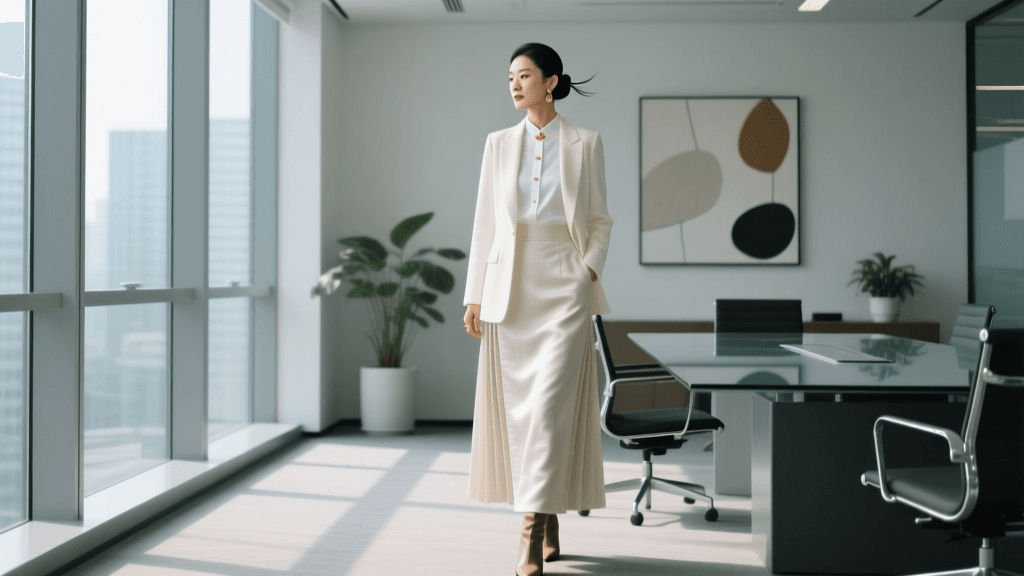
| Styling Context | Worn in layered ensembles, strictly adhering to historical dynasty-specific rules and modesty standards. | Styled with minimalist contemporary basics (e.g., crisp white poplin shirts, tailored blazers, combat boots) for high-low fashion contrast. |
Drape Analysis: The Philosophy of the Straight Grain
One of the most fascinating aspects of the 2026 design week exhibitions was the academic approach to drape analysis. Traditional Chinese pattern cutting is fundamentally different from Western tailoring. Western garments are typically cut to follow the three-dimensional curves of the human body using darts, princess seams, and bias cuts. In contrast, traditional Asian garments are cut along the straight grain of the fabric, utilizing the natural drape and weight of the textile to create shape.
This year, avant-garde designers showcased a deep respect for this straight-grain philosophy. By utilizing oversized, geometric sleeves and dropped shoulders, the garments create a 'floating' effect around the body. The space between the body and the fabric—often referred to in traditional aesthetics as the 'breath' of the garment—is preserved. However, to prevent the garments from looking overly costumey on a modern runway, designers are employing subtle internal weighting at the hems and utilizing fabrics with a higher fluidity, ensuring the straight-grain cuts drape elegantly rather than stiffly.
Sourcing, Pricing, and Styling Guide for the Global Consumer
For collectors, buyers, and enthusiasts looking to acquire authentic Xin Zhongshi pieces inspired by the 2026 runways, understanding the market landscape is crucial. The surge in global demand has impacted both pricing and availability of heritage textiles.
- Authentic Xiangyunsha Pricing: Due to the labor-intensive nature of the mud-dyeing process and the limited geographical area in Guangdong where it can be produced, authentic Xiangyunsha silk now commands upwards of $180 to $350 per meter in 2026. Consequently, a designer runway trench coat or Mamianqun crafted from genuine Xiangyunsha will typically retail between $1,500 and $4,500.
- Measurement Considerations: When sourcing traditional Mamianqun for everyday wear, be mindful of the length. Historical accuracy demands the skirt graze the ankle, requiring a waist-to-ankle measurement. However, for a modern, runway-inspired look that pairs well with Western footwear like loafers or ankle boots, look for 'modified midi' lengths (approx. 75-80cm) which offer greater mobility and a contemporary proportion.
- Styling the Xin Zhongshi Silhouette: The key to styling these heritage pieces in 2026 is contrast. Pair a heavy, brocade Mamianqun with a sleek, fitted turtleneck and a structured leather blazer. This juxtaposition of ancient volume and modern minimalism prevents the outfit from looking like a historical reenactment, anchoring it firmly in contemporary high fashion.
- Care and Maintenance: Xiangyunsha silk should never be machine washed or dry-cleaned with harsh chemicals. The 2026 standard for care involves gentle hand-washing in cool water with a pH-neutral silk detergent, followed by air-drying in the shade. The iron-rich mud coating can be damaged by high heat, so steaming is preferred over direct ironing.
The Future of Chinese Heritage in Global Fashion
The 2026 international design weeks have proven that Xin Zhongshi is not a fleeting trend, but a permanent paradigm shift in global fashion. By elevating ancient techniques like mud-dyeing and flat-pattern pleating to the luxury runway, designers are ensuring the survival and economic viability of rural artisan villages across China. For the global consumer, this movement offers an opportunity to engage with Asian traditions on a profound level, wearing garments that are not only aesthetically breathtaking but deeply rooted in centuries of cultural philosophy and textile mastery. As we look toward the future of fashion, the integration of Chinese heritage stands as a testament to the enduring power of craftsmanship in an increasingly automated world.