Xin Zhongshi Wardrobe 2026: Build Your New Chinese Style
The Evolution of Xin Zhongshi in 2026
The Xin Zhongshi (新中式) or "New Chinese Style" movement has fundamentally shifted from a fleeting internet trend into a permanent pillar of global contemporary fashion. As we navigate 2026, this aesthetic is no longer about literal historical reenactment or costume-like rigidity; it is an exercise in cultural translation. Today's Xin Zhongshi merges the profound elegance of traditional Chinese garments with the practical demands of modern urban life, creating a sartorial language that speaks to heritage, sustainability, and quiet luxury.
For enthusiasts and newcomers alike, building a Xin Zhongshi capsule wardrobe in 2026 requires an understanding of both historical context and contemporary tailoring. According to the Metropolitan Museum of Art's Asian Art archives, the structural integrity of traditional Chinese clothing relies heavily on flat-pattern cutting and geometric elegance. Modern designers are now preserving these foundational geometries while introducing ergonomic darts, stretch-blend fibers, and modular layering techniques suited for the modern commute.
The Core Elements of the 2026 Xin Zhongshi Capsule
To build a versatile wardrobe, one must look beyond the standard festival wear and focus on pieces that bridge the gap between boardroom meetings, gallery openings, and weekend travel. The 2026 collections from leading Asian heritage brands emphasize three foundational garments.
The Modern Mamianqun (Horse-Face Skirt)
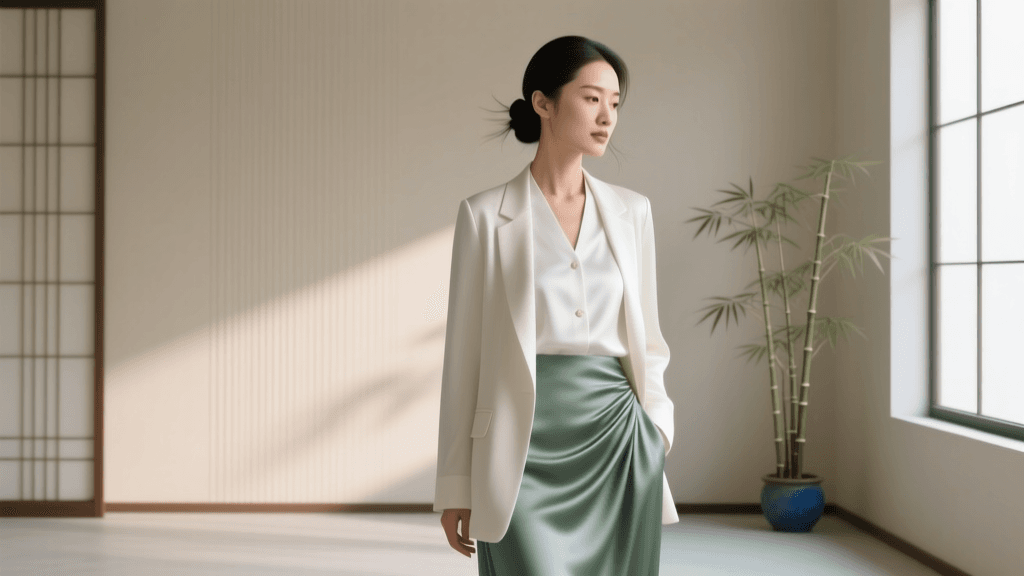
Historically a staple of the Ming and Qing dynasties, the Mamianqun features a distinctive structure of flat front and back panels with deep side pleats. In 2026, the modern iteration has been adapted for daily wear. Designers are utilizing matte crepe de chine and structured cotton-linen blends rather than the highly reflective traditional satins. The hemline has also been standardized to a midi-length (falling just below the calf), making it appropriate for professional environments. When styling, pair a solid-colored, modern Mamianqun with a tailored, oversized Western blazer to create a striking contrast between Eastern fluidity and Western structure.
The Deconstructed Qipao Top
The traditional Qipao (Cheongsam) is notoriously unforgiving in its fit. The 2026 Xin Zhongshi approach deconstructs the garment, isolating its most iconic feature: the Mandarin collar and the asymmetrical chest placket. Modern Qipao tops are cut with a relaxed, boxy silhouette, often featuring dropped shoulders and side slits that allow for effortless layering over wide-leg trousers or denim. This adaptation retains the regal posture associated with the Mandarin collar while offering the comfort required for a full day of wear.
Xiangyunsha Outerwear
Xiangyunsha, or Gambiered Guangdong Gauze, remains the undisputed luxury textile of the Xin Zhongshi movement. Dyed with river mud and the juice of the Dioscorea cirrhosa plant, this silk develops a rich, leathery patina over time. Recognized for its profound cultural value, the techniques behind such heritage textiles are closely monitored by organizations like UNESCO's Intangible Cultural Heritage registry. In 2026, Xiangyunsha is being utilized in unexpected outerwear silhouettes, such as minimalist trench coats, bomber jackets, and structured capes. Priced between $350 and $800 USD for authentic, certified outerwear pieces, it is an investment in wearable art that breathes exceptionally well in humid climates.
2026 Xin Zhongshi Capsule Wardrobe Matrix
Below is a strategic guide to building your capsule, complete with 2026 market pricing and styling applications.
| Garment Type | Traditional Element | 2026 Modern Adaptation | Best Occasion | Avg. Price Range (USD) |
|---|---|---|---|---|
| Mamianqun Skirt | Flat panels, deep side pleats | Matte fabrics, midi-length, hidden elastic waist | Office, Formal Dinners | $120 - $280 |
| Mandarin Collar Shirt | Standing collar, Pan Kou knots | Relaxed fit, drop-shoulder, organic cotton blend | Casual, Smart-Casual | $65 - $140 |
| Xiangyunsha Jacket | Gambiered silk, dual-toned dye | Bomber or utility jacket silhouette, brass hardware | Evening Wear, Travel | $350 - $800 |
| Song Brocade Vest | Intricate jacquard weaving | Cropped length, worn over turtlenecks or dresses | Creative Workspaces | $90 - $200 |
| Wide-Leg Trousers | Flowing drape, high waist | Crease-resistant wool blend, hidden side zipper | Daily Commute, Travel | $80 - $180 |
Textiles and Hardware: The Details That Matter
The authenticity of a Xin Zhongshi outfit often lies in the hardware and the weave. The Victoria and Albert Museum's Asian Collections frequently highlight how historical Chinese garments relied on intricate fastening systems rather than tailored darts to achieve their shape. In 2026, the traditional Pan Kou (frog fastener) has been reimagined. While hand-knotted silk versions are still used for formal wear, everyday pieces now feature Pan Kou cast from matte titanium, recycled brass, or even carved jade, serving as functional jewelry.
Song Brocade (Songjin), known for its subtle, tonal patterns and matte finish, is the preferred textile for layering pieces. Unlike the flashy dragon or phoenix motifs of the Qing dynasty, 2026 Song Brocade favors abstract geometric patterns, botanical vines, and water ripples, aligning perfectly with the minimalist ethos of contemporary design.
Care and Maintenance of Heritage Fabrics
Investing in Xin Zhongshi requires a commitment to proper garment care. Heritage textiles behave differently from modern synthetic blends and demand specific maintenance routines to preserve their structural and visual integrity.
Caring for Xiangyunsha (Gambiered Silk)
Xiangyunsha is unique because the river mud dye creates a protective, slightly stiff coating on the silk fibers. Never use alkaline detergents or standard silk washes, as they can strip the mud-dye patina. Instead, use a specialized pH-neutral cleanser designed for treated silks. Hand wash in cool water (below 30°C) for no more than three minutes. Do not wring the fabric; gently press the water out and dry it flat in the shade. Direct sunlight will cause the dark, resinous side of the fabric to crack and fade.
Storing the Mamianqun Pleats
The crisp pleats of a Mamianqun are its defining feature. When storing the skirt, never hang it by the waistband for long periods, as the weight of the fabric will pull the pleats out of alignment. Instead, fold the skirt along its natural pleat lines. Place acid-free tissue paper between the folds to prevent friction, and store it flat in a breathable cotton garment bag. If the pleats lose their sharpness, use a steamer rather than an iron, gently pressing the steam into the folds while the skirt is laid flat on a towel.
Footwear and Accessories: Grounding the Look
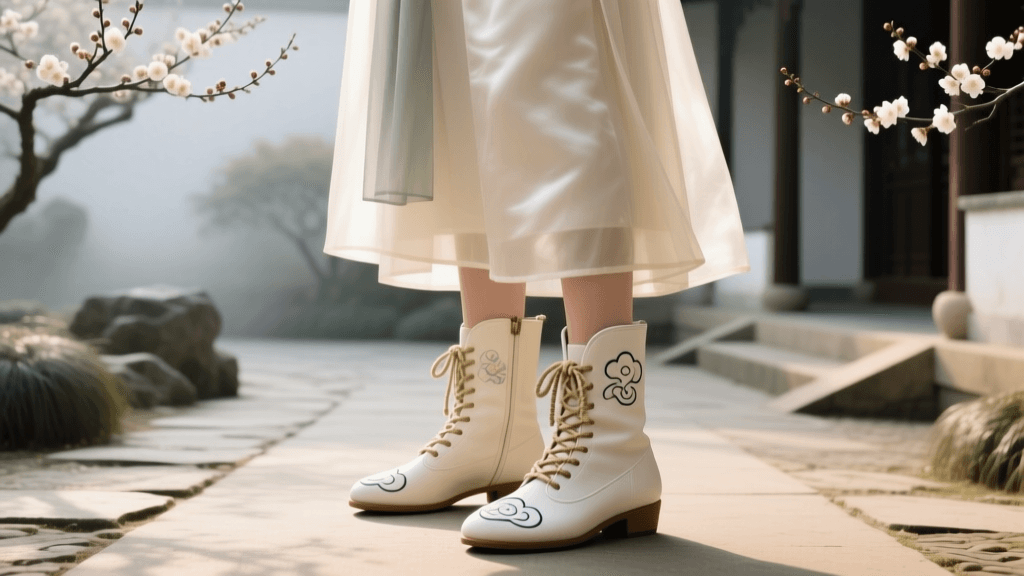
A common mistake in styling Xin Zhongshi is relying on overly traditional footwear, which can push the outfit into costume territory. In 2026, the styling rule is contrast. Pair your Mamianqun or wide-leg silk trousers with modern, architectural footwear. Minimalist leather mules, chunky loafers, or sleek, pointed-toe ankle boots provide a necessary contemporary anchor to the flowing silhouettes of the garments.
Accessories should be kept intentional and sparse. A single piece of Hetian jade set in modern, asymmetric silver or gold wire wrapping adds a touch of heritage without overwhelming the outfit. For tech-forward urbanites, pairing a heritage silk garment with a sleek, metallic smartwatch has become a hallmark of the 2026 Xin Zhongshi aesthetic, perfectly encapsulating the bridge between ancient craftsmanship and futuristic utility.
Conclusion
The Xin Zhongshi movement of 2026 is a testament to the enduring adaptability of Asian sartorial traditions. By focusing on quality textiles like Xiangyunsha, respecting the geometry of the Mamianqun, and embracing modern tailoring, you can build a capsule wardrobe that is not only deeply rooted in cultural history but entirely relevant to the rhythms of contemporary life. Approach your wardrobe as a living archive, where every knot, pleat, and patina tells a story of heritage meeting the modern world.