Top Chinese Fashion Creators Shaping Hanfu Trends in 2026
The Digital Renaissance of Traditional Chinese Garments
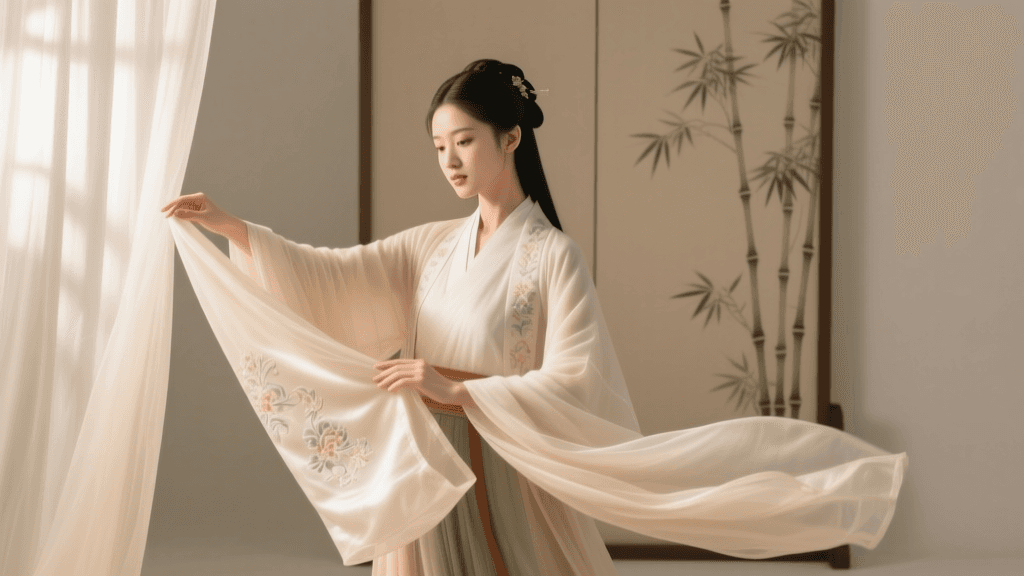
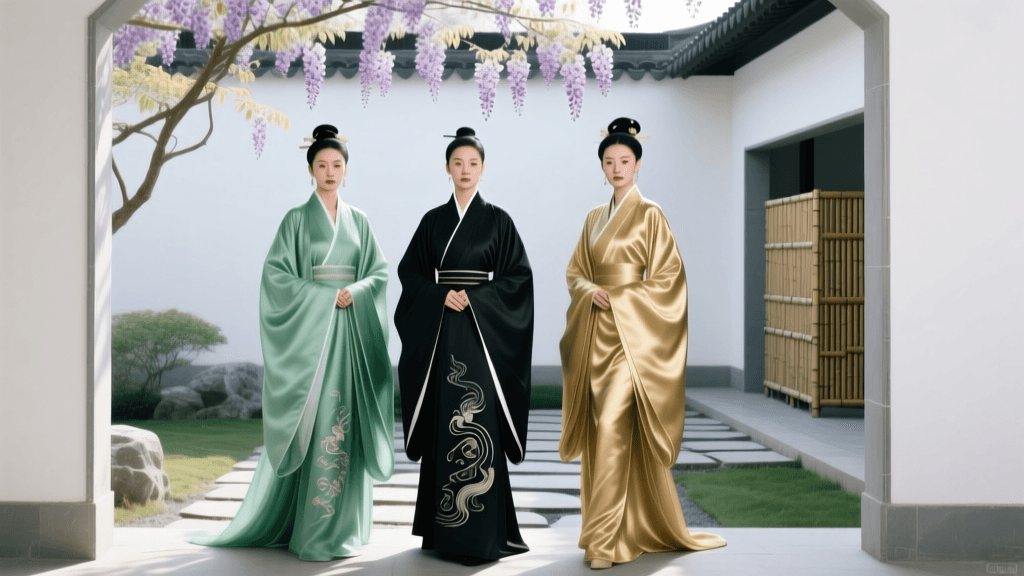
In 2026, the landscape of Asian traditional fashion has been entirely redefined by digital content creators, independent fashion journalists, and cultural historians. The Hanfu movement, which began as a niche subculture on early internet forums, has evolved into a multi-billion-dollar global industry. Today, the narrative surrounding traditional Chinese garments—from the flowing elegance of Song dynasty minimalism to the structured grandeur of Ming dynasty Mamianqun (horse-face skirts)—is driven by a sophisticated network of digital journalists and influencers. These creators are not merely showcasing outfits; they are conducting rigorous historical research, promoting sustainable textile practices, and bridging the gap between ancient weaving techniques and modern wardrobes.
For international enthusiasts and industry professionals alike, understanding this ecosystem is crucial. The traditional fashion magazine model has largely been supplanted by dynamic, multi-platform digital storytelling. As reported by Jing Daily, the intersection of luxury, heritage, and digital commerce in China has created a new breed of fashion journalist who operates equally well as a historian, a stylist, and a digital marketer. In 2026, these creators are the primary gatekeepers of taste, authenticity, and innovation within the traditional garment space.
The Evolution of Chinese Fashion Journalism
Historically, Chinese fashion journalism was confined to the glossy pages of international magazine franchises and state-sponsored cultural publications. However, the current 2026 media landscape is dominated by decentralized, creator-led journalism. Independent writers and visual storytellers now utilize platforms like Xiaohongshu (Little Red Book), Bilibili, and WeChat Official Accounts to publish deep-dive essays, textile analyses, and styling guides. This shift has democratized fashion criticism, allowing experts with specialized knowledge in historical textiles to build massive, dedicated followings.
These digital journalists are heavily focused on the concept of 'Xin Zhongshi' (New Chinese Style). Rather than advocating for strict, head-to-toe historical reenactment, modern fashion bloggers champion the integration of traditional elements into daily, contemporary life. They analyze how modern tailoring can accommodate the structural integrity of a Ming dynasty collar, or how eco-friendly natural dyes can be applied to modern silk blends. According to coverage by the South China Morning Post's fashion and lifestyle desk, this pragmatic approach to heritage fashion has been the primary catalyst for the global explosion of traditional Chinese aesthetics in mainstream streetwear and high fashion.
Platform Breakdown: Where to Find the Best Traditional Fashion Content
To navigate the vast ocean of Chinese fashion journalism, one must understand the unique culture and content style of each major platform. Different apps serve different purposes, ranging from quick visual inspiration to peer-reviewed historical analysis.
| Platform | Primary Content Style | Audience Demographic | Best For |
|---|---|---|---|
| Xiaohongshu (RED) | High-quality photo essays, daily styling, brand reviews | Gen Z and Millennials, urban professionals | Outfit inspiration, purchasing guides, trend forecasting |
| Bilibili | Long-form video essays, documentary-style textile analysis | Students, history enthusiasts, DIY crafters | Historical accuracy, weaving tutorials, deep-dive journalism |
| Douyin | Short-form viral transitions, cinematic storytelling | Mass market, global crossover audience | Viral trends, visual spectacle, brand awareness |
| WeChat Official Accounts | Long-form written journalism, academic interviews | Industry insiders, academics, older demographics | Market reports, historical essays, industry news |
Leading Content Creators and Brand Journalists
The most influential voices in 2026 are often those who blur the line between independent creator and brand journalist. Top-tier Hanfu brands like Minghuatang and Shisanyu employ in-house historical research teams that publish their findings directly to consumers. These 'brand journalists' release meticulous reports detailing the provenance of their patterns, often referencing artifacts housed in institutions like The Metropolitan Museum of Art or the China National Silk Museum. By doing so, they elevate their marketing materials into legitimate educational resources.
On Bilibili, independent 'UP hosts' (content creators) act as citizen journalists, frequently debunking historical inaccuracies in popular period dramas and mass-market Hanfu. These creators use 3D scanning and digital reconstruction to visualize lost textiles, such as complex Kesi (silk tapestry) weaves, making ancient craftsmanship accessible to a modern digital audience. Their rigorous fact-checking holds brands accountable, ensuring that the garments sold to consumers respect the structural and cultural integrity of their historical predecessors.
Key Trends Dominating the 2026 Discourse
1. Song Dynasty Minimalism and Daily Wearability
While the opulent, heavily embroidered garments of the Ming and Tang dynasties dominated previous years, 2026 has seen a massive pivot toward Song dynasty aesthetics. Fashion journalists on Xiaohongshu are heavily promoting the slender, understated silhouettes of the Song era, which translate seamlessly into modern office and casual wear. Creators are highlighting the 'Song trousers' and narrow-sleeved tops, pairing them with modern loafers and minimalist accessories to create a sophisticated, historically grounded daily wardrobe.
2. The Revival of Xiangyunsha and Sustainable Dyeing
Sustainability is a major talking point among Chinese fashion bloggers in 2026. Xiangyunsha, a luxurious silk fabric dyed using the juice of the薯莨 (Dioscorea cirrhosa) plant and mud from the Pearl River Delta, is experiencing a massive resurgence. Eco-fashion journalists are traveling to Guangdong to document the labor-intensive, entirely natural dyeing process. They are educating consumers on the environmental benefits of natural dyes like madder root, indigo, and gambier, pushing back against the fast-fashionification of the Hanfu movement.
3. AI-Assisted Historical Pattern Reconstruction
Tech-savvy fashion journalists are now utilizing AI and machine learning to reconstruct damaged historical textiles. By feeding fragmented archaeological photos into specialized algorithms, creators can generate complete, mathematically accurate weaving patterns. These digital blueprints are then shared with master weavers and modern manufacturers, effectively resurrecting lost motifs and allowing contemporary consumers to wear patterns that haven't been seen in centuries.
Actionable Guide: Engaging with the Chinese Fashion Community
For international enthusiasts, researchers, and designers looking to tap into this rich vein of fashion journalism, navigating the Chinese digital ecosystem can be daunting. Here is a practical guide to engaging with these creators and sourcing authentic knowledge in 2026.
- Master the Keywords: To find high-quality journalism on Xiaohongshu and Bilibili, use precise Mandarin search terms. Search for '汉服日常' (Hanfu daily wear) for styling advice, '新中式' (Xin Zhongshi) for modern fusion trends, '马面裙考据' (Mamianqun historical research) for academic deep-dives, and '传统植物染' (traditional plant dyeing) for sustainability content.
- Utilize Translation Tools Effectively: While Xiaohongshu has improved its auto-translation features, nuanced historical and textile terminology often gets lost. Use specialized browser extensions or AI translation tools trained on fashion and historical lexicons to accurately understand essays on weaving techniques like 'Yunjin' (cloud brocade) or 'Song Brocade'.
- Follow the Citations: The best fashion journalists always cite their sources. When a creator references a specific tomb excavation or a museum artifact, look for the accompanying bibliography in their WeChat articles or Bilibili video descriptions. This allows you to trace the trend back to its primary historical source.
- Engage with Respect and Curiosity: The Hanfu community is highly protective of its cultural heritage. When commenting or asking questions on creator posts, approach the conversation with a genuine desire to learn about the historical context rather than just treating the garments as mere costumes. Creators are highly responsive to international users who show a respectful interest in the craftsmanship and history.
- Support Independent Researchers: Many of the most accurate historical analyses are funded directly by the community through platform tipping and crowdfunding. Supporting these independent journalists ensures that rigorous, non-commercial historical research continues to thrive outside of corporate brand marketing.
Conclusion
The Chinese fashion journalism landscape of 2026 is a vibrant, intellectually rigorous, and highly influential ecosystem. By moving beyond superficial trend reporting and embracing deep historical research, sustainable practices, and digital innovation, these content creators are ensuring that traditional Asian garments remain a living, breathing part of global fashion. Whether you are a designer seeking authentic inspiration, a historian tracking the evolution of textiles, or a fashion lover looking to incorporate Xin Zhongshi into your wardrobe, the digital journalists of China offer an unparalleled, meticulously researched guide to the past and future of traditional dress.