Top Chinese Fashion Blogs Shaping Hanfu Trends for 2026
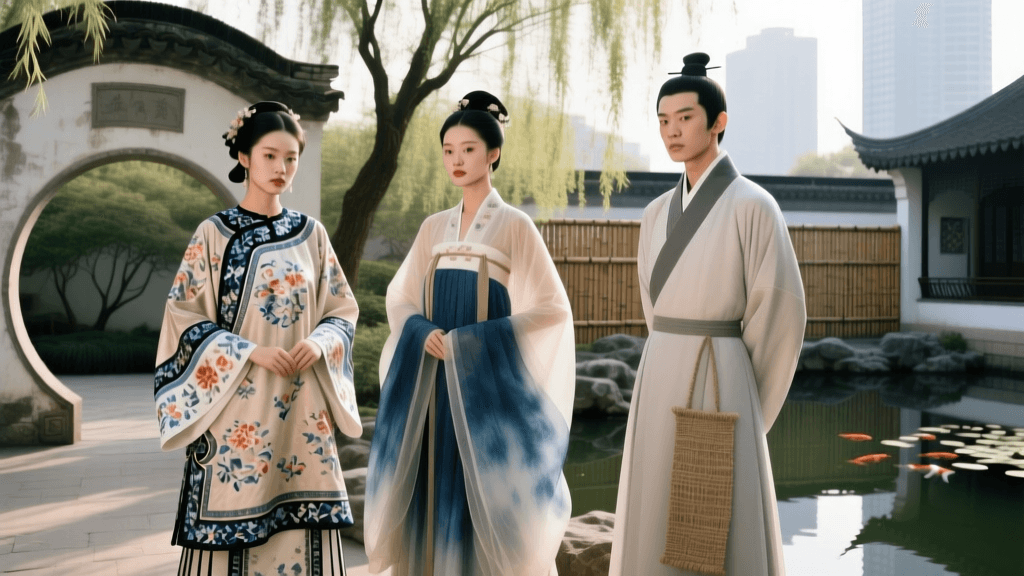
The landscape of Asian fashion journalism has undergone a seismic shift. In 2026, the most influential voices documenting, critiquing, and popularizing traditional Chinese garments are no longer confined to the glossy pages of print magazines or exclusive runway reviews. Instead, they are digital creators, independent historians, and styling experts operating on platforms like Xiaohongshu, Bilibili, and Douyin. This new wave of Chinese fashion journalism is not only driving the multi-billion-dollar Hanfu market but is also fundamentally changing how global audiences understand, source, and wear traditional Asian textiles.
The Evolution of Chinese Fashion Journalism
Historically, fashion journalism in China focused heavily on Western luxury houses and global runway trends. However, the rise of the Guochao (national trend) movement has birthed a specialized cadre of digital journalists who treat traditional garments with the same rigorous critique and trend-forecasting once reserved for Parisian haute couture. According to industry analyses covered by Jing Daily, the modern Chinese fashion creator acts as a hybrid journalist-stylist, investigating textile supply chains, interviewing Suzhou embroidery artisans, and fact-checking the historical accuracy of period dramas.
These creators are holding the booming Hanfu industry accountable. In 2026, with the market projected to exceed new financial heights, digital journalists are exposing fast-fashion knockoffs, championing heritage weavers, and educating consumers on the intricate differences between a historically accurate Ming Dynasty Aoqun and a modernized, mass-produced costume. As noted in global coverage of the movement by Reuters, this grassroots journalism has transformed Hanfu from a niche hobby into a mainstream cultural phenomenon with global export potential.
The Big Three: Where Traditional Fashion Thrives in 2026
To understand the 2026 trends in traditional Chinese clothing, one must follow the digital journalists on the platforms where they publish their deep dives and visual essays.
Xiaohongshu (Little Red Book): The Styling Authority
Xiaohongshu remains the undisputed king of visual fashion journalism in China. In 2026, the platform's top Hanfu creators focus heavily on 'commuter Hanfu' and everyday integration. Creators publish long-form photo essays detailing how to style a traditional Mamianqun (horse-face skirt) with modern tailored blazers or cashmere turtlenecks. The journalism here is consumer-focused: creators rigorously test fabric breathability, drape, and colorfastness, providing followers with meticulous reviews of emerging independent Hanfu boutiques versus established legacy brands.
Bilibili: The Historical Deep-Dive Hub
If Xiaohongshu is the style magazine, Bilibili is the academic journal. Bilibili hosts long-form video journalists who produce 30-to-40-minute mini-documentaries on textile history. In 2026, the most popular Bilibili fashion channels are dedicated to extreme climate adaptations in historical dress, such as analyzing the layering techniques of Song Dynasty winter wear or the cooling properties of ancient ramie fabrics. These creators frequently collaborate with museum curators and university historians to replicate ancient garments using traditional looms, offering an unparalleled look into the engineering of Asian traditions.
Douyin and Global TikTok: The Cinematic Storytellers
While Douyin dominates the domestic market with rapid-fire styling transitions and behind-the-scenes looks at artisan workshops, global TikTok has become the bridge for international enthusiasts. Creators use these platforms to demystify the dressing process, breaking down the complex knotting and tying of Ruqun chests and sashes into accessible, step-by-step visual guides.
2026 Trend Forecast: What Creators Are Championing Now
By analyzing the content of top-tier digital journalists, we can identify the dominant traditional fashion trends shaping 2026.
1. Song Dynasty Minimalism and 'Quiet Luxury'
Moving away from the heavy, ornate brocades of the Ming Dynasty, 2026 has seen a massive pivot toward Song Dynasty minimalism. Creators are championing the Beizi (a long, open-front jacket) paired with pleated skirts. Fashion bloggers praise this silhouette for its 'quiet luxury' aesthetic, noting that its clean lines, subtle monochromatic palettes, and lightweight silk blends perfectly align with modern minimalist wardrobes. The emphasis is on the quality of the weave rather than overt embellishment.
2. Eco-Friendly Dyeing and the Xiangyunsha Revival
Sustainability is a major pillar of 2026 fashion journalism. Digital investigators are highlighting the environmental impact of synthetic dyes and pushing for a return to natural, eco-friendly methods. A major focus this year is Xiangyunsha (gambiered Canton silk), a complex, mud-and-plant-dyed textile. As documented by textile historians and institutions like The Metropolitan Museum of Art, Chinese silk production has a rich, millennia-old history, but modern creators are updating the narrative by visiting the remaining dye pits in Guangdong, documenting the arduous, sun-baked process required to create this rustling, water-resistant fabric. Creators are teaching their audiences how to identify genuine Xiangyunsha by its distinct scent and crackled patina, driving up demand for ethically produced, naturally dyed heritage textiles.
Platform Comparison for Global Enthusiasts
For international readers and designers looking to research Asian traditions, navigating the Chinese digital sphere can be daunting. Below is a structured guide to help you leverage these platforms in 2026.
| Platform | Primary Content Format | Journalism Focus | Best For |
|---|---|---|---|
| Xiaohongshu | Visual Essays, Photo Carousels | Consumer Reviews, Daily Styling, Brand Critiques | Outfit Inspiration, Sourcing Independent Boutiques |
| Bilibili | Long-form Video, Documentaries | Historical Accuracy, Textile Engineering, Artisan Interviews | Deep Historical Research, Understanding Garment Construction |
| Douyin / TikTok | Short-form Video, Livestreams | Trend Spotting, Artisan Workshop Tours, Styling Tutorials | Visualizing Fabric Drape, Step-by-Step Dressing Guides |
How to Navigate and Learn from Chinese Creators
For global enthusiasts, the language barrier was once a significant hurdle to accessing this wealth of fashion journalism. However, the digital landscape in 2026 offers several actionable solutions:
- Leverage AI Translation Tools: Modern browser extensions and native app features now offer highly accurate, context-aware translations for fashion terminology. Terms like Mamianqun or Pifeng are now widely recognized by AI models, allowing for seamless reading of Xiaohongshu reviews.
- Follow the Hashtags: Use specific tags like #HanfuDaily, #GuochaoStyling, and #TraditionalTextiles to curate your feed. Engaging with these tags trains the algorithm to serve you high-quality journalistic content rather than generic e-commerce ads.
- Cross-Reference with Museum Archives: When a Bilibili creator references a specific historical artifact or tomb mural to justify a garment's cut, use international museum databases to verify and deepen your understanding of the textile's provenance.
- Support Independent Artisans: Use the supply-chain investigations published by digital journalists to find direct links to heritage workshops. Many creators now offer curated group-buying (tuangou) links that connect international buyers directly to weavers, bypassing mass-market middlemen.
Conclusion
The era of passive fashion consumption is over. In 2026, Chinese fashion journalism blogs and content creators have transformed the appreciation of traditional garments into an interactive, educational, and highly critical discipline. By blending rigorous historical research with modern styling sensibilities and a fierce commitment to sustainable textile practices, these digital journalists are ensuring that Asian traditions do not merely survive as museum relics, but thrive as a dynamic, evolving force on the global fashion stage. For anyone serious about the intersection of culture, history, and style, following these creators is no longer optional—it is essential.