2026 Hanfu Resale: Authenticating Vintage Ming Mamian Qun
The 2026 State of the Hanfu Secondhand Market
By 2026, the global Hanfu movement has matured from a niche historical revival into a robust, multi-billion-dollar fashion ecosystem. As the primary market for traditional Chinese clothing has saturated with mass-produced fast-fashion replicas, serious collectors and enthusiasts have pivoted toward the secondary market. The Hanfu secondhand and vintage resale market is no longer just a place to offload ill-fitting garments; it is a highly competitive arena for archival collecting, investment, and the preservation of discontinued textile art. Platforms like Xianyu (Idle Fish) in China, alongside specialized global resale groups and curated Etsy storefronts, have seen a massive surge in high-end Ming Dynasty reproduction trades. For collectors, navigating this space requires a deep understanding of textile history, brand prestige, and modern authentication techniques.
Why the Ming Mamian Qun Dominates Resale
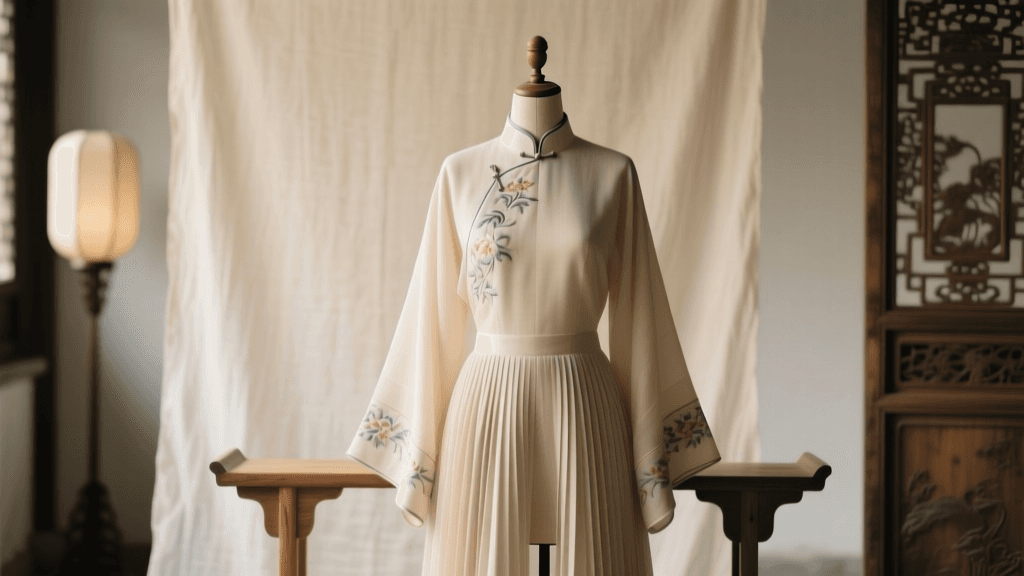
The Ming Dynasty Mamian Qun (horse-face skirt) remains the undisputed crown jewel of the Hanfu resale market. Characterized by its flat front and back panels (the 'horse faces') and deeply pleated sides, it is a marvel of traditional Chinese textile engineering. According to historical textile archives documented by the Metropolitan Museum of Art, the structural integrity and intricate weaving techniques of historical Chinese silk garments set a precedent that modern premium Hanfu brands strive to replicate today. In 2026, premium Mamian Qun featuring genuine zhijin (woven gold) threads, heavy brocade, and accurate historical patterning are highly sought after. Because top-tier brands produce these skirts in limited, numbered batches, discontinued colorways—known in the community as jueban—frequently appreciate in value, making them prime targets for vintage collectors and resale investors.
Authentication: Spotting Counterfeits in 2026
With the high resale value of premium Hanfu, the secondary market has inevitably attracted sophisticated counterfeiters. When browsing secondhand listings, authentication is paramount to protect your investment.
Fabric and Weave Analysis (Zhijin vs. Printed Gold)
True zhijin involves weaving metallic threads directly into the silk or synthetic brocade base on a jacquard loom. In 2026, counterfeiters have vastly improved their digital foil-printing techniques, making visual inspection of the skirt's exterior insufficient. A close inspection of the reverse side of the fabric will always reveal the truth. Genuine woven gold will show a mirrored, albeit slightly messier, pattern on the back with visible thread floats and interlacing. Printed gold, conversely, will show a flat, white, or unpatterned fabric backing where the metallic foil has only been heat-stamped onto the surface. Collectors should always request macro-photography of the skirt's interior hem from the seller.
Pleat Construction and Heat-Setting Hardware
A genuine high-end Mamian Qun from top-tier brands like Ming Hua Tang, Shisan Yu, or Ting Yue utilizes advanced heat-setting and traditional folding techniques to ensure the pleats do not 'blow open' in the wind. In the secondhand market, check the crispness of the pleat edges. If the pleats are fraying, losing their sharp edge, or require constant pinning, the garment may be a low-tier factory knockoff or poorly maintained. Furthermore, authentic 2026 archival releases often feature reinforced inner waistbands with specialized alloy hardware or traditional fabric ties that bear the brand's subtle watermark, whereas fakes often use cheap, easily tarnished zinc alloy buckles.
Brand Tags, Holograms, and Lot Numbers
Major Hanfu brands have implemented NFC-embedded tags and dynamic QR codes to combat the Shanzhai (counterfeit) market. Always ask the seller for a clear photograph of the brand tag and the inner waistband lot number. Cross-reference this lot number with the brand’s official 2026 archival database or community-run wikis tracked by the broader Hanfu Movement to ensure the production batch matches the specific design and fabric weight. If a seller claims the tag was 'removed for comfort,' proceed with extreme caution, as this is a common tactic used to pass off high-end counterfeits.
2026 Pricing Guide and Resale Value Table
Understanding the financial landscape of the Hanfu secondhand market is crucial for both buyers and sellers. Prices fluctuate based on brand prestige, material composition (mulberry silk vs. polyester blends), and the rarity of the design. Below is a snapshot of the 2026 resale market for highly coveted Ming-style Mamian Qun.
| Brand & Model | Original Retail (RMB) | 2026 Secondhand Average (RMB) | Market Status |
|---|---|---|---|
| Ming Hua Tang 'Swallow & Willow' (Silk) | ¥1,880 | ¥2,400 - ¥2,800 | Highly Appreciating (Jueban) |
| Shisan Yu 'Peony Pavilion' (Brocade) | ¥698 | ¥450 - ¥550 | Stable / High Liquidity |
| Ting Yue 'Moonlit Frost' (Zhijin) | ¥1,250 | ¥1,100 - ¥1,300 | Stable (In-Production) |
| Generic Factory 'Dragon Motif' (Printed) | ¥150 | ¥40 - ¥80 | Depreciating / Oversaturated |
Best Practices for Buying and Selling on Xianyu
Navigating Xianyu (Idle Fish) requires specific cultural and algorithmic knowledge in 2026. The platform's search algorithm heavily favors sellers who use precise Hanfu terminology and provide comprehensive measurement data.
- Keyword Optimization: When listing a skirt, avoid generic terms like 'vintage Chinese skirt.' Use precise terminology: Mingzhi Hanfu, Mamian Qun, Zhijin, Jueban (discontinued), and include the exact waist and length measurements in centimeters.
- The 'Knife' Culture (Negotiation): In Chinese secondhand markets, buyers will often ask to 'knife' (negotiate the price). As a seller, price your archival pieces 10-15% above your target sale price to allow room for polite bargaining, which is an expected part of the Xianyu transaction ritual.
- Shipping and Insurance: For skirts valued over ¥1,000, always use SF Express (Shunfeng) and purchase transit insurance. The heavy brocade and delicate woven gold threads can be easily crushed or snagged if packaged poorly. Sellers should wrap the skirt in acid-free tissue paper and ship it in a rigid box, never a standard poly-mailer.
Caring for Your Secondhand Archival Hanfu
Acquiring a vintage or secondhand Mamian Qun is only the first step; preserving it is an ongoing responsibility. The Victoria and Albert Museum's Asian collections conservation guidelines emphasize that historical and reproduction silk textiles are highly susceptible to light degradation and pest damage. Never store your woven gold Hanfu on wire hangers, as the heavy fabric will distort the waistband and pull the pleats out of alignment. Instead, fold the skirt along its original pleat lines, wrap it in unbleached cotton or acid-free paper, and store it flat in a cedar-lined drawer to naturally repel moths. If the garment requires cleaning, avoid standard dry cleaning chemicals which can strip the metallic coating from zhijin threads; instead, seek out a textile conservator or a specialized Hanfu cleaning service that utilizes gentle, pH-neutral aqueous treatments.
Conclusion
The 2026 Hanfu secondhand market offers an unparalleled opportunity to own, study, and preserve the sartorial heritage of the Ming Dynasty. By mastering authentication techniques, understanding the nuances of platforms like Xianyu, and treating these garments with the archival respect they deserve, collectors can build wardrobes that are not only visually stunning but historically and financially significant. Whether you are hunting for a rare Ming Hua Tang silk piece or selling a well-loved Shisan Yu brocade, the secondary market remains the vibrant, beating heart of the modern Hanfu community.