Women's LDS Garment Fit Guide 2026: Styles & Sizing
Introduction to Women's Temple Garments in 2026
For women of The Church of Jesus Christ of Latter-day Saints, temple garments hold profound spiritual significance. They serve as a daily, tangible reminder of the sacred covenants made with God inside the temple. As we navigate 2026, the intersection of faith, modesty, and modern fashion has never been more seamless. Over the past few years, the Church's Distribution Services have continuously refined their offerings based on global member feedback, resulting in a 2026 lineup that offers unprecedented versatility, improved stretch retention, and advanced moisture-wicking properties.
Whether you are preparing to receive your own endowment or are a seasoned patron looking to update your wardrobe with the latest fabric technologies, understanding the nuances of fit, fabric, and style is essential. According to the Church of Jesus Christ Gospel Topics, the garment is a shield and a protection, and wearing it properly is a key aspect of temple preparation. This comprehensive guide will walk you through the current styles, sizing methodologies, and care instructions to ensure your garments are as comfortable as they are meaningful.
Comprehensive Fabric Comparison Guide
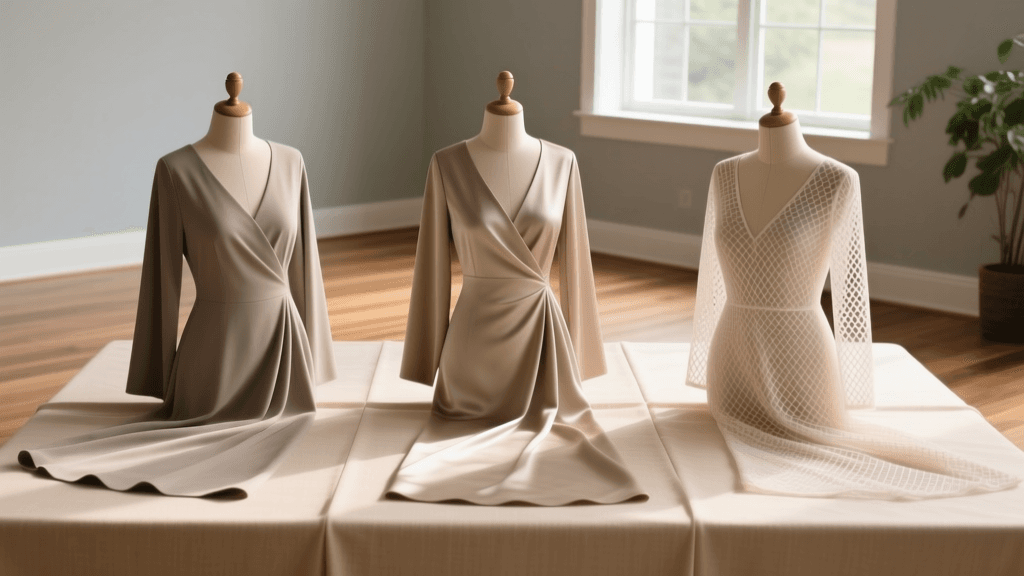
Choosing the right fabric is arguably the most critical decision when purchasing temple garments. Your local climate, daily activity level, and skin sensitivity will all dictate which material serves you best. In 2026, the Distribution Center offers four primary fabric blends for women, each engineered for specific environments and lifestyles.
| Fabric Type | Best Climate / Use Case | Durability & Feel | 2026 Price Tier |
|---|---|---|---|
| Stretch Cotton | Temperate climates, everyday office wear | High durability, soft, familiar feel | Standard |
| Modal | Hot/humid climates, sensitive skin | Silky, lightweight, excellent drape | Premium |
| Nylon Mesh | Athletic wear, tropical humidity | Highly breathable, quick-drying | Standard |
| Cotton Mesh | Warm climates, traditional preference | Textured, breathable, classic | Standard |
Stretch Cotton: The Everyday Workhorse
Stretch cotton remains the most popular choice among women in 2026. It offers a familiar, substantial feel that mimics high-quality everyday underwear while providing the necessary opacity for wearing under lighter-colored clothing. The addition of spandex ensures that the garment retains its shape throughout the day, preventing the sagging that was common with older, 100% cotton iterations.
Modal: The Luxury Upgrade
Derived from beech tree pulp, modal fabric has become a staple for women seeking a luxurious, cooling sensation. Modal garments are exceptionally soft, making them ideal for those with sensory sensitivities or skin conditions like eczema. They drape beautifully under the flowing silhouettes and wide-leg trousers that dominate 2026 fashion trends, eliminating visible panty lines and bunching.
Mesh Options: Beating the Heat
For women living in tropical regions or those who engage in heavy physical activity, mesh is indispensable. Nylon mesh offers a modern, athletic feel with rapid moisture-wicking capabilities, while cotton mesh provides a more traditional, textured breathability. Both options are significantly lighter than stretch cotton, though they may require a slip or darker outerwear due to their sheer nature.
Navigating Necklines and Sleeve Lengths
The evolution of women's garment tops has been one of the most celebrated updates in recent years. The Church now offers several distinct cuts to accommodate the diverse necklines and sleeve lengths found in contemporary women's apparel. The official Church Temple Garments Guide outlines these options to help members maintain their covenants without sacrificing personal style.
- Camisole: Featuring wide straps and a higher, straight neckline, the camisole is perfect for wearing under tank tops, sleeveless blouses, and wide-neck sweaters. It provides excellent shoulder coverage while remaining entirely hidden.
- Cap-Sleeve: The most versatile and widely worn option. The cap-sleeve offers a standard T-shirt silhouette with a modest scoop or crew neck, ideal for everyday blouses, button-downs, and casual wear.
- Short-Sleeve: Designed for maximum coverage, this style extends further down the arm and features a higher neckline. It is essential for wearing under sheer sleeves, tight-fitting athletic wear, or deep-V necklines where a cap-sleeve might peek out.
- Scoop Neck: A lower-cut option designed specifically to remain hidden under open-collar blouses and wrap dresses, ensuring the garment remains unseen while still covering the required areas of the body.
Step-by-Step Measuring and Sizing Guide
A proper fit is vital for both comfort and the sacred nature of the garment. Garments that are too tight can cause chafing and restrict movement, while garments that are too loose may bunch uncomfortably or fail to provide the intended physical reminder. To ensure accuracy, use a soft fabric measuring tape and measure over your undergarments, not over bulky clothing.
How to Measure Accurately
- Bust: Measure around the fullest part of your chest, keeping the tape measure parallel to the floor. Do not pull the tape too tightly.
- Waist: Find your natural waistline, which is typically the narrowest part of your torso, just above the belly button and below the rib cage.
- Hips: Measure around the fullest part of your hips and buttocks. This is especially crucial for sizing women's bottoms to prevent the fabric from riding up.
Sizing Tip: If your measurements fall between two sizes, it is generally recommended to size up for comfort, particularly if you are purchasing stretch cotton, which can shrink slightly during the first few wash cycles. However, if you are purchasing modal, which has immense stretch and recovery, you may prefer to size down for a sleeker, second-skin fit.
Troubleshooting Common Fit Issues
Even with precise measurements, women's bodies are dynamic, and finding the perfect fit can sometimes require trial and error. Here are solutions to the most common fit complaints reported in 2026:
- Bottoms Riding Up: This is often caused by wearing a size too small or a cut that does not accommodate your hip-to-waist ratio. Try switching from the standard brief cut to the bikini cut, which sits lower on the hips and features wider leg openings that lay flat against the thigh.
- Neckline Gaping: If the cap-sleeve top gaps at the collarbone, you may have a narrower shoulder frame. Consider switching to the camisole style, which lays flush against the chest, or use a small, discreet safety pin or fashion tape on the inside of your outer shirt to anchor the fabric.
- Sleeve Bunching: If the cap-sleeve bunches under tight armholes, ensure you are not sizing up too drastically in the top. Alternatively, switch to the sleeveless/camisole option and rely on your outerwear's sleeves for coverage.
Garment Care and Longevity Best Practices
Proper care extends the life of your garments and maintains the integrity of the sacred markings. The elastic bands and specialized fabrics used in 2026 require specific washing routines to prevent degradation. According to guidelines often referenced in the Temple Preparation Manual, treating these items with respect extends to how they are laundered and stored.
- Washing: Always wash garments in cold water. Hot water breaks down the spandex and elastane fibers, leading to sagging and loss of shape. Use a mild, color-safe detergent.
- Avoid Bleach and Harsh Chemicals: Never use chlorine bleach, as it will yellow the white fabric and destroy the elastic. For stain removal, use oxygen-based bleach or a gentle enzymatic spot-treater, applying it only to the stained area and avoiding the marked areas and elastic bands.
- Drying: Air drying is the gold standard for garment longevity. Hang them on a padded hanger or lay them flat on a drying rack. If you must use a dryer, select the lowest heat setting or an 'air fluff' cycle. High heat is the enemy of modal and stretch cotton.
- Rotation: To prevent premature wear, maintain a rotation of at least 4 to 6 tops and bottoms. This allows the elastic fibers time to 'rest' and recover their shape between wearings.
Where to Purchase and Exchange Policies
As of 2026, temple garments can be purchased through the official Church Distribution Services website, via the Distribution app, or in person at local distribution centers and temple visitor centers. If you purchase a size that does not fit correctly, the Church maintains a generous exchange policy. Unworn and unwashed garments can be exchanged for a different size or fabric type within 60 days of purchase. Simply bring your receipt to a local center or initiate a return through the online portal. By taking the time to understand your body's measurements and the unique properties of each fabric, you can curate a garment wardrobe that supports your spiritual journey with comfort, confidence, and grace.