NYC vs LA Garment Districts 2026: Sourcing Ethical Textiles
The Evolution of American Fashion Hubs in 2026
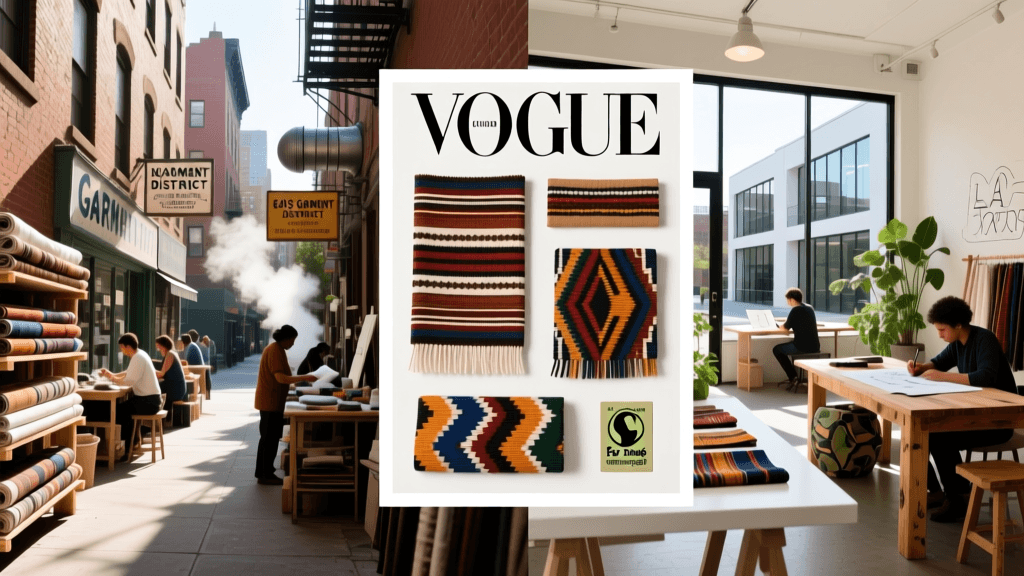
The landscape of domestic textile sourcing has undergone a radical transformation by 2026. Driven by the enforcement of the 2026 Federal Supply Chain Transparency Act and a growing consumer demand for culturally respectful, sustainably produced garments, designers and cultural institutions are increasingly turning to American fashion hubs. For those specializing in the Americas and Indigenous clothing categories, navigating the garment districts of New York City and Los Angeles requires a nuanced understanding of local zoning, ethical certifications, and intellectual property rights. This comprehensive guide breaks down how to source traditional, artisanal, and indigenous-inspired textiles in the two most vital fashion hubs in the United States.
New York City: The Garment Center's Sustainable Renaissance
The New York Garment District, historically bounded by 34th and 42nd Streets between Fifth and Ninth Avenues, has successfully fought off decades of real estate pressures. Thanks to the ongoing initiatives championed by organizations like Save the Garment Center, the neighborhood has preserved its manufacturing base while pivoting heavily toward sustainable and artisanal textile production. In 2026, NYC remains the premier destination for high-end deadstock, upcycled materials, and small-batch artisanal weaves that reflect the diverse cultural tapestry of the Americas.
Key Blocks and Sourcing Strategies
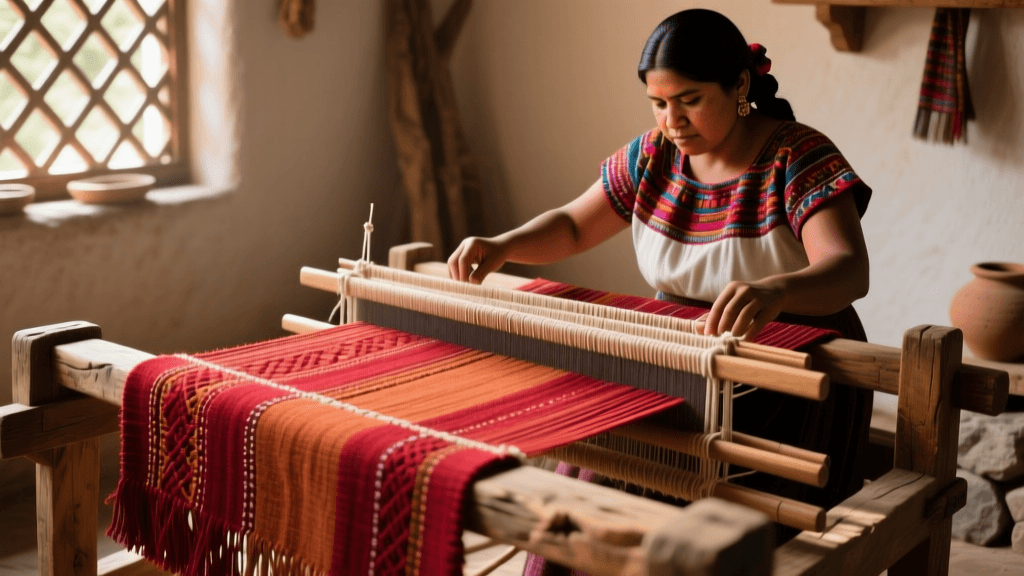
When sourcing textiles that honor traditional American and Indigenous craftsmanship, the wholesale buildings on 38th and 39th Streets are your primary targets. Unlike the fast-fashion jobbers of the past, the 2026 NYC showroom ecosystem prioritizes transparency. Many showrooms now feature digital passports for their fabrics, allowing buyers to trace the origin of natural dyes, organic cottons, and hand-loomed wools back to specific cooperatives in the Americas.
- 38th Street (Between 7th and 8th Ave): The epicenter for premium deadstock and sustainable synthetics. Look for showrooms specializing in upcycled denim and heritage canvas, ideal for contemporary workwear inspired by early American and Indigenous trade cloth.
- 39th Street (Between Broadway and 8th Ave): Home to several boutique importers who work directly with weaving cooperatives in the Andean regions and Mesoamerica. These vendors are verified by the 2026 Fair Trade Textile Alliance, ensuring that Indigenous artisans receive equitable compensation and retain the rights to their traditional motifs.
- Strategy Tip: Always request the 'Cultural Origin Ledger' when purchasing patterned textiles. In 2026, reputable NYC vendors will provide documentation proving that Indigenous-inspired prints were either licensed directly from Native artists or are historically accurate reproductions created in collaboration with tribal councils.
Los Angeles: The West Coast Hub for Artisanal and Nearshore Textiles
The Los Angeles Fashion District, spanning roughly 100 blocks south of downtown, operates with a completely different energy. Influenced heavily by its proximity to Latin America and the robust enforcement of California's expanded 2026 Garment Worker Protection Act, LA has become the undisputed capital of nearshore manufacturing and ethical Latin American textile imports. According to the Los Angeles Fashion District business improvement district, the area has seen a 30% increase in showrooms dedicated exclusively to sustainable, plant-dyed, and hand-woven fabrics sourced from Mexico, Guatemala, and Peru.
Navigating Maple Avenue and 9th Street
LA's district is vast and often overwhelming, but knowing the specific corridors dedicated to ethical and traditional textiles will save you days of walking. The focus here is on vibrant, culturally rich textiles that bridge the gap between traditional Indigenous dress and modern contemporary fashion.
- Maple Avenue (South of 9th St): This corridor is famous for its direct-import warehouses. In 2026, several prominent warehouses here specialize in authentic Oaxacan cottons, Chiapas brocades, and Andean alpaca wools. The key to sourcing here is verifying the 'Direct-Trade Certification' displayed in the windows of compliant vendors, which guarantees the absence of middleman exploitation.
- 9th Street (Between Main and Los Angeles St): The hub for sustainable denim and heavy-duty canvas. Many mills here have integrated traditional Indigenous dyeing techniques, such as indigo fermentation and cochineal extraction, into their commercial dye houses, offering designers a way to utilize authentic colorways at scale.
- Strategy Tip: LA vendors are highly accustomed to nearshore production cycles. If you are designing a collection that incorporates traditional Native American ribbon work or Latin American embroidery, use the 9th Street trim vendors to source ethically produced silk ribbons and naturally spun threads that complement your primary fabrics.
NYC vs. LA: 2026 Sourcing Comparison Matrix
Choosing between the East and West Coast hubs depends heavily on your brand's specific needs regarding minimums, lead times, and cultural focus. The table below outlines the core differences between the two districts as of 2026.
| Feature | NYC Garment District | LA Fashion District |
|---|---|---|
| Primary Specialties | Deadstock, upcycled wools, high-end tailoring fabrics, heritage trade cloth. | Latin American imports, hand-woven cottons, natural dyes, sustainable denim. |
| Average MOQs (2026) | Low to Medium (50-300 yards for boutique showrooms) | Medium to High (100-1000 yards for import warehouses) |
| Lead Times | Immediate (In-stock deadstock and local mill runs) | 2-6 Weeks (Often reliant on cross-border nearshore logistics) |
| Indigenous Focus | North American Native trade cloth, historical reproductions, licensed artist collaborations. | Mesoamerican and Andean weaves, direct-trade cooperatives, contemporary Latin American textiles. |
| 2026 Compliance | NYC Zoning Manufacturing Mandates, Digital Product Passports. | CA Supply Chain Transparency Act, Direct-Trade Certifications. |
Ethical Sourcing and Indigenous Intellectual Property
A critical aspect of sourcing in the Americas and Indigenous category is navigating the complex ethics of cultural intellectual property. In 2026, both the FTC and the Indian Arts and Crafts Board have implemented stricter guidelines regarding the marketing and sale of Native American-inspired goods. When sourcing patterned textiles in either NYC or LA, designers must ensure they are not inadvertently purchasing mass-produced, culturally appropriated knock-offs.
The Ellen MacArthur Foundation has repeatedly highlighted that true circularity in fashion must include social equity and the protection of traditional knowledge. To source ethically:
- Verify the Artisan: Ensure the textile was produced by a recognized Indigenous cooperative or a licensed Native artist.
- Understand the Motif: Certain patterns hold sacred or ceremonial significance. Reputable vendors in the 2026 market will provide a 'Cultural Context Sheet' explaining the appropriate use of the textile.
- Revenue Sharing: Look for vendors who utilize smart contracts or transparent ledger systems to ensure a percentage of your wholesale fabric purchase is automatically routed back to the Indigenous community that originated the design.
Step-by-Step Guide to Vendor Negotiations in 2026
Whether you are walking the showrooms of 38th Street in Manhattan or the warehouses of Maple Avenue in Los Angeles, the approach to vendor negotiation has evolved. Here is a practical, step-by-step framework for securing the best ethical textiles for your brand.
Step 1: Prepare Your Transparency Portfolio. Vendors in 2026 vet their buyers as much as buyers vet them. Bring your brand's sustainability charter and proof of ethical manufacturing practices. Showrooms prioritizing Indigenous and traditional textiles want to ensure their fabrics are going to respectful designers.
Step 2: Request the Digital Product Passport (DPP). Scan the QR codes on the fabric bolts. This will reveal the fiber origin, dye toxicity levels, and the specific cooperative or mill that produced the yardage.
Step 3: Negotiate Based on Yield, Not Just Yardage. Because many traditional, hand-loomed textiles have narrower widths (often 24 to 36 inches compared to the standard 60 inches), negotiate your pricing based on the usable yield for your specific pattern pieces rather than a flat per-yard rate.
Step 4: Secure Exclusivity for Traditional Patterns. If you are investing heavily in a specific Indigenous-inspired print or regional weave, negotiate a regional exclusivity clause to prevent the vendor from selling the same culturally significant textile to fast-fashion competitors in your market.
Conclusion: The Future of American Textile Sourcing
The garment districts of New York City and Los Angeles in 2026 are no longer just transactional marketplaces; they are vital ecosystems that bridge the gap between historical textile traditions and the future of sustainable fashion. By understanding the unique strengths of each hub—from NYC's mastery of heritage deadstock and North American trade cloth to LA's direct-trade pipelines with Latin American cooperatives—designers can build collections that are not only visually stunning but culturally respectful and environmentally sound. As the industry continues to prioritize transparency, mastering these American fashion hubs is essential for any brand dedicated to the authentic and ethical celebration of Americas and Indigenous clothing traditions.