Kimono Travel Essentials 2026: What to Pack & Where to Wear
The 2026 Evolution of Travel-Ready Japanese Garments
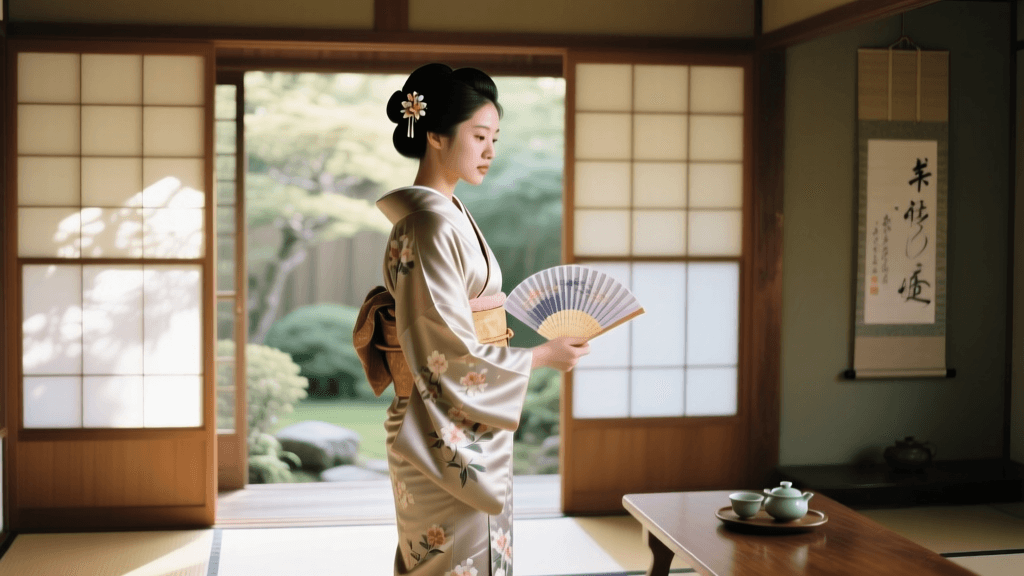
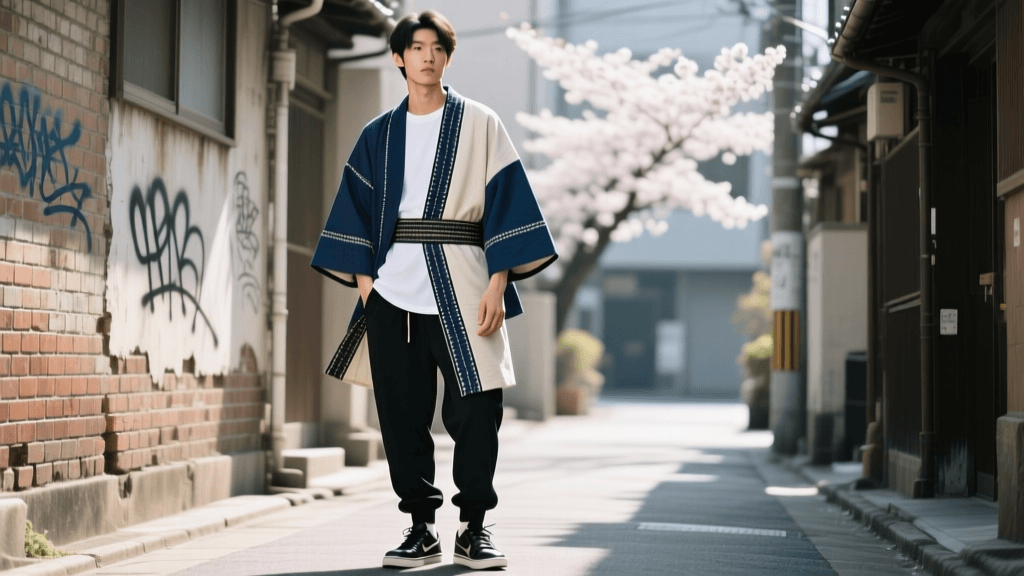
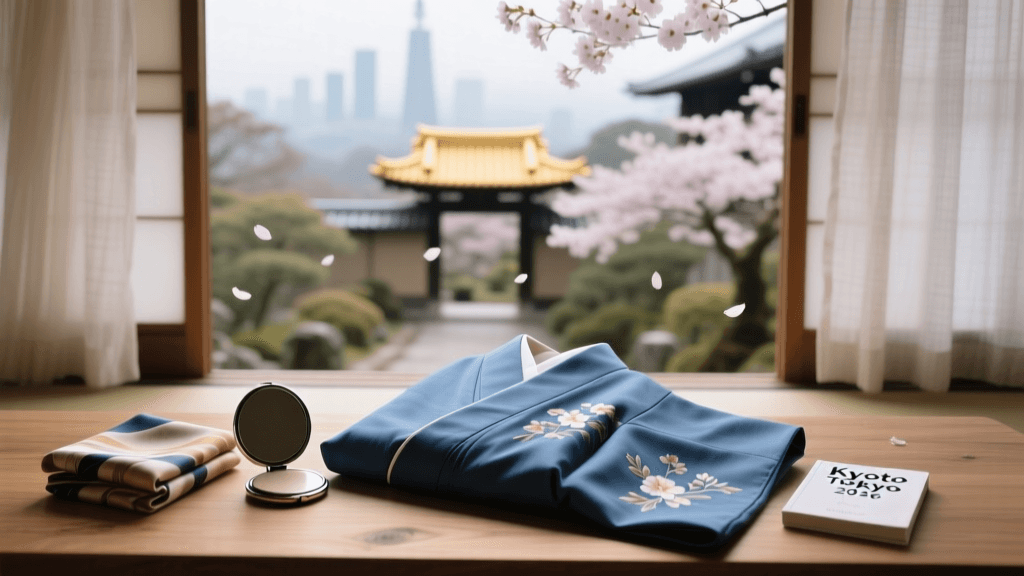
Traveling to Japan in 2026 offers an unprecedented opportunity to immerse yourself in the nation’s rich textile heritage. While renting a kimono in tourist hubs remains popular, bringing your own travel-friendly garments allows for a more authentic, personalized, and hygienic experience. The year 2026 has seen remarkable advancements in Japanese textile manufacturing, specifically in the realm of washable silks and high-grade synthetic blends. Modern travel kimonos now feature wrinkle-resistant chirimen (crepe) weaves and machine-washable polyester blends that perfectly mimic the luxurious drape and breathable comfort of traditional habutae silk. This means you can pack a beautiful, culturally respectful garment in your carry-on without the fear of permanent creases or the burden of expensive dry-cleaning on the road.
The Ultimate Kimono Travel Packing List
Packing a kimono requires more than just the outer garment. The traditional layering system, known as kimono no kitsuke, involves several essential components. To streamline your luggage for a 2026 trip, we have curated a checklist focusing on lightweight, multi-purpose, and travel-friendly alternatives to traditional heavy silks.
| Item Category | Essential Item | 2026 Travel Recommendation | Purpose |
|---|---|---|---|
| Main Garment | Komon or Yukata | Wrinkle-free polyester crepe or washable silk | Versatile daywear; easy to care for in hotel sinks |
| Undergarment | Han-juban (Half-slip) | Moisture-wicking bamboo blend | Protects outer garment from sweat; keeps you cool |
| Tying Cords | Koshihimo | Elasticized stretch-cord koshihimo | Secures the kimono at the waist without digging in |
| Wide Belt | Datejime | Velcro-fastening magic datejime | Smooths the waistline and holds cords in place |
| Outer Sash | Hanhaba Obi | Pre-tied (Tsukuri) reversible obi | Provides a formal look without complex tying skills |
| Footwear | Zori or Geta | Lightweight EVA foam geta with adjustable straps | Traditional aesthetic with modern sneaker-like comfort |
Footwear and Tabi Socks
Traditional tabi socks feature metal clasps called kohaze, which can be fiddly to fasten in a dimly lit hotel room or a public restroom. For travel in 2026, pack stretch-knit tabi socks. They slip on like standard socks, maintain the iconic split-toe silhouette required for traditional thonged sandals (zori or geta), and are easily machine-washable. Furthermore, modern EVA-foam geta provide the elevated, traditional wooden aesthetic but weigh a fraction of the cost and absorb shock while walking on Kyoto’s cobblestone streets.
Modern Dressing Hacks for the Hotel Room
Dressing oneself in a kimono (jiko-kitsuke) is an art form that takes years to master. However, modern travel accessories have democratized the process, allowing tourists to dress elegantly and securely without professional assistance. The most vital tool for the traveling enthusiast is the Korin Belt. This ingenious elastic belt features clips and loops that secure the front overlap of the kimono firmly in place. It prevents the collar from popping open while walking and eliminates the need for constant readjustment.
Additionally, consider packing a Tsukuri Obi (pre-tied obi). Unlike traditional long sashes that require complex knotting techniques like the otaiko musubi (drum knot), a tsukuri obi is pre-structured. You simply wrap the base around your waist, secure it with a clasp or tie, and attach the pre-formed bow at the back. It saves up to twenty minutes of dressing time and guarantees a flawless, symmetrical silhouette every time.
Where to Wear Your Kimono in 2026: Top Locations
Choosing the right location is just as important as the garment itself. In 2026, managing crowds and respecting local ordinances are key components of a mindful travel experience.
Kyoto: Navigating the Cultural Heartland
Kyoto remains the undisputed capital of traditional Japanese aesthetics, but its popularity requires strategic planning. If you wish to photograph your kimono at the iconic Kiyomizu-dera temple or the winding streets of Sannenzaka, you must arrive by 7:00 AM. By 10:00 AM, the pedestrian density makes the sweeping sleeves of a kimono a liability.
For a more serene experience, head to the Daigo-ji Temple in the southeastern part of the city. Its sprawling, moss-covered grounds and towering pagodas offer breathtaking backdrops without the shoulder-to-shoulder crowds of central Higashiyama. When exploring Kyoto, it is imperative to follow local regulations. According to Kyoto City's official tourism manners guidelines, visitors must refrain from sitting on public benches while wearing rental or personal kimonos in certain historic districts to prevent fabric damage to public property and avoid blocking pedestrian flow. Furthermore, photography of geiko and maiko on the private streets of Gion is strictly prohibited and heavily fined.
Tokyo: Urban Elegance and Traditional Gardens
Tokyo offers a striking contrast where ancient textiles meet neon-lit modernity. Hamarikyu Gardens is a premier location for kimono photography. The juxtaposition of your traditional silhouette against the backdrop of the Shiodome skyscrapers and the historic tidal ponds perfectly encapsulates modern Tokyo. Another excellent, less-crowded alternative is Yanaka Ginza. This neighborhood retains a distinct shitamachi (old downtown) atmosphere, with narrow alleys, traditional sweet shops, and the stunning steps of Yanaka Cemetery during cherry blossom or autumn foliage seasons.
Essential Etiquette: Wearing It Right
Wearing a kimono is a sign of deep respect for Japanese culture, provided it is worn correctly. The most critical rule, applicable to both men and women, is the collar overlap: always left over right (hidarimae). Wrapping the right side over the left is strictly reserved for dressing the deceased for burial. As noted in Japan Guide's comprehensive kimono etiquette resource, ensuring the back seam is perfectly centered and the hem falls parallel to the floor are also vital markers of a respectful, well-executed kitsuke. For casual summer travel, you may opt for a yukata, which follows the same overlapping rules but requires fewer undergarments and accessories, as detailed in Japan Guide's traditional summer wear overview.
Caring for Your Garments on the Road
Maintaining your kimono in a hotel room is surprisingly simple with modern 2026 travel gear. Pack a lightweight, dual-voltage portable garment steamer. After a day of walking, hang your kimono on a wide, padded hanger (which you can request from most Japanese hotel front desks) and steam out any creases from the knees and waist. If you do not have a steamer, hanging the garment in the bathroom while you take a hot shower will allow the ambient steam to naturally release minor wrinkles from synthetic and washable silk blends. Always ensure the garment is completely dry before folding it back into your luggage to prevent mildew, especially during Japan’s humid early-summer tsuyu (rainy) season.