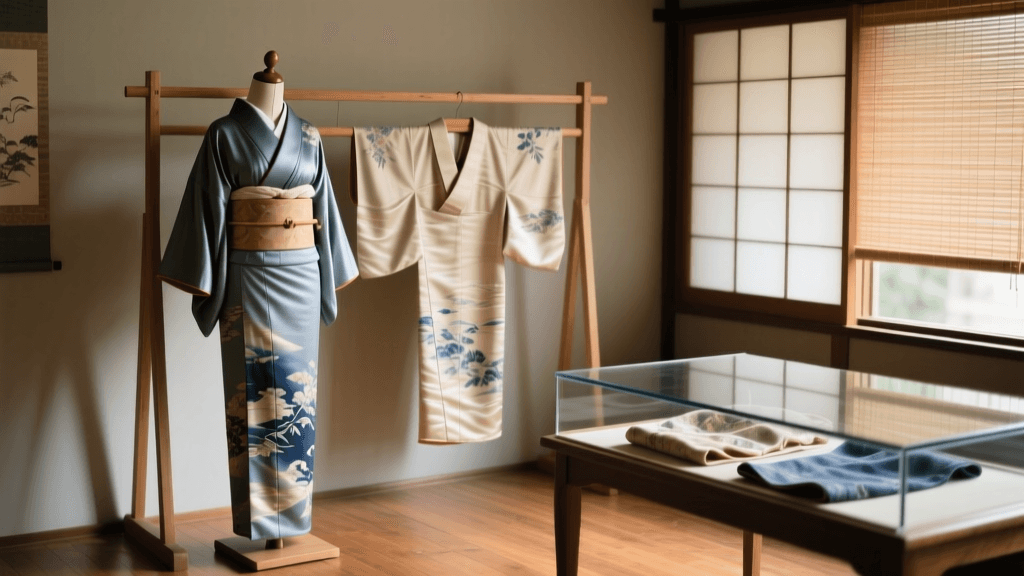
Kimono Travel Essentials 2026: What to Pack & Where to Wear
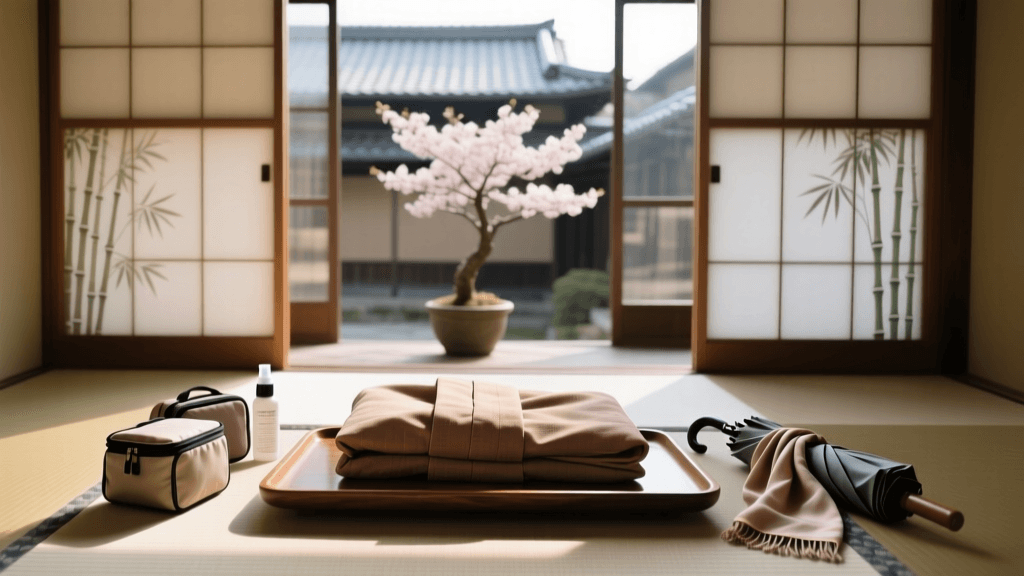
The Evolution of Kimono Travel in 2026
As global travel continues to evolve in 2026, the desire for deep, culturally immersive experiences has never been higher. For enthusiasts of Japanese traditional garments, traveling to Japan while wearing a kimono is the ultimate dream. However, the logistics of packing, maintaining, and wearing these intricate garments on the road have historically been daunting. Fortunately, the landscape of kimono travel has shifted dramatically. Thanks to innovations in textile technology and a growing market for travel-friendly traditional wear, packing a kimono for your 2026 Japan itinerary is more accessible than ever.
Whether you are a seasoned kitsuke (kimono dressing) practitioner or a beginner looking to incorporate traditional elements into your vacation wardrobe, this comprehensive guide covers the essential gear, modern fabric choices, and the best destinations to showcase your attire. According to the Victoria and Albert Museum's extensive research on the kimono, the garment has always been a dynamic, evolving piece of fashion that adapts to the lifestyle of its wearer—and the 2026 travel era is no exception.
Why Choose Travel-Friendly Kimonos?
Traditional silk kimonos require meticulous care, professional cleaning, and careful storage to prevent moisture damage and creasing. When traveling between Tokyo, Kyoto, and regional ryokans, hauling heavy silk and delicate obi sashes is impractical. In 2026, the gold standard for travel is the washable poly-crepe kimono or the increasingly popular washable silk blend. These fabrics mimic the drape and luster of pure silk but can be hand-washed in a hotel sink, dried overnight on a portable hanger, and folded into a standard carry-on without permanent wrinkling.
Furthermore, modern travelers are embracing the nihonshoku (two-piece) kimono style for transit days. These garments separate at the waist, making them significantly easier to put on in small hotel bathrooms and allowing for greater freedom of movement when navigating crowded train stations.
The Ultimate 2026 Kimono Packing List
Packing for a kimono-centric trip requires balancing authenticity with practicality. Below is the essential packing checklist designed for the modern traveler, prioritizing lightweight, multi-functional, and easy-care items.
| Item Category | Traditional Version | 2026 Travel-Friendly Alternative | Packing Tip |
|---|---|---|---|
| Main Garment | Heavy Silk Kimono | Washable Poly-Crepe or Two-Piece Set | Roll instead of fold to prevent hard creases. |
| Undergarment (Juban) | Silk Nagajuban | Moisture-wicking Hadajuban + Erisugata (Collar) | Saves space; eliminates the need for a full under-kimono. |
| Ties (Koshihimo) | Cotton or Silk Cords | Silicone or Stretch-Mesh Koshihimo | Prevents slipping during long walking days; packs flat. |
| Wide Belt (Datejime) | Stiff Silk Datejime | Elastic Velcro Datejime | Secures the waist instantly without bulky knots. |
| Sash (Obi) | Maru or Fukuro Obi | Pre-tied Tsuke-Obi or Lightweight Hanhaba | Use a Tsuke-Obi for formal dinners; Hanhaba for day trips. |
| Footwear (Tabi) | White Cotton Kohaze Tabi | Stretch-Lace Tabi or Split-Toe Ankle Socks | Machine washable and much easier to put on after a long day. |
| Sandals (Zori/Geta) | Lacquered Wood & Tatami | EVA Foam Zori with Cushioned Straps | Lightweight, waterproof, and provides arch support. |
Essential Accessories for the Road
- Portable Kimono Hanger (Emoshin): A collapsible bamboo or aluminum hanger is vital for airing out your garments overnight in humid Japanese summers or heated winter hotel rooms.
- Obi Plate (Obi-ita): Opt for a flexible, ventilated plastic obi-ita rather than a rigid cardboard one, ensuring it survives being packed in a suitcase.
- Kaishi (Pocket Paper): Essential for dining. Use these traditional papers to protect your kimono collar from food splatters and to wipe your chopsticks.
- Compact Wrinkle Release Spray: A travel-sized, fabric-safe steaming spray helps refresh poly-crepe garments after a day of wear.
Navigating Transit: Luggage Forwarding
One of the greatest travel hacks in Japan is the Ta-Q-Bin (luggage forwarding) service provided by Yamato Transport. In 2026, this service is more streamlined than ever, allowing you to send heavy winter coats (haori), extra obi boxes, and bulkier kimono accessories directly from your Tokyo hotel to your Kyoto ryokan. This allows you to ride the Shinkansen (bullet train) with just a small carry-on, wearing your comfortable travel-day kimono without the burden of heavy luggage. Always ask your hotel concierge to arrange a Ta-Q-Bin pickup a day before your departure.
Where to Wear Your Kimono in 2026
Choosing the right location is just as important as choosing the right garment. While Kyoto remains the epicenter of traditional culture, overtourism has led to stricter etiquette rules in certain districts. Here is a curated guide on where to wear your kimono respectfully and comfortably in 2026.
1. Kanazawa: The Uncrowded Cultural Gem
Often referred to as 'Little Kyoto,' Kanazawa offers the historic Higashi Chaya geisha district and the stunning Kenrokuen Garden without the shoulder-to-shoulder crowds of Kyoto's Higashiyama. The city's flat terrain and wide, paved pathways make it incredibly forgiving for walking in zori sandals. Kanazawa's local tourism board highly encourages respectful kimono wearing, and you will find numerous authentic tea houses willing to host kimono-clad guests for matcha ceremonies.
2. Tokyo: Yanaka Ginza and Nezu Shrine
For a nostalgic, old-town (shitamachi) vibe in the capital, the Yanaka neighborhood is perfect. The cobblestone steps of Nezu Shrine, with its vibrant vermilion torii gates, provide a breathtaking backdrop for photography. Unlike the hyper-modern districts of Shibuya or Shinjuku, Yanaka's slow pace and traditional storefronts harmonize beautifully with traditional garments. According to the Kyoto City Official Travel Guide and broader Japanese tourism initiatives, respecting local neighborhood tranquility is paramount, making Yanaka's respectful atmosphere ideal for a quiet stroll.
3. Kyoto: Daigo-ji and the Philosopher's Path (Early Morning)
If you are visiting Kyoto, timing is everything. In 2026, the Arashiyama Bamboo Grove and Kiyomizu-dera approaches are heavily congested by mid-morning. Instead, plan your kimono outings for the Philosopher's Path at dawn, or visit the sprawling, serene grounds of Daigo-ji temple in the southern part of the city. These locations offer the historic Kyoto aesthetic while allowing you the physical space to manage your sleeves and hem safely.
4. Kawagoe: The Edo-Escape
Located just an hour from Tokyo, Kawagoe's 'Warehouse District' (Kurazukuri) preserves the architectural style of the Edo period. The wide streets and historic bell tower make it a spectacular, highly photogenic location for wearing a more formal, vintage-style kimono. It is an excellent day-trip destination where traditional dress feels entirely in place.
Etiquette and Care on the Road
Wearing a kimono in public carries a responsibility to uphold the dignity of the garment. As noted by experts at Japan Guide's traditional clothing resources, proper etiquette ensures you are welcomed warmly in temples, shrines, and high-end restaurants.
- The Left-Over-Right Rule: Always ensure the left side of your kimono wraps over the right. The reverse (right over left) is strictly reserved for dressing the deceased and is considered highly inauspicious.
- Managing the Hem: When walking, take smaller, deliberate steps. If you must climb steep temple stairs, gracefully gather the front of your kimono skirt with your right hand to prevent the hem from dragging on the stone or dirt.
- Dining Posture: When sitting at a traditional low table (tatami seating), sit in the seiza (kneeling) position if able, or use the provided legless chairs. Never cross your legs, as this disrupts the silhouette of the kimono and can cause the fabric to pull uncomfortably at the waist.
- Restroom Logistics: Modern Japanese restrooms often feature kimono hangers or designated hooks. Always use a large clip or a specialized kimono belt to gather your sleeves and hem before using the facilities to avoid accidental soiling.
Sourcing Gear Before Your Trip
If you are looking to build your travel kimono wardrobe before your 2026 departure, look for specialized online retailers that cater to the international kitsuke community. Brands specializing in 'washable everyday kimonos' often provide detailed sizing charts based on height and hip measurements, ensuring a proper fit without the need for custom tailoring. Additionally, many travelers opt to purchase their base garments (juban, koshihimo, and tabi) online, saving their luggage space and budget for buying a unique, vintage obi or haori upon arriving at Japan's famous flea markets, such as Tokyo's Oedo Antique Market.
Conclusion
Traveling with a kimono in 2026 is a beautiful fusion of heritage and modern convenience. By embracing washable fabrics, utilizing smart packing accessories, and choosing your destinations thoughtfully, you can enjoy the profound elegance of traditional Japanese dress without the logistical nightmares of the past. Pack smart, walk gracefully, and immerse yourself fully in the living history of Japan's most iconic garment.